
The term “dyslexic,” though often associated with challenges in reading and writing, takes on a profound and empowering new meaning in the 21st century, largely due to advancements in technology. Far from being a static label, being dyslexic now implies a unique cognitive profile that, when paired with the right digital tools, can unlock significant potential and overcome traditional barriers. To truly understand what being dyslexic means today, one must explore it through the lens of technology, which has redefined accessibility, learning, and productivity for millions.
Decoding Dyslexia: A Neurological Perspective and Its Digital Implications
Dyslexia is a specific learning disability that is neurobiological in origin. It is characterized by difficulties with accurate and/or fluent word recognition and by poor spelling and decoding abilities. These difficulties typically result from a deficit in the phonological component of language that is often unexpected in relation to other cognitive abilities and the provision of effective classroom instruction. Secondary consequences may include problems in reading comprehension and reduced reading experience that can impede growth of vocabulary and background knowledge.

Understanding the Core Characteristics of Dyslexia
At its heart, dyslexia is not a problem with intelligence; rather, it’s a difference in how the brain processes language. Individuals with dyslexia may struggle with phonological awareness (the ability to recognize and manipulate the sound structure of spoken language), phonological decoding (sounding out words), rapid naming, and working memory. These difficulties manifest in various ways, such as reading slowly, struggling with spelling, confusing similar-looking words, or having trouble organizing thoughts on paper. While these challenges are inherent to the dyslexic experience, their impact is significantly shaped by the tools and environment available.
The Digital Divide: Challenges for Dyslexics in a Text-Heavy World
Historically, a text-centric world has posed considerable hurdles for dyslexic individuals. Education, employment, and daily life often rely heavily on written communication, precise spelling, and rapid reading comprehension. Before the digital age, accommodations were often limited, relying on human readers, scribes, or extended time allowances. This created a significant “digital divide” where dyslexic individuals found themselves at a disadvantage, struggling to keep pace with information consumption and production in a rapidly evolving, text-dominant society. The sheer volume of digital text—from emails and websites to reports and social media—could be overwhelming, leading to frustration, reduced confidence, and missed opportunities.
Shifting Paradigms: From Deficit to Digital Empowerment
Today, the narrative is shifting dramatically. Technology is not just providing compensatory strategies; it’s actively empowering dyslexic individuals to thrive. The advent of personal computers, the internet, and sophisticated software has transformed limitations into manageable challenges. By providing alternative pathways for information input and output, technology helps circumvent areas of difficulty while leveraging strengths. This paradigm shift means that “being dyslexic” is increasingly understood as having a unique cognitive style that benefits immensely from digitally enhanced accessibility, rather than a purely limiting condition.
Assistive Technologies: Bridging the Gap for Dyslexic Learners and Professionals
Assistive technologies (AT) are at the forefront of this revolution, offering practical, effective solutions that cater directly to the specific needs of dyslexic individuals. These tools transform how information is accessed, processed, and created, making traditionally challenging tasks manageable and even enjoyable.
Text-to-Speech (TTS) and Speech-to-Text (STT) Software
Perhaps the most foundational ATs for dyslexia are Text-to-Speech (TTS) and Speech-to-Text (STT) software. TTS readers convert digital text into spoken words, allowing dyslexic individuals to listen to articles, books, emails, and web pages. This bypasses the decoding difficulties inherent in visual reading, enabling better comprehension and faster information intake. Many TTS tools offer customizable voices, reading speeds, and highlighting features that track the text as it’s read aloud, enhancing engagement and focus. Conversely, STT (also known as dictation or voice recognition software) allows users to speak their thoughts, which are then transcribed into written text. This dramatically reduces the burden of spelling and handwriting, enabling dyslexic individuals to articulate their ideas fluently and efficiently, whether for essays, emails, or creative writing.
Specialized Reading and Writing Tools
Beyond basic TTS and STT, a suite of specialized tools further aids reading and writing. Grammar and spell checkers, often powered by advanced linguistic algorithms, go beyond simple error correction, offering contextual suggestions and explanations that help improve writing quality and understanding. Predictive text features anticipate words as they are typed, reducing keystrokes and aiding in spelling. Immersive readers found in many browsers and applications can simplify web pages by removing distracting elements, adjusting font types and sizes, changing line spacing, and providing options for background color overlays, all of which can significantly reduce visual stress and improve readability for dyslexic users.
Digital Organization and Note-Taking Applications
Executive function challenges, such as organization and time management, can sometimes co-occur with dyslexia. Technology addresses these through sophisticated digital organization and note-taking applications. Tools that allow for visual mapping, concept webs, voice notes, and searchable digital archives empower dyslexic users to structure information in ways that align with their cognitive strengths. Mind-mapping software helps in brainstorming and structuring ideas visually, while applications like Evernote or OneNote allow for multimedia note-taking, combining text, audio, and images for a more comprehensive and accessible learning or work experience.
Immersive Readers and Customizable Digital Environments
Modern operating systems and applications increasingly offer built-in accessibility features designed with diverse learning styles in mind. Immersive Reader modes, available in browsers like Microsoft Edge and productivity suites like Office 365, provide a distraction-free reading experience with options to adjust text size, spacing, fonts (including dyslexia-friendly fonts), and background colors. These customizable digital environments allow dyslexic users to tailor their interaction with digital content to minimize cognitive load and maximize comprehension, effectively transforming a challenging text into an accessible learning resource.
AI and Machine Learning: The Next Frontier in Dyslexia Support
Artificial intelligence (AI) and machine learning (ML) are rapidly evolving, promising even more personalized and powerful solutions for individuals with dyslexia. These technologies move beyond simple assistive functions to offer adaptive, predictive, and highly individualized support.
Personalized Learning Paths and Adaptive Content Delivery
AI can analyze an individual’s specific learning patterns, strengths, and weaknesses to create personalized learning paths. Adaptive learning platforms, powered by AI, can adjust the difficulty, format, and presentation of content in real-time based on the user’s performance and preferences. For a dyslexic learner, this could mean presenting information through audio, video, or highly structured text, breaking down complex topics into smaller, more manageable chunks, and providing instant, targeted feedback. This bespoke approach ensures that instruction is always optimally challenging without being overwhelming, fostering continuous progress.
AI-Powered Feedback and Writing Assistance
AI’s capacity for natural language processing (NLP) is revolutionizing writing assistance. Beyond basic spell-checking, AI-powered tools can offer sophisticated grammatical analysis, style suggestions, vocabulary enrichment, and even structural critiques. For dyslexic writers, this means receiving intelligent feedback that not only corrects errors but also helps improve clarity, coherence, and conciseness, without the frustration of repeated manual corrections. Some AI tools can even rephrase sentences, suggest alternative wordings, and summarize complex texts, significantly streamlining the writing and comprehension processes.
Predictive Analytics for Early Intervention
Machine learning algorithms can analyze vast datasets to identify early indicators of dyslexia or reading difficulties in children. By processing linguistic patterns, reading behaviors, and performance metrics, AI tools can flag at-risk individuals sooner, enabling earlier intervention. Early diagnosis and support are crucial for mitigating the long-term impact of dyslexia, and AI’s predictive capabilities could revolutionize how educational systems identify and assist young learners. This proactive approach holds the promise of transforming academic outcomes for future generations of dyslexic students.
Ethical Considerations and Future Directions of AI in Dyslexia
While the potential of AI is immense, ethical considerations are paramount. Ensuring data privacy, avoiding algorithmic bias, and maintaining human oversight are critical. The future will likely see AI seamlessly integrated into everyday tools, offering predictive support in real-time, understanding context more deeply, and even fostering alternative, non-textual forms of digital communication. The goal is not to “cure” dyslexia but to create an intelligent digital environment that adapts to and celebrates neurodiversity, allowing individuals to leverage their unique cognitive strengths.
Gadgets, Apps, and Digital Ecosystems: Practical Tools for Daily Life
The practical application of assistive technology for dyslexia is evident in the myriad of gadgets, apps, and integrated digital ecosystems that are now readily available, making support accessible in almost every facet of life.
Dedicated Devices: E-readers, Smart Pens, and Wearables
Specialized gadgets are increasingly designed with accessibility in mind. E-readers, for example, often allow for significant customization of font sizes, styles, and background colors, and many now integrate TTS functionality. Smart pens can record lectures while simultaneously linking audio to handwritten notes, allowing users to tap a word in their notes to hear what was said at that exact moment. Wearable devices are exploring discreet ways to provide real-time support, such as smart glasses that can display captions or simplify text in the user’s field of vision. These dedicated devices offer focused, portable solutions that cater directly to specific needs without the distractions of a general-purpose computer.
Mobile Applications for Literacy and Productivity
The ubiquity of smartphones and tablets has made powerful assistive tools incredibly accessible. Hundreds of apps are specifically designed for dyslexia, ranging from literacy games that build phonological awareness to sophisticated text readers, writing aids, and organizational planners. Apps like “Voice Dream Reader” offer advanced TTS features, while “ClaroScan” can capture text from physical documents and convert it into editable, readable digital content. Productivity apps like “Todoist” or “Trello” help manage tasks and deadlines through visual and highly customizable interfaces, supporting individuals who struggle with traditional linear organization methods.
Cloud-Based Solutions for Seamless Integration
The rise of cloud computing ensures that assistive technologies are no longer confined to a single device. Cloud-based platforms allow dyslexic individuals to access their personalized settings, documents, and tools from any device, anywhere. Documents created using STT on a laptop can be read aloud using TTS on a tablet, with settings syncing automatically. This seamless integration across devices and platforms provides flexibility and continuity, essential for students moving between classrooms or professionals working across different environments. Major tech companies are increasingly building accessibility features directly into their cloud services, creating a more inclusive digital ecosystem.
The Role of Mainstream Tech Companies in Accessibility Features
Beyond niche products, mainstream tech giants like Apple, Google, and Microsoft are playing a crucial role by embedding powerful accessibility features directly into their operating systems and flagship products. Features like “Read Aloud,” “Dictation,” “Focus Mode,” customizable display settings, and dyslexia-friendly fonts are now standard. This democratization of assistive technology means that support is often available out-of-the-box, reducing the need for expensive third-party software and fostering a more inclusive design philosophy that benefits everyone.
Empowering the Dyslexic Individual: Tech for Confidence and Inclusion
Ultimately, understanding what “dyslexic” means in the context of technology is about recognizing the profound impact these tools have on an individual’s confidence, independence, and ability to fully participate in society.
Enhancing Self-Esteem and Reducing Frustration
The constant struggle with reading and writing can lead to significant frustration, anxiety, and a diminished sense of self-worth for dyslexic individuals. Technology provides a means to bypass these frustrations, allowing them to demonstrate their intelligence and capabilities without being hampered by literacy challenges. When a dyslexic student can listen to an assigned text and contribute meaningfully to a discussion, or a professional can dictate a complex report without worrying about spelling, their self-esteem soars. Technology empowers them to focus on their ideas and insights, rather than the mechanics of written language.
Fostering Independence in Education and Employment
Assistive technologies foster unprecedented independence. In education, students can manage their own learning, access materials independently, and complete assignments with less reliance on external help. In the workplace, professionals can use tools to streamline their tasks, communicate effectively, and perform at their highest potential. This independence is not just about convenience; it’s about breaking down systemic barriers that have historically limited educational and career trajectories for dyslexic individuals, opening up new pathways for success and self-sufficiency.
Advocacy and Awareness Through Digital Platforms
Technology also plays a critical role in advocacy and awareness for dyslexia. Digital platforms, social media, and online communities provide spaces for dyslexic individuals to share their experiences, find support, and advocate for greater understanding and accessibility. Online resources educate parents, educators, and employers about dyslexia and the benefits of assistive technology. This collective digital voice helps destigmatize dyslexia, transforming it from a hidden struggle into a recognized neurodiversity that deserves support and celebration.
The Future is Accessible: A Vision for Inclusive Technology
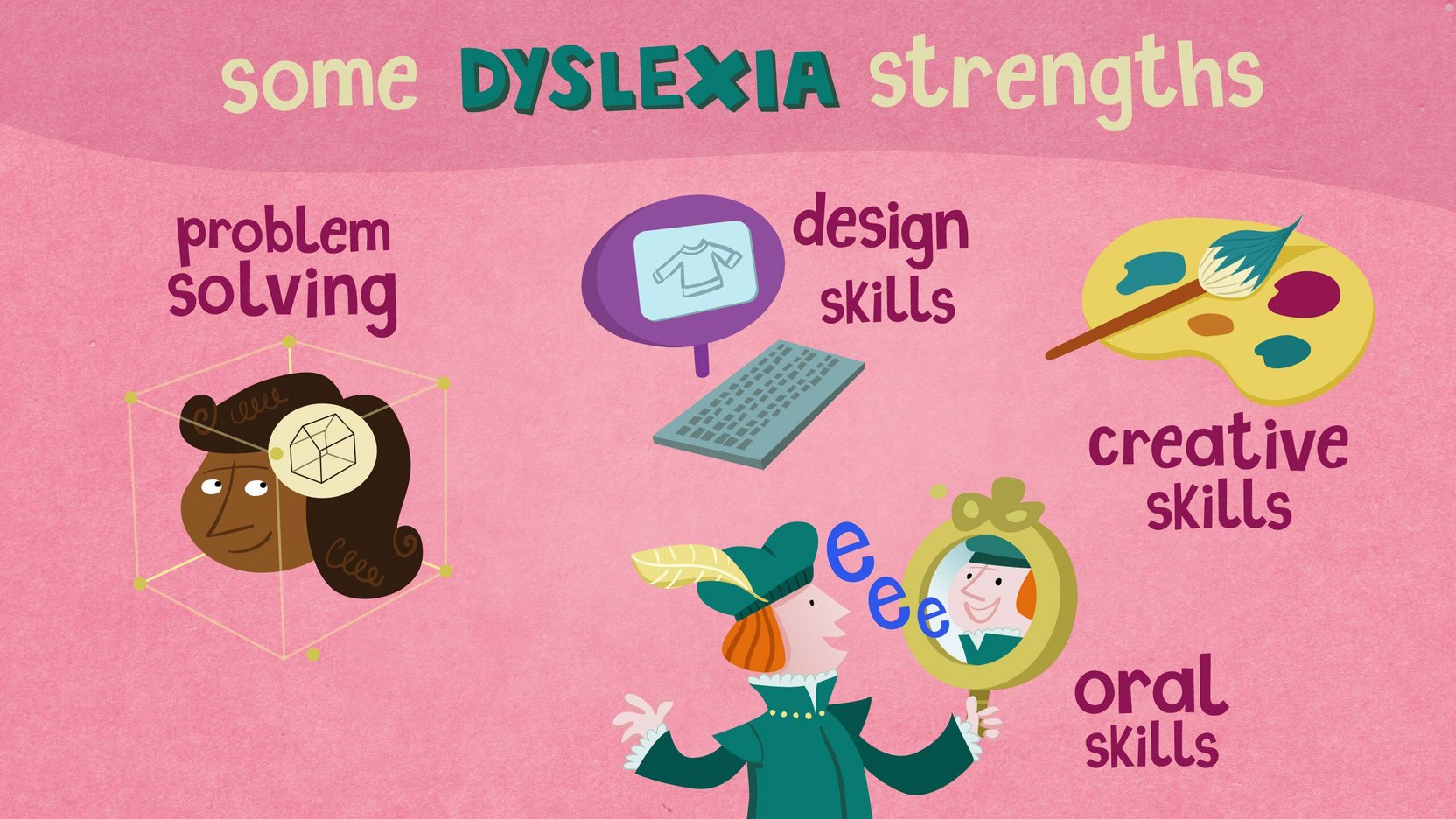
The future vision of what “dyslexic” means is one where the inherent cognitive strengths of these individuals—often linked to creativity, problem-solving, and spatial reasoning—are fully unleashed by an increasingly intelligent and adaptive technological landscape. As technology continues to advance, we move closer to a world where dyslexia is no longer seen as a barrier, but as a characteristic that simply requires a different, digitally-enhanced approach to learning and working. The definition of “dyslexic” will continue to evolve, reflecting not just a neurological difference, but a testament to human ingenuity in creating a truly accessible and inclusive digital world.
aViewFromTheCave is a participant in the Amazon Services LLC Associates Program, an affiliate advertising program designed to provide a means for sites to earn advertising fees by advertising and linking to Amazon.com. Amazon, the Amazon logo, AmazonSupply, and the AmazonSupply logo are trademarks of Amazon.com, Inc. or its affiliates. As an Amazon Associate we earn affiliate commissions from qualifying purchases.