
Cosigning a loan is often presented as a simple act of kindness—a way for a parent to help a child buy their first car, or for a friend to help another secure an apartment. However, in the realm of personal finance, cosigning is a profound legal and financial commitment that carries significant weight. When you pick up the pen to cosign, you are doing much more than “vouching” for someone; you are entering into a binding contract that ties your financial health to another person’s behavior.

Understanding the nuances of cosigning is essential for anyone looking to maintain a healthy credit profile and a stable financial future. This article explores the mechanics of cosigning, the risks involved, and the strategic considerations you must weigh before adding your signature to a loan agreement.
The Mechanics of Cosigning: Understanding Your Legal and Financial Role
At its core, cosigning is a credit enhancement tool. When a primary borrower cannot qualify for a loan on their own—usually due to a limited credit history, a low credit score, or insufficient income—a lender may allow a second party (the cosigner) to join the application. By doing so, the cosigner pledges their own creditworthiness and assets as collateral for the debt.
The Legal Obligation of “Joint and Several Liability”
In most jurisdictions, cosigners are “jointly and severally liable” for the debt. This is a critical financial term. It means that the lender does not have to exhaust all options with the primary borrower before coming to you for payment. If a payment is missed, the lender has the legal right to demand the full amount from you immediately. You are not a backup; you are an equal partner in the eyes of the law, even if you never see a penny of the loan proceeds or use the asset being financed.
How Cosigning Differs from Being a Co-Borrower or Guarantor
It is common to confuse these terms, but the distinctions are vital. A co-borrower usually has an ownership interest in the asset (like a spouse on a mortgage). A guarantor is often only liable after the lender has unsuccessfully tried to collect from the primary borrower. A cosigner, however, is immediately responsible. Furthermore, while a co-borrower has rights to the property or vehicle, a cosigner often has all of the liability with none of the ownership rights.
Why Lenders Require a Cosigner: The Risk Mitigation Perspective
Financial institutions are in the business of managing risk. When a lender asks for a cosigner, they are stating that, based on their data and algorithms, the primary borrower is a high-risk candidate. By requiring a cosigner, the lender is essentially “borrowing” your superior credit reputation to offset the risk of the primary borrower defaulting.
Credit History and Score Thresholds
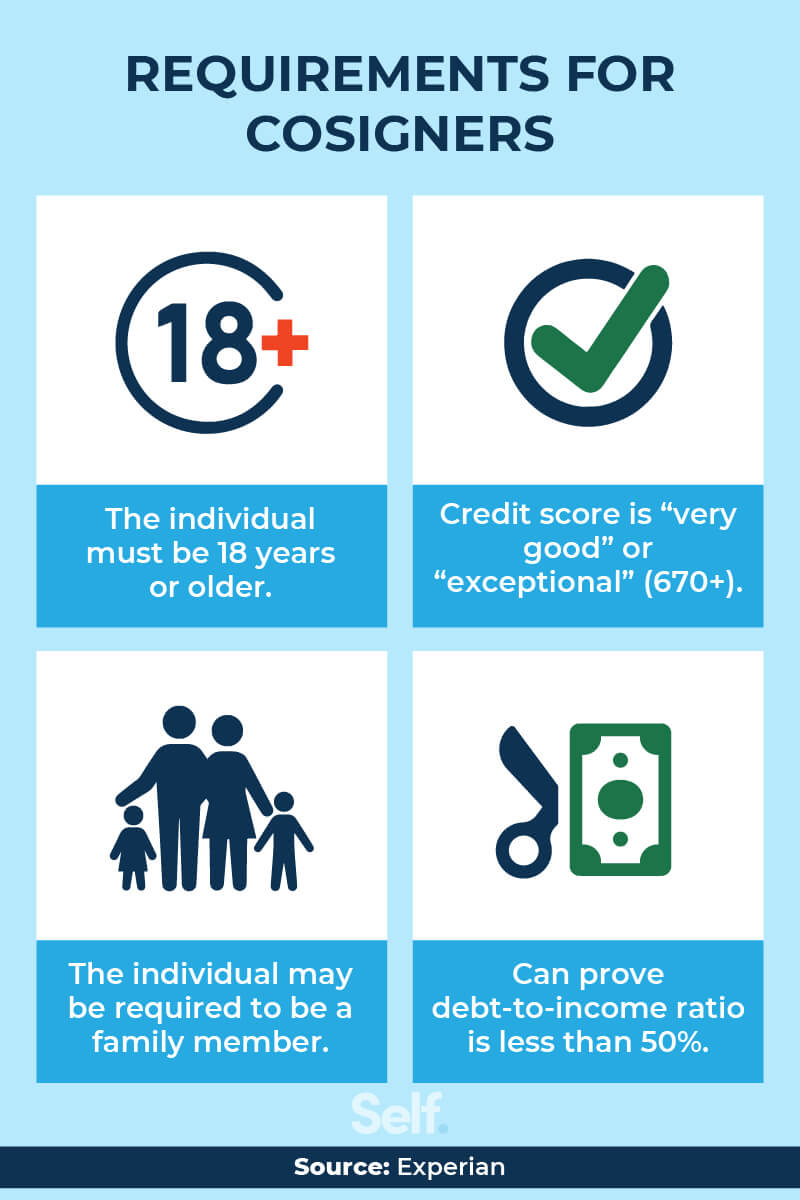
Most lenders have strict FICO score requirements. For instance, a student loan or a subprime auto loan might require a score of 670 or higher to secure a reasonable interest rate. If the primary borrower has a score of 580, the lender views them as statistically likely to default. Your signature acts as a safety net, ensuring the lender that if the high-risk borrower fails, a low-risk individual (you) will step in.
Debt-to-Income (DTI) Ratios
Even if a borrower has perfect credit, they might fail a lender’s Debt-to-Income (DTI) test. If a person’s monthly debt obligations exceed a certain percentage of their gross monthly income (usually 36% to 43%), they are deemed overextended. A cosigner with a high income can “dilute” this ratio, making the overall application look more attractive to the bank’s underwriting department.
The Far-Reaching Impact on Your Personal Finances
The decision to cosign affects more than just your relationship with the borrower; it creates a ripple effect throughout your entire financial portfolio. Before you sign, you must consider how this debt will live on your balance sheet.
Immediate and Long-Term Effects on Your Credit Score
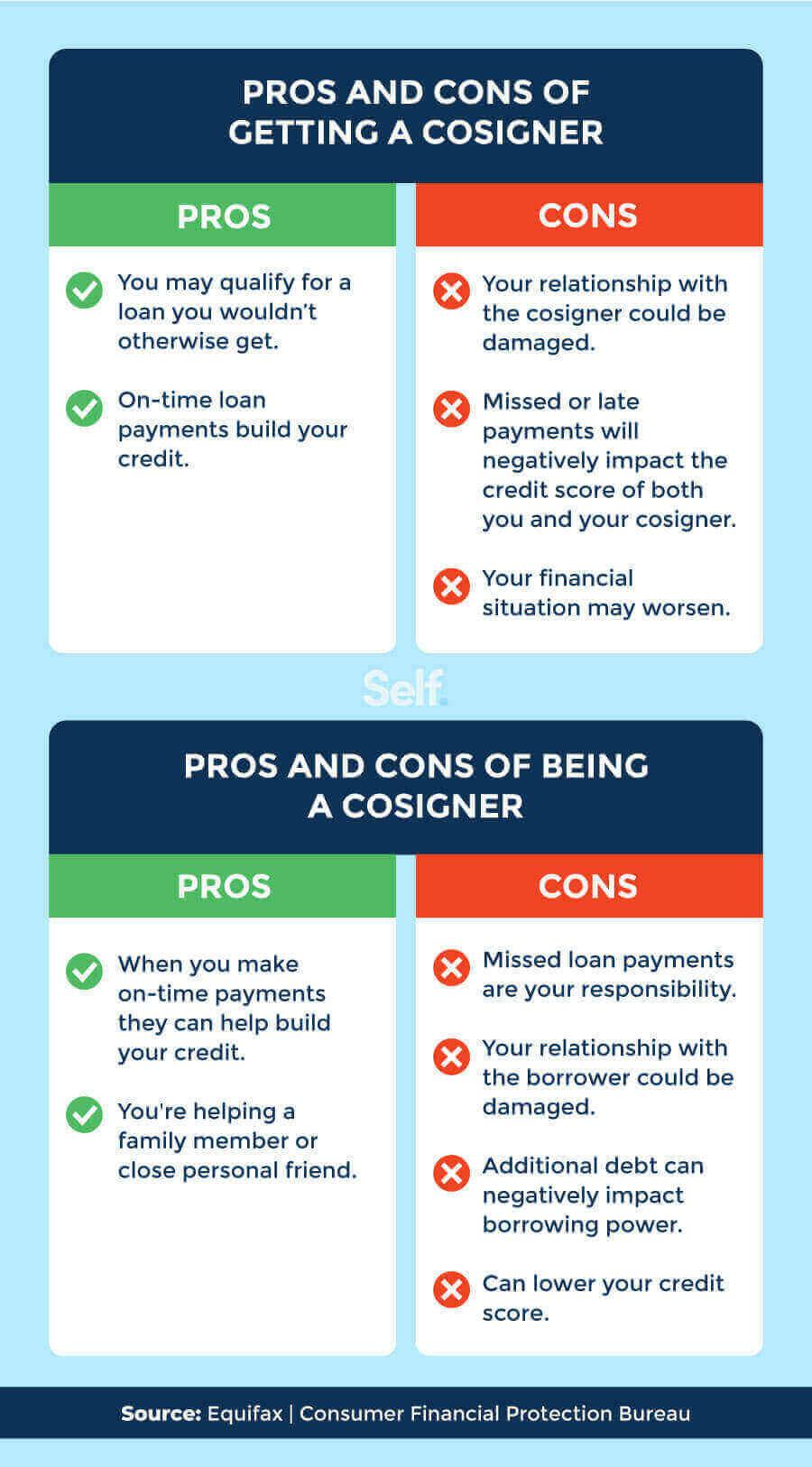
The moment the loan is finalized, it appears on your credit report. This has two immediate impacts. First, the “hard inquiry” from the application process may cause a temporary dip in your score. Second, and more importantly, the total amount of the loan is added to your “amounts owed.” Even if the primary borrower makes every payment on time, your credit utilization and total debt load increase, which can lower your score or make you appear more leveraged to other lenders.
Impact on Future Borrowing Power
This is perhaps the most overlooked risk of cosigning. Because the loan appears as a liability on your credit report, it is factored into your DTI ratio. If you decide to apply for a mortgage, a business loan, or a personal line of credit six months after cosigning for someone else, your lender will treat that cosigned debt as if it is your own monthly expense. This could lead to you being denied a loan you actually need, or being forced to pay a higher interest rate because you appear to have too much existing debt.
The Hidden Risk of Default and Collection
If the primary borrower misses a payment, the lender is not required to notify you before the delinquency hits your credit report. A 30-day late payment can cause a significant drop in a high credit score—sometimes as much as 100 points. If the loan goes into default, the lender can sue you, garnish your wages, or place liens on your property to recover the funds. You are essentially gambling your financial reputation on the primary borrower’s discipline and life circumstances.
Evaluating the Risks Before You Sign: A Strategic Checklist
Because the financial stakes are so high, cosigning should never be an impulsive decision. It requires a cold, hard look at the numbers and the person asking for help.
Personal Relationships vs. Financial Contracts
Money has a unique way of straining even the strongest bonds. If you cosign for a family member and they fail to pay, the resulting financial pressure can lead to resentment and permanent estrangement. You must ask yourself: “Am I prepared to pay this loan in full if the other person cannot?” If the answer is no, you should not cosign. Many financial advisors suggest that you should only cosign if you have the cash on hand to cover the entire loan balance immediately.
Assessing the Primary Borrower’s Financial Health
Transparency is key. Before agreeing to cosign, you should request to see the borrower’s budget, their current income statements, and their plan for repayment. Why do they need a cosigner? Is it because they are young and building credit, or is it because they have a history of financial mismanagement? If it is the latter, you are not helping them; you are enabling a cycle of debt while putting your own assets on the line.
Best Practices and Exit Strategies
If you decide that the risk is worth the reward and you proceed with cosigning, there are steps you can take to protect your interests and eventually remove yourself from the obligation.
Monitoring the Loan and Communication
Do not wait for a collection call to find out there is a problem. Ensure you have online access to the loan account so you can monitor payments in real-time. Establish a clear agreement with the primary borrower that they must notify you immediately if they anticipate a financial struggle. Some cosigners go as far as requiring the primary borrower to send them the money each month so the cosigner can make the payment themselves, ensuring it is always on time.
Cosigner Release Clauses and Refinancing
When reviewing the loan documents, look for a “Cosigner Release” clause. Some student loans and private personal loans allow the cosigner to be removed from the contract after the primary borrower has made a specific number of consecutive, on-time payments (usually 12, 24, or 36 months) and meets certain credit requirements.
If no such clause exists, the only way to “get off” the loan is for the primary borrower to refinance the debt in their own name once their credit or income has improved. Before signing, you should have a written “exit plan” agreement with the borrower, stating that they will apply for a refinance or a cosigner release as soon as they are eligible.
Conclusion
Cosigning a loan is a significant financial maneuver that bridges the gap between personal trust and legal liability. While it can be a powerful tool to help a loved one achieve a milestone—like graduating college or buying a reliable vehicle—it carries the potential to derail your own financial goals.
By understanding that you are 100% responsible for the debt, recognizing the impact on your credit and borrowing power, and establishing a clear exit strategy, you can make an informed decision. In the world of personal finance, your credit is one of your most valuable assets. Protect it by treating every cosigning request with the same scrutiny and professional diligence that a bank would. Only then can you ensure that a gesture of support doesn’t turn into a financial burden.
aViewFromTheCave is a participant in the Amazon Services LLC Associates Program, an affiliate advertising program designed to provide a means for sites to earn advertising fees by advertising and linking to Amazon.com. Amazon, the Amazon logo, AmazonSupply, and the AmazonSupply logo are trademarks of Amazon.com, Inc. or its affiliates. As an Amazon Associate we earn affiliate commissions from qualifying purchases.