
The term “cooled” in the context of technology might seem straightforward, conjuring images of fans whirring or heatsinks dissipating heat. However, as our devices become more powerful, compact, and integrated, the science and engineering behind cooling have evolved dramatically. It’s no longer just about preventing a device from melting; it’s about optimizing performance, ensuring longevity, and enabling innovation across a vast spectrum of electronic hardware. In the realm of technology, “cooled” signifies a critical aspect of design, manufacturing, and user experience, directly impacting how our gadgets function, from the smartphones in our pockets to the supercomputers powering global networks.
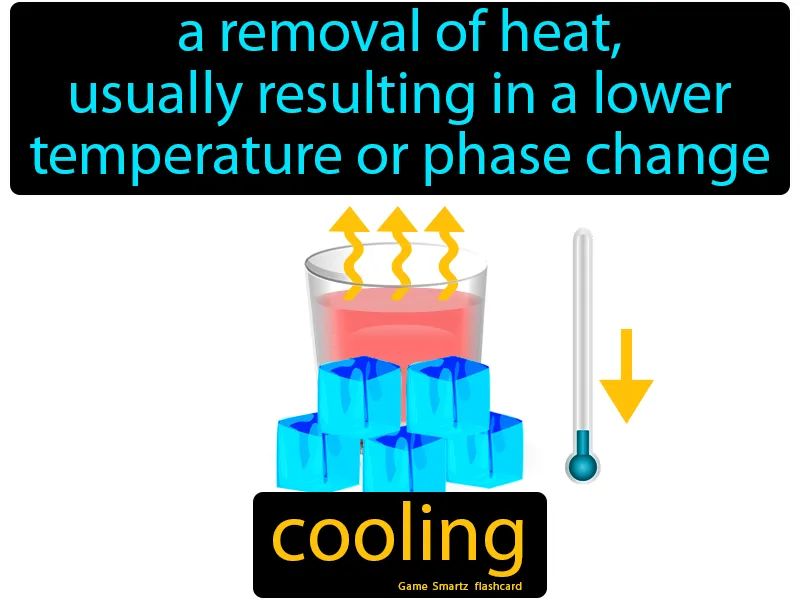
The relentless pursuit of increased processing power, higher clock speeds, and more integrated functionality within ever-shrinking form factors presents a significant thermal challenge. As electronic components perform more operations per second, they generate more waste heat. If this heat isn’t managed effectively, it can lead to a cascade of negative consequences: reduced performance due to thermal throttling, shortened component lifespan, system instability, and even permanent damage. Therefore, understanding what “cooled” truly means in a tech context requires delving into the sophisticated strategies and technologies employed to maintain optimal operating temperatures. This involves a deep dive into the physics of heat transfer, the materials science involved, and the intricate engineering design that balances power consumption with effective thermal dissipation.
The Fundamental Challenge: Heat Generation in Electronic Components
At its core, every electronic component, from a humble resistor to a complex CPU or GPU, generates heat as a byproduct of its operation. This phenomenon is a direct consequence of the flow of electrons through resistive materials. When electrons encounter resistance within a conductor or semiconductor, their kinetic energy is converted into thermal energy, which is then radiated outwards. The more work a component does – the more calculations it performs, the more data it processes, or the higher its electrical current – the more heat it will generate.
Power Consumption as the Primary Driver of Heat
The fundamental relationship between power consumption and heat generation is a cornerstone of electronics. Power (measured in watts) is the rate at which energy is transferred or converted. In electronic circuits, this energy conversion often manifests as heat. For instance, a processor might consume tens or even hundreds of watts of power during intense computational tasks. This substantial power draw directly translates into a significant amount of heat that needs to be effectively managed. The efficiency of a component plays a crucial role here; more efficient components generate less heat for the same amount of work. However, even the most efficient designs will still produce heat, making thermal management an indispensable aspect of modern electronics.
The Impact of Miniaturization and Higher Densities
The trend towards miniaturization in electronics, while offering portability and integration benefits, exacerbates the thermal challenge. As components become smaller and are packed more densely onto circuit boards, the heat generated by individual elements is concentrated in a smaller volume. This leads to higher localized temperatures, making it more difficult for heat to escape. Imagine trying to cool a small, crowded room versus a large, airy one; the same amount of heat generated in the crowded room will cause the temperature to rise much more rapidly. This increased heat density requires more advanced and efficient cooling solutions than were necessary for older, larger electronic designs.
Performance Throttling: A Self-Preservation Mechanism
When electronic components, particularly processors and graphics cards, exceed their designed operating temperature thresholds, they often employ a mechanism known as thermal throttling. This is a built-in safety feature where the component intentionally reduces its operating speed (clock speed) and power consumption to lower its heat output and prevent permanent damage. While this protects the hardware, it comes at the cost of performance. Users will notice a significant slowdown in their applications, stuttering in games, or unresponsiveness in their devices. The goal of effective cooling is to prevent thermal throttling from occurring under normal operating conditions, allowing devices to perform at their peak potential.
Passive Cooling: Harnessing Natural Heat Transfer
Passive cooling techniques rely on natural physical processes to dissipate heat without the need for active mechanical components like fans. These methods are often silent, energy-efficient, and contribute to the overall reliability of a device. They are particularly prevalent in devices where noise or power consumption is a critical concern, such as laptops, smartphones, and embedded systems.
Heatsinks: The Silent Heat Absorbers
Heatsinks are perhaps the most common form of passive cooling. They are typically made of highly conductive materials, most commonly aluminum or copper, and are designed with a large surface area in the form of fins or pins. The component that generates heat is placed in direct contact with the base of the heatsink. Heat then transfers from the component to the heatsink through conduction. The large surface area of the heatsink allows heat to be efficiently transferred to the surrounding air through convection and radiation. The effectiveness of a heatsink is directly proportional to its surface area and the thermal conductivity of its material. Advanced heatsink designs can include advanced fin geometries and heat pipes to further enhance heat transfer.
Heat Pipes: Efficient Heat Transport
Heat pipes are a sophisticated passive cooling technology that leverages the phase change of a working fluid to transfer heat very efficiently over distances. A sealed tube contains a small amount of working fluid and a porous wick structure. When one end of the heat pipe (the evaporator, near the heat source) is heated, the working fluid vaporizes. The vapor travels rapidly to the cooler end of the pipe (the condenser, where heat is dissipated), where it condenses back into a liquid, releasing its latent heat. The liquid then returns to the evaporator via capillary action through the wick, completing the cycle. This process allows for extremely high thermal conductivity, far exceeding that of solid metals, making heat pipes ideal for moving heat away from hot spots to areas where it can be more easily dissipated.

Thermal Interface Materials (TIMs): Bridging the Gap
Even with well-designed heatsinks and heat pipes, there are microscopic imperfections on the surfaces of both the heat-generating component and the cooling solution. These imperfections create tiny air gaps, which are poor thermal conductors. Thermal Interface Materials (TIMs) are used to fill these gaps and improve the efficiency of heat transfer. Common TIMs include thermal paste, thermal pads, and phase-change materials. They effectively create a continuous thermal path from the component to the cooler, minimizing thermal resistance and maximizing heat dissipation. The quality and proper application of TIMs are crucial for the overall effectiveness of any cooling system.
Active Cooling: Forced Air and Beyond
While passive cooling is effective for many applications, high-performance devices often require active cooling solutions to manage the significant heat loads they generate. Active cooling systems utilize external power to enhance heat transfer, typically by moving a cooling medium across the hot components.
Fans: The Ubiquitous Air Movers
Computer fans are the most common active cooling component. They are designed to force air over heatsinks, heat pipes, or directly onto components. By increasing the airflow, fans accelerate the rate of convective heat transfer, effectively carrying heat away from the device. The effectiveness of a fan is determined by its airflow rate (measured in CFM – cubic feet per minute) and static pressure, which indicates its ability to push air through restrictive obstacles like heatsinks. Fan design has evolved to optimize for both performance and acoustics, with innovations like optimized blade shapes and fluid dynamic bearings to reduce noise and improve lifespan.
Liquid Cooling: Precision and Power
Liquid cooling systems offer a more advanced and often more effective method of heat dissipation compared to air cooling. In these systems, a liquid coolant (typically water-based) is circulated through a loop. A water block, attached to the heat-generating component, absorbs heat from it. The heated liquid is then pumped to a radiator, where fans dissipate the heat into the surrounding air. The cooled liquid then returns to the water block to repeat the cycle. Liquid cooling is particularly effective for high-performance CPUs and GPUs because liquids have a much higher heat capacity and thermal conductivity than air, allowing them to absorb and transport heat more efficiently. Custom liquid cooling loops can be highly elaborate, with multiple radiators, reservoirs, and advanced pump configurations for maximum cooling performance and aesthetic appeal.
Thermoelectric Coolers (TECs): Direct Refrigeration
Thermoelectric coolers, also known as Peltier devices, are solid-state devices that can create a temperature difference when an electric current is applied. One side of the TEC becomes cold, while the other side becomes hot. The cold side can be used to directly cool a component, while the hot side requires a separate heatsink and fan for dissipation. TECs are highly controllable and can achieve very low temperatures, but they are generally less energy-efficient than other cooling methods and are typically used in niche applications where extreme cooling is required, such as in scientific instruments or high-end server components.
The Future of Cooling: Innovation and Integration
As technology continues its relentless march forward, the demands on thermal management will only increase. The pursuit of smaller, more powerful, and more energy-efficient devices necessitates continuous innovation in cooling technologies. This includes advancements in materials science, novel cooling architectures, and smarter integration of cooling solutions into device design.
Advanced Materials and Nanotechnology
The development of new materials with superior thermal conductivity is a key area of research. Graphene, carbon nanotubes, and advanced ceramic composites are being explored for their potential to create more efficient heatsinks and thermal interfaces. Nanotechnology also offers possibilities for creating micro-scale cooling channels within components themselves, enabling more direct and localized heat removal.
Immersion Cooling and Advanced Phase-Change Technologies
For high-density computing environments like data centers, immersion cooling is gaining traction. In this method, servers or entire components are submerged in a non-conductive dielectric fluid. This fluid directly contacts the components, absorbing heat far more efficiently than air. Advanced phase-change materials are also being developed for more sophisticated passive cooling solutions that can adapt their thermal properties to varying heat loads.

Integrated Thermal Management and AI
The trend is towards more integrated thermal management systems that are not only effective but also intelligent. This involves using sensors to monitor temperatures in real-time and dynamically adjust cooling performance. Artificial intelligence (AI) can play a role in predicting thermal loads and optimizing cooling strategies to maximize performance while minimizing energy consumption. The ultimate goal is to create “cooled” devices that are not only powerful and reliable but also seamlessly integrated into our digital lives without thermal limitations.
aViewFromTheCave is a participant in the Amazon Services LLC Associates Program, an affiliate advertising program designed to provide a means for sites to earn advertising fees by advertising and linking to Amazon.com. Amazon, the Amazon logo, AmazonSupply, and the AmazonSupply logo are trademarks of Amazon.com, Inc. or its affiliates. As an Amazon Associate we earn affiliate commissions from qualifying purchases.