
The term “contemporary art” often conjures images of abstract sculptures, provocative installations, and perhaps even a touch of bewilderment. But what does it truly signify in our rapidly evolving world, especially when viewed through the lenses of technology, branding, and finance? Far from being a purely aesthetic pursuit, contemporary art has become deeply interwoven with these dominant forces, reflecting, critiquing, and even leveraging them. To understand contemporary art today is to understand its intricate relationship with the digital age, the power of perception, and the pervasive influence of economic systems.
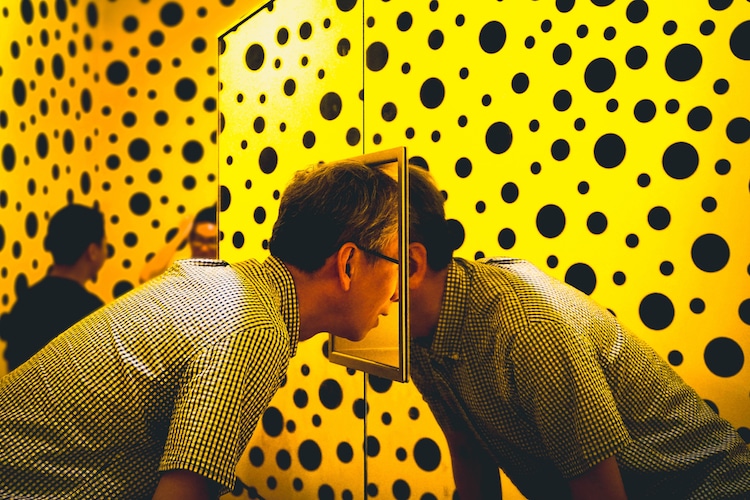
The genesis of contemporary art can be broadly traced from the mid-20th century onwards, evolving from and reacting against modern art. While modern art sought new forms of expression and broke away from traditional representation, contemporary art is characterized by its immediate relevance to our current moment. It is art made now, by artists living now, and engaging with the issues and ideas that define our present. This inherent timeliness makes it a fluid and ever-changing entity, constantly re-evaluating its own definitions and boundaries.
The Digital Canvas: Technology’s Imprint on Contemporary Art
The digital revolution has undeniably reshaped the landscape of art creation, distribution, and consumption. For contemporary artists, technology is not merely a tool; it’s often a medium, a subject, and a platform. The pervasive influence of tech trends, AI tools, and digital security paradigms has given rise to new artistic practices and a redefined understanding of what constitutes an artwork.
AI as Collaborator and Catalyst
Artificial intelligence is no longer a futuristic concept; it’s a tangible force influencing creative processes. Artists are now using AI algorithms to generate imagery, compose music, write poetry, and even create interactive installations. This raises profound questions about authorship, creativity, and the very definition of the artist. When an AI generates a stunning visual or a thought-provoking text, who is the artist? Is it the programmer who coded the algorithm, the artist who curated the prompts, or the AI itself?
This collaboration between human and machine blurs the lines of traditional creative roles. Some artists embrace AI as a powerful new brush, capable of producing outcomes that would be impossible through human hands alone. Others use AI to explore its own limitations, biases, and potential societal impacts, turning the technology into a subject of critical inquiry. The emergence of AI art generators, easily accessible through apps and online platforms, democratizes image creation, but also sparks debate about originality and the value of human skill.
The Ubiquitous Screen and Immersive Experiences
Our lives are increasingly mediated by screens – smartphones, tablets, computers, and virtual reality headsets. Contemporary art reflects this shift, with digital art, video art, and interactive installations becoming prominent forms of expression. Artists are leveraging augmented reality (AR) and virtual reality (VR) to create immersive environments that transport viewers to entirely new worlds, challenging our perception of space and reality.
The internet itself has become a vast exhibition space. Online galleries, social media platforms, and dedicated art websites allow artists to reach global audiences without the need for traditional gallery representation. This democratization of access, however, also presents challenges. How do we define the value and authenticity of art that exists primarily in the digital realm? The concept of digital ownership, the threat of copyright infringement, and the ephemeral nature of online content all become critical considerations. Moreover, the very nature of digital security and data privacy directly impacts how artists can present and protect their work in this interconnected world.
Branding the Artist: Identity, Marketing, and Reputation in the Art World
In today’s hyper-connected society, an artist’s brand is as crucial as their artistic output. Just as corporations meticulously craft their brand strategy and personal brands define individuals, contemporary artists must navigate the complex world of marketing, design, and reputation management to gain recognition and build a sustainable career.
The Artist as a Brand Entity
From the signature style of a painter to the distinct conceptual approach of a performance artist, artists have always had a form of brand identity. However, in the contemporary art market, this extends far beyond the artwork itself. Artists are increasingly encouraged to cultivate a strong personal brand, characterized by their unique story, their artistic philosophy, and their public persona. This involves strategic use of social media, engaging with collectors and critics, and carefully curating their online presence.
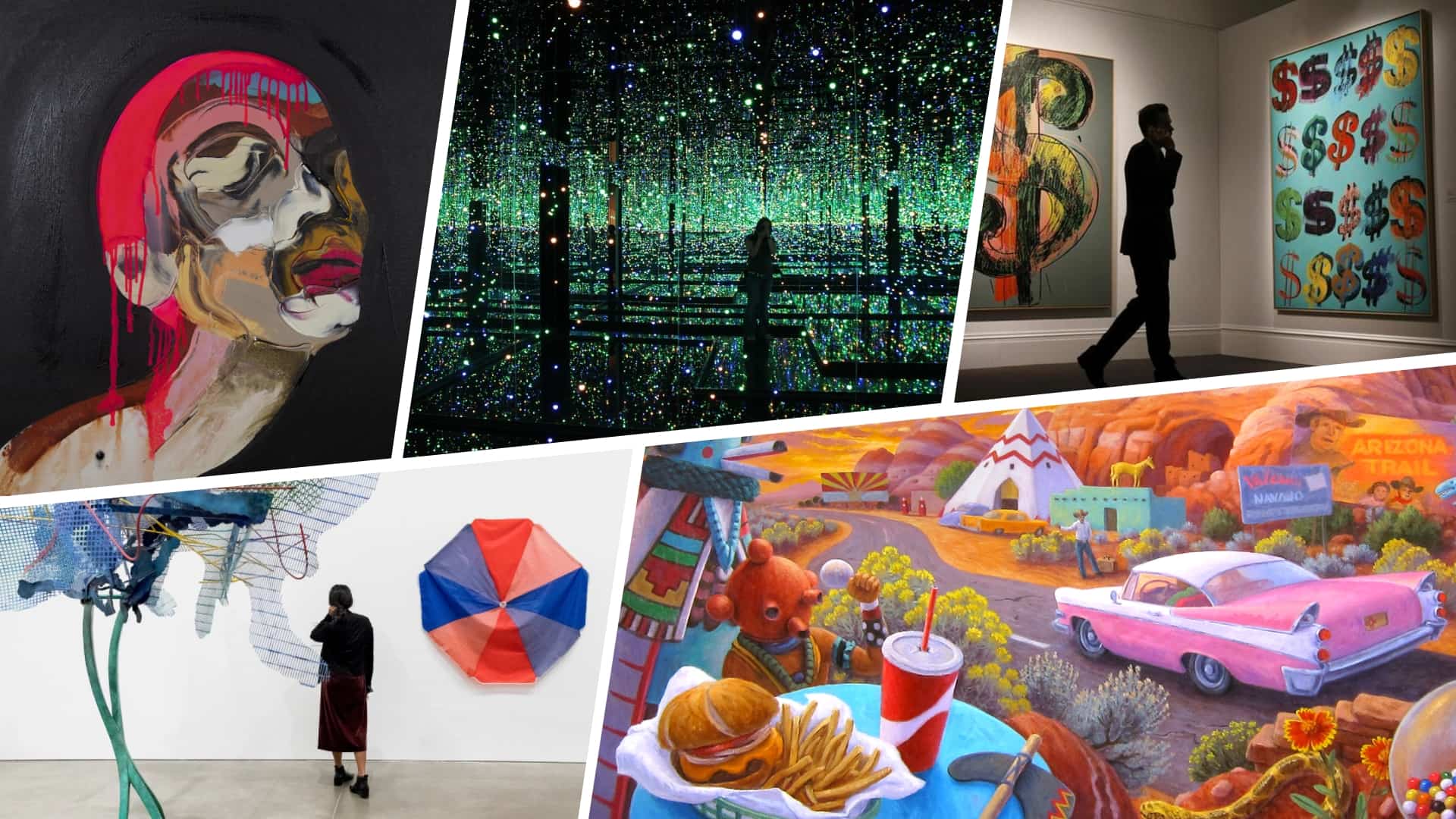
Corporate identity principles are often mirrored in how artists present themselves. A cohesive visual language, a consistent narrative, and a clear mission statement can all contribute to a powerful artist brand. This isn’t about compromising artistic integrity, but rather about understanding the symbiotic relationship between art and its audience in a commercially driven world. The ability to articulate one’s vision and connect with a broader public can be as vital as technical skill.
Marketing the Masterpiece: Case Studies in Success
The art market operates on a complex interplay of supply, demand, critical acclaim, and marketing savvy. Case studies of successful contemporary artists often reveal a deliberate strategy of brand building and targeted marketing. This can involve collaborations with luxury brands, participation in high-profile international art fairs, and securing representation from influential galleries.
The design and presentation of an artist’s work are paramount. The way an exhibition is curated, the promotional materials used, and the artist’s website are all elements of their brand. Understanding the principles of marketing and design is no longer an optional extra for artists; it’s a fundamental aspect of navigating the contemporary art ecosystem. This includes leveraging digital marketing tools and understanding how to create compelling narratives that resonate with collectors, institutions, and the public. Reputation management, both online and offline, is a continuous effort to maintain positive perception and artistic credibility.
The Art of Value: Money, Investment, and the Contemporary Art Market
The intersection of contemporary art and money is undeniable and often contentious. The art market has become a significant global industry, with artworks fetching astronomical prices and art being increasingly viewed as an investment asset. Understanding the financial dynamics is crucial for comprehending the meaning and impact of contemporary art.
Art as Investment and Speculative Asset
For many, contemporary art is not just about aesthetic appreciation; it’s about financial return. The personal finance and investing world has embraced art as a potential alternative asset class. Collectors often purchase art with the expectation that its value will appreciate over time, similar to stocks or real estate. This speculative aspect can influence artistic production, with artists sometimes feeling pressure to create works that are perceived as marketable and likely to increase in value.
Online income streams and side hustles are now common for artists. Beyond selling traditional artworks, many artists leverage their skills to offer design services, create digital art for sale, or even develop educational content related to art. Financial tools and platforms are increasingly being used to facilitate art sales and investments, from online auction houses to fractional ownership platforms. This financialization of art raises important questions about accessibility, authenticity, and the intrinsic value of art versus its monetary worth.
The Economics of Creation and Consumption
The business finance behind the art world is complex, involving galleries, auction houses, dealers, and collectors. The economic models employed by these entities shape what art is produced, exhibited, and ultimately acquired. Understanding these financial structures is essential to understanding the broader meaning of contemporary art.
The rise of online marketplaces and digital currencies (like NFTs) has further blurred the lines between the digital and physical art worlds, creating new avenues for both creation and commerce. While these innovations offer exciting possibilities, they also bring their own set of financial risks and regulatory challenges. The sustainability of artistic practice is intrinsically linked to its economic viability, and contemporary artists must often grapple with the dual demands of creative expression and financial necessity.
Conclusion: Art in Dialogue with the Modern World
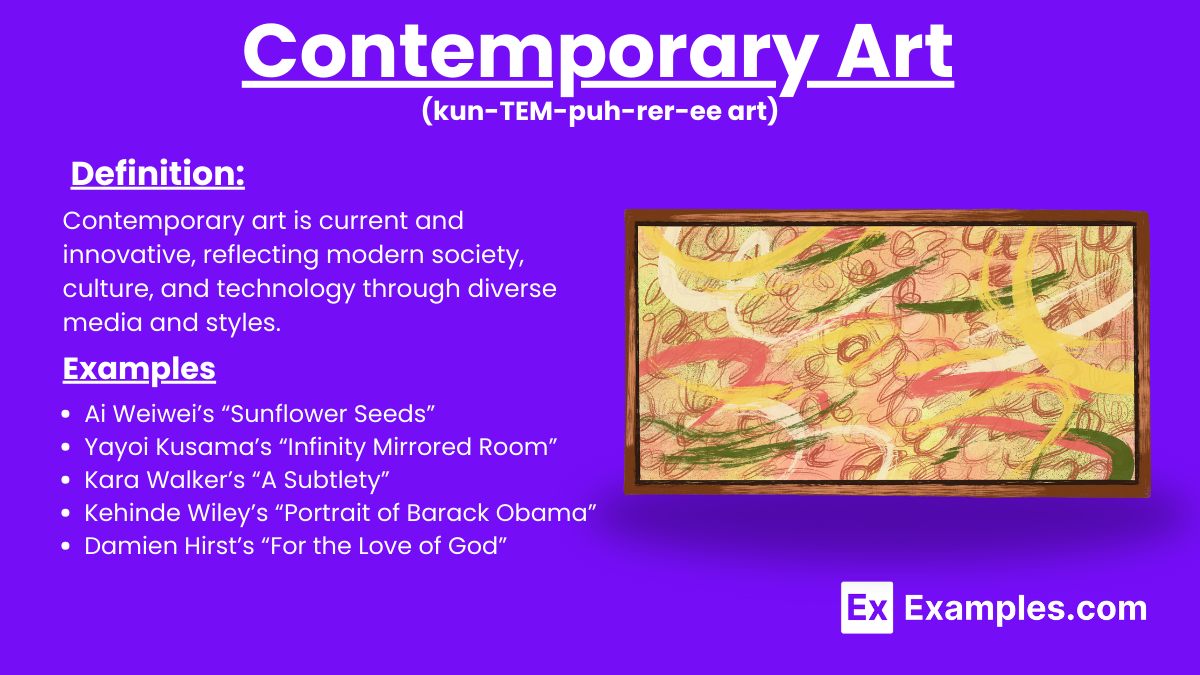
In conclusion, the meaning of contemporary art in the 21st century is a multifaceted concept that cannot be divorced from the pervasive influences of technology, branding, and money. Artists are not operating in a vacuum; they are actively engaging with, responding to, and often critiquing the very systems that shape our modern lives.
From utilizing AI as a creative partner to carefully crafting their personal brand for market visibility, and from navigating the speculative art market to leveraging digital platforms for income, contemporary artists are dynamic players in a complex global ecosystem. To truly grasp what contemporary art means today is to recognize its ongoing dialogue with the technological advancements that define our digital age, the strategic branding that shapes our perceptions, and the economic forces that influence our choices. It is art that reflects, questions, and ultimately contributes to our understanding of ourselves and the world we inhabit.
aViewFromTheCave is a participant in the Amazon Services LLC Associates Program, an affiliate advertising program designed to provide a means for sites to earn advertising fees by advertising and linking to Amazon.com. Amazon, the Amazon logo, AmazonSupply, and the AmazonSupply logo are trademarks of Amazon.com, Inc. or its affiliates. As an Amazon Associate we earn affiliate commissions from qualifying purchases.