
In the landscape of higher education and professional development, the terminology used to describe the completion of a program can often feel redundant. We speak of “graduating,” “finishing school,” or “getting a diploma.” However, there is a specific, formal term that carries significantly more weight in the realms of institutional authority and personal branding: conferring a degree.
Understanding what it means to have a degree conferred is essential for anyone looking to strategically position their professional identity. While “graduation” is a social and ceremonial milestone, “conferral” is a legal and brand-defining event. It is the moment an institution officially bestows a title upon an individual, signaling to the market that the recipient has met every rigorous standard required by the brand’s governing body.
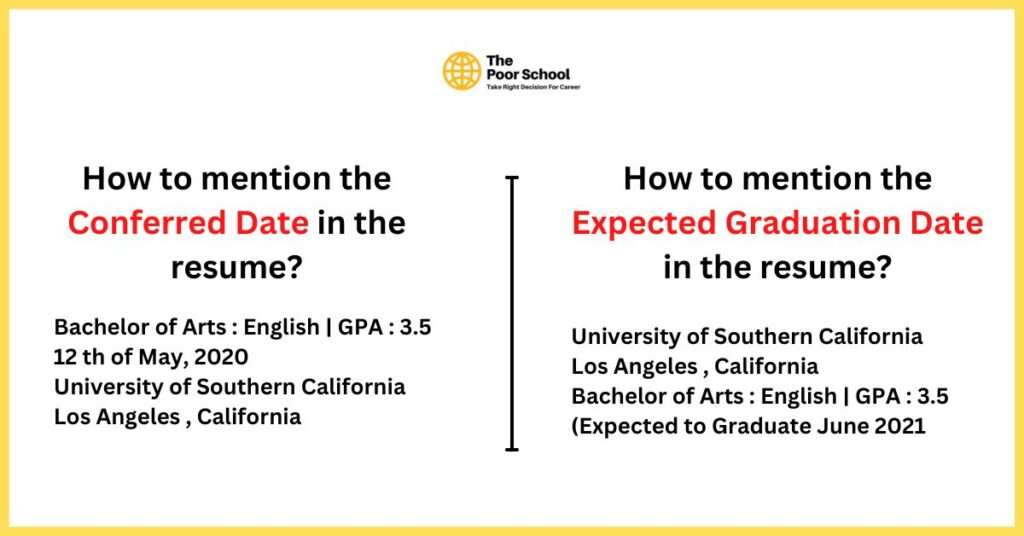
The Distinction Between Graduation and Conferral
To understand the brand power of a degree, one must first distinguish between the celebration and the certification. Graduation is the ceremony—the commencement where students walk across a stage, flip their tassels, and celebrate their journey with peers. In many cases, students participate in graduation ceremonies before their final grades are even processed.
Conferral, by contrast, is the official administrative act. It is the date when the university’s registrar confirms that all requirements—academic, financial, and administrative—have been satisfied. From a brand perspective, conferral is the “closing of the contract.” It is the moment the institution puts its global reputation on the line to vouch for the individual’s expertise. Until a degree is conferred, a candidate is technically “degree-pending,” a status that lacks the full weight of the institution’s brand authority.
The Institutional Brand: Why Conferral is the Ultimate Value Proposition
Every university is a brand. Whether it is an Ivy League titan or a specialized technical college, these institutions spend decades, sometimes centuries, building a reputation for excellence, rigor, and exclusive knowledge. When an institution confers a degree, it is essentially engaging in a high-stakes co-branding exercise.
The Power of Institutional Endorsement
When a degree is conferred, the institution is granting the student permission to use its brand name as a prefix or suffix to their professional identity. This is more than just a certificate of completion; it is a transfer of “brand equity.” For example, the “Harvard” brand or the “MIT” brand is not just a school name; it is a signal of a specific set of values, a certain level of cognitive ability, and a network of elite associations.
By conferring the degree, the school says, “This person represents our brand standards.” This is why institutions are so protective of their conferral process. If a school confers degrees too easily, its brand value dilutes. If it maintains high standards for conferral, the “seal of approval” remains a premium asset in the global marketplace.
Building Global Brand Authority
For the institution, the act of conferring a degree is its primary “product” delivery. In a corporate sense, a university’s brand strength is measured by the success of its alumni. Each conferred degree is an ambassador sent out into the world. The strategic goal of the institution is to ensure that the “conferred” status remains synonymous with market leadership and specialized expertise. This creates a feedback loop: prestigious alumni enhance the brand, which in turn makes the conferral of future degrees more valuable.
Personal Branding: How Degree Conferral Impacts Professional Identity
In the modern job market, your personal brand is your most valuable asset. It is the sum of your skills, your reputation, and the “trust signals” you present to potential employers, clients, and partners. A conferred degree is perhaps the most recognized trust signal in the professional world.
The Degree as a Trust Signal
In the digital age, where anyone can claim to be an expert on social media, the conferred degree stands as a verified, third-party validation of authority. In marketing terms, this is known as “social proof.” When you list a conferred degree on your LinkedIn profile or resume, you are leveraging the institutional brand to build your own.

The act of conferral provides the legal right to use specific post-nominal letters (e.g., MBA, Ph.D., JD). These letters act as brand extensions of your name. They immediately communicate a high level of expertise without the need for lengthy explanation. This clarity is essential in personal branding, where first impressions are often made in seconds by recruiters scanning profiles.
Strategic Positioning and the “Conferred” Status
For professionals in transition, the distinction of conferral is a critical strategic tool. Many job descriptions require a “conferred degree” rather than just the completion of coursework. This is because, from a risk-management perspective, a conferred degree indicates a person who follows through on long-term commitments and meets standardized benchmarks of excellence.
Strategically, mentioning that a degree has been “conferred” rather than just “attended” moves a professional from the category of a “student” to an “expert.” It shifts the narrative from the process of learning to the achievement of mastery. This shift is vital for those looking to move into management, executive roles, or specialized consulting, where the “brand of the expert” is the primary commodity being sold.
The Future of Conferral: Digital Credentialing and Brand Evolution
The concept of conferring a degree is undergoing a digital transformation. While the traditional paper diploma remains a symbol of prestige, the way brands “verify” and “display” conferral is shifting toward technological integration.
The Rise of Digital Badging and Micro-Conferrals
We are entering an era of “stackable credentials.” While a four-year degree conferral remains the gold standard, many institutional brands are now conferring smaller, specialized digital badges. These function under the same logic of conferral: they are official, verified endorsements of a specific skill set.
From a brand strategy perspective, digital badges allow individuals to build a “granular” personal brand. Instead of waiting four years for a single massive brand boost, professionals can accumulate smaller “mini-conferrals” that signal continuous learning and up-to-date technological proficiency. This keeps the personal brand dynamic and responsive to market trends.
Blockchain and the Permanence of the Brand
One of the most significant shifts in degree conferral is the use of blockchain technology for credentialing. When a degree is conferred and recorded on a blockchain, it becomes an immutable part of the individual’s digital brand. It eliminates the possibility of credential fraud—a major issue in corporate branding and hiring.
For the institution, blockchain conferral protects the integrity of their brand by ensuring that only those who have truly earned the degree can claim it. For the individual, it provides a portable, instantly verifiable “brand asset” that they own forever, independent of the university’s physical archives.
Leveraging Conferred Authority in Corporate and Personal Strategy
Once a degree is conferred, the real work of brand management begins. The degree is not the end of the journey; it is the foundation of a new professional tier. To maximize the value of a conferred degree, one must understand how to integrate it into a broader corporate or personal identity.
Institutional Association as a Competitive Advantage
In corporate branding, companies often highlight the “conferred degrees” of their leadership team to build corporate credibility. A tech startup led by “Stanford-conferred” engineers or a law firm with “Yale-conferred” partners uses these institutional brands to win client trust. This is “borrowed equity.” By showcasing the pedigree of their team, the corporation adopts the prestige of the educational institutions.
For the individual, the goal is to ensure that the conferred degree is not just a line on a resume but a lived part of their professional narrative. This involves:
- Alignment: Ensuring your professional output aligns with the prestige and expectations of the degree conferred.
- Networking: Leveraging the alumni brand community that comes with conferral.
- Authority Building: Using the degree as a platform to publish thought leadership, speak at conferences, and influence industry standards.

Conclusion: The Lasting Impact of the Conferral Act
What does conferring a degree mean? It means the formal transition from a consumer of knowledge to a certified possessor of it. It is the moment an institutional brand shakes hands with a personal brand, creating a synergy of authority, trust, and professional potential.
In a world where credentials are increasingly scrutinized, the formal conferral remains the definitive mark of achievement. It is a strategic asset that provides a lifetime of brand equity, serving as a permanent signal of quality in an ever-changing global economy. Whether you are an institution protecting your legacy or a professional building your future, the conferral of a degree is the most powerful “brand deal” you will ever sign.
aViewFromTheCave is a participant in the Amazon Services LLC Associates Program, an affiliate advertising program designed to provide a means for sites to earn advertising fees by advertising and linking to Amazon.com. Amazon, the Amazon logo, AmazonSupply, and the AmazonSupply logo are trademarks of Amazon.com, Inc. or its affiliates. As an Amazon Associate we earn affiliate commissions from qualifying purchases.