
At first glance, the question “what does chlorine do in pools?” might seem like a straightforward query about basic water chemistry. However, delving deeper reveals a fascinating intersection of science, technology, branding, and financial acumen. Chlorine, the ubiquitous guardian of recreational waters, performs a mission critical to public health and enjoyment, a mission that has evolved dramatically with advancements in smart home technology, sophisticated brand management, and astute financial planning. For homeowners, hoteliers, and aquatic facility managers alike, understanding chlorine’s multifaceted role is no longer just about pouring chemicals into water; it’s about leveraging innovation, protecting reputation, and optimizing investment in an increasingly connected world.
The Core Chemistry: Chlorine’s Role in Pool Sanitation
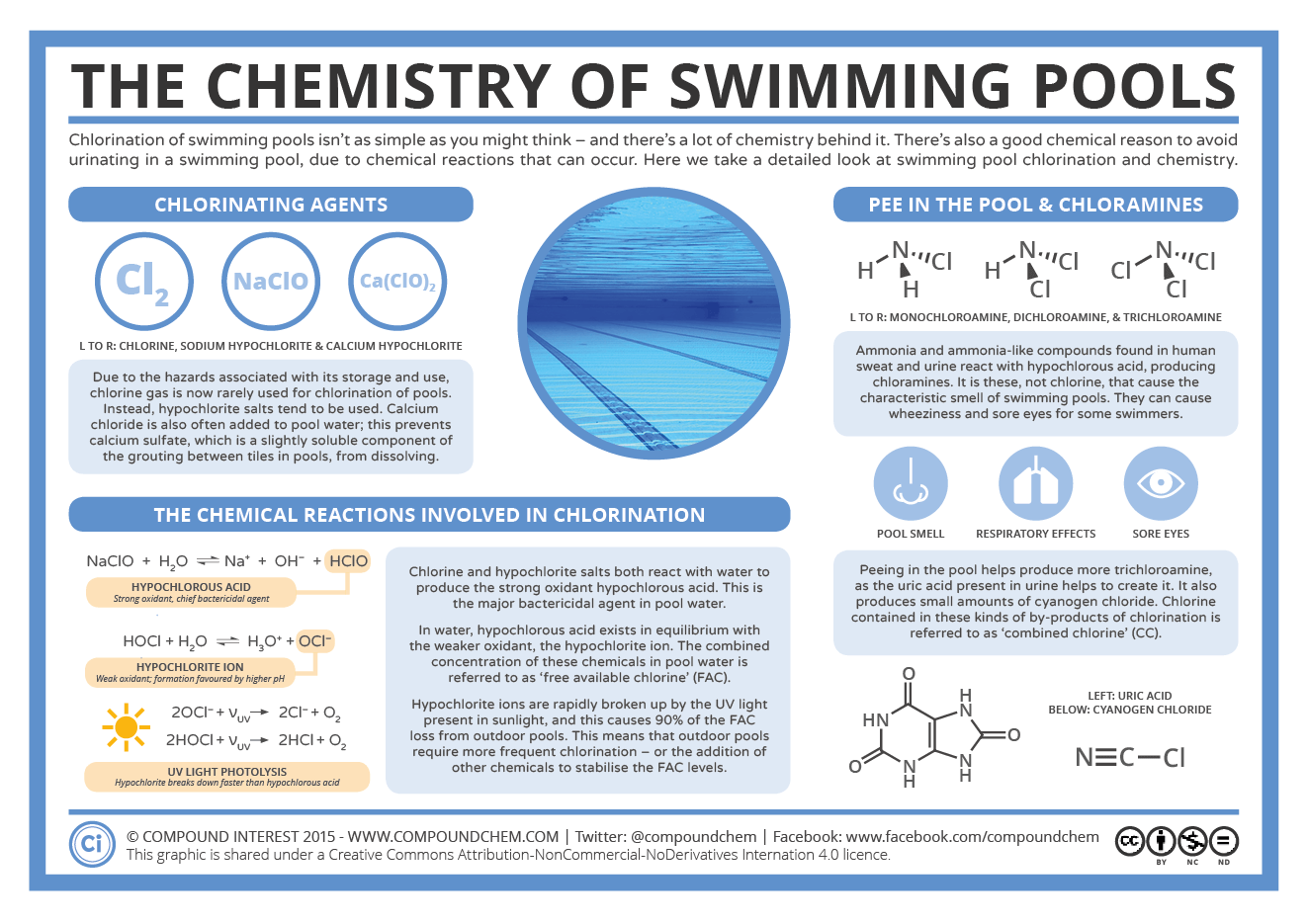
The fundamental purpose of chlorine in a swimming pool is disinfection – to render the water safe for human contact by neutralizing harmful microorganisms. This process is a delicate balance of chemical reactions, vital for preventing the spread of waterborne diseases and maintaining the aesthetic appeal of the pool.
The Science Behind Disinfection: Oxidation and Germ Killing
When chlorine, in its various forms, is introduced into pool water, it undergoes a chemical reaction to produce hypochlorous acid (HOCl) and the hypochlorite ion (OCl⁻). It is primarily the hypochlorous acid that acts as the primary sanitizer, a potent oxidizing agent that attacks and destroys the cellular structure of bacteria, viruses, and other pathogens. This process, known as oxidation, essentially “burns up” these contaminants, rendering them inert and harmless.
Chlorine’s effectiveness isn’t limited to microscopic threats. It also tackles larger organic matter introduced by swimmers, such as sweat, oils, and lotions, preventing them from serving as food sources for algae and bacteria. Without sufficient chlorine, a pool quickly becomes a breeding ground for microorganisms, leading to cloudy water, unpleasant odors, and the rapid growth of unsightly and potentially harmful algae. The continuous presence of an adequate “free chlorine” residual in the water acts as a proactive defense mechanism, ensuring that any new contaminants are dealt with swiftly, thereby safeguarding swimmers’ health and maintaining crystal-clear water.
Types of Chlorine and Their Applications
The world of pool chlorine offers various formulations, each with specific characteristics that influence its application, effectiveness, and interaction with other pool chemicals. Understanding these types is crucial for effective pool management.
-
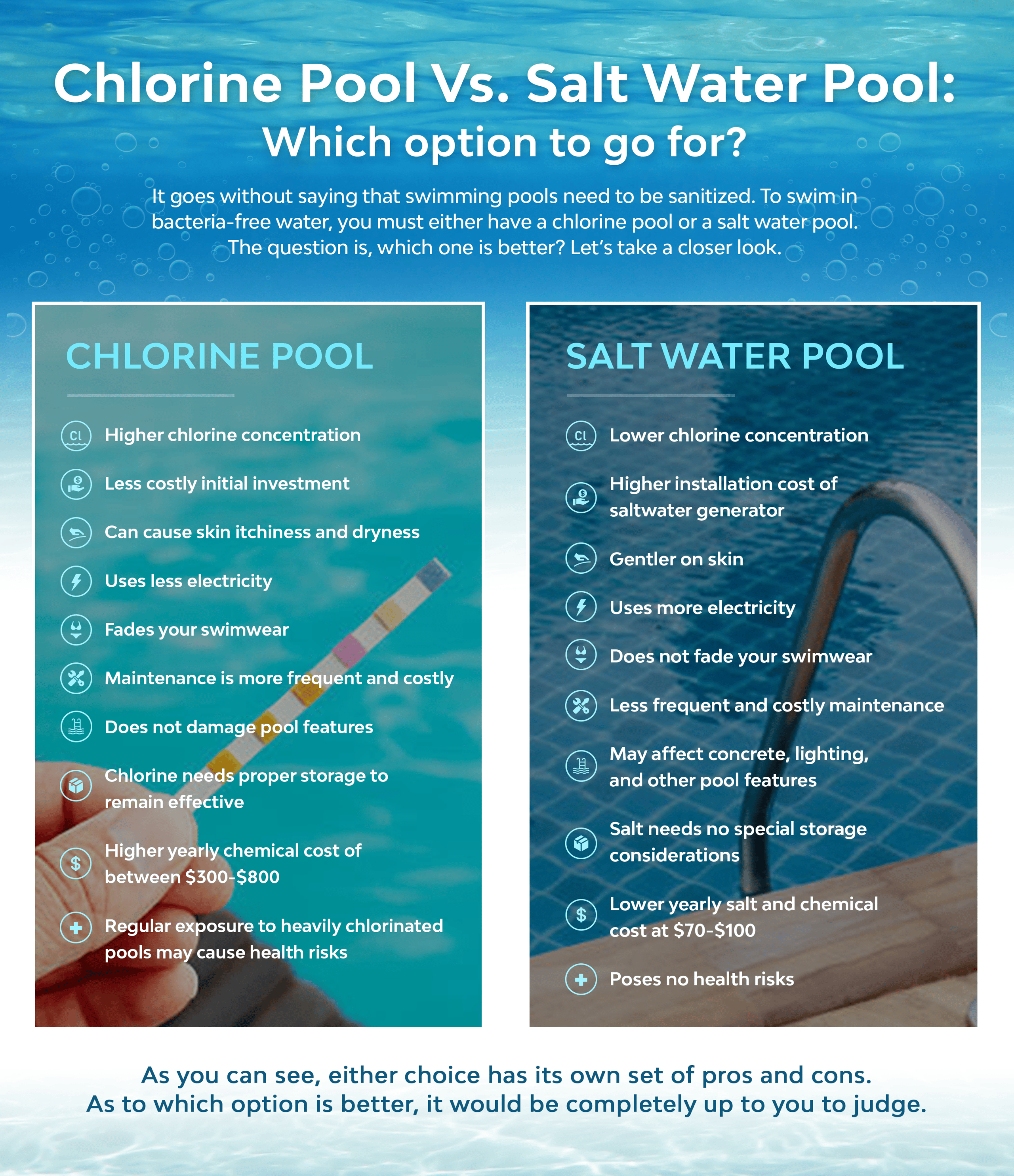
Unstabilized Chlorine: This category includes liquid chlorine (sodium hypochlorite, similar to household bleach but stronger) and calcium hypochlorite (cal-hypo) granules. These forms deliver potent, fast-acting chlorine without a stabilizer. Liquid chlorine is often favored for its ease of dosing in automated systems, while cal-hypo is popular for shocking pools due to its rapid dissolution. A significant drawback is their rapid degradation under UV light, making them less efficient in outdoor pools without a stabilizer.
-
Stabilized Chlorine: Dichlor (sodium dichloroisocyanurate) and trichlor (trichloroisocyanuric acid) are popular choices, especially for outdoor pools. They contain cyanuric acid (CYA), a “sunscreen” for chlorine that protects it from being broken down by the sun’s UV rays, significantly extending its lifespan. Trichlor is commonly found in tablet or stick form, releasing chlorine slowly, while dichlor is often granular. While convenient, the continuous addition of CYA through these products requires careful monitoring, as excessively high CYA levels can “over-stabilize” the water, reducing chlorine’s effectiveness.
-
Salt Chlorine Generators: These systems represent a more technologically advanced approach. Instead of adding chlorine directly, they use electrolysis to convert dissolved salt (sodium chloride) in the pool water into chlorine gas, which then forms hypochlorous acid. This provides a continuous, on-demand supply of chlorine, eliminating the need for regular manual dosing of traditional chlorine products. Salt systems are prized for their convenience and for producing water that often feels softer and less irritating to the skin and eyes.
Regardless of the type used, several factors profoundly influence chlorine’s effectiveness. pH levels are paramount; chlorine is most potent when the pH is between 7.4 and 7.6. Outside this range, its ability to sanitize diminishes significantly. Cyanuric acid (CYA) levels must be monitored to ensure stabilization without over-stabilization. Water temperature and bather load also play roles, with warmer water and more swimmers consuming chlorine more rapidly. Proper understanding and management of these variables are essential for maximizing chlorine’s sanitizing power and maintaining a healthy pool environment.
Tech-Driven Pool Maintenance: Innovating Chlorine Management
The digital age has brought significant transformation to pool maintenance, elevating the task from a purely manual, chemical-intensive chore to an integrated, data-driven process. Technology now plays a pivotal role in optimizing chlorine management, offering precision, efficiency, and peace of mind previously unattainable.
Smart Sensors and Automated Dosing Systems
The advent of smart pool technology has revolutionized how chlorine levels are monitored and maintained. Central to this revolution are sophisticated sensors capable of real-time analysis of water chemistry. These include:
- pH Sensors: Continuously measure the acidity or alkalinity of the water, crucial for chlorine efficacy and swimmer comfort.
- ORP (Oxidation-Reduction Potential) Sensors: Directly measure the sanitizing power of the water, providing a more accurate indicator of chlorine’s effectiveness than simply measuring chlorine concentration.
- Temperature Sensors: Monitor water temperature, which affects chemical reaction rates and chlorine demand.
These sensors, often integrated with smart home ecosystems or dedicated pool management platforms, transmit data wirelessly to a central control unit or a mobile app. This real-time information allows for instantaneous adjustments, preventing the roller-coaster effect of manual dosing.
Automated dosing systems work in conjunction with these sensors. Peristaltic pumps or solenoid valves precisely inject liquid chlorine, acid (to lower pH), or碱 (to raise pH) into the water as needed, maintaining optimal chemical balance around the clock. Some advanced systems can even monitor and adjust levels of calcium hardness or alkalinity. The benefits are manifold: consistent water quality, reduced manual labor, minimized chemical waste through precision dosing, and a significant reduction in the likelihood of chemical imbalances that can lead to costly repairs or replacements of pool equipment. For instance, maintaining proper pH not only ensures chlorine effectiveness but also prevents corrosion of heaters and etching of pool surfaces, protecting a significant financial investment.
AI, Software, and Apps for Predictive Pool Care
Beyond real-time monitoring and automated dosing, the integration of artificial intelligence (AI), specialized software, and mobile applications is pushing pool care into a new era of predictive and proactive management.
- Mobile Apps for Tracking and Reminders: A multitude of apps allow pool owners to log chemical readings, track usage, and receive personalized recommendations. These apps often feature calculators for chemical additions, troubleshooting guides, and reminders for routine tasks, transforming a complex chore into a streamlined process.
- AI for Optimized Dosing and Maintenance: More advanced systems incorporate AI algorithms that analyze a wider array of data points. This includes historical chemical readings, current sensor data, local weather forecasts (e.g., predicting increased chlorine demand during sunny periods or after rain), and even estimated bather loads. By crunching these variables, AI can predict future chemical needs and optimize dosing schedules, preventing issues before they arise. For example, an AI system might recommend a preemptive chlorine boost before a predicted heatwave or a busy weekend.
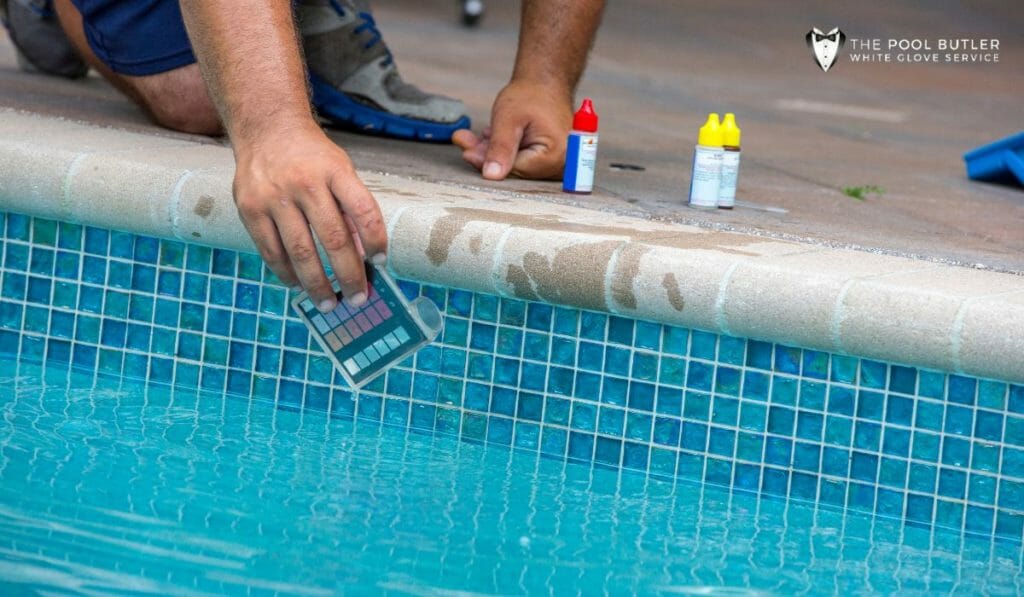
- Digital Test Kits and Connectivity: Modern digital test kits can provide highly accurate readings without the subjective interpretation required by colorimetric strips. Many connect via Bluetooth to mobile apps, automatically logging data and offering immediate, data-driven advice. This integration reduces human error and enhances the overall precision of pool chemistry management.
- Enhanced Digital Security: As pool systems become increasingly connected, the concept of digital security becomes relevant. Protecting these smart systems from unauthorized access or malfunctions is crucial to ensure reliable operation and prevent potential disruptions in chemical dosing, which could lead to unsafe water conditions. Manufacturers are increasingly focusing on robust cybersecurity measures for their connected pool gadgets and software.
The synergy of these technologies transforms pool maintenance from a reactive, manual task into a proactive, intelligent system. This not only enhances the swimming experience but also contributes to long-term cost savings by optimizing chemical usage and extending the life of pool infrastructure.
Branding and Reputation: The Visible Impact of Pool Chemistry
In an age where experiences are shared instantly and reviews dictate choices, the quality of a pool transcends mere functionality to become a critical component of personal and corporate branding. The chemical balance, primarily driven by chlorine, directly influences a pool’s aesthetic appeal, safety, and ultimately, its perceived value and the reputation of its owner or operator.
For Homeowners: Personal Branding and Lifestyle
For many homeowners, a swimming pool is more than just a recreational feature; it’s a lifestyle statement, a source of pride, and a focal point for social gatherings. A meticulously maintained pool with crystal-clear water directly reflects on the homeowner’s attention to detail, responsibility, and commitment to providing a safe and enjoyable environment for family and guests.
- A Statement of Home Pride: A sparkling, inviting pool enhances curb appeal and speaks volumes about the care given to the entire property. It’s an extension of personal branding, signaling a homeowner’s dedication to creating a beautiful and welcoming home. Conversely, a green, cloudy, or odorous pool can detract significantly from a home’s overall impression, subtly damaging the homeowner’s perceived reputation among neighbors and visitors.
- Safety and Hospitality: Ensuring the pool water is clean and safe is a fundamental aspect of hospitality. Guests feel secure knowing they are swimming in properly sanitized water. A homeowner who prioritizes water chemistry builds trust and reinforces their image as a thoughtful and responsible host. Neglecting chlorine levels, leading to eye irritation or skin issues, can quickly erode this trust and create an unpleasant experience that guests are unlikely to forget positively.
- Reputation Management: In community settings or within social circles, a homeowner’s pool often becomes a topic of conversation. A well-maintained pool garners positive comments and admiration, contributing positively to the homeowner’s social standing. In the age of social media, photos and videos of gatherings by a pristine pool can indirectly enhance one’s personal brand, showcasing a desirable lifestyle. The opposite is also true; stories of poorly maintained pools can spread just as quickly, albeit with negative consequences.
For Businesses: Corporate Identity and Customer Experience
For hotels, resorts, public aquatic centers, and gyms, swimming pools are often flagship amenities that significantly contribute to their corporate identity and directly impact customer satisfaction and loyalty. Chlorine management is not just a maintenance task; it’s a core component of their brand promise.
- Cleanliness as a Core Brand Promise: For any commercial establishment offering a pool, cleanliness and safety are non-negotiable. A hotel advertises a luxurious experience; a dirty pool instantly undermines that promise. A public facility promises a healthy environment; a poorly chlorinated pool risks public health and trust. These establishments understand that a clean, clear, and odor-free pool is a visible manifestation of their commitment to quality and guest well-being.
- Impact on Guest Reviews and Brand Image: In the era of online reviews (TripAdvisor, Google Reviews, Yelp), a pool’s condition can make or break a business’s reputation. Negative comments about cloudy water, strong chemical odors, or skin irritation due to improper chlorine levels can quickly go viral, deterring potential customers and causing significant damage to the brand. Conversely, glowing reviews praising an inviting and well-maintained pool can be a powerful marketing tool, attracting new patrons and reinforcing a positive brand image.
- Marketing Safe and Inviting Environments: Businesses actively market their pool facilities, often highlighting crystal-clear water and comfortable swimming conditions. This marketing implicitly relies on effective chlorine management. The perception of a safe and enjoyable aquatic experience directly translates into bookings, memberships, and repeat business.
- Case Studies in Reputation: Consider two contrasting scenarios: a resort known for its pristine, award-winning pool (a direct result of meticulous chemistry and investment in staff/tech) versus one frequently cited for complaints about its murky water. The former reinforces a high-end brand identity and commands premium pricing, while the latter struggles with occupancy and brand loyalty, illustrating the direct financial and reputational consequences of chlorine management. Effective pool chemistry, therefore, is not merely operational; it is strategic, shaping how a brand is perceived and valued in the marketplace.
The Financial Equation: Investing in Optimal Pool Chemistry
While often viewed as an ongoing expense, managing chlorine effectively is fundamentally an exercise in astute financial planning and investment. The choices made regarding chemical types, maintenance practices, and technological adoption directly impact both short-term outlays and long-term financial health for pool owners and businesses alike.
Cost-Effectiveness Through Smart Management
The initial cost of chlorine and other pool chemicals can add up, but smart management strategies can transform these recurring expenses into wise investments that yield significant savings.
- Avoiding Costly Mistakes: One of the most significant financial benefits of proper chlorine management is the prevention of expensive problems. An under-chlorinated pool is an open invitation for algae blooms. Eradicating a severe algae problem requires massive amounts of shock chlorine, algaecides, and often professional labor, costing significantly more than maintaining appropriate levels daily. Similarly, improper pH levels (often exacerbated by incorrect chlorine dosing) can lead to corrosion of expensive heaters, pumps, and filters, or etching/staining of pool surfaces, necessitating costly repairs or premature replacements. Investing in consistent, optimal chemistry is preventative medicine for your pool, saving you from much larger expenditures down the line.
- Optimizing Chemical Usage: Smart pool technology, as discussed earlier, plays a crucial role here. Automated dosing systems and AI-driven predictive analytics ensure that chemicals are added precisely when and where needed, eliminating waste from over-dosing. For example, knowing the exact ORP level allows for fine-tuning chlorine additions rather than guessing, reducing overall consumption. Stabilized chlorine, while more expensive per pound, offers UV protection that can lead to less frequent dosing compared to unstabilized chlorine in outdoor pools, resulting in overall savings.
- Long-Term Savings from Quality Chemicals and Smart Tech: While high-quality chemicals or an automated salt chlorine generator might have a higher upfront cost, they often provide better performance, require less frequent application, and contribute to a more stable chemical environment. This leads to less corrective action and extended equipment lifespan. The return on investment (ROI) for smart pool tech, such as automated pH and ORP controllers, can be realized through reduced chemical consumption, lower labor costs (for commercial pools), and fewer equipment failures, which translates into substantial savings over several years.
Budgeting and Financial Planning for Pool Owners and Businesses
Effective chlorine management requires a financial framework, whether for a household budget or a large commercial enterprise.
- Estimating Annual Chemical Costs: Both individual pool owners and businesses should create a realistic annual budget for pool chemicals, including chlorine, pH adjusters, alkalinity increasers, calcium hardness increasers, and specialty chemicals. Factors like pool size, bather load, local climate, and the chosen chlorine type will influence these estimates.
- ROI of Automated Systems vs. Manual Labor: For businesses, the decision to invest in automated chemical feeders or salt chlorine generators often comes down to an ROI calculation. While these systems have an initial capital expenditure, they can significantly reduce labor costs associated with manual testing and dosing, minimize chemical waste, and improve water quality consistency, leading to higher customer satisfaction and fewer liability concerns. Over time, the operational savings can easily outweigh the initial investment.
- Financial Tools and Apps for Tracking Expenses: Just as individuals use budgeting apps for personal finance, pool owners can leverage digital tools to track their chemical purchases, service costs, and energy consumption related to the pool. This helps in identifying spending patterns, optimizing procurement, and making informed decisions about future investments or adjustments to maintenance routines. For businesses, integrating pool maintenance costs into broader financial management software allows for comprehensive analysis of operational expenses and profitability.
- Potential for Online Income/Side Hustles in Pool Care: Understanding pool chemistry and maintenance can even open avenues for online income or side hustles. Skilled individuals can offer consulting services, online tutorials, or even sell specialized pool care products and equipment through e-commerce platforms. For established pool service businesses, optimizing chemical procurement and service delivery directly impacts their bottom line and market competitiveness.
In conclusion, “what does chlorine do in pools?” is a question that opens the door to a holistic understanding of modern living. Beyond its fundamental chemical duty as a sanitizer, chlorine’s management is inextricably linked to technological innovation, safeguarding brand reputation, and making financially astute decisions. From the precise measurements of smart sensors and the predictive power of AI to the pristine image projected by a well-maintained pool and the long-term savings reaped from intelligent investment, chlorine stands at the nexus of a truly integrated approach to pool ownership and management in the 21st century. It underscores that responsible pool care is not just about clean water, but about leveraging the best of technology, upholding a stellar brand, and ensuring sound financial stewardship.
aViewFromTheCave is a participant in the Amazon Services LLC Associates Program, an affiliate advertising program designed to provide a means for sites to earn advertising fees by advertising and linking to Amazon.com. Amazon, the Amazon logo, AmazonSupply, and the AmazonSupply logo are trademarks of Amazon.com, Inc. or its affiliates. As an Amazon Associate we earn affiliate commissions from qualifying purchases.