
In the rapidly evolving landscape of digital communication, the bridge between consumer culture and corporate identity is increasingly built on language. For marketing executives and brand strategists, understanding the latest vernacular is no longer just a matter of staying “hip”; it is a fundamental requirement for maintaining cultural relevance. One term that has dominated the digital zeitgeist is “bussin.” While it may seem like a fleeting internet whim, the integration of such slang into brand strategy represents a complex shift in how companies interact with younger demographics.

Decoding “Bussin”: Why Slang Matters to Brand Identity
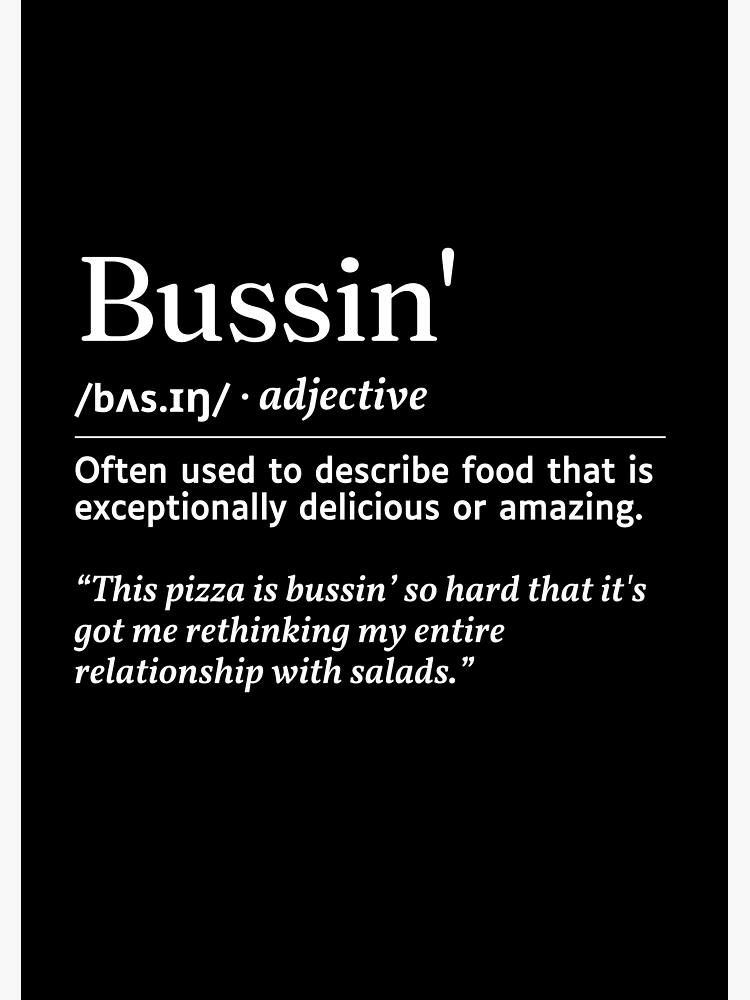
To effectively use a term like “bussin” in a brand context, one must first understand its nuanced meaning and origins. In its simplest form, “bussin” is an adjective used to describe something—most often food—that is exceptionally good, flavorful, or impressive. However, for a brand, the definition is only the starting point. The strategic value lies in the cultural weight the word carries.
The Origins and Evolution of the Term
“Bussin” originated within African American Vernacular English (AAVE). Historically, it has been used to describe high-quality culinary experiences. Its transition into the mainstream was accelerated by platforms like TikTok and Instagram, where food reviewers and Gen Z influencers adopted the term to signal authentic enthusiasm. For brand strategists, recognizing the AAVE roots of such terminology is crucial for avoiding accusations of cultural appropriation or “columbus-ing”—the act of “discovering” something that has existed in another culture for decades.
From AAVE to Mainstream Marketing
The journey of “bussin” from a specific cultural dialect to a global marketing buzzword illustrates the speed of modern trend cycles. When a word goes viral, its “cool factor” has a shelf life. Brands that jump on a term too early may seem confusing to their broader audience, while those that adopt it too late risk appearing out of touch. The strategic challenge is identifying the “sweet spot” where the term is recognized by the target demographic but hasn’t yet reached the point of saturation or “cringe.”
The High-Stakes Game of Conversational Marketing
In the era of social commerce, the “wall” between a brand and a consumer has collapsed. Brands are now expected to post, comment, and joke like human beings. This shift toward conversational marketing makes slang a powerful, albeit dangerous, tool in a brand’s arsenal.
Building Authenticity with Gen Z Consumers
Gen Z, currently the most significant emerging consumer block, possesses a highly refined “authenticity radar.” They can instantly detect when a brand is trying too hard to sell to them. Using “bussin” in a product description or a social media caption can signal that a brand speaks the same language as its audience. When a fast-food brand describes a new menu item as “straight bussin,” it isn’t just describing the taste; it is attempting to align its brand identity with the energy and aesthetics of youth culture.
The Risks of “Brand Cringe”
The term “cringe” is the ultimate deterrent in modern branding. It occurs when a corporate entity uses slang incorrectly, out of context, or in a way that feels forced. If a luxury financial services firm suddenly starts using “bussin” to describe high-yield savings accounts, the cognitive dissonance creates a negative brand perception. This “uncanny valley” of marketing—where a brand looks human but feels artificial—can lead to memes mocking the company, which can take months of PR work to rectify. Strategic brand identity requires a deep understanding of whether a specific slang term fits the established Brand Voice (ToV).
Strategic Implementation: When and How to Use Slang
Integrating slang like “bussin” into a brand strategy should never be an impulsive decision by a social media manager. It requires a structured approach rooted in data and audience persona analysis.
Analyzing the Target Audience
Before adopting any new vernacular, a brand must conduct a thorough audit of its primary and secondary demographics. Is the audience primarily Gen Z and younger Millennials? If so, terms like “bussin,” “no cap,” or “bet” might be appropriate. However, if the brand serves a more traditional or older demographic, using such slang might alienate the core customer base. A data-driven approach involves sentiment analysis and social listening to see if the brand’s followers are already using this language in their interactions with the company.
Medium-Specific Messaging: TikTok vs. LinkedIn
A cohesive brand strategy recognizes that language must be adapted to the platform. What works on TikTok rarely works on LinkedIn.
- TikTok/Reels: These platforms are the natural habitat of “bussin.” Here, the tone is informal, fast-paced, and visual. Slang feels native to the environment.
- X (Twitter): This platform allows for more snark and brand-on-brand interaction, where slang can be used for engagement and “ratioing” competitors.
- Corporate Website/LinkedIn: Here, the brand identity should remain more professional. Using “bussin” in a quarterly earnings report or a LinkedIn thought-leadership piece would likely undermine the brand’s authority and perceived stability.
Case Studies in Cultural Fluency
To understand the practical application of this strategy, we can look at how various industries have handled the “slang pivot.”
Brands That Mastered the Vernacular
Fast-food and “fast-casual” brands have been the leaders in this space. Companies like Wendy’s, Chipotle, and Wingstop have successfully integrated Gen Z slang into their personas. They don’t just use the words; they participate in the culture. When Wingstop uses “bussin” to describe a new dry rub, it feels earned because their entire brand persona is built on being “the plug” for wings. They have successfully shifted their corporate identity from a sterile food provider to a culturally aware entity.
Lessons from Missed Opportunities
Conversely, several legacy brands have faced backlash for “forced” slang. When a major healthcare provider or an insurance company tries to use “bussin” to describe a colonoscopy or a life insurance policy, the results are predictably disastrous. These instances serve as a reminder that slang is a tool for connection, not just a trendy coat of paint. If the product or service doesn’t naturally evoke the emotion the slang suggests (in the case of “bussin,” high-quality enjoyment), the marketing will fall flat.
The Future of Brand Voice in a Rapidly Evolving Digital Landscape
As we look toward the future, the speed at which slang like “bussin” enters and exits the lexicon will only increase. This creates a paradox for brand strategists: how do you build a stable brand identity in a world of unstable language?
Staying Relevant Without Losing Brand Integrity
The key to long-term brand equity is not chasing every trend, but developing a “Cultural Intelligence” (CQ) framework. This means having a team that understands the nuance, the history, and the shelf-life of digital trends. A brand should not change its identity to fit a slang term; rather, it should evaluate if a slang term fits its existing identity. If “bussin” aligns with your brand’s values of flavor, excitement, and youthfulness, it should be used. If your brand is about heritage, reliability, and tradition, it is better to skip the trend and maintain your professional stance.
The Role of AI and Sentiment Analysis in Modern Branding
Technology is now playing a major role in how brands navigate these linguistic waters. Advanced AI tools can now perform real-time sentiment analysis, telling a brand exactly when a word like “bussin” has peaked in popularity and when it has started to take on negative connotations. By leveraging these tech tools, brand managers can make informed decisions about when to retire certain words from their vocabulary, ensuring they are always on the leading edge of the curve rather than trailing behind it.
In conclusion, “bussin” is more than just a piece of internet slang; it is a microcosm of the modern branding challenge. To thrive in a digital-first economy, brands must communicate with their audience in a way that feels human and authentic. However, this must be balanced with a rigorous strategic framework that prioritizes brand integrity and cultural respect. The brands that master this balance will not only be “bussin” in the eyes of their customers—they will build lasting loyalty that transcends the latest viral trend.
aViewFromTheCave is a participant in the Amazon Services LLC Associates Program, an affiliate advertising program designed to provide a means for sites to earn advertising fees by advertising and linking to Amazon.com. Amazon, the Amazon logo, AmazonSupply, and the AmazonSupply logo are trademarks of Amazon.com, Inc. or its affiliates. As an Amazon Associate we earn affiliate commissions from qualifying purchases.