
On the surface, “broasted” might sound like a culinary quirk, a portmanteau born from a late-night kitchen experiment, or perhaps even a typo. For many, it evokes the image of a crispy, succulent piece of chicken, distinct from its deep-fried or oven-roasted counterparts. But what exactly does broasted mean? Beyond its simple definition as a cooking method, the term “broasted” unravels a fascinating tapestry woven with threads of culinary science, innovative technology, shrewd brand strategy, and compelling financial opportunities. In an era where technology reshapes industries, brands compete for every sliver of consumer attention, and financial acumen is paramount, even a seemingly straightforward cooking technique like broasting reveals itself to be a surprisingly rich subject, ripe for exploration through the lenses of tech, branding, and money.
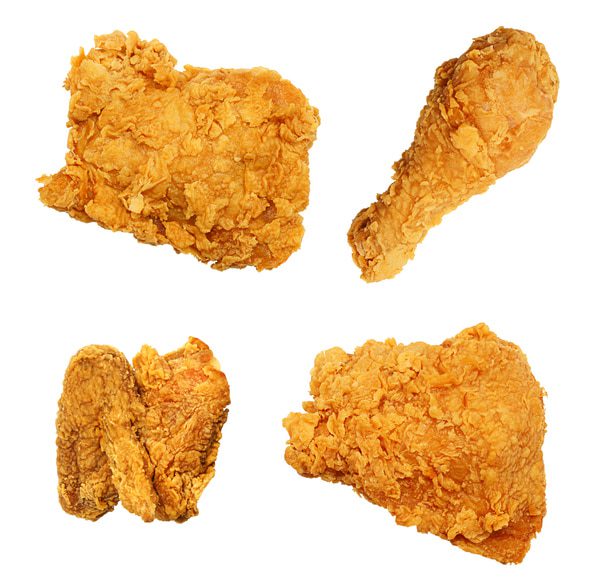
At its core, “broasted” refers to a specific method of cooking, most famously applied to chicken, that combines elements of pressure cooking with deep frying. The result is a product that boasts a uniquely tender, juicy interior and a crispy, flavorful exterior, often perceived as less greasy than conventionally deep-fried alternatives. While the term itself is often associated with the Broaster Company, which popularized the technique and manufactures the specialized equipment, the underlying principles of pressure frying have a broader application. It’s this blend of traditional cooking with ingenious engineering that allows us to delve deeper, uncovering how this culinary concept resonates across the domains of technology, brand identity, and financial viability.
The Culinary Science & Tech Behind “Broasted”
The “broasted” method is not merely a fancy name; it represents a clever application of scientific principles and engineering to achieve a superior culinary outcome. Understanding this process allows us to appreciate how technology has, and continues to, elevate our gastronomic experiences, from professional kitchens to our very own homes.
A Fusion of Methods: Pressure Frying Explained
To broast means to cook food, typically chicken, in a specially designed pressure fryer. This equipment operates by simultaneously deep-frying and pressure cooking. Here’s a breakdown of the ingenious process:
- Preparation: Pieces of chicken are typically marinated or breaded with a special coating designed to adhere well under pressure.
- Immersion and Sealing: The chicken is placed into a deep fryer containing hot oil, and then the lid is sealed, creating a pressurized environment.
- Simultaneous Cooking: Inside the sealed unit, the oil rapidly heats the chicken, beginning the frying process. Concurrently, the pressure builds, which forces moisture and flavor deep into the meat. The higher pressure also means that the cooking temperature can be maintained at a slightly lower point than traditional deep frying, yet the cooking time is significantly reduced. This is a critical factor in achieving tenderness without overcooking.
- Result: The pressure prevents excessive oil absorption, leading to a less greasy product. The high heat of the oil ensures a beautifully crispy exterior, while the pressure cooking element locks in moisture, resulting in an exceptionally juicy and tender interior. It’s the best of both worlds: the flavor and crispness of fried chicken combined with the succulence and reduced cooking time of pressure cooking.
The scientific advantage lies in the interplay of heat, pressure, and moisture. The pressurized environment raises the boiling point of water within the chicken, preventing rapid evaporation. This retains natural juices and flavors that might otherwise escape during conventional frying. Simultaneously, the hot oil quickly crisps the exterior, creating a protective crust. This dual action is what differentiates broasted items, offering a distinct textural and flavor profile.
Innovating the Kitchen: From Fryers to AI
The “broasted” method, though rooted in a specific piece of equipment, serves as an excellent case study for how technology continually pushes the boundaries of food preparation. From the evolution of the pressure fryer itself to the integration of cutting-edge software and artificial intelligence, the kitchen, much like any other industry, is a hub of technological innovation.
Initially, the Broaster Company’s proprietary equipment was a significant technological leap. These specialized fryers were engineered for precision, safety, and efficiency, offering restaurateurs a consistent product. Modern broasting equipment continues this legacy, incorporating advanced features such as:
- Smart Controls and IoT Integration: Contemporary pressure fryers often come equipped with digital interfaces, precise temperature controls, and programmable cooking cycles. Some advanced models can even be integrated into a restaurant’s Internet of Things (IoT) network. This allows kitchen managers to monitor oil quality, cooking times, and energy consumption remotely, ensuring optimal performance and predictive maintenance. Data collected from these devices can inform purchasing decisions, optimize staff scheduling, and identify potential inefficiencies, turning raw kitchen data into actionable business intelligence.
- Energy Efficiency: As sustainability becomes a critical concern, newer broasting systems are designed to be more energy-efficient, minimizing waste heat and optimizing fuel consumption. This not only reduces operational costs but also aligns with broader environmental goals.
- AI in Recipes and Food Optimization: Beyond the hardware, software and AI are beginning to revolutionize food preparation at a more fundamental level. Imagine AI algorithms that analyze consumer preferences, ingredient availability, and nutritional requirements to suggest new broasted chicken marinades or spice blends. AI could optimize cooking parameters based on the specific cut of chicken, its starting temperature, and even ambient kitchen conditions, ensuring perfect consistency every time. For large-scale operations, AI-powered inventory management systems can predict demand, minimize food waste, and automate ordering processes for ingredients, including those specialized for broasting.
- Digital Security for Culinary IP: In a competitive food market, proprietary recipes and unique cooking methods are valuable intellectual property. Protecting the “broasted” technique or specific spice blends used in conjunction with it requires robust digital security measures. This extends from secure cloud storage for recipes and business plans to safeguarding the software that runs smart kitchen equipment from cyber threats.
- Consumer Technology and the “Broasted” Principle: While dedicated pressure fryers are primarily commercial, the spirit of broasting—achieving crispy, juicy results with less oil—has permeated consumer technology. Air fryers, for instance, are a ubiquitous home appliance that, while not strictly broasting, embody the desire for healthier fried foods. These gadgets use convection heat to mimic deep-frying textures with significantly less oil, appealing to the health-conscious consumer. The development of pressure cookers with built-in air frying capabilities further blurs the lines, bringing elements of the broasting concept into the average home kitchen, demonstrating how professional culinary tech trickles down to enhance everyday cooking productivity.
Branding “Broasted”: Crafting Identity and Appetite
In a crowded marketplace, where every restaurant claims to offer the “best” fried chicken, simply having a superior product isn’t enough. The concept of “broasted” food, particularly chicken, provides a fascinating lens through which to examine brand strategy, corporate identity, and the power of marketing in the food industry. Building a brand around a specific cooking method requires more than just good food; it demands a compelling narrative, a distinct visual identity, and a consistent promise to the consumer.
The Art of Culinary Branding
The term “broasted” itself, often capitalized as Broaster, is a registered trademark of the Broaster Company, which licenses its equipment and branding to restaurants globally. This immediately establishes a framework for brand building:
- Unique Selling Proposition (USP): The core of the “Broasted” brand strategy is its USP: a distinct cooking method that delivers a superior product – “crispy outside, juicy inside, and less greasy.” This isn’t just about taste; it’s about a perceived health benefit and a unique texture that sets it apart. The brand successfully communicated that “Broasted Chicken” isn’t just fried chicken; it’s better fried chicken.
- Corporate Identity and Consistency: For licensed operators, adherence to the Broaster Company’s standards for equipment, ingredients (e.g., specific coatings), and branding elements ensures a consistent customer experience. This consistency builds trust and recognition. The visual identity – logos, signage, menu design – plays a crucial role in conveying this specialized, premium offering. It tells a story of quality, tradition, and innovation.
- Storytelling and Heritage: A strong brand often has a compelling story. For “Broasted,” this could involve emphasizing its origins, the patented technology, or the decades of satisfied customers. This narrative helps consumers connect emotionally with the product, seeing it as more than just a meal, but as part of a culinary legacy.
- Perceived Value: Because “broasted” often implies a unique process and specialized equipment, it can command a premium price. The brand’s messaging reinforces this value, positioning it as a distinct and worthwhile choice compared to generic fried chicken.
Beyond the specific Broaster Company, restaurants that independently specialize in pressure-fried chicken can also build their own brand around the method. They might highlight their “secret recipe,” the freshness of their ingredients, or a unique blend of spices, all while leveraging the understood benefits of pressure frying. This personal branding for chefs and food entrepreneurs is critical, turning their culinary expertise into a marketable identity.
Digital Presence & Reputation in the Food Industry
In today’s digital age, a restaurant’s physical presence is only one part of its brand strategy. How “broasted” businesses present themselves online and manage their digital reputation is paramount to their success.
- Social Media Marketing: Food is inherently visual, making platforms like Instagram, TikTok, and Facebook ideal for showcasing broasted products. High-quality food photography and videography demonstrating the crispy exterior and juicy interior can drive significant engagement. Short, engaging videos showing the broasting process – from preparation to the golden-brown finish – can captivate audiences. Influencer collaborations with food bloggers or local personalities can generate authentic buzz and reach new demographics. Hashtags like #BroastedChicken, #PressureFried, or unique restaurant-specific tags help build community and discoverability.
- Content Marketing: Restaurants can create valuable content that educates and entertains. Blog posts discussing the history of broasting, the science behind it, or even pairing suggestions can position the establishment as an authority. Recipe articles (for home versions using pressure cookers/air fryers, inspired by broasting) or behind-the-scenes glimpses into the kitchen can build transparency and trust.
- Online Reviews and Reputation Management: Platforms like Yelp, Google Reviews, and TripAdvisor are critical for food businesses. Positive reviews praising the “broasted” chicken’s taste, texture, and quality significantly influence potential customers. Conversely, negative reviews, if not addressed professionally and promptly, can damage a brand’s reputation. Implementing strategies for soliciting feedback, responding to reviews (both positive and negative), and actively monitoring online sentiment is crucial for maintaining a strong digital presence.
- SEO and Local Search: For brick-and-mortar restaurants, appearing high in local search results for terms like “broasted chicken near me” is vital. Optimizing Google My Business profiles, ensuring consistent name, address, and phone number (NAP) across all online directories, and generating local citations are essential SEO tactics.
- Personal Branding for Chefs and Food Entrepreneurs: Chefs specializing in broasted techniques can leverage their expertise to build personal brands. This might involve creating an online portfolio, publishing a cookbook, running a food blog or YouTube channel dedicated to unique cooking methods, or even offering online cooking classes. Their personal brand can amplify the reach and appeal of the food they create, connecting directly with a passionate audience interested in specific culinary techniques.
The Financial Flavor: Investing, Innovating, and Earning with Broasted
Beyond its culinary and branding appeal, the “broasted” concept offers a compelling case study in the financial landscape of the food service industry. From the initial investment in specialized equipment to the potential for lucrative side hustles, understanding the money aspect reveals the economic engine driving this unique cooking method.
Business Models & Investment Opportunities
Operating a “broasted” food business, particularly under a licensed model like that of the Broaster Company, involves distinct financial considerations and investment opportunities:
- Franchise and Licensing Models: The Broaster Company primarily operates through a licensing model, where restaurants purchase their specialized equipment and gain access to branding, recipes, and support. This represents a clear investment for restaurant owners. The financial appeal lies in joining an established brand with a proven product and marketing support, potentially reducing the risk associated with starting an entirely new concept. The initial capital outlay for equipment can be significant, but the return on investment can be attractive due to the product’s popularity and potentially higher profit margins.
- Economics of a Broasted Business:
- Equipment Costs: The specialized pressure fryers are an upfront investment. However, their efficiency (faster cooking, less oil absorption) can lead to long-term cost savings.
- Ingredient Sourcing: While the cooking method is unique, the core ingredients (chicken, flour, spices, oil) are standard. However, some licensed models might require specific, proprietary coatings or marinades, which could impact sourcing flexibility and cost.
- Labor Efficiency: The faster cooking time means kitchens can serve more customers in less time, potentially optimizing labor costs during peak hours.
- Profit Margins: Due to its unique quality and branding, broasted chicken can often be sold at a higher price point than generic fried chicken, contributing to healthier profit margins. The reduced oil absorption also means less frequent oil changes, saving on one of the most significant recurring costs in frying.
- Scalability: The standardized nature of the cooking process makes it highly scalable for multi-unit operations or even large catering events, offering avenues for business expansion.
- Investing in Food Service Technology: The broader trend of “broasted” food highlights the investment potential in food technology. Companies that innovate in commercial kitchen equipment (smart fryers, automated cooking solutions, energy-efficient appliances) or develop specialized food ingredients for unique cooking methods represent attractive investment targets for venture capitalists and private equity firms. Similarly, investment in software solutions for restaurant management – from inventory and supply chain optimization to customer relationship management and delivery platforms – can yield significant returns as the industry continues its digital transformation.
- Market Analysis and Trends: The continued demand for options that combine indulgence with perceived health benefits (less greasy fried chicken) makes the “broasted” segment resilient. Understanding consumer trends, such as the preference for convenience, quality, and unique dining experiences, can help investors identify profitable niches within the food service industry.
Broasted as a Side Hustle or Online Income Stream
The principles behind “broasted” food – specialized cooking, unique flavor, and strong branding – can also inspire individuals looking to generate online income or launch a side hustle, leveraging modern financial tools and platforms.
- Home-Based Food Business: For aspiring entrepreneurs, starting a small, home-based catering service or pop-up stand specializing in “broasted-style” chicken (using home pressure fryers or even adapting techniques for air fryers and pressure cookers) can be a viable side hustle. Local food regulations would need to be thoroughly investigated and adhered to, but the distinctiveness of the product could attract a loyal local clientele.
- Online Cooking Courses and Recipe E-books: Individuals passionate about the “broasted” technique or pressure frying in general can create and sell online cooking courses. These could range from beginner guides to advanced recipes, covering different ingredients and flavor profiles. E-books featuring unique “broasted” recipes or tips for achieving similar results with home equipment can also be a lucrative digital product, generating passive income. Platforms like Teachable, Udemy, or Gumroad make it easy to host and sell such content.
- Food Blogging and Vlogging: Leveraging the digital presence strategies discussed earlier, a food blogger or vlogger could specialize in reviewing “broasted” establishments, demonstrating “broasted-style” recipes for home cooks, or exploring the science behind pressure frying. Monetization can come from advertising revenue (Google AdSense), sponsored content, affiliate marketing (promoting kitchen gadgets, ingredients, or online food delivery services), or even crowdfunding through platforms like Patreon.
- Affiliate Marketing for Kitchen Gadgets: Given the interest in specific cooking methods, an individual could build an affiliate marketing business around kitchen appliances relevant to “broasting,” such as advanced pressure cookers, air fryers, or even commercial-grade fryers for small businesses. By creating content that reviews and compares these products, they can earn commissions on sales driven through their unique affiliate links.
- Financial Tools for Small Businesses: For those turning their passion for “broasted” food into a side hustle, modern financial tools are invaluable. Budgeting software helps track income and expenses, ensuring profitability. Online accounting apps simplify tax preparation and financial reporting. Payment processors like Square or Stripe facilitate seamless transactions for both online sales and in-person events. Investing in these digital financial tools streamlines operations and provides clear insights into the financial health of the venture.
In conclusion, “broasted” is far more than just a method of cooking; it’s a testament to innovation. It embodies how specific technological advancements can revolutionize a traditional process, how shrewd branding can elevate a product to premium status, and how robust financial models underpin success in the competitive food industry. From smart kitchen appliances powered by AI to compelling digital marketing campaigns and profitable business ventures, the unassuming term “broasted” opens a window into the dynamic interplay between technology, brand strategy, and financial opportunity in our modern world. It demonstrates that even the simplest culinary concepts can harbor a complex and fascinating ecosystem of innovation and enterprise.
aViewFromTheCave is a participant in the Amazon Services LLC Associates Program, an affiliate advertising program designed to provide a means for sites to earn advertising fees by advertising and linking to Amazon.com. Amazon, the Amazon logo, AmazonSupply, and the AmazonSupply logo are trademarks of Amazon.com, Inc. or its affiliates. As an Amazon Associate we earn affiliate commissions from qualifying purchases.