
In the ever-evolving landscape of wearable technology, understanding the metrics our devices track can feel like deciphering a new language. Among the most intriguing and, at times, mystifying, is Garmin’s “Body Battery” feature. Far from being just another number, Body Battery is a sophisticated physiological metric designed to provide a holistic view of your energy reserves, offering a powerful tool for optimizing your daily performance, recovery, and overall well-being. This article delves into the intricacies of Garmin’s Body Battery, exploring what it means, how it works, and why it’s becoming an indispensable companion for anyone looking to gain deeper insights into their body’s capacity.
The Science Behind Your Energy Gauge: Decoding Garmin’s Body Battery
At its core, Garmin Body Battery is an innovative feature that utilizes your heart rate variability (HRV), stress levels, sleep quality, and activity data to estimate your body’s energy reserves. Think of it as a real-time gauge, fluctuating throughout the day and night, indicating how “charged” or “drained” you are. This metric isn’t simply a measure of how tired you feel; it’s a dynamic representation of the interplay between your body’s physiological demands and its ability to recover.
Garmin’s algorithm synthesizes data from various physiological signals collected by your compatible Garmin device. The primary inputs include:
- Heart Rate Variability (HRV): This is perhaps the most crucial component. HRV measures the variation in time between your heartbeats. A higher HRV generally indicates a more resilient autonomic nervous system, suggesting your body is in a parasympathetic state (rest and digest), which is conducive to recovery. Conversely, a lower HRV can signal stress or exertion, pushing your body into a sympathetic state (fight or flight), depleting energy reserves. Garmin uses your baseline HRV to understand your typical recovery patterns.
- Stress Data: Your Garmin device continuously monitors your heart rate to infer your stress levels. High stress, whether physical or mental, taxes your body’s resources, leading to a decrease in Body Battery. Understanding your stress triggers and how they impact your energy is a key benefit of this feature.
- Sleep Quality: Garmin’s advanced sleep tracking monitors the different sleep stages (light, deep, REM) and the duration of your sleep. Quality sleep is essential for physiological restoration and replenishing energy stores. Poor sleep, or insufficient sleep duration, will significantly impact your Body Battery, leading to a lower starting point each day.
- Activity and Exercise: Intense physical activity, while beneficial for overall health, is a significant drain on your Body Battery. The duration and intensity of your workouts are factored into the calculation. Conversely, moderate, low-intensity activities might have a less pronounced impact or even contribute to a slight replenishment if your body is well-rested.
- Recovery: The body’s ability to recover from exertion is as important as the exertion itself. Garmin’s Body Battery takes into account how effectively your body is replenishing its energy stores during periods of rest and sleep.
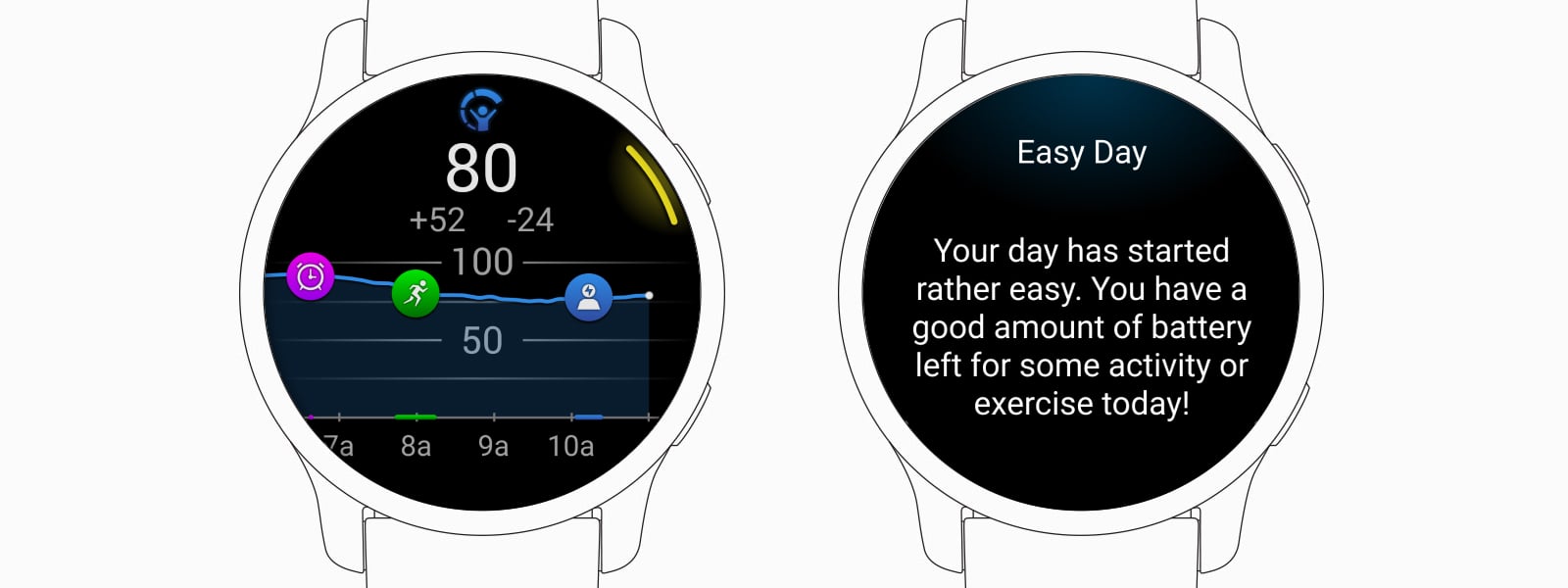
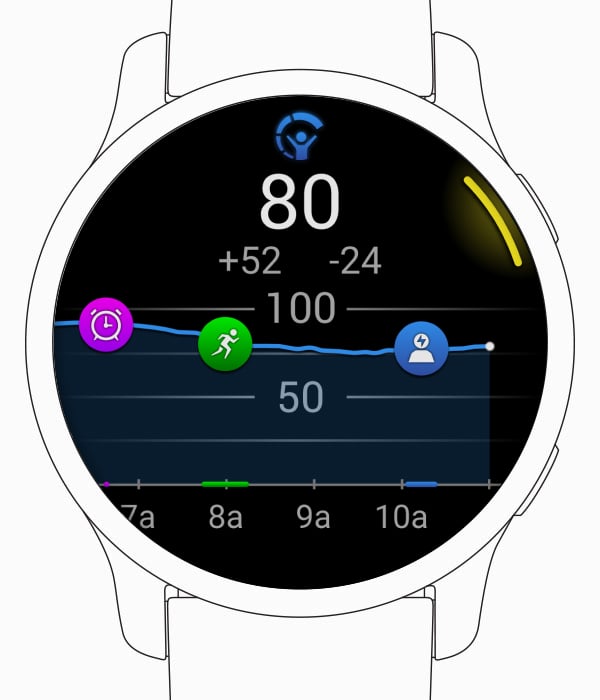
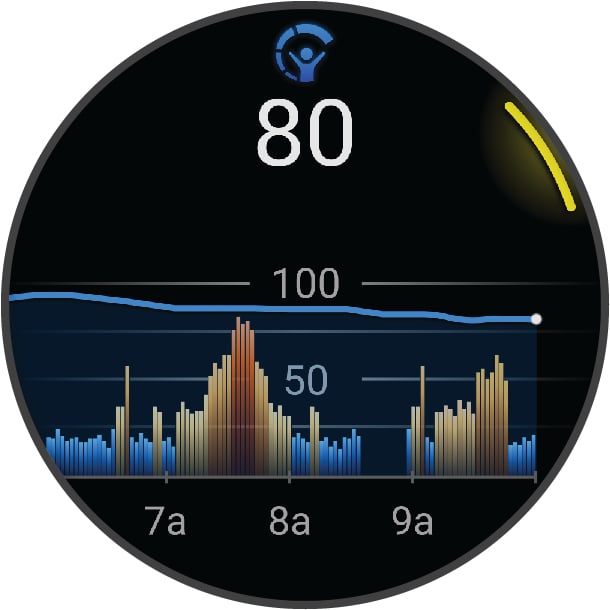
The Body Battery score ranges from 0 to 100. A score closer to 100 signifies that your body is well-rested and has abundant energy reserves. As your day progresses and you engage in activities, experience stress, or have poor sleep, your Body Battery will decrease. Conversely, periods of rest, good sleep, and low stress will allow your Body Battery to recharge.
Understanding the Dynamics of Your Energy Levels
The true power of Garmin Body Battery lies not just in its numerical output but in the patterns it reveals. By observing how your Body Battery fluctuates throughout the day and week, you can begin to make informed decisions about your lifestyle.
Identifying Your Energy Drains: What Lowers Your Body Battery?
Several factors can significantly deplete your Body Battery:
- Intense Physical Activity: This is a primary energy consumer. Pushing yourself during strenuous workouts will lead to a substantial drop in your Body Battery. The longer and more intense the exercise, the greater the depletion.
- Chronic Stress: Prolonged periods of mental or emotional stress place a continuous burden on your body’s systems. This constant activation of the sympathetic nervous system depletes resources and prevents effective recovery, leading to a persistently low Body Battery. Even seemingly minor daily stressors can accumulate.
- Poor or Insufficient Sleep: Sleep is your body’s primary recovery mechanism. If you’re not getting enough restorative sleep, or if your sleep quality is poor (frequent awakenings, lack of deep sleep), your Body Battery will not recharge effectively, resulting in a lower score at the start of the day.
- Illness or Injury: When your body is fighting off an illness or recovering from an injury, it diverts significant energy towards healing. This internal work can lead to a noticeable and sustained decrease in your Body Battery.
- Alcohol Consumption: While not always explicitly highlighted, alcohol can disrupt sleep quality and put a strain on your body’s systems, potentially impacting your Body Battery.
- Late-Night Eating or Heavy Meals Before Bed: Digesting a large meal can interfere with sleep quality, leading to less effective recovery.
Recognizing Your Energy Rechargers: What Boosts Your Body Battery?
Conversely, certain activities and states can help your Body Battery recover and increase:
- Quality Sleep: This is the most potent recharger. Aim for consistent, uninterrupted sleep that includes sufficient time in deep and REM sleep stages. Waking up feeling refreshed is a good indicator of effective sleep-driven replenishment.
- Periods of Rest and Relaxation: Taking breaks throughout the day, engaging in mindfulness, meditation, or simply sitting quietly can allow your body to shift into a parasympathetic state, aiding in recovery and increasing your Body Battery.
- Low-Intensity Activities: While intense workouts drain energy, gentle activities like walking or stretching can sometimes contribute to a slight recharge, especially if you’re well-rested. These activities can improve circulation and promote relaxation without overly taxing your system.
- Stress Management Techniques: Practicing stress-reduction techniques, such as deep breathing exercises, yoga, or spending time in nature, can help lower your stress levels and allow your Body Battery to recover.
- Hydration and Nutrition: While not directly measured by Body Battery, maintaining good hydration and a balanced diet provides your body with the necessary fuel and resources for optimal functioning and recovery.
Leveraging Body Battery for Peak Performance and Well-being
Understanding your Body Battery is more than just an academic exercise; it’s a practical tool for making tangible improvements in your daily life. By actively monitoring and interpreting your Body Battery readings, you can:
Optimizing Your Training and Activity Schedule
For athletes and fitness enthusiasts, Body Battery offers invaluable insights into training readiness.
- Know When to Push and When to Rest: If your Body Battery is low, it’s a strong signal that your body is fatigued. Pushing through a high-intensity workout in this state could lead to overtraining, injury, or reduced performance. Instead, consider a lighter workout, active recovery, or a complete rest day.
- Schedule Strategically: Use your Body Battery data to schedule your most demanding workouts for times when your energy reserves are highest. Conversely, plan lighter activities or rest when your Body Battery is depleted.
- Understand Recovery Needs: By observing how quickly your Body Battery recharges after different types of workouts, you can fine-tune your recovery strategies. This might involve adjusting your sleep schedule, incorporating specific recovery modalities, or refining your nutrition.
Enhancing Daily Productivity and Mental Clarity
The impact of Body Battery extends beyond physical activity, significantly influencing your mental performance.
- Manage Stress Effectively: When your Body Battery is consistently low, it’s often a sign of underlying stress. By identifying patterns of stress-induced depletion, you can implement strategies to mitigate its impact on your energy levels and cognitive function. This might involve prioritizing downtime, setting boundaries, or seeking support.
- Improve Decision-Making: Cognitive fatigue is directly linked to energy depletion. When your Body Battery is low, your ability to focus, concentrate, and make sound decisions can be compromised. Understanding this connection can help you schedule demanding cognitive tasks for periods when your energy is high.
- Prevent Burnout: By heeding the warnings of a consistently low Body Battery, you can proactively take steps to prevent burnout. This involves recognizing the importance of rest and recovery not as a luxury, but as a necessity for sustained productivity and well-being.
Improving Sleep Hygiene and Overall Health
Body Battery acts as a feedback loop for your sleep habits.
- Highlight Sleep Deficiencies: If you consistently wake up with a low Body Battery, it’s a clear indicator that your sleep is not adequately restorative. This can prompt you to investigate your sleep environment, pre-sleep routine, and overall sleep hygiene.
- Motivate Better Sleep Habits: The tangible impact of poor sleep on your Body Battery can be a powerful motivator to prioritize sleep. You might find yourself more inclined to stick to a consistent sleep schedule and create a more conducive sleep environment when you see the direct benefits in your energy levels.
- Holistic Health Awareness: Ultimately, Body Battery encourages a more holistic approach to health. It reminds you that physical health, mental well-being, and recovery are intrinsically linked and that neglecting one will inevitably impact the others.
Garmin’s Body Battery is a testament to the power of data-driven insights in understanding and managing our own physiology. By demystifying this feature and actively engaging with the data it provides, you can unlock a deeper understanding of your body’s capabilities, optimize your daily routines, and ultimately, lead a more energized and fulfilling life. It’s more than just a number; it’s your personal energy compass, guiding you towards better performance, improved recovery, and enhanced overall well-being.
aViewFromTheCave is a participant in the Amazon Services LLC Associates Program, an affiliate advertising program designed to provide a means for sites to earn advertising fees by advertising and linking to Amazon.com. Amazon, the Amazon logo, AmazonSupply, and the AmazonSupply logo are trademarks of Amazon.com, Inc. or its affiliates. As an Amazon Associate we earn affiliate commissions from qualifying purchases.