
The pungent, sharp, and often unmistakable aroma of bleach is something most people encounter with a degree of recognition, if not always affection. While a common household product, the scent itself is a complex chemical signature, and understanding it opens doors to fascinating realms of science and technology. This exploration delves into the olfactory perception of bleach, dissecting its chemical underpinnings and, crucially, its implications within the technological landscape, particularly in the field of advanced olfaction and sensor development.
The Chemical Symphony of Bleach: Unpacking the Odor Profile
The scent we commonly associate with bleach is not a singular entity but rather a consequence of the chemical reactions involving its primary active ingredient: sodium hypochlorite (NaClO). When this compound is exposed to air, water, or organic matter, it undergoes decomposition, releasing a cocktail of volatile organic compounds (VOCs) that our noses interpret as the characteristic “bleachy” smell.

Sodium Hypochlorite’s Reactive Nature
At its core, sodium hypochlorite is a powerful oxidizing agent. This means it readily strips electrons from other molecules, a process that breaks down stains, disinfects surfaces, and, unfortunately, can interact with a wide array of compounds in our environment. The initial smell might stem from the direct release of hypochlorous acid (HOCl), a more volatile form of hypochlorite. However, the most distinctive and often irritating notes arise from secondary reactions.
Chloramines: The Culprits of the “Sharp” Scent
When sodium hypochlorite reacts with ammonia-containing substances – which can be found in urine, sweat, cleaning products, and even some textiles – it forms chloramines. These compounds, such as monochloramine (NH₂Cl), dichloramine (NHCl₂), and trichloramine (NCl₃, also known as nitrogen trichloride), are responsible for the sharp, acrid, and sometimes suffocating smell often associated with improperly ventilated bathrooms or laundry rooms where bleach has been used. Nitrogen trichloride, in particular, is highly volatile and possesses an exceptionally pungent odor. The concentration and specific types of chloramines formed dictate the intensity and character of the perceived smell. Even trace amounts can be detected by the human nose, highlighting the sensitivity of our olfactory system.
Other Volatile Byproducts
Beyond chloramines, the decomposition of sodium hypochlorite can also lead to the release of other volatile compounds. These might include small amounts of chlorine gas (Cl₂), though this is more common with older or improperly stored bleach, or under specific acidic conditions. Chlorine gas has a distinctly suffocating and irritating odor, often described as metallic or biting. Furthermore, interactions with organic materials on surfaces can lead to the breakdown of these materials, potentially releasing a wider spectrum of VOCs, some of which may contribute to the overall complex smell profile, albeit often masked by the more dominant hypochlorite-derived scents.
Olfactory Technology: Mimicking and Measuring the Scent of Bleach
The ability to accurately detect and quantify specific odors, like that of bleach, is a burgeoning area of technological innovation. The human nose, while remarkably sensitive, is subjective and prone to fatigue. Scientists and engineers are developing sophisticated electronic noses (e-noses) and advanced sensor technologies that can objectively identify and measure chemical signatures, including those associated with household cleaning agents.
The Rise of Electronic Noses (E-Noses)
Electronic noses are systems designed to mimic the human olfactory system. They typically comprise an array of chemical sensors, each with a different sensitivity to various VOCs. When a sample of air is passed over these sensors, they produce electrical signals that are then processed by pattern recognition algorithms. These algorithms learn to associate specific patterns of sensor responses with particular odor profiles. For the scent of bleach, an e-nose could be trained to recognize the combination of signals indicative of hypochlorite, chloramines, and other potential byproducts.
Sensor Array Architectures
The heart of an e-nose lies in its sensor array. Common sensor types include metal oxide semiconductors (MOS), conducting polymers, quartz crystal microbalances (QCM), and surface acoustic wave (SAW) devices. Each sensor type has its own strengths and weaknesses in terms of sensitivity, selectivity, and response time. For detecting the components of bleach odor, researchers are exploring hybrid arrays that combine different sensor technologies to achieve a more comprehensive and robust detection capability. For instance, MOS sensors might be sensitive to chlorine compounds, while conducting polymers could pick up on the broader spectrum of VOCs released during decomposition.
Data Analysis and Pattern Recognition
Once the sensors generate raw data, sophisticated software algorithms are employed to analyze these signals. Machine learning techniques, such as artificial neural networks (ANNs) and support vector machines (SVMs), are commonly used to classify and quantify odors. These algorithms are trained on datasets of known odors, allowing the e-nose to identify unknown scents by comparing their sensor response patterns to the learned patterns. In the context of bleach, the e-nose would learn to recognize the unique “fingerprint” of its aroma, distinguishing it from other household smells.
Advanced Chemical Sensors for Specific Compound Detection
Beyond generalized e-noses, highly specialized chemical sensors are being developed to detect specific compounds that contribute to the bleach smell, particularly those of concern for health and safety.
Gas Chromatography-Mass Spectrometry (GC-MS)
While not typically considered a direct “smell sensor” in the e-nose sense, Gas Chromatography-Mass Spectrometry (GC-MS) is a powerful analytical technique that can identify and quantify individual chemical compounds in a sample. In the context of bleach, GC-MS can precisely identify the presence and concentration of specific chloramines or other volatile byproducts. This is invaluable for research and calibration purposes, helping to validate the performance of more rudimentary sensors and to understand the complex chemical reactions occurring.
Electrochemical and Optical Sensors
Emerging electrochemical and optical sensors offer the potential for portable and real-time detection of specific hazardous gases. For instance, miniaturized electrochemical sensors designed to detect chlorine or specific chloramines could be integrated into wearable devices or environmental monitoring systems. Similarly, optical sensors that change their properties (e.g., color or fluorescence) in the presence of target molecules can provide visual indicators of hazardous chemical concentrations. These technologies are crucial for safety applications, such as warning individuals of dangerously high levels of bleach-related vapors.
Applications of Bleach Scent Detection Technologies
The ability to reliably detect and quantify the smell of bleach, or rather its constituent chemicals, extends far beyond academic curiosity. These technological advancements have significant practical applications across various sectors.
Indoor Air Quality Monitoring and Home Safety
The most immediate application lies in improving indoor air quality and home safety. For individuals sensitive to the strong odors of bleach, or for those concerned about the potential respiratory irritations caused by chloramines, advanced sensors can provide early warnings.
Health Implications of Chloramine Exposure
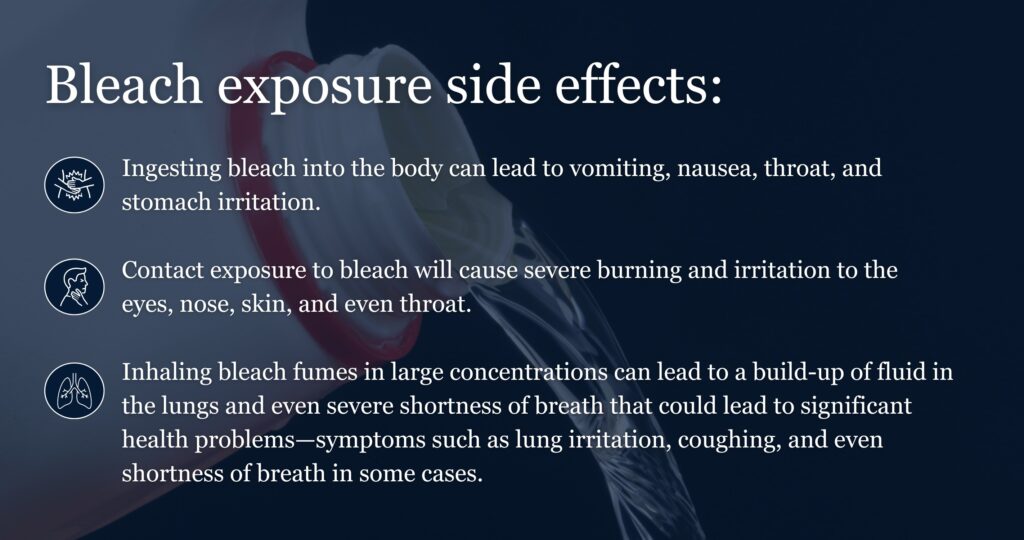
Chloramines, particularly in higher concentrations, can cause eye irritation, throat irritation, coughing, and shortness of breath. For individuals with asthma or other respiratory conditions, exposure can be particularly problematic. Smart home devices equipped with bleach-odor sensors could alert homeowners to improper ventilation during cleaning or identify potential leaks from cleaning product containers. This proactive monitoring can prevent prolonged exposure and mitigate health risks.
HVAC and Ventilation System Optimization
In commercial settings, such as hospitals, hotels, and food processing facilities, where bleach is extensively used for disinfection, advanced sensor systems can optimize ventilation. By detecting the presence of chloramines, building management systems can automatically increase airflow or activate specialized air purification units, ensuring that air quality remains within safe and comfortable limits. This not only enhances the well-being of occupants and staff but can also contribute to the longevity of building materials by reducing corrosive vapor accumulation.
Industrial Hygiene and Process Control
In industries where bleach is a raw material or a processing agent, accurate detection of its volatile components is critical for worker safety and process efficiency.
Manufacturing and Chemical Handling Safety
For workers involved in the production or bulk handling of bleach, robust monitoring systems are essential. These systems can detect leaks in storage tanks, pipelines, or during transfer operations, providing immediate alerts to prevent exposure incidents. Furthermore, in chemical synthesis processes that involve hypochlorite, monitoring the presence of specific volatile byproducts can offer insights into reaction kinetics and efficiency, allowing for real-time adjustments to optimize the process and minimize the formation of undesirable compounds.
Water Treatment and Disinfection Monitoring
Sodium hypochlorite is widely used as a disinfectant in water treatment plants. While not directly about the “smell,” the chemical detection of hypochlorite and its breakdown products in treated water is crucial for ensuring public health. Advanced sensors can continuously monitor residual chlorine levels and the formation of disinfection byproducts, ensuring that water is safe for consumption and that treatment processes are operating effectively. The development of miniaturized sensors for this purpose could revolutionize on-site water quality testing.
Product Development and Quality Assurance
The understanding of bleach’s odor profile and the development of sensing technologies also have implications for product development and quality assurance in the chemical industry.
Formulation of Odor-Controlled Cleaning Products
Manufacturers of cleaning products are increasingly focused on consumer experience, which includes the sensory aspects of product use. By understanding the specific chemical compounds that contribute to the undesirable pungency of bleach, formulators can develop new generations of disinfectants that are either less prone to forming irritant byproducts or include masking agents that neutralize or alter the perceived odor without compromising efficacy. E-nose technology can be instrumental in testing and validating these new formulations, ensuring that they meet both performance and sensory expectations.
Authenticity and Contamination Detection
In certain niche applications, the unique chemical signature of bleach could be used for authenticity verification. More broadly, the ability to detect trace amounts of bleach or its byproducts can be crucial in quality control for industries where its presence would be detrimental. For example, in the pharmaceutical or food industries, accidental contamination with bleach could have severe consequences. Rapid and sensitive detection methods could serve as a vital safeguard against such contamination events.
The Future of Olfactory Sensing and the Bleach Aroma
The ongoing advancements in sensor technology and artificial intelligence are rapidly expanding the capabilities of electronic olfaction. The precise understanding of what bleach smells like – the specific combination of chemicals and their concentrations – is a crucial stepping stone in this evolution.
Miniaturization and Ubiquitous Deployment
The trend towards miniaturization is paving the way for the integration of olfactory sensors into everyday devices. Imagine smart appliances that can detect the presence of bleach and adjust cleaning cycles accordingly, or personal wearable devices that constantly monitor the air for specific chemical hazards. This ubiquitous deployment of sensing capabilities will create a more informed and safer environment.
Enhanced Selectivity and Sensitivity
Future sensor arrays will likely boast even greater selectivity, able to distinguish between subtle variations in chemical composition that might lead to different odor nuances. Simultaneously, sensitivity will continue to improve, allowing for the detection of chemicals at ever-lower concentrations, providing earlier warnings and more precise analytical data. This will be particularly important for detecting compounds like nitrogen trichloride, which are potent even in minute quantities.

Integration with AI and Big Data
The true power of these advanced sensors will be unleashed through their integration with sophisticated AI and big data analytics platforms. By analyzing data from vast networks of sensors deployed globally, researchers and industries can gain unprecedented insights into environmental chemical profiles, track the spread of pollutants, predict potential hazards, and optimize processes on a large scale. The humble smell of bleach, once just a sensory experience, is becoming a data point in a complex, technologically mediated understanding of our environment.
In conclusion, the question “what does bleach smell like” opens a portal to a sophisticated interplay of chemistry, biology, and cutting-edge technology. From the reactive nature of sodium hypochlorite and the formation of pungent chloramines, to the development of advanced electronic noses and specialized chemical sensors, our ability to perceive, measure, and harness the chemical signatures of everyday substances is rapidly evolving. These technological leaps, driven by a deeper understanding of olfaction, promise to enhance safety, optimize industrial processes, and ultimately create a more informed and responsive world.
aViewFromTheCave is a participant in the Amazon Services LLC Associates Program, an affiliate advertising program designed to provide a means for sites to earn advertising fees by advertising and linking to Amazon.com. Amazon, the Amazon logo, AmazonSupply, and the AmazonSupply logo are trademarks of Amazon.com, Inc. or its affiliates. As an Amazon Associate we earn affiliate commissions from qualifying purchases.