
In an era defined by rapid digital transformation and the need for instantaneous data processing, the concept of the “office” has transcended physical buildings. For emergency responders, telecommunications giants, military units, and large-scale event organizers, the ability to maintain command and control in remote or compromised environments is critical. This is where the Mobile Operations Center (MOC) comes into play.
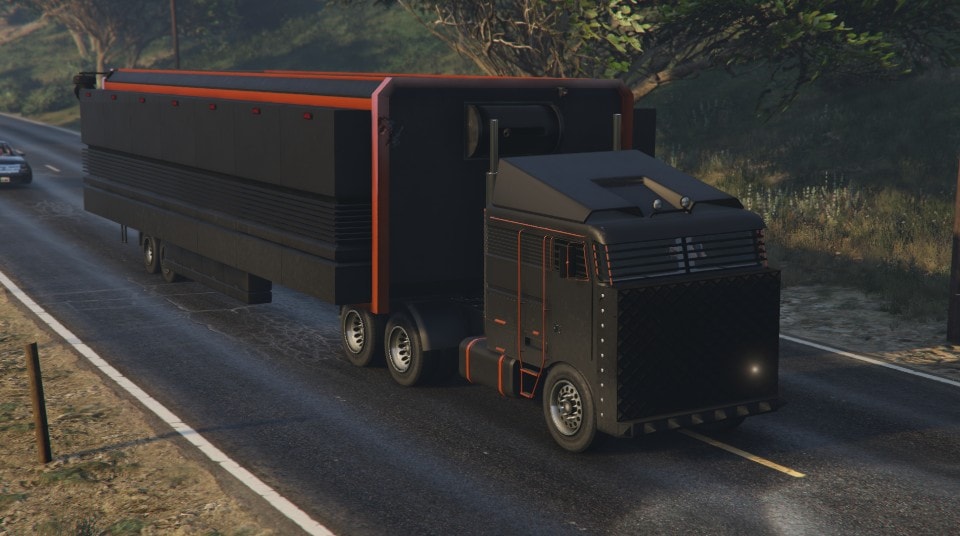
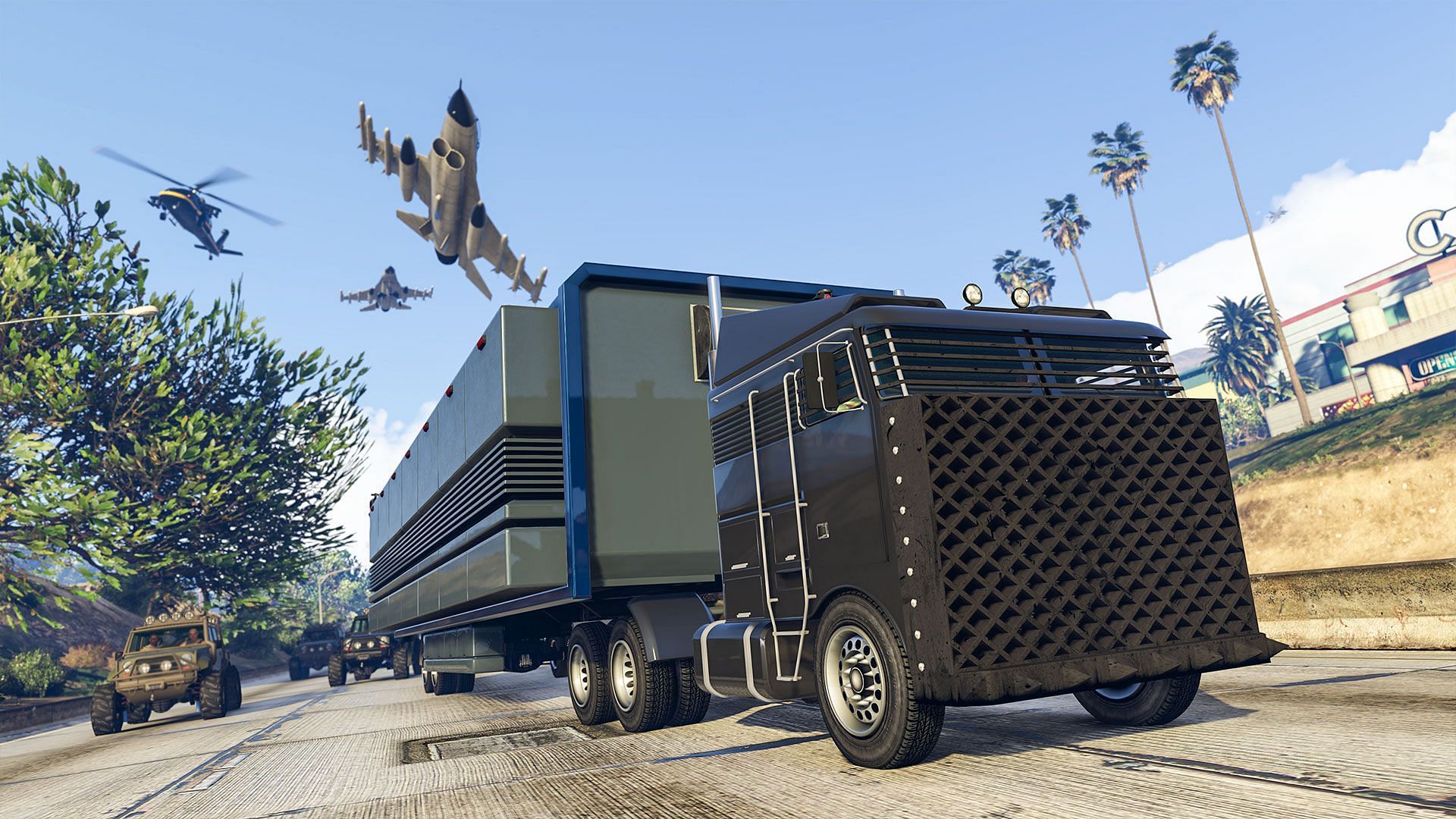
A Mobile Operations Center is a self-contained, high-tech command hub housed within a vehicle—typically a customized trailer, van, or truck—designed to provide full technological capabilities in the field. But it is far more than just a “computer lab on wheels.” It is a sophisticated ecosystem of hardware, software, and connectivity solutions designed to ensure operational continuity when traditional infrastructure fails or is non-existent.
The Core Technological Infrastructure of a Mobile Operations Center
The primary function of an MOC is to replicate the high-speed data environment of a fixed headquarters while moving at 65 miles per hour or sitting in the middle of a disaster zone. To achieve this, the technological stack within these units must be both powerful and ruggedized.
High-Speed Connectivity and Satellite Integration
At the heart of every MOC is its communication suite. Because these units often operate in areas where cellular towers are down or nonexistent, they rely on a multi-layered connectivity approach. Modern MOCs utilize “Bonded Cellular” technology, which combines signals from multiple carriers (like Verizon, AT&T, and T-Mobile) into a single, high-bandwidth pipe.
Furthermore, the integration of Low Earth Orbit (LEO) satellite technology, such as Starlink or traditional VSAT systems, ensures that the center remains online even in the most remote corners of the globe. These systems allow for high-definition video conferencing, massive data transfers, and real-time VoIP communication, regardless of the local infrastructure’s status.
On-Board Server Arrays and Edge Computing
Data latency can be a matter of life and death in field operations. To combat this, MOCs are equipped with edge computing capabilities. Instead of sending all data back to a distant cloud server for processing, the MOC houses its own server racks. These “micro-data centers” are often shock-mounted to withstand the vibrations of travel. By processing data locally—whether it’s drone footage or biometric sensor data from field personnel—the MOC provides commanders with near-instantaneous situational awareness.
Integrated AV and Multi-Display Control Systems
A mobile operations center serves as the visual brain of an operation. The interior is typically lined with a “video wall”—a series of high-resolution LED monitors that can be configured to show various data feeds simultaneously. Using sophisticated Matrix Switchers, operators can toggle between satellite maps, live news feeds, internal system diagnostics, and thermal imaging from field units. This integration ensures that every stakeholder in the vehicle has access to the same “single version of the truth.”
Digital Security and Resilience in Field Environments
Because Mobile Operations Centers often handle sensitive government data, corporate intellectual property, or emergency broadcasts, they are prime targets for cyber-attacks. Therefore, a significant portion of what an MOC “does” involves maintaining a localized, hardened digital perimeter.
Hardened Networking and Encrypted VPNs
The networking equipment inside an MOC isn’t off-the-shelf consumer gear. It consists of enterprise-grade routers and firewalls designed to create secure “tunnels” back to the main corporate or government network. All data transmitted to and from the MOC is typically protected by AES-256 encryption. Additionally, many units employ Software-Defined Wide Area Networking (SD-WAN) to intelligently route traffic over the most secure and stable connection available at any given moment.
Physical Security Meets Digital Protection
In the tech world, physical access often equals a total breach. MOCs are built with this in mind. They feature reinforced shells, biometric entry systems, and internal surveillance. From a digital standpoint, many units utilize “Red/Black” separation—a security protocol that physically and logically separates unclassified (Black) data from highly sensitive or classified (Red) data to prevent cross-contamination of networks.
Redundancy and Fail-Safe Power Solutions
A computer is useless without power, and in the field, the grid is often unreliable. An MOC manages its own power ecosystem using a combination of high-output diesel generators, large-scale Uninterruptible Power Supply (UPS) battery backups, and sometimes even integrated solar arrays. The tech stack includes automated power management software that can “load shed,” or shut down non-essential systems, to ensure that critical communication links remain live if fuel or battery levels run low.
Software Integration: From GIS to Real-Time Data Analytics
While the hardware provides the muscle, the software provides the intelligence. A Mobile Operations Center acts as a platform for specialized applications that aggregate disparate data points into actionable insights.
Geographic Information Systems (GIS) Mapping
One of the most critical software suites in an MOC is GIS. By layering real-time data onto digital maps, operators can track the exact location of assets, monitor weather patterns, or visualize the spread of a wildfire. In a tech-centric MOC, these maps are interactive and can be updated in real-time by field agents using mobile apps, with the data syncing back to the MOC’s central server via a private Wi-Fi mesh network.
AI-Driven Predictive Modeling
Modern MOCs are increasingly incorporating Artificial Intelligence (AI) and Machine Learning (ML). For example, in a utility company’s MOC, AI algorithms can analyze sensor data from the electrical grid to predict where a failure is likely to occur next during a storm. In a public safety context, AI can perform real-time facial recognition or license plate reading from various camera feeds, alerting operators to potential threats before they escalate.
Unified Communication Platforms (UCaaS)
An MOC must bridge the gap between different communication standards. It often runs “Radio-over-IP” (RoIP) software, which allows digital tablets and smartphones to communicate directly with legacy analog two-way radios. This software ensures that regardless of the hardware a person is holding in the field, they can stay in constant contact with the central hub.
Future Trends: The Evolution of the MOC in a 5G/6G World
As we look toward the future of technology, the capabilities of Mobile Operations Centers are set to expand even further, driven by the rollout of 5G and the eventual arrival of 6G.
IoT Integration and Sensor Fusion
The “Internet of Things” (IoT) is transforming the MOC from a passive receiver into an active manager of thousands of data points. Future MOCs will act as the primary node for “sensor fusion,” where data from wearable tech on personnel, environmental sensors in the ground, and autonomous drones are all synthesized into a single AI-managed dashboard. This level of connectivity will allow for a “Digital Twin” of the field operation to be rendered in real-time inside the vehicle.
Autonomous and Semi-Autonomous Units
The next frontier for MOCs is autonomy. We are already seeing the development of unmanned mobile operations centers—trailers that can be dropped into a location via helicopter or autonomous truck, which then automatically deploy their own satellite dishes, stabilize their leveling jacks, and begin broadcasting a 5G bubble over the area without a single human technician on-site. These “pop-up” tech hubs will be essential for rapid response in the coming decade.
Virtual and Augmented Reality (VR/AR)
Rather than relying solely on 2D screens, the MOC of the near future will likely utilize AR and VR. Commanders inside the unit could wear AR headsets to see a 3D holographic projection of the terrain, with live data feeds hovering over specific coordinates. This immersive tech allows for better spatial understanding and faster decision-making than traditional monitors ever could.
Conclusion
A Mobile Operations Center is the ultimate expression of mobile technology. It is a masterclass in systems integration, combining aerospace-grade connectivity, enterprise-level cybersecurity, and cutting-edge data analytics into a package that can be deployed anywhere on Earth.
Whether it is facilitating the broadcast of a global sporting event, managing the recovery efforts after a hurricane, or providing a secure communication link for a high-stakes corporate expansion, the MOC ensures that technology is never the bottleneck. As we move further into a world of “distributed everything,” the ability to take the full power of a modern data center onto the road is not just a luxury—it is a fundamental requirement for modern organizational resilience.
aViewFromTheCave is a participant in the Amazon Services LLC Associates Program, an affiliate advertising program designed to provide a means for sites to earn advertising fees by advertising and linking to Amazon.com. Amazon, the Amazon logo, AmazonSupply, and the AmazonSupply logo are trademarks of Amazon.com, Inc. or its affiliates. As an Amazon Associate we earn affiliate commissions from qualifying purchases.