
In the intricate world of personal finance, consumer rewards, and business operations, the term “blackout dates” frequently emerges as a pivotal factor influencing decisions, impacting value, and sometimes, frustrating expectations. Far from a mere technicality, understanding blackout dates is crucial for anyone looking to maximize financial benefits, manage business costs, or simply plan effectively. This article delves into the multifaceted meaning of blackout dates, exploring their purpose, prevalence across various financial domains, and strategies for navigating them to secure optimal value.
The Core Concept: Understanding Blackout Dates
At its heart, a blackout date signifies a period during which a particular offer, service, or benefit is unavailable or subject to significantly altered terms. These dates are not arbitrary; they are strategically implemented by businesses to manage demand, control costs, and maintain profitability, especially during peak periods or when resources are constrained.
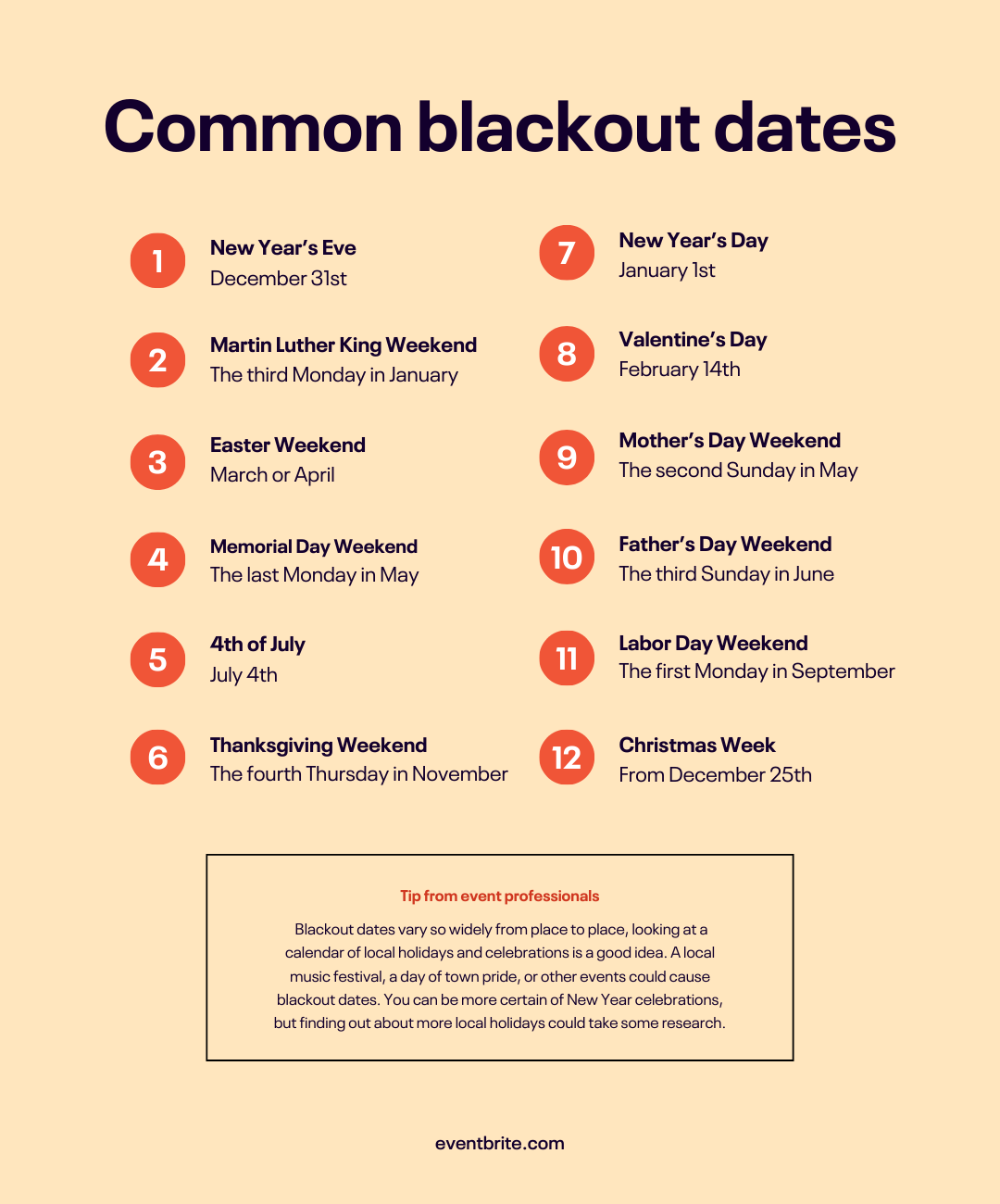
Definition and Purpose
A blackout date refers to a specific calendar day or range of days when certain promotions, discounts, rewards redemptions, or service availabilities are temporarily suspended. For consumers, this often means that free flights using miles, discounted hotel stays, or special promotional rates cannot be booked or utilized. For businesses, it might mean restricting employee leave or adjusting pricing strategies. The primary purpose behind instituting blackout dates is rooted in economic principles:
-
Demand Management: During periods of high demand (e.g., holidays, major events, school breaks), businesses face increased costs and often experience capacity constraints. Blackout dates allow them to manage this surge, ensuring service quality and preventing overbooking.
-
Cost Control and Revenue Optimization: By excluding peak periods from promotional offers, companies can charge full price when demand is naturally high, thereby maximizing revenue and profit margins. Redeeming rewards points or using discounts during these times would represent a direct financial loss for the business compared to a full-paying customer.
-
Value Preservation: For loyalty programs, blackout dates help preserve the perceived value of the rewards. If high-demand periods were always available for redemption, the program’s financial sustainability could be jeopardized, potentially leading to devaluations of points or miles.
In essence, blackout dates are a mechanism for businesses to maintain financial equilibrium by balancing the allure of promotional offers with the imperatives of operational efficiency and profitability.
Blackout Dates in Personal Finance and Consumer Rewards
Perhaps the most common encounter individuals have with blackout dates is within the realm of personal finance, particularly concerning travel rewards and various consumer loyalty programs. These restrictions directly influence how much financial value consumers can extract from their accumulated points, miles, or discounts.
Travel Rewards Programs (Airlines, Hotels)
A significant aspect of many travel-centric credit cards and loyalty programs is the ability to redeem points or miles for flights and hotel stays. However, these programs frequently come with a caveat: blackout dates.
-
Airlines: Blackout dates for flights are typically concentrated around major holidays (Christmas, Thanksgiving, New Year’s), long weekends, and peak travel seasons (summer, spring break). During these periods, award seats may be completely unavailable, or the number of miles required for a redemption could skyrocket, effectively making them financially unviable. This impacts the true “worth” of one’s accumulated miles and requires strategic planning to achieve significant savings.
-
Hotels: Similar to airlines, hotels often impose blackout dates, especially on popular properties in desirable locations during peak events, conventions, or holiday seasons. Redeeming free night certificates or points might be impossible, or the points required for a standard room could be inflated, diminishing the financial advantage of the reward. Savvy travelers learn to book well in advance or look for alternative dates to maximize the financial utility of their loyalty points.
Credit Card Redemption and Gift Cards
Beyond travel, blackout dates can also affect other forms of financial redemption:
-
Credit Card Rewards: While cash back credit cards generally don’t have blackout dates for their core cash redemption, some cards offering specific merchandise, experiences, or travel portal redemptions might have associated restrictions. For instance, booking a special experience through a credit card’s concierge service could be subject to availability restrictions tied to peak demand.
-
Gift Cards: Promotional gift cards (e.g., “get a $25 gift card when you spend $100”) sometimes carry blackout dates, preventing their use during peak sales events like Black Friday or specific holiday periods. This is a tactic to encourage full-price purchases when demand is highest, thereby protecting the retailer’s profit margins. Consumers must scrutinize the fine print to avoid financial disappointment.
Promotional Offers and Discounts
Many consumer-facing businesses, from restaurants to retail stores, utilize promotional offers and discounts as a marketing tool. Blackout dates ensure these promotions don’t cannibalize full-price sales during their most lucrative periods.
-
Retail Sales: While major sales events like end-of-season clearances are often widespread, certain specific high-value discounts or coupon codes might be unusable on new arrivals, premium brands, or during specific promotional windows that are already expected to drive high traffic and full-price sales.
-
Restaurant Deals: “Two-for-one” offers or percentage-off coupons for dining establishments frequently exclude holidays like Valentine’s Day, Mother’s Day, or New Year’s Eve – dates when restaurants anticipate maximum demand and are unwilling to sacrifice profit margins. The financial impact for consumers is that they cannot leverage these savings during the very times they might be most inclined to dine out.
Blackout Dates in Business Operations and Financial Planning
Blackout dates are not solely a consumer-facing phenomenon; they are deeply integrated into business operations and financial planning, influencing everything from human resources to marketing budgets. For businesses, these restrictions are a critical tool for maintaining financial health and operational efficiency.
Employee Benefits and Leave Policies
In the realm of human resources, blackout dates are a common feature of employee leave policies, particularly in industries with seasonal peaks or critical operational periods.
-
Workforce Management: Companies often designate specific times of the year, such as the end of a financial quarter, major product launches, or peak sales seasons, as “blackout periods” for vacation requests. This ensures critical staffing levels are maintained to meet financial objectives, complete key projects, or service high customer demand. For employees, this impacts personal financial planning related to travel and leisure.
-
Financial Impact: Allowing widespread vacation during peak operational times could lead to decreased productivity, missed sales targets, and increased overtime costs for remaining staff, all of which directly impact the company’s bottom line. Blackout dates serve as a cost-control measure, preventing avoidable financial strains.
Sales, Marketing, and Budgeting Implications
For marketing and sales departments, blackout dates are essential for strategic planning and budget allocation.
-
Marketing Campaigns: Brands often have specific “blackout periods” where certain advertising campaigns are paused or modified. This could be to avoid clutter during competitor launches, to respect seasonal sensitivities, or to prioritize other, more impactful campaigns during specific revenue-driving windows. From a budgeting perspective, this ensures marketing spend is optimized for maximum return on investment.
-
Pricing Strategy: Blackout dates indirectly influence pricing strategies. By limiting discounts or redemptions during peak times, businesses can command higher prices, maximizing revenue per customer when demand is inelastic. This is a core financial strategy for industries like hospitality and travel. The financial planning involves forecasting demand and setting dynamic pricing rules that incorporate blackout periods.
Event Planning and Venue Management
Venues and event organizers frequently utilize blackout dates to manage their inventory and optimize revenue.
-
Venue Availability: Concert halls, convention centers, and even private event spaces may have blackout dates for specific types of bookings, often due to pre-existing major events, maintenance schedules, or exclusive contracts. This impacts the financial viability of planning certain events during these times.
-
Budgeting for Events: For event planners, understanding venue blackout dates is critical for budgeting. Booking during non-blackout periods can often secure better rates, leading to significant cost savings. Conversely, needing to book during a blackout period (if possible) might incur premium surcharges, escalating event costs dramatically.
Strategies for Navigating Blackout Dates
While blackout dates can seem like an obstacle, particularly for consumers seeking to maximize the financial value of their rewards, proactive strategies can mitigate their impact and even turn them into opportunities.
Planning Ahead and Flexibility
The most effective strategy against blackout dates is early planning and a degree of flexibility.
-
Book Early: For travel rewards, booking flights and hotels as far in advance as possible (often 9-12 months out) significantly increases the chances of finding award availability, even around popular dates. This secures the financial benefit of points before demand makes redemption impossible.
-
Be Flexible with Dates: If specific dates are blacked out, explore surrounding days. Shifting a trip by a day or two, or considering a slightly earlier or later vacation window, can often unlock significant savings and make rewards redemption feasible. This flexibility directly translates into financial savings by allowing the use of points instead of cash.
-
Consider Off-Peak Travel: Intentionally planning trips during shoulder seasons or true off-peak times not only avoids blackout dates but often leads to lower cash prices for airfare and hotels, further enhancing financial efficiency.
Reading the Fine Print
Ignorance of blackout date policies can lead to significant financial frustration. Diligence in reading the terms and conditions is paramount.
-
Understand Program Rules: Before committing to a credit card with travel rewards or purchasing a promotional gift card, carefully review its redemption policy for any mention of blackout dates. Knowing these limitations beforehand helps set realistic financial expectations for the value of the reward.
-
Check Specific Offers: For any special discount or promotional code, always read the exclusions. This includes checking for blackout dates, minimum spend requirements, or specific product categories that are excluded. This prevents wasted time and ensures the expected financial saving is truly available.
Exploring Alternatives and Companion Benefits
Sometimes, direct redemption might be impossible, but alternative avenues can still offer financial relief.
-
Alternative Airlines/Hotels: If your preferred airline or hotel chain has a blackout, investigate partner airlines or alternative hotel brands within the same loyalty alliance. Often, points can be transferred, or partner properties may have different blackout schedules. This widens the pool of financially viable redemption options.
-
Credit Card Travel Portals: Some credit cards offer the option to book travel through their own portals, where points are used as a form of payment and often don’t have traditional airline/hotel blackout dates. While the point value might be fixed (e.g., 1 cent per point), it can be a valuable fallback for financial savings when direct award space is unavailable.
-
Cash Alternatives: In cases where blackout dates make point redemption prohibitively expensive or impossible, sometimes paying cash or using a combination of cash and points (if allowed) becomes the more financially sensible option. The key is to calculate the “value per point” to ensure you’re not overpaying for a reward.
The Financial Impact and Maximizing Value
Blackout dates are more than just an inconvenience; they have a tangible financial impact on both consumers and businesses. Understanding this impact is key to maximizing value and making informed financial decisions.
Hidden Costs and Opportunity Loss
For consumers, the most significant financial impact of blackout dates comes from the potential for “opportunity loss” and hidden costs.
-
Devalued Rewards: If you can only redeem points or miles during low-demand periods, their effective per-point value decreases compared to being able to use them during high-demand, high-cost periods. This represents a lost financial saving.
-
Forced Cash Expenditure: When rewards are blacked out, consumers are often forced to pay cash for flights, hotels, or services they intended to get “free” or discounted. This unexpected cash outflow directly impacts personal budgets.
-
Expiration of Benefits: Some promotional offers or free night certificates have expiration dates. If these align with blackout periods, the benefit might expire unused, representing a complete financial loss.

Best Practices for Consumers and Businesses
Navigating blackout dates effectively requires a strategic approach.
For consumers, the best practices revolve around diligent planning and value assessment:
-
Always Read the Terms: Understand the limitations of any reward program or promotional offer before committing.
-
Be Flexible: Adapt your travel or redemption dates to avoid peak periods whenever possible.
-
Calculate Point Value: Before redeeming points during a blackout period (if allowed at a higher rate), calculate if the cash price is actually a better deal.
-
Diversify Rewards: Don’t rely solely on one type of reward program; having options can circumvent individual program blackout dates.
For businesses, strategic implementation and clear communication are paramount:
-
Transparent Policies: Clearly communicate blackout dates and their reasons to customers and employees. This builds trust and manages expectations, reducing financial complaints.
-
Dynamic Pricing Integration: Use blackout dates as part of a sophisticated dynamic pricing strategy to optimize revenue during peak periods.
-
Employee Engagement: For employee leave blackouts, offer alternative incentives or recognition to mitigate the impact on morale, which can indirectly affect productivity and financial performance.
-
Regular Review: Periodically review the effectiveness of blackout policies. Are they achieving the desired financial goals? Are they too restrictive, potentially alienating customers or employees?
In conclusion, “blackout dates” is a financial term describing strategically imposed restrictions that influence the availability and value of promotions, rewards, and services. For individuals, mastering the art of navigating these restrictions is vital for maximizing financial savings and extracting true value from loyalty programs and discounts. For businesses, blackout dates are an indispensable tool for managing demand, controlling costs, and optimizing revenue, forming a crucial component of sound financial planning and operational strategy. Understanding their meaning and implications empowers both consumers and businesses to make more informed and financially beneficial decisions.
aViewFromTheCave is a participant in the Amazon Services LLC Associates Program, an affiliate advertising program designed to provide a means for sites to earn advertising fees by advertising and linking to Amazon.com. Amazon, the Amazon logo, AmazonSupply, and the AmazonSupply logo are trademarks of Amazon.com, Inc. or its affiliates. As an Amazon Associate we earn affiliate commissions from qualifying purchases.