
In the realm of beach safety and coastal management, visual communication is the most effective way to inform the public of volatile environmental conditions. Beach flag systems act as a universal language for swimmers, surfers, and coastal visitors. Among these, the black flag is often surrounded by misunderstanding, leading to confusion regarding its exact authority and the nature of the danger it represents. When you see a black flag flying at the beach, it is not merely a suggestion; it is a critical directive that demands immediate attention.
The Definitive Meaning of the Black Flag
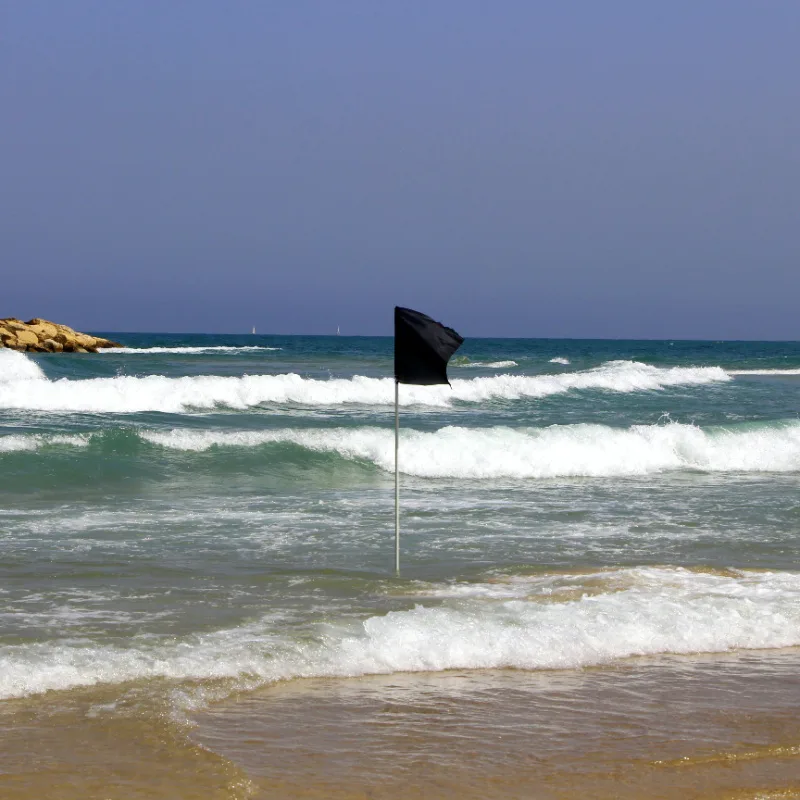
The black flag serves as the ultimate signal of danger in the context of beach management. Unlike yellow or red flags, which signify caution or high surf conditions respectively, the black flag signifies that the beach is officially closed to the public. This closure is typically enacted due to extreme environmental hazards that render the water unsafe for any human activity.
Environmental Triggers for Closure
A black flag is rarely raised for trivial reasons. Coastal authorities—ranging from lifeguards and beach patrols to municipal park departments—usually deploy this signal when the water quality or structural integrity of the shoreline poses an immediate threat to life. Common reasons for this closure include:
- Toxic Algal Blooms: The presence of cyanobacteria or “red tide” can produce neurotoxins that are harmful if swallowed or inhaled.
- Severe Water Contamination: Following heavy rainfall, sewage overflows or bacterial spikes (such as E. coli) can contaminate the swimming area, necessitating a temporary closure to prevent illness.
- Extreme Coastal Hazards: If a hurricane, severe storm surge, or tsunami warning is active, the black flag acts as a perimeter guard to keep the public away from the waterline.
- Shark Activity or Biological Threats: While rare, if there is a verified, ongoing threat to human life—such as aggressive shark behavior—the black flag may be utilized to clear the water entirely.
The Legal and Personal Safety Implications
When a beach is marked with a black flag, it often changes the legal status of the area. In many jurisdictions, entering the water despite a black flag violation can result in fines, citations, or, in extreme cases, arrest for trespassing or public endangerment. Beyond the legal consequences, the primary implication is one of personal liability. By ignoring a black flag, a visitor is essentially waiving the protection typically afforded by the lifeguard service. If a swimmer enters the water under a black flag, they are knowingly entering a zone where they have been told, via official signage, that the danger is unmanageable.
Differentiating Flags: Beyond the Black Signal
To fully grasp the gravity of the black flag, it is essential to distinguish it from the standard color-coded system used globally. The International Life Saving Federation (ILS) provides a standardized framework, though regional variations still exist. Understanding the hierarchy of these flags helps swimmers interpret the risk level of the ocean at any given time.
The Standard Color Hierarchy
Most public beaches utilize a system that ranges from low risk to extreme risk:
- Green Flag: Low hazard; calm conditions. Swimming is encouraged.
- Yellow Flag: Medium hazard; moderate surf and currents. Caution is advised.
- Red Flag: High hazard; high surf and strong currents. Entering the water is strongly discouraged.
- Double Red Flag: In some regions, a double red flag indicates that the water is closed to the public. If the black flag is not used, the double red acts as its functional equivalent.

Why the Black Flag is Distinct
The black flag is distinguished by its finality. While a red flag may indicate that only experienced swimmers should enter the water, the black flag indicates that the environment has shifted from a recreational space to a hazardous zone where no one belongs. It is the binary opposite of the green flag. It removes the element of personal judgment; there is no “level of experience” that can safely navigate a toxic bloom or a structural hazard caused by a major storm.
The Role of Beach Management and Communication
The effectiveness of the black flag relies heavily on the professionalism of beach management teams. These agencies are responsible for monitoring real-time data to determine when a closure is necessary. The decision to raise a black flag is rarely made in isolation; it is usually the result of a coordinated effort between water quality technicians, meteorological departments, and safety personnel.
Real-Time Monitoring and Data Usage
Modern beach management involves more than just watching the horizon. It requires the integration of environmental data. For example, in urban coastal areas, authorities monitor “runoff events.” After a major storm, sensor technology detects the level of pollutants in the water. Once these metrics exceed a certain safety threshold, the mandate to raise the black flag is triggered automatically. This systematic approach ensures that the closure is based on scientific evidence rather than anecdotal observation.
Effective Public Notification Strategies
Raising a flag is only the first step. To ensure public safety, authorities must communicate the reason for the black flag. A simple black piece of fabric might be ignored if the water looks relatively calm, leading people to believe it is a mistake. Therefore, professional beach management ensures that:
- Contextual Signage is Used: Directly below the black flag, there should be signage explaining the closure—e.g., “Water Closed Due to High Bacterial Levels.”
- Digital Updates: Modern beach departments use apps, social media, and websites to alert the public before they reach the shoreline, preventing unnecessary travel and potential frustration.
- Physical Barriers: In cases of extreme danger, such as structural instability after a storm, beach patrols may use caution tape or physical barriers to prevent entry to the sand itself, not just the water.
Public Responsibility and Safety Culture
The existence of a black flag system is a testament to the fact that the ocean is a dynamic, untamable environment. While technology and management teams work hard to mitigate risks, the ultimate responsibility for safety lies with the individual. A safety culture is not built solely on the authority of the lifeguard; it is built on the public’s ability to recognize and respect warnings.
Overcoming the “Risk-Taker” Mentality
Many beachgoers fall into the trap of believing that the warnings do not apply to them, particularly if the water looks inviting. This “risk-taker” mentality is the primary cause of preventable accidents. When a black flag is raised, it is a signal that the water is hostile to human biology. Whether the hazard is a chemical toxin you cannot see or a current you cannot escape, the danger is real. Respecting the black flag is an exercise in maturity and environmental awareness.
Educating the Community
Education is the most effective tool in coastal safety. Public awareness campaigns, safety signage at beach access points, and school-level ocean safety programs help instill the importance of flag systems. When families understand that a black flag is equivalent to a “no entry” sign for a restricted building, they are far more likely to adhere to the warnings. By fostering this culture of compliance, coastal communities can ensure that when a black flag is raised, the number of incidents remains near zero.
Ultimately, the black flag serves as the definitive boundary between safety and catastrophe. Whether you are a local resident or a vacationer, recognizing this signal is vital. It is a communication of danger that transcends language and cultural barriers, providing a clear instruction that, for the safety of all, the beach is closed. By paying attention to these warnings and understanding the complex environmental factors that lead to their deployment, beachgoers can continue to enjoy the coast safely and responsibly throughout the year.
aViewFromTheCave is a participant in the Amazon Services LLC Associates Program, an affiliate advertising program designed to provide a means for sites to earn advertising fees by advertising and linking to Amazon.com. Amazon, the Amazon logo, AmazonSupply, and the AmazonSupply logo are trademarks of Amazon.com, Inc. or its affiliates. As an Amazon Associate we earn affiliate commissions from qualifying purchases.