
In the landscape of global branding, few assets are as recognizable as the McDonald’s Big Mac. While the burger’s structural composition—the middle bun, the sesame seeds, the shredded lettuce—is iconic, the true driver of its multi-generational success is the “Special Sauce.” To ask what Big Mac sauce tastes like is to explore more than a culinary profile; it is to examine a masterclass in sensory branding.
From a brand strategy perspective, Big Mac sauce represents the ultimate “secret sauce” metaphor. It is the proprietary element that differentiates a generic commodity (the hamburger) from a unique, branded experience. To understand its taste is to understand how McDonald’s leveraged flavor chemistry and marketing psychology to create a global obsession.

The Flavor Profile: Deconstructing a Global Brand Signature
When we strip away the marketing and focus on the palate, Big Mac sauce is a complex orchestration of high-contrast flavors designed to trigger a specific neurological response. It is frequently misidentified as Thousand Island dressing, but for brand purists and culinary strategists, the distinction is vital.
The Balance of Sweet, Tangy, and Savory
The primary flavor profile of Big Mac sauce is a sophisticated balance of acidity and creaminess. At its core, it is an emulsified oil-based sauce, providing a rich, fatty mouthfeel that carries the other flavor notes across the tongue. The “tang” comes from distilled vinegar and chopped pickles (relish), which provide a sharp counterpoint to the richness of the beef.
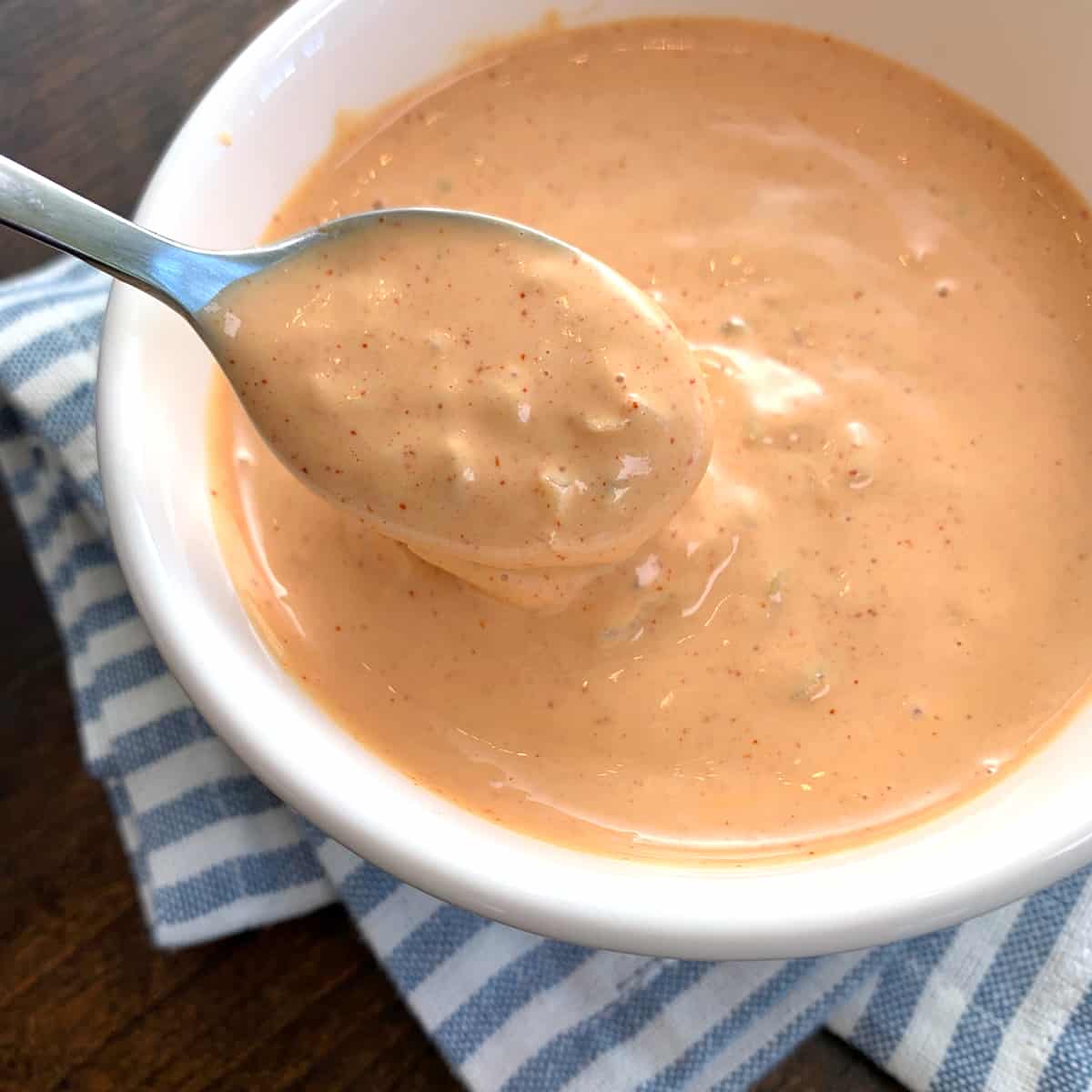
The sweetness is subtle but pervasive, derived from sugar and the natural sugars in the relish. However, what truly defines the brand’s flavor identity is the savory undercurrent. This is achieved through a combination of onion powder, garlic powder, and paprika. The paprika serves a dual purpose: it provides a mild earthiness and gives the sauce its signature “sunset orange” hue—a visual brand cue that signals the Big Mac experience before the first bite is even taken.
The Myth of the Ketchup Base
One of the most persistent brand myths is that Big Mac sauce contains ketchup. In reality, the sauce is notable for its lack of tomato product. By omitting ketchup, McDonald’s created a flavor profile that was distinct from the standard burger dressings of the mid-20th century. This was a deliberate move in brand differentiation. While other fast-food competitors leaned into the sweetness of tomato-based sauces, McDonald’s doubled down on a mustard-and-vinegar-forward profile, ensuring that the Big Mac could never be mistaken for a burger from a rival chain.
The “Secret Sauce” Strategy: Building Mystery and Market Dominance
The story of Big Mac sauce is a case study in how to turn a product ingredient into a corporate legend. The sauce was not merely an addition to a sandwich; it was the foundation of a marketing campaign that would change the trajectory of the company.
The 1968 Origin Story
The Big Mac was the brainchild of Jim Delligatti, a McDonald’s franchisee in Uniontown, Pennsylvania. Delligatti recognized that his customers wanted a larger, more complex burger to compete with local offerings. Central to his invention was a double-decked burger with a proprietary sauce.
When the Big Mac went national in 1968, the sauce was marketed as a “secret.” This was a brilliant move in brand positioning. By labeling the sauce as “special” and “secret,” McDonald’s transformed a condiment into an intellectual property asset. It created an aura of exclusivity around a mass-produced item, a tactic that has since been replicated by luxury brands and tech companies alike.
The 1974 Jingle and Sonic Branding
The brand identity of the sauce was cemented in 1974 with the release of the iconic jingle: “Two all-beef patties, special sauce, lettuce, cheese, pickles, onions, on a sesame seed bun.”
This campaign did more than just list ingredients; it created a mnemonic device that millions of consumers could recite by heart. In the world of brand strategy, this is known as “brand salience.” By placing “special sauce” in the middle of the jingle, McDonald’s ensured it was the rhythmic and conceptual heart of the sandwich. The sauce became synonymous with the brand itself, proving that a well-defined sensory asset can drive long-term brand equity.
Sensory Branding: The Psychology of Taste in Customer Retention
Why does the taste of Big Mac sauce remain so consistent and so popular across nearly 40,000 locations? The answer lies in sensory branding and the psychology of the “familiarity heuristic.”
Neuromarketing and the Consistency Factor
Taste is one of the most powerful triggers for memory. When a consumer bites into a Big Mac in Tokyo, London, or New York, they expect the exact same flavor profile. This consistency is a brand promise. The flavor of the sauce is engineered to provide a hit of dopamine through a combination of fat, sugar, and salt—the “bliss point” in food engineering.
From a branding perspective, this consistency builds trust. In an unpredictable world, the Big Mac sauce provides a reliable sensory experience. This “predictability” is a core pillar of the McDonald’s corporate identity. The sauce acts as a sensory anchor, ensuring that the customer’s emotional connection to the brand remains intact regardless of their geographic location.
Predictability as a Brand Promise
In branding, the greatest risk is often “brand drift”—when a product loses the core characteristics that made it successful. McDonald’s has guarded the flavor profile of its special sauce with extreme rigor. While other aspects of the menu have evolved to meet health trends or local tastes, the Big Mac sauce remains an untouchable legacy asset. This teaches a valuable lesson in brand management: identify your “core” and protect it at all costs.
Protecting the Proprietary Recipe: Intellectual Property in the Culinary World
The “secret” nature of Big Mac sauce raises interesting questions about brand transparency and intellectual property (IP). How does a brand maintain a secret in an era of reverse engineering and home-cooking tutorials?
Trade Secrets vs. Brand Transparency
For decades, McDonald’s kept the recipe for Big Mac sauce under wraps, treating it as a trade secret similar to the formula for Coca-Cola. This lack of transparency served the brand well in the 20th century, fueling curiosity and urban legends.
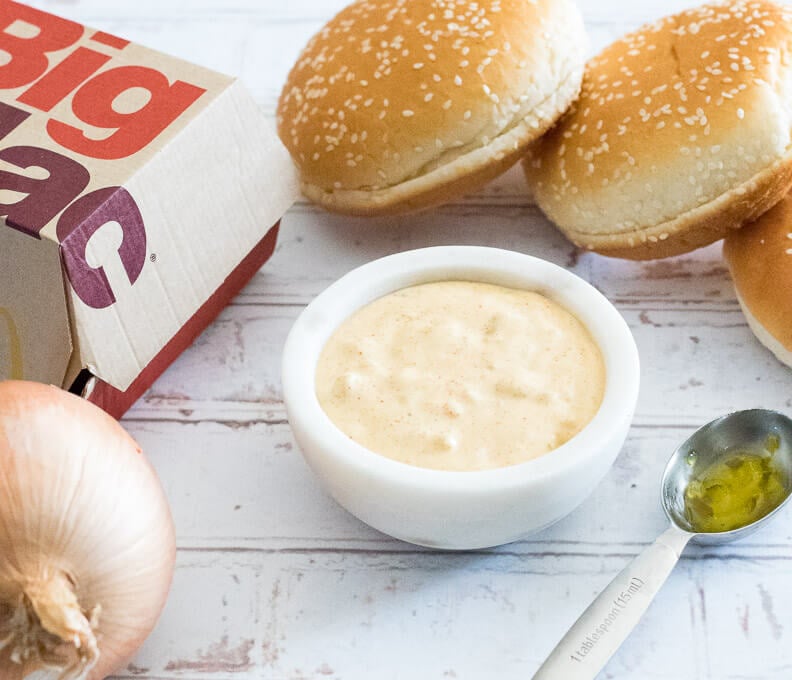
However, in the digital age, consumer values shifted toward transparency. In 2012, McDonald’s Canada executive chef Dan Coudreaut performed a move that many considered a risk: he filmed a YouTube video showing exactly how to make the sauce at home. He used common ingredients like mayonnaise, sweet relish, yellow mustard, onion powder, and garlic powder.
The 2012 “Leak” as a Marketing Masterstroke
What seemed like a breach of secrecy was actually a masterstroke in modern brand strategy. By revealing the ingredients, McDonald’s humanized the brand and demystified the product, countering the “processed food” stigma.
Crucially, even though people now knew how to make the sauce, they didn’t stop buying Big Macs. If anything, the revelation reinforced the brand’s dominance. It proved that the value of the Big Mac sauce isn’t just in the recipe—it’s in the convenience, the packaging, the golden arches, and the 50 years of nostalgia associated with the flavor. The brand is the sauce, and the sauce is the brand.
Finding Your “Special Sauce”: Lessons in Modern Brand Differentiation
The success of the Big Mac sauce provides a blueprint for any business looking to establish a strong corporate identity. Whether you are a personal brand, a tech startup, or a retail giant, you need your own version of the “special sauce.”
Identifying Unique Selling Propositions (USPs)
A brand’s special sauce is its Unique Selling Proposition (USP). It is the one thing you do that your competitors cannot easily replicate. For McDonald’s, it was a specific flavor profile. For Apple, it is the integration of hardware and software. For a personal brand, it might be a specific voice or methodology.
To find your special sauce, you must ask:
- What is the “tang” that makes our brand stand out?
- What is the consistent “creamy” base that our customers rely on?
- How are we communicating our unique elements to the market?
Scaling the Inimitable
The ultimate goal of brand strategy is to create something that is “inimitable.” While anyone can mix mayonnaise and mustard, no one can sell a “Big Mac” except McDonald’s. They have successfully trademarked the experience.
When you scale a brand, you are scaling an intangible feeling. The taste of Big Mac sauce is more than just a culinary description—it is a symbol of American fast-food culture, a triumph of industrial consistency, and a testament to the power of sensory marketing. It tastes like a brand that knows exactly who it is, exactly what its customers want, and exactly how to deliver that promise billions of times over.
In conclusion, the taste of Big Mac sauce is defined by its creamy texture, its vinegar-forward tang, and its savory-sweet balance. But its true flavor is that of market leadership and strategic brilliance. It is the taste of a brand that transformed a simple condiment into a global icon, proving that in the world of business, the right “secret sauce” is the most valuable asset a company can own.
aViewFromTheCave is a participant in the Amazon Services LLC Associates Program, an affiliate advertising program designed to provide a means for sites to earn advertising fees by advertising and linking to Amazon.com. Amazon, the Amazon logo, AmazonSupply, and the AmazonSupply logo are trademarks of Amazon.com, Inc. or its affiliates. As an Amazon Associate we earn affiliate commissions from qualifying purchases.