
In the rapidly evolving landscape of men’s personal care, few products have catalyzed a shift in consumer behavior as effectively as beard butter. While the uninitiated may view it as merely another tub on the shelf, for brand strategists and market analysts, beard butter represents a masterclass in niche product positioning and the power of educational marketing. Understanding what beard butter does is not just a question of ingredients—shea butter, cocoa butter, and essential oils—but a question of how a brand identifies a gap in the market and fills it with a specialized solution that bridges the divide between utility and luxury.
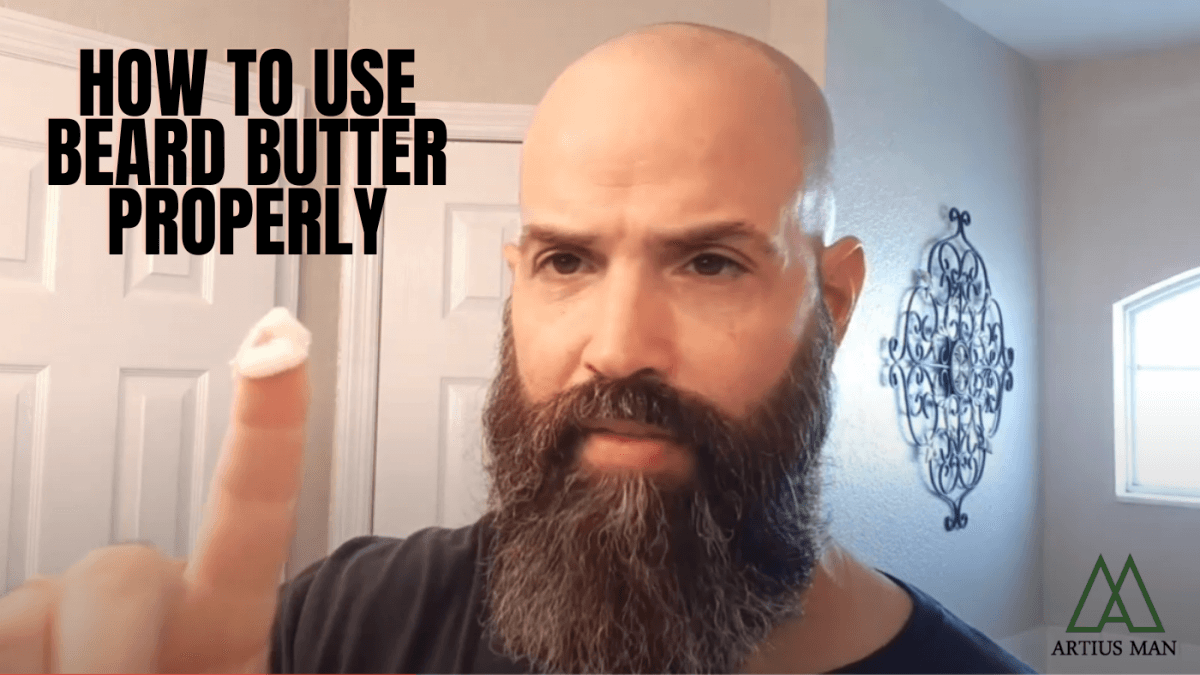
The rise of the “grooming lifestyle” brand has transformed the facial hair industry from a utilitarian commodity market into a high-engagement ecosystem. Within this ecosystem, beard butter serves as the “hero product” that facilitates deep brand loyalty. By examining what beard butter does from a brand strategy perspective, we can uncover how modern companies leverage product education to build authority, differentiate themselves in crowded marketplaces, and drive long-term customer lifetime value.
The Anatomy of a Niche Category: How Beard Butter Defined the Grooming Space
To understand the brand power of beard butter, one must first look at the product’s functional role. Before its mainstream adoption, the market was bifurcated: there were beard oils for skin hydration and beard balms for styling and hold. However, a significant segment of the consumer base remained underserved—those looking for deep conditioning without the heavy wax content of a balm or the thin, oily residue of a traditional oil.
Bridging the Gap Between Balm and Oil
From a product development standpoint, beard butter was engineered to fill this “middle-ground” void. It is a creamier, softer formulation that prioritizes hair nourishment over structural hold. By creating a product that “does” what others couldn’t—providing an overnight conditioning treatment that doesn’t feel greasy—brands were able to manufacture a new category of need. This is a classic brand strategy: instead of competing in the saturated oil or balm markets, innovators defined a third path.
This strategic positioning allowed brands to expand the “grooming routine” of their customers. Instead of a single-step process, the introduction of beard butter encouraged a multi-product regimen. This transition from “single-use” to “system-based” grooming is what separates market leaders from generic competitors. It transforms the brand from a vendor of a commodity into a provider of a comprehensive lifestyle solution.
The Narrative of Moisture and Control
The marketing narrative surrounding what beard butter does focuses heavily on the “softness” and “manageability” of the beard. In branding, sensory language is a powerful tool. Brands that successfully sell beard butter don’t just list ingredients; they sell the feeling of a “tamed” and “supple” beard. This narrative appeals to a specific psychographic: the modern man who views grooming as an act of self-care rather than a chore. By framing beard butter as a luxury treatment that provides deep moisture, brands elevate the product from a basic grooming tool to a premium experience.
Brand Strategy and the Power of Educational Marketing
In the digital age, the most successful brands are those that provide the most value before a transaction even takes place. The question “What does beard butter do?” is more than a search query; it is a point of entry into a brand’s funnel. Companies like Beardbrand and Live Bearded have built multi-million dollar empires by answering these fundamental questions through robust content marketing strategies.
Solving the “What Is It?” Problem
When a consumer asks what a product does, they are signaling a problem that needs a solution. Brands that provide the clearest, most authoritative answer win the customer’s trust. By creating high-quality articles, videos, and tutorials explaining the benefits of beard butter—such as its ability to eliminate “beardruff” (beard dandruff) or soften coarse hairs—brands establish themselves as the “expert in the room.”
This educational approach does two things for the brand’s identity. First, it lowers the barrier to entry. Many men are hesitant to try new grooming products for fear of complexity or looking “over-groomed.” Educational content demystifies the product. Second, it builds “Expertise, Authoritativeness, and Trustworthiness” (E-E-A-T), which is critical for organic search rankings and consumer confidence. When a brand explains that beard butter is the ideal solution for nighttime hydration, they aren’t just selling a product; they are offering a prescription for a better grooming experience.
Building Authority through Utility Content

The strategic use of utility content—content that serves a functional purpose for the user—is a cornerstone of modern branding. By providing comprehensive guides on how to use beard butter, when to apply it, and how it differs from other products, a brand integrates itself into the user’s daily life. This creates a psychological “hook.” Once a consumer relies on a brand’s expertise to manage their appearance, they are significantly more likely to purchase that brand’s products. The product itself becomes a tangible extension of the advice given, reinforcing the brand’s value proposition every time the customer uses it.
Differentiation in a Crowded Market: The “Beard Butter” Identity
As the men’s grooming market becomes increasingly crowded, differentiation is the only path to survival. The “Beard Butter” category allows brands to showcase their unique identity through ingredient selection, scent profiles, and packaging design.
Sensory Branding and Ingredients
What beard butter “does” is often defined by what is inside the jar. Premium brands use this opportunity to lean into “clean label” trends. By using organic shea butter, cold-pressed mango butter, and therapeutic-grade essential oils, a brand signals its commitment to quality and health. This aligns the brand with the “conscious consumer” movement.
Furthermore, sensory branding—the specific scent of the butter—becomes a signature for the brand. A woodsy, cedarwood-heavy scent profile might position a brand as “rugged and traditional,” while a citrus and mint profile might suggest “modern and energetic.” Because beard butter sits on the face all day, the scent is a constant reminder of the brand. This creates a sensory anchor that fosters a deep emotional connection between the consumer and the product.
Packaging as a Brand Signal
The physical vessel of the beard butter also plays a crucial role in brand perception. Whether it’s a minimalist amber glass jar or a rugged, vintage-inspired tin, the packaging communicates the brand’s story. In a retail environment, the packaging must answer “what does this do?” through visual cues alone. Sophisticated typography and matte finishes suggest a high-end, professional product, while bold colors and hand-drawn illustrations might target a younger, more experimental demographic. The packaging is the first point of physical contact, and it must reinforce the brand promise of quality and efficacy.
Converting Interest into Loyalty: The Customer Journey
The ultimate goal of any brand strategy is to move a customer from the “awareness” stage to the “advocacy” stage. Beard butter is an exceptionally effective tool for this transition because of its high “re-purchase” potential and its role in a recurring routine.
Leveraging the Lifestyle Brand Aesthetic
Successful grooming brands don’t just sell products; they sell an aesthetic. By showing beard butter in the context of a well-curated life—alongside high-quality coffee, well-made tools, or professional attire—brands elevate the product. This lifestyle branding makes the consumer feel that by using the product, they are part of an exclusive community of men who take pride in their appearance.
This community-building is often facilitated through social media, where brands encourage users to share their “beard journeys.” Beard butter, with its transformative effect on the look and feel of a beard, provides the “before and after” results that drive engagement. When a user sees another person’s success with the product, the question of “what does it do?” is answered through social proof, which is the most powerful form of marketing.

Subscription Models and Recurring Revenue
Because beard butter is a consumable product used daily, it is the perfect candidate for subscription-based business models. Brands that can successfully explain the product’s value can easily transition customers into a monthly or bi-monthly delivery schedule. This creates a predictable revenue stream and deepens the brand’s integration into the customer’s life.
From a financial and brand health perspective, the “stickiness” of a product like beard butter is invaluable. It is not a one-time purchase like a beard comb or a pair of scissors; it is a recurring necessity. By mastering the narrative of what beard butter does—and why it is essential for the health of the beard—brands secure a permanent spot in the consumer’s bathroom cabinet.
In conclusion, beard butter is a testament to the power of strategic product positioning. By identifying a specific need, educating the market on the solution, and wrapping that solution in a compelling brand narrative, companies have turned a simple mixture of fats and oils into a multi-million dollar category. For any brand looking to dominate a niche, the lesson of beard butter is clear: success lies in the ability to define exactly what your product does in a way that resonates emotionally and functionally with your audience.
aViewFromTheCave is a participant in the Amazon Services LLC Associates Program, an affiliate advertising program designed to provide a means for sites to earn advertising fees by advertising and linking to Amazon.com. Amazon, the Amazon logo, AmazonSupply, and the AmazonSupply logo are trademarks of Amazon.com, Inc. or its affiliates. As an Amazon Associate we earn affiliate commissions from qualifying purchases.