
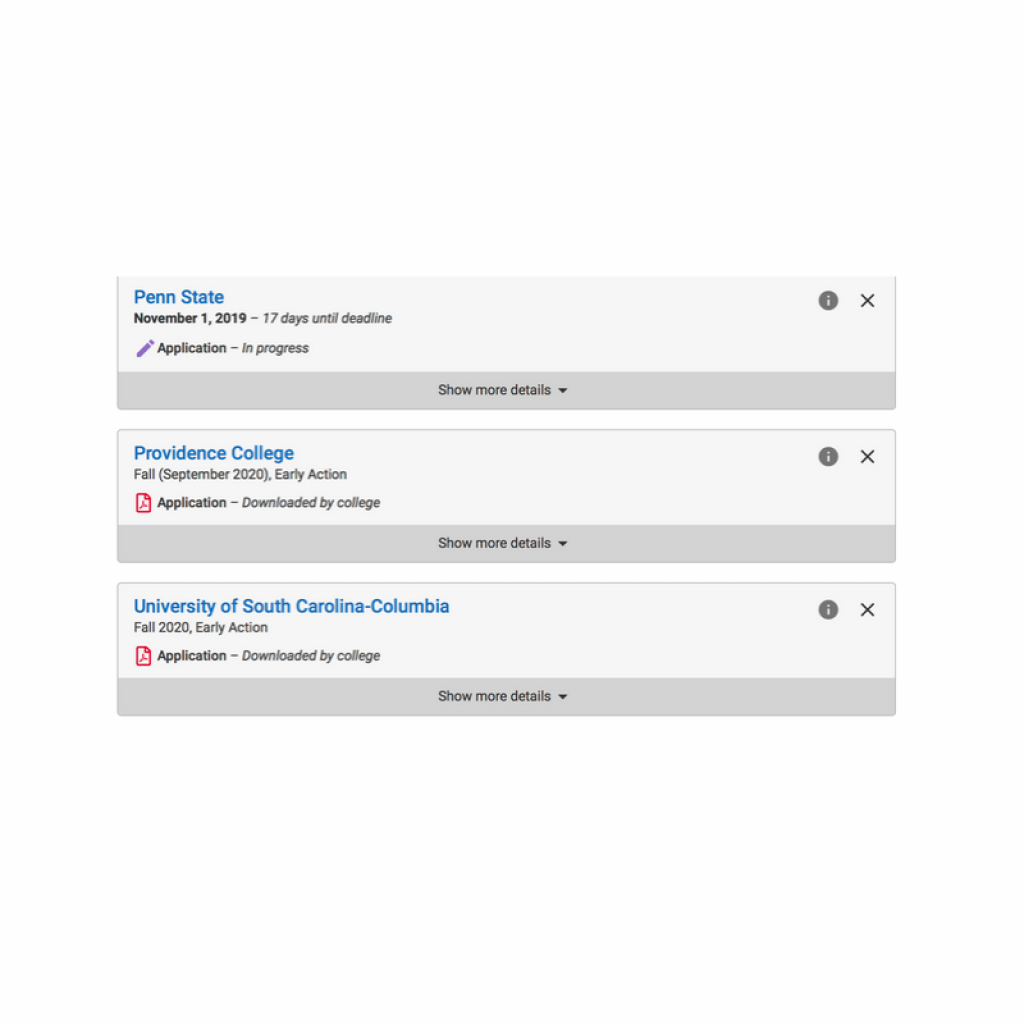
In the contemporary landscape of higher education, the phrase “application downloaded by college” often sparks curiosity, sometimes even a flicker of anxiety, among prospective students. Far from being a simple file transfer in the traditional sense, this seemingly innocuous notification or internal process descriptor signifies a sophisticated orchestration of technology, data management, and strategic decision-making. At its core, it speaks to the profound digital transformation that has swept through college admissions, shifting from cumbersome paper-based systems to highly integrated, software-driven ecosystems. This article delves into the technological underpinnings of this process, demystifying what it truly means when a college “downloads” an application and exploring the intricate digital infrastructure that supports modern higher education admissions.
The Digital Backbone of College Admissions
The journey of a college application, from a prospective student’s hopeful click of a “submit” button to an admissions officer’s final decision, is largely a digital one. What was once a logistical nightmare of physical mail, file cabinets, and manual data entry has evolved into a streamlined, interconnected network of specialized software and databases.
From Paper Piles to Pixel Streams: The Evolution of Application Management
The advent of the internet fundamentally reshaped how colleges recruit, receive, and review applications. The early 2000s saw a gradual shift from paper forms requiring endless signatures and attachments to online portals that promised efficiency and accessibility. This evolution wasn’t merely about digitizing existing processes; it heralded a complete rethinking of the admissions lifecycle. Digital applications eliminated geographical barriers, significantly reduced processing times, and enabled colleges to handle a much larger volume of submissions with greater accuracy.
The benefits extend beyond mere convenience. Digital systems allow for robust data analysis, providing admissions teams with insights into applicant demographics, academic trends, and enrollment patterns that were previously impossible to gather or too time-consuming to compile manually. This data-driven approach not only optimizes recruitment strategies but also helps institutions build diverse and academically strong incoming classes. Furthermore, it fosters a more transparent and efficient experience for applicants, reducing the stress associated with tracking physical mail and ensuring prompt communication.
Key Software Systems Powering the Process
At the heart of this digital transformation are powerful software platforms designed specifically for the unique needs of higher education. These systems work in concert, each playing a crucial role in managing the vast amounts of information generated throughout the admissions cycle.
Applicant Tracking Systems (ATS) / Customer Relationship Management (CRM) in Higher Ed: These are perhaps the most critical components. While “ATS” is more commonly associated with corporate hiring, colleges utilize sophisticated CRM platforms (like Slate, Salesforce Education Cloud, and TargetX) that function similarly. These systems serve as the central hub for all applicant data, tracking interactions from initial inquiry to enrollment. They manage application submissions, supplementary documents, recommendations, test scores, and communications. The “downloading” of an application often refers to the internal ingestion and processing of data into these CRM systems, making it accessible to various admissions officers. These platforms facilitate workflow automation, allowing admissions teams to set up rules for document verification, assign applications for review, and automate personalized communications.
Student Information Systems (SIS): Once an applicant is admitted and enrolls, their data often migrates from the admissions CRM to a comprehensive Student Information System (like Banner, Workday, or Colleague). The SIS becomes the primary record-keeping system for everything related to a student’s academic journey, including course registration, grades, financial aid, housing assignments, and degree progress. The seamless integration between the admissions CRM and the SIS is vital for ensuring a smooth transition for new students and maintaining a consistent data record.
Document Management Systems (DMS): Beyond structured data, applications often include unstructured documents such as essays, portfolios, transcripts, and recommendation letters. Dedicated Document Management Systems, sometimes integrated within CRMs or SIS, are used to store, organize, and retrieve these files securely. These systems employ optical character recognition (OCR) and intelligent indexing to make sense of scanned documents and ensure all necessary information is attached to the correct applicant’s profile.
The “Download” in Action: A Deeper Look at Data Flow
The act of an application being “downloaded” by a college is not a singular event but rather a phase within a multi-stage digital process. It represents the moment the institution formally receives and begins to process the submitted data.
The Moment of Submission: How Applications Enter the System
For most applicants, the journey begins by submitting their application through a centralized portal like the Common Application or the Coalition Application, or directly via an institution’s proprietary online portal. These platforms act as conduits, collecting all necessary information and documents.
Upon submission, the data doesn’t typically sit in a limbo state. Instead, it’s immediately transmitted to the colleges designated by the applicant. This transmission often occurs through secure data feeds or integrations between the application portal and the college’s admissions CRM/ATS. The “download” in this context refers to the college’s system ingesting this data into its internal database. This process involves:
-
Data Capture: The applicant’s entered information is parsed and structured.
-
File Transfer: Attached documents (transcripts, essays, letters) are securely transferred and linked to the applicant’s profile.
-
Initial Validation: The system may perform initial checks to ensure all required fields are filled and documents are attached.
-
Profile Creation: A unique digital profile for the applicant is created within the college’s admissions system.
This ingestion process is largely automated, ensuring that applications are received promptly and accurately.
Internal Processing: What Happens After the “Download”
Once the application data resides within the college’s internal systems, a complex series of internal processes begins. This is where the true work of admissions officers and administrative staff takes place, facilitated by the underlying technology.
Centralized Databases: All applicant information, from demographic data to academic records and supplemental essays, is stored in a centralized, secure database. This ensures that all authorized personnel have access to the most up-to-date and complete profile of each applicant.

Reviewer Queues and Assignment: Admissions systems are designed to manage vast pipelines of applications. Once “downloaded,” applications are often assigned to specific admissions officers for review based on various criteria, such as geographic region, intended major, or even randomized assignment to ensure fairness. The system creates digital queues, allowing reviewers to access applications electronically, often from remote locations.
Annotation, Scoring, and Decision-Making Tools: Reviewers no longer need to scribble notes on physical papers. Modern admissions software provides tools for annotating documents digitally, entering qualitative assessments, and assigning scores based on predefined rubrics. These tools streamline the evaluation process and provide a standardized framework for decision-making. Committees can review applications collaboratively, and the system can track the progress of each application through multiple review stages, culminating in acceptance, waitlist, or denial.
Integration with Other College Systems: A downloaded application’s journey doesn’t end with an admissions decision. For accepted students, relevant data is integrated with other college systems. For example, financial aid offices access applicant data to determine eligibility and package aid offers. Housing departments might use demographic information for planning, and academic advisors might review intended majors to prepare for orientation. This seamless flow of information prevents duplication of effort and ensures a holistic view of each student.
Ensuring Security and Data Integrity in a Digital Age
The shift to digital admissions, while offering immense advantages, also introduces significant responsibilities regarding data security and privacy. Colleges handle highly sensitive personal and financial information, making robust cybersecurity measures paramount.
Protecting Sensitive Applicant Information
The data contained within an application – personal identifiers, academic records, financial details, and even health information – is highly confidential. Colleges are legally and ethically obligated to protect this data from unauthorized access, misuse, or breaches.
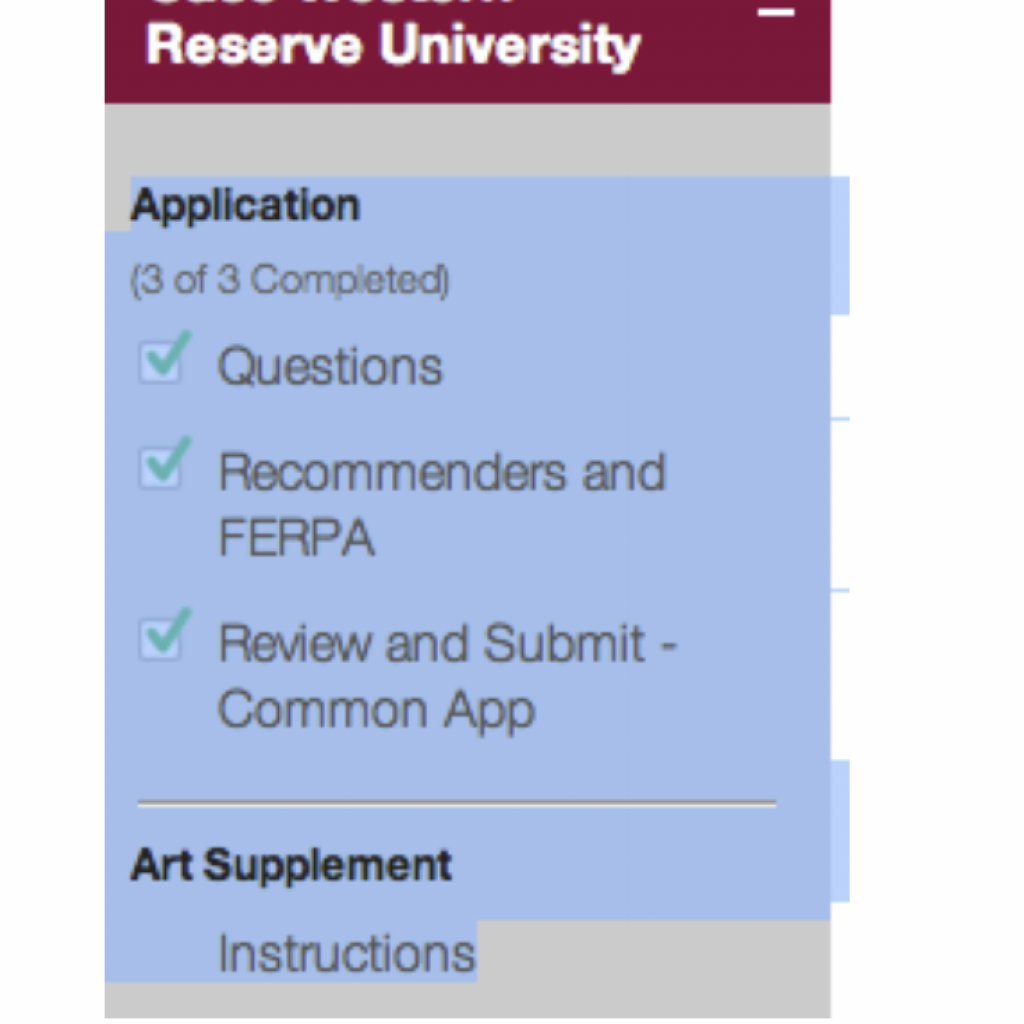
Compliance with Regulations: Institutions must adhere to strict data privacy regulations, such as the Family Educational Rights and Privacy Act (FERPA) in the United States, which governs the privacy of student educational records, and the General Data Protection Regulation (GDPR) for applicants from the European Union. These regulations dictate how data is collected, stored, processed, and shared, imposing significant penalties for non-compliance.
Technical Safeguards: To protect data, colleges employ a multi-layered approach to cybersecurity:
-
Encryption: All data, both in transit and at rest, is encrypted to prevent unauthorized interception or access.
-
Access Controls: Role-based access ensures that only authorized personnel can view or modify specific types of data, with different levels of access granted based on job function.
-
Secure Servers and Data Centers: Applications and databases are hosted on secure servers, often in specialized data centers with physical security, environmental controls, and redundant power systems.
-
Regular Audits and Penetration Testing: Systems are regularly audited for vulnerabilities, and penetration tests are conducted to simulate cyberattacks and identify weaknesses before malicious actors can exploit them.
The Role of Cloud Computing and Cybersecurity
Many colleges leverage cloud-based solutions for their admissions systems. Software-as-a-Service (SaaS) platforms, where vendors host and manage the software and data infrastructure, offer several advantages.
Scalability and Reliability: Cloud solutions provide the scalability needed to handle peak application periods and the reliability to ensure continuous access to critical systems. They often come with built-in redundancy and disaster recovery capabilities.
Expertise and Shared Security Responsibility: While cloud providers offer advanced security features, colleges still bear the responsibility for proper configuration and user management. This involves rigorous vendor selection, ensuring that cloud partners comply with all relevant security standards and regulations. The shared security model requires clear understanding and collaboration between the college and its cloud vendor.
Continuous Monitoring and Threat Detection: Advanced cybersecurity tools are employed for continuous monitoring of network traffic, system logs, and user activity to detect and respond to potential threats in real-time. This includes intrusion detection systems, firewalls, and anti-malware solutions. Training staff on data security best practices and phishing awareness is also a critical component of a comprehensive cybersecurity strategy.
The Future of Digital Admissions: AI, Automation, and Personalization
The digital transformation of college admissions is an ongoing process. Emerging technologies like Artificial Intelligence (AI) and further automation promise to refine the “application downloaded” experience even further, making it more efficient for institutions and more engaging for applicants.
Leveraging AI for Efficiency and Insights
AI and machine learning are poised to revolutionize several aspects of the admissions process.
-
AI-Powered Initial Screening: AI algorithms can be trained to perform initial screenings of applications, identifying candidates who meet specific criteria or flagging applications that require closer human review. This can significantly reduce the manual workload for admissions officers, allowing them to focus on more nuanced evaluations.
-
Predictive Analytics for Enrollment Management: AI can analyze historical data to predict enrollment trends, identify “melt” (accepted students who don’t enroll), and even forecast the likelihood of an applicant accepting an offer. This enables colleges to optimize their recruitment efforts and manage their yield more effectively.
-
Chatbots for Applicant Support: AI-powered chatbots can provide instant answers to common applicant questions, guide them through the application process, and offer personalized support 24/7. This improves the applicant experience and frees up admissions staff to handle more complex inquiries.
Ethical considerations, particularly concerning bias in AI algorithms and the need for human oversight, are critical as these technologies become more prevalent.
Hyper-Personalization and Enhanced Applicant Experience
Beyond efficiency, future digital admissions will focus on creating a highly personalized and engaging experience for prospective students.
-
Tailored Communication Streams: Using AI and advanced CRM capabilities, colleges can deliver highly personalized communication to applicants based on their interests, academic profile, and stage in the application process. This could include targeted emails about specific programs, virtual events relevant to their major, or financial aid information.
-
Interactive Engagement: The future will see more immersive digital experiences, such as virtual reality (VR) campus tours, augmented reality (AR) experiences that bring campus life to applicants’ homes, and interactive application components that allow students to showcase their skills in dynamic ways.
-
Streamlined Decision Communication: Decision letters and enrollment steps will likely become even more interactive and user-friendly, guiding accepted students through their next steps with personalized portals and checklists, integrating seamlessly with financial aid and housing processes.
In conclusion, “application downloaded by college” is far more than a simple digital transaction. It represents the successful ingestion of an applicant’s profile into a complex, technologically advanced ecosystem. This system is designed to streamline review processes, enhance data security, and ultimately, facilitate the crucial mission of colleges to identify and enroll the next generation of students. As technology continues to evolve, so too will the digital journey of the college application, promising ever-greater efficiency, security, and personalization in the admissions landscape.
aViewFromTheCave is a participant in the Amazon Services LLC Associates Program, an affiliate advertising program designed to provide a means for sites to earn advertising fees by advertising and linking to Amazon.com. Amazon, the Amazon logo, AmazonSupply, and the AmazonSupply logo are trademarks of Amazon.com, Inc. or its affiliates. As an Amazon Associate we earn affiliate commissions from qualifying purchases.