
For many, the phrase “oven pilot light” conjures images of a bygone era, a small, steadfast flame that silently fueled countless home-cooked meals. Yet, for a significant portion of older appliances still in use, this tiny flicker remains the heart of the cooking mechanism. Understanding what an oven pilot light looks like isn’t just a matter of curiosity; it’s a window into the evolution of home technology, the strategic branding decisions of appliance manufacturers, and the ongoing financial implications for homeowners. This seemingly simple component embodies a rich history and a stark contrast with the sophisticated, electronically ignited ovens of today, revealing a fascinating interplay between mechanics, digital innovation, market forces, and personal finance.

The Anatomy of a Traditional Pilot Light: A Legacy of Fire
Before the advent of modern electronic ignition systems, gas ovens relied on a continuous flame – the pilot light – to ignite the main burners when called upon. It was a marvel of its time, providing convenience and reliability that far surpassed manually lighting burners with a match.
Visual Characteristics and Function
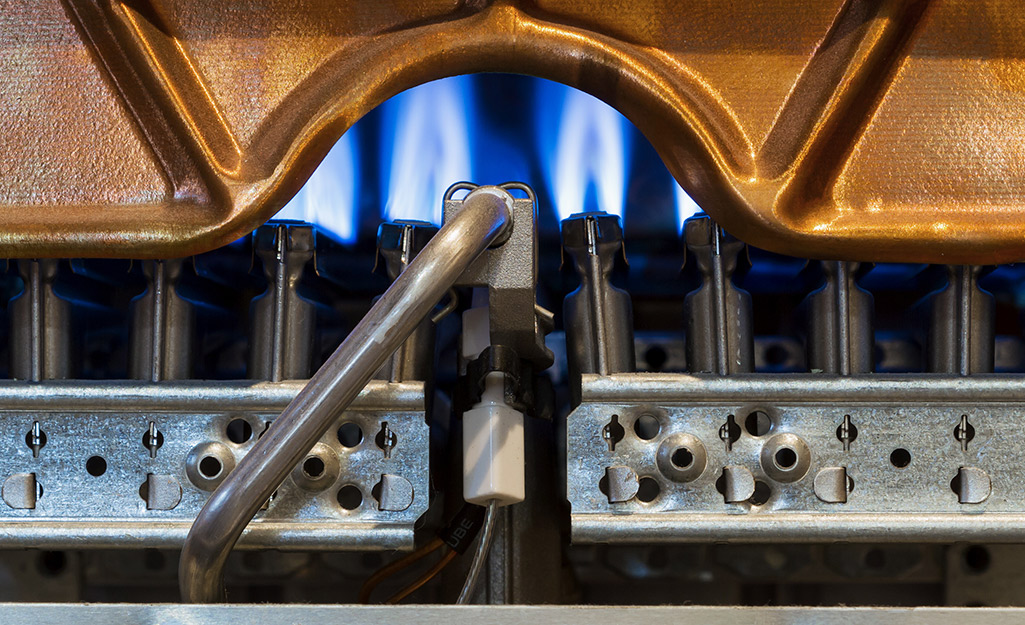
Visually, an oven pilot light is typically a very small, steady blue flame, usually no more than half an inch to an inch tall. It’s often located near the main burner assembly, sometimes tucked away slightly, but always visible if you know where to look. The flame should be sharp and consistently blue, indicating a clean burn. A yellow or orange flame, or one that flickers erratically, could signify an issue with gas flow or combustion, warranting attention.
Its primary function is elegantly simple: to provide a constant source of ignition for the oven’s main burner. When you set the oven to a desired temperature, a thermostat opens a gas valve, allowing gas to flow to the main burner. This gas then makes contact with the always-lit pilot flame, igniting the main burner to heat the oven cavity. Crucially, traditional pilot lights are connected to a safety mechanism, often a thermocouple or thermopile. This small metal probe sits within the pilot flame, generating a tiny electrical current that signals to the gas valve that the pilot is lit. If the pilot flame goes out for any reason, the thermocouple cools, the current stops, and the gas valve automatically closes, preventing raw gas from filling your home – a critical safety feature of early appliance tech.
Why Pilot Lights Existed: A Glimpse into Early Appliance Technology
The existence of pilot lights speaks volumes about the technological landscape of their time. In an era predating sophisticated microprocessors and reliable electronic igniters, the pilot light represented the pinnacle of convenience and safety for gas appliances. It eliminated the need for manual ignition, making cooking more accessible and less cumbersome. From a design and engineering perspective, it was a robust, purely mechanical system, requiring minimal external power beyond the gas supply itself.
This “set it and forget it” simplicity was a significant selling point, shaping the brand image of early appliance manufacturers. They offered dependable, user-friendly solutions that reduced household chores. While considered primitive by today’s standards, the pilot light was a cornerstone of household technology for decades, showcasing a fundamental approach to combustion engineering where a small, continuous expenditure of energy (the pilot flame) ensured readiness for larger energy demands (the main burner). Its reliability, even with its inherent inefficiencies, cemented its place in kitchens across the globe, becoming synonymous with the very idea of a gas oven.
The Technological Leap: From Constant Flame to Digital Spark
The shift from the steadfast pilot light to electronic ignition systems marks one of the most significant technological revolutions in kitchen appliances. This transition wasn’t just about changing how an oven lights; it was about embracing greater efficiency, enhanced safety, and paving the way for the “smart kitchen” – a testament to how Tech infiltrates every aspect of our lives.
The Dawn of Electronic Ignition: How Technology Replaced the Constant Flame
The demise of the pilot light began with the development of reliable electronic ignition systems in the latter half of the 20th century. These systems eliminate the need for a continuously burning flame by using an electrical spark or a superheated element to ignite the gas only when needed.
There are primarily two types of electronic igniters:
- Glow Bar Igniters: These are the most common for gas ovens. A silicon carbide igniter heats up to a glowing orange-red temperature when the oven is turned on. Once hot enough, it causes the gas valve to open, and the hot igniter then ignites the gas. This process takes a few seconds and consumes a relatively small amount of electricity during ignition.
- Spark Igniters: More commonly found in gas cooktops and some newer ovens, these produce a rapid series of electrical sparks, similar to a grill igniter, to ignite the gas. A “click-click-click” sound is characteristic of a spark igniter in operation.
The core technology behind both is the same: replace a constant, energy-consuming flame with an on-demand, electrically generated ignition. This innovation represented a leap in appliance design, moving from purely mechanical and thermal systems to electromechanical and ultimately digital control, setting the stage for more complex automation.
The Tech Advantage: Safety, Efficiency, and Smart Ovens
The transition to electronic ignition brought a host of benefits that resonated with both consumers and appliance manufacturers, fundamentally changing the brand messaging and economic viability of gas ovens.
- Enhanced Safety: Perhaps the most compelling advantage is safety. With no pilot light constantly burning, there’s no risk of a flame being extinguished by a draft, debris, or a sudden gas surge, leading to uncombusted gas accumulating in the kitchen. Electronic igniters only activate when gas is intentionally flowing, and many incorporate lockout features or automatic shut-offs if ignition fails. This reduces the risk of gas leaks and potential fire hazards, providing significant peace of mind.
- Energy Efficiency: A continuously burning pilot light, while small, still consumes gas 24/7. Over a year, this can add up to a measurable amount of wasted energy and higher utility bills. Electronic ignition systems, by contrast, only use gas (and a small amount of electricity) during the brief ignition cycle. This money-saving aspect became a major selling point, aligning with growing consumer awareness about energy conservation and environmental impact.
- Paving the Way for Smart Ovens: The integration of electronic igniters necessitated more sophisticated electrical wiring and control boards in ovens. This foundation was critical for the next wave of tech innovation: smart ovens. Today’s high-end ovens feature digital displays, precise temperature control, multiple cooking modes, self-cleaning cycles, and even Wi-Fi connectivity. These “smart” features allow for remote control via smartphone apps, integration with voice assistants, and even AI-driven diagnostics. From pre-heating the oven on your commute home to receiving alerts when your meal is done, the initial electronic ignition paved the way for a fully digitized, interconnected kitchen experience that aligns with modern Tech trends.
Brand Narratives and Economic Realities: Marketing the Modern Kitchen
The shift from pilot lights to electronic ignition wasn’t just an engineering feat; it was a profound transformation in how appliance brands positioned themselves in the market and how consumers perceived the value and cost of their kitchen investments.
Shaping Brand Identity: Innovation as a Selling Point
In the competitive appliance market, innovation is a powerful differentiator. Manufacturers like Whirlpool, GE, Samsung, LG, and Bosch quickly recognized the marketing potential of electronic ignition. They began to frame their new models around key benefits: “No Pilot Light – Save Energy!” or “Advanced Safety Features for Your Family.” This wasn’t just about selling a product; it was about crafting a brand narrative that associated their name with modernity, responsibility, and consumer well-being.
- Safety and Reliability: Brands emphasized the reduced risk of gas leaks and the inherent safety of systems that only activate on demand. This built trust and reassured consumers, a crucial factor in appliance purchases.
- Convenience and Modernity: The absence of a pilot light, coupled with digital controls, allowed brands to showcase sleek, minimalist designs that appealed to contemporary aesthetics. Marketing campaigns highlighted the ease of use and the “future-forward” nature of their products, moving away from the more industrial feel of older models.
- Energy Efficiency and Sustainability: As environmental awareness grew, brands leveraged the energy-saving aspect of electronic ignition. They positioned their products not just as efficient for the household budget but also as a more environmentally friendly choice, aligning with a broader trend in corporate social responsibility.
For many years, the presence of electronic ignition became a standard feature, almost an expectation, pushing brands to further innovate with Wi-Fi connectivity, touchscreens, specialized cooking modes, and professional-grade performance, all building on the electronic foundation laid by the igniter. This constant drive for innovation ensures that brand messaging remains fresh and appealing, continually redefining what a “modern kitchen” means.
The Monetary Equation: Energy Savings, Maintenance, and Appliance Investment
The economic implications of the pilot light versus electronic ignition are multifaceted, impacting everything from monthly utility bills to long-term appliance investment and maintenance costs.
- Energy Bills: The most direct money saving comes from the elimination of continuous gas consumption. While a single pilot light’s gas usage is small (often equivalent to a few cents a day), over an entire year, it can easily add up to $10-$30 or more, depending on gas prices and the specific appliance. Across millions of households, this amounts to significant national energy savings. For the homeowner, it’s a small but consistent saving that contributes to lower utility bills.
- Maintenance and Repair Costs: The cost of maintaining and repairing pilot light systems versus electronic igniters differs. Pilot lights, being mechanical, were prone to specific issues: clogged orifices from debris, or a failing thermocouple that would cause the pilot to go out. These repairs were often straightforward and relatively inexpensive, sometimes even a DIY fix. Electronic igniters, while generally reliable, can fail due to electrical issues or simply age. Replacement parts (the igniter itself, or sometimes the control board) can be more expensive than pilot light components, and their diagnosis and replacement often require a professional appliance technician, adding labor costs. However, the frequency of issues might be lower with modern systems.
- Appliance Investment: Ovens with electronic ignition, especially those with advanced features, typically carry a higher upfront purchase price than older, basic pilot-light models. This represents an investment decision for the consumer. While the initial outlay is greater, the long-term benefits of energy savings, enhanced safety, convenience, and potentially longer appliance lifespan (due to better engineering) often justify the cost. Modern, energy-efficient appliances can also add to a home’s resale value, making them a wise financial decision for property owners. The “Total Cost of Ownership” for an appliance now includes not just the purchase price but also energy consumption, maintenance, and potential resale impact.
Navigating Your Oven’s Ignition System: Maintenance in a Modern World
Regardless of whether your oven sports a vintage pilot light or a cutting-edge electronic igniter, proper maintenance and understanding its operation are crucial for safety, efficiency, and prolonging its lifespan. In our increasingly digital world, access to information and troubleshooting guides (part of the Tech umbrella of tutorials and digital security) empowers homeowners.
Troubleshooting Tips: Old School Pilot vs. New Age Igniter
Knowing how to address common issues can save money on service calls and ensure your oven is always ready to bake.
- For Pilot Lights:
- Pilot Goes Out: First, check if the gas supply valve is open. Next, visually inspect the pilot orifice for blockages (food debris, grease). A small needle or compressed air can often clear it. If the flame doesn’t stay lit after manual relighting, the thermocouple might be failing. This is a common part that can be replaced, often by a skilled DIYer using online tutorials or a professional. Always follow safety instructions when dealing with gas.
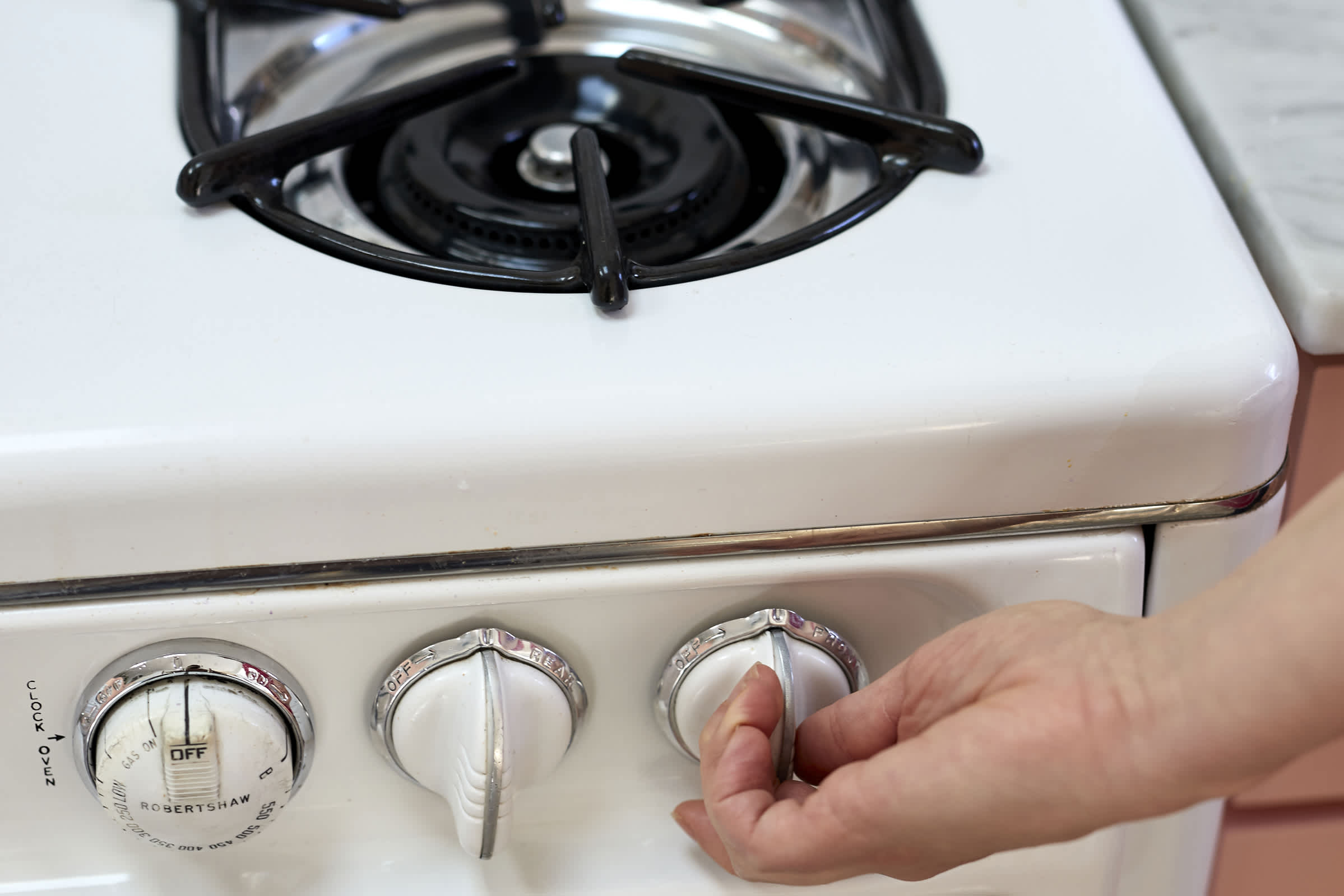
- Relighting: Most ovens have specific instructions near the control panel. This usually involves pressing a button or turning a knob to “Pilot” or “Off,” holding it to allow gas to flow, and carefully lighting the pilot with a long match or lighter. Keep holding for 30-60 seconds for the thermocouple to heat up before releasing.
- For Electronic Igniters:
- No Ignition/No Heat: If your oven isn’t heating, listen for the characteristic “click-click-click” of a spark igniter or look for the glow of a glow bar igniter. If there’s no sound or glow, the igniter itself may be faulty, or there could be an issue with the oven’s control board or gas valve.
- Slow Ignition: If a glow bar igniter is glowing but taking a long time to ignite the gas, it might be weakening and not getting hot enough to open the gas valve fully or to ignite the gas quickly. This is often a precursor to complete failure.
- Troubleshooting Resources: Modern appliances often have comprehensive troubleshooting guides in their manuals or accessible online via the brand’s website. There are also numerous YouTube tutorials and forums dedicated to appliance repair, allowing users to diagnose common issues and potentially perform simple fixes, boosting productivity in their home maintenance efforts. For complex electrical or gas issues, always consult a certified professional to ensure digital security (of accurate information) and physical safety.
The Future of Kitchen Tech: Beyond the Pilot Light
The journey from a rudimentary pilot light to advanced electronic igniters is far from over. The future of kitchen tech promises even more sophisticated ignition and control systems. We can anticipate greater integration with home energy management systems, allowing ovens to operate during off-peak hours to save money. Predictive maintenance, driven by AI and IoT sensors, could alert homeowners to potential igniter issues before they become critical, streamlining repairs and improving appliance longevity.
Modular designs, self-diagnosing systems, and even more precise temperature control mechanisms will continue to evolve, making cooking more efficient, safer, and more personalized. While the pilot light remains a nostalgic echo of earlier times, its evolution into modern electronic systems demonstrates an unwavering commitment to innovation, shaping the brands we trust and the money we invest in our homes. The humble act of lighting an oven has truly become a microcosm of the interconnected world of Tech, Brand, and Money.
aViewFromTheCave is a participant in the Amazon Services LLC Associates Program, an affiliate advertising program designed to provide a means for sites to earn advertising fees by advertising and linking to Amazon.com. Amazon, the Amazon logo, AmazonSupply, and the AmazonSupply logo are trademarks of Amazon.com, Inc. or its affiliates. As an Amazon Associate we earn affiliate commissions from qualifying purchases.