
In the high-stakes environment of the modern operating room, the focus is often on the surgeon’s precision or the anesthesiologist’s clinical judgment. However, beneath the surface of every successful surgical procedure lies a complex infrastructure of advanced medical technology that requires specialized management. This is the domain of the anesthesia technologist.
Far from being mere assistants, anesthesia technologists are the primary stewards of the sophisticated hardware and software suites that keep patients safe during surgery. As healthcare moves toward a more digitized, AI-driven future, the role of the anesthesia technologist has evolved into a high-tech discipline focused on systems integration, digital data management, and the maintenance of life-critical electronic devices.
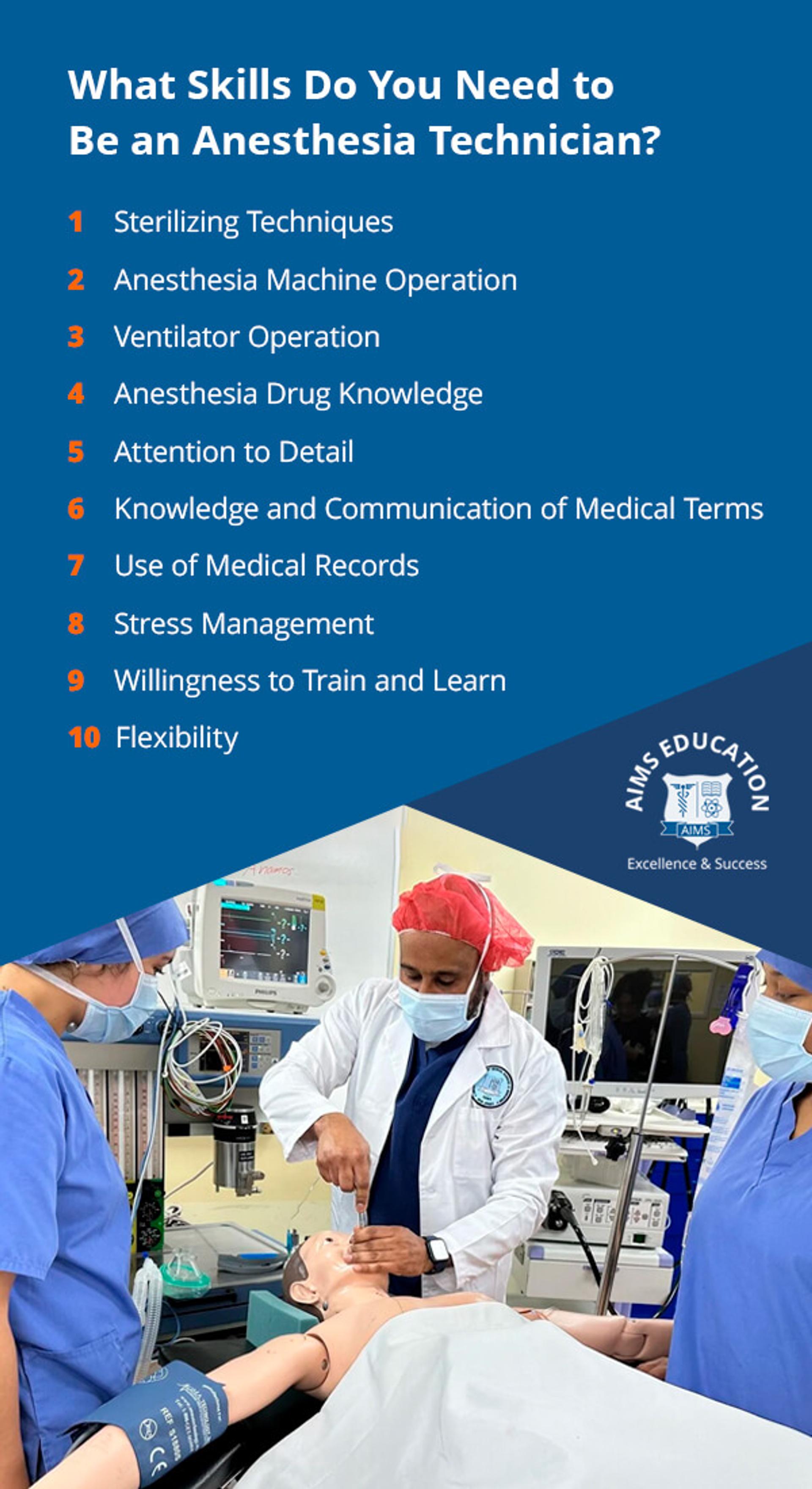
The Technological Ecosystem of the Modern Operating Room
The modern surgical suite is a masterpiece of engineering. An anesthesia technologist’s primary responsibility is to manage this ecosystem, ensuring that every piece of hardware is synchronized and functioning within exact parameters.
Advanced Physiological Monitoring Systems
The core of an anesthesia technologist’s toolkit is the physiological monitor. These devices are no longer simple heart rate screens; they are multi-parameter computer systems that process real-time data from various sensors. Anesthesia technologists must be experts in the setup and troubleshooting of pulse oximetry, capnography, and invasive hemodynamic monitoring.
They manage the transducers and signal processing units that convert physical pressure—such as arterial blood pressure—into digital data streams. This requires a deep understanding of electronic signal interference and the ability to calibrate sensors to ensure that the data the anesthesiologist sees is 100% accurate. In a tech-centric world, a calibration error of even a fraction can lead to incorrect clinical decisions.
Precision Drug Delivery and Infusion Technology
The delivery of anesthesia has moved away from manual titration toward automated infusion technology. Anesthesia technologists manage “Smart Pumps”—computerized pumps equipped with dose-error reduction software (DERS). These devices contain drug libraries that prevent the accidental administration of toxic doses.
Technologists are responsible for ensuring these devices are properly interfaced with the hospital’s wireless network to receive software updates and data logs. They also manage the anesthesia workstation itself—a complex machine that blends medical gases and vapors with surgical precision. Understanding the pneumatic circuitry and the electronic flow sensors within these machines is a fundamental technical requirement of the job.
Digital Integration and Anesthesia Information Management Systems (AIMS)
In the current era of HealthTech, the “paper chart” is a relic of the past. The anesthesia technologist is now a key player in the management of Anesthesia Information Management Systems (AIMS). These software platforms represent the “Digital Brain” of the perioperative environment.
Transitioning from Paper to Digital Records
Anesthesia technologists ensure that the integration between the medical hardware and the electronic health record (EHR) is seamless. When a patient is moved into the operating room, the technologist must ensure that the physiological monitors are correctly “talking” to the AIMS software. This digital handshake allows for the automated capture of vital signs every few seconds, creating a high-fidelity record of the patient’s status.
The technologist acts as a first-line troubleshooter for software glitches, data dropouts, and synchronization issues. If the monitor stops communicating with the server, the technologist must diagnose whether the issue is a physical hardware failure, a network connectivity problem, or a software bug within the AIMS interface.
Data Interoperability and Real-time Analytics
As hospitals move toward Big Data, the anesthesia technologist helps manage the flow of information that feeds into predictive analytics. Modern surgical suites often use “dashboards” that aggregate data from multiple rooms to help department heads manage resources.
Technologists ensure that the data flowing from their specific room is clean and accurate. This data is eventually used by machine learning algorithms to identify trends in patient outcomes, optimize drug usage, and improve overall hospital efficiency. By maintaining the integrity of the data at the source—the operating room hardware—the anesthesia technologist becomes a critical link in the hospital’s broader digital infrastructure.

Emerging Tech Trends: AI and Robotics in Anesthesia
The horizon of anesthesia technology is rapidly changing with the introduction of Artificial Intelligence (AI) and automated systems. The anesthesia technologist is at the forefront of adopting these “next-gen” tools.
Predictive Analytics for Patient Safety
One of the most exciting trends in the field is the use of AI to predict adverse events before they happen. New software suites can analyze subtle patterns in blood pressure and heart rate variability to predict hypotension (low blood pressure) several minutes before it occurs.
Anesthesia technologists are responsible for the deployment and maintenance of these AI-driven monitoring modules. They must understand the underlying logic of these systems to help clinical staff interpret the “indices” provided by the AI. As these tools become more common, the technologist’s role shifts from managing simple sensors to managing sophisticated decision-support software.
Automated Ventilator Systems and Closed-Loop Logic
We are seeing the rise of “closed-loop” systems in anesthesia, which operate similarly to an autopilot on an aircraft. These systems can automatically adjust the concentration of oxygen or the rate of ventilation based on the patient’s real-time feedback.
While the anesthesiologist remains in control, the anesthesia technologist is the expert responsible for the mechanical and electronic readiness of these automated systems. They ensure that the software logic is updated and that the mechanical fail-safes are operational. The transition toward robotic and automated assistance in the OR means the technologist must be more tech-savvy than ever, acting as the human interface for these high-order machines.
Maintenance, Calibration, and Troubleshooting: The Tech-Spec Side
Beyond the clinical application, the anesthesia technologist functions as a specialized hardware engineer within the hospital. Their “behind-the-scenes” work involves the rigorous technical upkeep of life-support systems.
Preventive Maintenance of Life-Support Equipment
The reliability of anesthesia equipment is non-negotiable. Anesthesia technologists perform daily and periodic diagnostic tests on ventilators and gas delivery systems. This involves using specialized testing tools—such as digital flow meters and pressure simulators—to ensure the machines are performing to manufacturer specifications.
In this capacity, they follow strict technical protocols, often similar to those used in aviation maintenance. They must identify signs of component fatigue, such as worn-out O-rings in a breathing circuit or degrading sensors in a gas analyzer, replacing them before they can cause a system failure during a procedure.
Cybersecurity in the Surgical Suite
As more medical devices become part of the “Internet of Medical Things” (IoMT), they become vulnerable to cyber threats. Anesthesia technologists are increasingly involved in the digital security of the OR. They work alongside IT departments to ensure that anesthesia workstations and monitors are protected from malware and unauthorized access.
This includes managing firmware updates and ensuring that devices are connected to secure, encrypted networks. In an age where a ransomware attack could theoretically disable a hospital’s surgical capabilities, the anesthesia technologist’s role in maintaining “device hygiene” is a critical component of modern digital security.
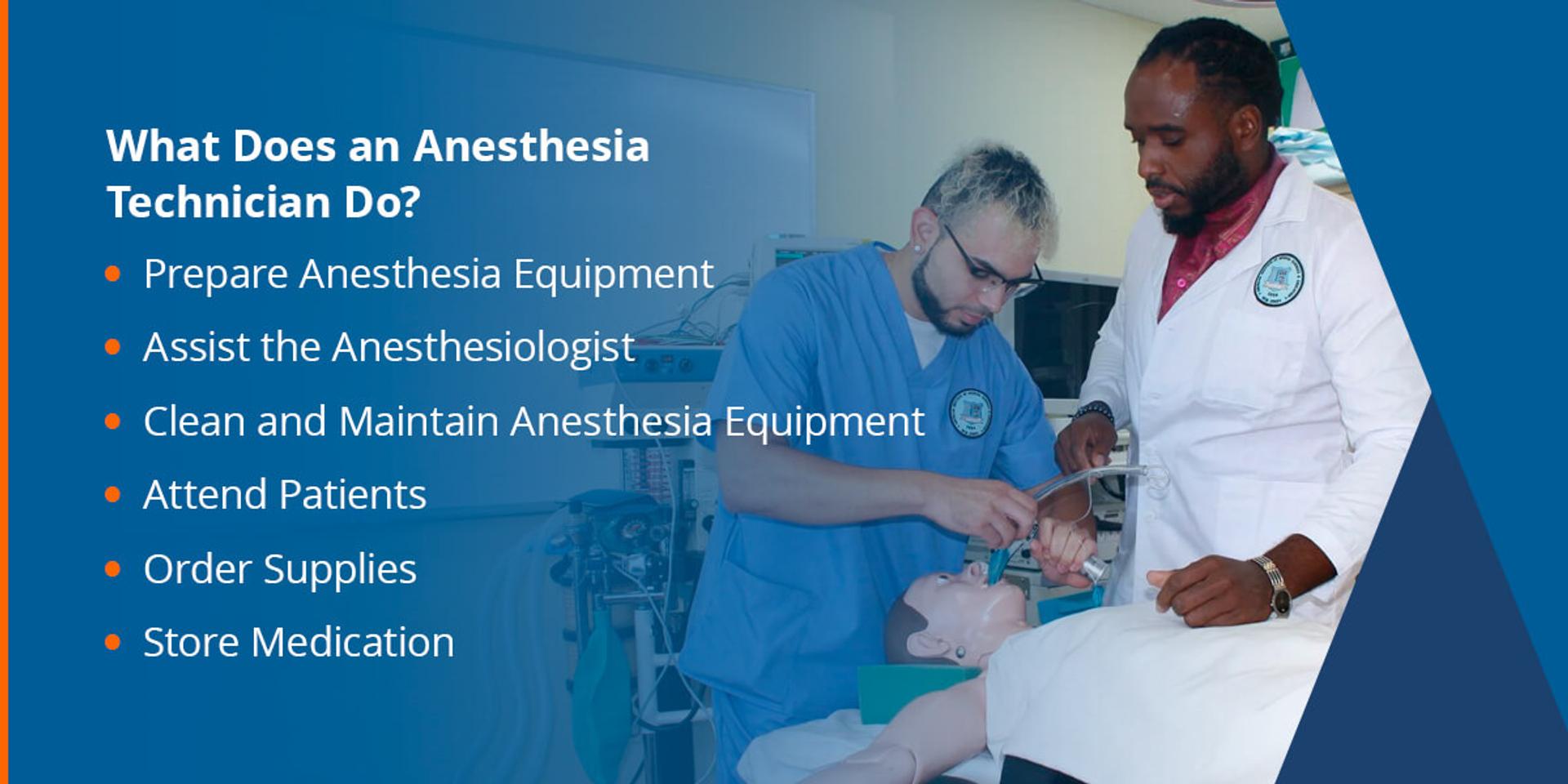
The Future of the Role: A Technological Perspective
The career path of an anesthesia technologist is no longer a static one. As technology continues to permeate healthcare, these professionals are becoming specialized “Surgical Systems Administrators.”
We are moving toward a future where the anesthesia technologist will likely manage 3D printing stations for patient-specific airway models or oversee the integration of Augmented Reality (AR) headsets that allow anesthesiologists to see vital signs overlaid on their field of vision. The shift from “manual assistance” to “technological management” is complete.
In conclusion, what does an anesthesia technologist do? They are the architects of the digital and mechanical safety net that surrounds the surgical patient. By mastering the intersection of software, hardware, and medical science, they ensure that the “technology” in “medical technology” never fails. In the modern OR, they are the indispensable guardians of the machines that sustain life.
aViewFromTheCave is a participant in the Amazon Services LLC Associates Program, an affiliate advertising program designed to provide a means for sites to earn advertising fees by advertising and linking to Amazon.com. Amazon, the Amazon logo, AmazonSupply, and the AmazonSupply logo are trademarks of Amazon.com, Inc. or its affiliates. As an Amazon Associate we earn affiliate commissions from qualifying purchases.