
When people ask “what are Cummins,” the answer often depends on the context of the era. To a truck driver in the 1970s, Cummins was the iron heart of a long-haul vehicle. To a data center manager today, Cummins is the sophisticated backup power system that prevents global digital blackouts. At its core, Cummins represents a century of evolution in mechanical engineering, moving from basic internal combustion to complex, software-driven power solutions.
As we navigate a global energy transition, the definition of Cummins has expanded. It is no longer just a manufacturer of diesel engines; it is a technology powerhouse focused on power density, thermal efficiency, and the integration of digital intelligence into heavy machinery. Understanding Cummins requires a deep dive into the technical architecture that drives the world’s most demanding industries.

The Engineering Foundation: Defining the Cummins Engine Architecture
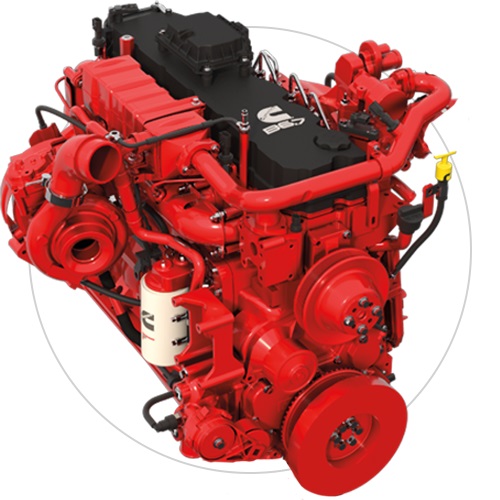
The reputation of Cummins was built on the back of the compression ignition engine. Unlike gasoline engines that rely on spark plugs, Cummins diesel engines utilize high-pressure compression to ignite fuel, a process that requires extreme precision in material science and fluid dynamics.
The Compression Ignition Revolution
At the technical heart of a Cummins engine is the ability to handle immense cylinder pressures. Modern Cummins power plants utilize High-Pressure Common Rail (HPCR) fuel systems. These systems inject fuel at pressures exceeding 30,000 PSI, allowing for multiple injection events per combustion cycle. This precision ensures that fuel is atomized into a fine mist, leading to more complete combustion, reduced particulate matter, and higher torque output at lower RPMs.
Turbocharging and Air Handling Innovations
A critical component of the Cummins tech stack is its Holset turbocharging technology. Unlike standard automotive turbos, Cummins utilizes Variable Geometry Turbochargers (VGT). By using a sliding nozzle to vary the exhaust gas flow into the turbine wheel, the engine can mimic the characteristics of a small turbo for quick throttle response at low speeds and a large turbo for high-end power. This optimization of air-to-fuel ratios is what allows these engines to maintain efficiency across vastly different altitudes and load requirements.
Material Science and Durability
The longevity of these systems—often exceeding one million miles in commercial applications—is a result of advanced metallurgy. Cummins employs high-strength compacted graphite iron (CGI) for engine blocks and heads, providing the rigidity needed to withstand high combustion pressures while reducing overall weight. This focus on the “bones” of the machine is what separates industrial-grade power from consumer-grade alternatives.
Digital Integration and Smart Power Solutions
In the modern era, hardware is only half the story. Cummins has transitioned into a “software-defined” power company, where sensors and algorithms dictate the performance and health of the mechanical components.
Advanced Telematics and PrevenTech
One of the most significant technological leaps in the Cummins ecosystem is the development of digital suites like PrevenTech. This is a cloud-based monitoring and reporting system that utilizes Internet of Things (IoT) sensors embedded throughout the engine. These sensors monitor everything from oil pressure and coolant temperature to soot loading in the aftertreatment system. By using big data analytics, the system can predict a component failure before it occurs, moving the industry from “reactive maintenance” to “proactive uptime.”
Control Systems and Power Electronics
The modern Cummins engine is governed by an Electronic Control Module (ECM) that processes thousands of data points per second. This “brain” manages the complex interplay between fuel injection, turbocharger vane position, and Exhaust Gas Recirculation (EGR). Furthermore, in hybrid and fully electric applications, Cummins has developed sophisticated power electronics—inverters, converters, and battery management systems (BMS)—that ensure seamless energy flow between the power source and the drivetrain.
Integration of Cybersecurity in Heavy Industry
As engines become more connected, digital security has become a core pillar of Cummins’ tech development. Their control systems are built with encrypted communication protocols to prevent unauthorized access to vehicle or generator controls. In an age where industrial sabotage is a digital threat, the “tech” of Cummins includes robust firewalls and secure over-the-air (OTA) software updates.
The Green Shift: Hydrogen, Electric, and Alternative Fuels
The most exciting technological frontier for Cummins lies in its “Destination Zero” strategy. This is a technical roadmap designed to transition the world’s heavy-duty power needs from carbon-intensive fuels to zero-emissions technology.
Hydrogen Fuel Cell Technology (Accelera)
Under its Accelera brand, Cummins is leading the development of Proton Exchange Membrane (PEM) fuel cells. Unlike a traditional engine, a fuel cell produces electricity through a chemical reaction between hydrogen and oxygen, with water vapor being the only emission. The technical challenge lies in managing the thermal profile of the fuel cell stack and ensuring the purity of the hydrogen input. Cummins’ fuel cells are designed for high-utilization applications like transit buses and heavy-duty trucks, where battery weight would be prohibitive.
Electrolyzers and the Infrastructure of Tomorrow
Cummins isn’t just building the engines that use hydrogen; they are building the technology to produce it. Their PEM electrolyzers use electricity (ideally from renewable sources) to split water into hydrogen and oxygen. This represents a full-circle technological ecosystem: generating green fuel, storing it, and then converting it back into power via fuel cells or hydrogen internal combustion engines (H2-ICE).
Battery Electric Systems
For short-haul and urban environments, Cummins has developed modular battery packs. These aren’t standard lithium-ion cells; they are high-density, liquid-cooled systems designed to withstand the vibration and temperature extremes of industrial work. The proprietary software managing these batteries ensures that energy discharge is optimized to preserve the “State of Health” (SoH) of the cells, extending the lifecycle of the equipment.
Industrial and Marine Technology Applications
While many associate Cummins with trucks, their technology is equally dominant in stationary and marine environments, where the engineering requirements are even more stringent.
High-Horsepower Generators for Data Centers
In the world of Big Tech, downtime is not an option. Cummins designs massive high-horsepower generator sets (the QSK series) that serve as the “heartbeat” of global data centers. These units feature advanced paralleling switchgear technology, allowing multiple generators to synchronize and take over a multi-megawatt load in less than 10 seconds. The complexity of managing these massive electrical loads while maintaining a stable frequency is one of the highest achievements in modern power electronics.
Marine Propulsion and Auxiliary Power
The marine environment is perhaps the most hostile for technology. Cummins marine engines utilize heat exchanger cooling systems and specialized corrosion-resistant materials to ensure reliability at sea. Their C-Command digital platforms provide vessel operators with real-time data on fuel consumption and engine health, integrated directly into the ship’s bridge electronics. This level of system integration is vital for everything from commercial fishing trawlers to offshore support vessels.
Aftertreatment Systems: The Chemistry of Clean Air
Perhaps the most overlooked piece of Cummins technology is the aftertreatment system. To meet stringent Tier 4 and Euro VI emissions standards, Cummins uses Selective Catalytic Reduction (SCR) and Diesel Particulate Filters (DPF). This is essentially a chemical laboratory strapped to the exhaust pipe. By injecting Diesel Exhaust Fluid (DEF) into the exhaust stream, the system triggers a chemical reaction that converts harmful nitrogen oxides (NOx) into harmless nitrogen and water vapor. The precision required to dose this fluid accurately based on real-time engine load is a marvel of modern chemical engineering.
Conclusion: The Infinite Evolution of Power
When we ask “what are Cummins,” we find that the answer is a moving target. It is a brand that has successfully bridged the gap between the heavy, mechanical world of the 20th century and the digital, electrified world of the 21st.
From the micro-precision of high-pressure fuel injectors to the macro-scale of hydrogen electrolyzer plants, Cummins technology is the invisible force that keeps global logistics, data, and infrastructure moving. As they continue to innovate in the realms of AI-driven diagnostics and zero-emission powertrains, the essence of Cummins remains the same: the relentless pursuit of more efficient, more reliable, and more sustainable ways to power the world. Whether it is through a roar of a diesel engine or the silent hum of a fuel cell, the technology of Cummins continues to define the limits of what is possible in industrial engineering.
aViewFromTheCave is a participant in the Amazon Services LLC Associates Program, an affiliate advertising program designed to provide a means for sites to earn advertising fees by advertising and linking to Amazon.com. Amazon, the Amazon logo, AmazonSupply, and the AmazonSupply logo are trademarks of Amazon.com, Inc. or its affiliates. As an Amazon Associate we earn affiliate commissions from qualifying purchases.