
In the landscape of global entertainment, few acronyms carry as much weight or historical significance as AMC. For the average moviegoer, these three letters are synonymous with the smell of buttered popcorn, the glow of a silver screen, and the immersive experience of cinematic storytelling. However, beyond the neon signs and the reclining seats lies a sophisticated brand narrative that has evolved over a century. To understand what AMC stands for is to understand the evolution of the modern theater industry itself.
AMC stands for American Multi-Cinema. While the name sounds utilitarian by today’s standards, at the time of its inception, it represented a radical shift in how the world consumed media. It wasn’t just a name; it was a manifesto for a new era of entertainment architecture and consumer choice.

The Genesis of a Brand: From Durwood to American Multi-Cinema
The story of the AMC brand does not begin with a corporate boardroom but with a family-owned business in the heart of the American Midwest. In 1920, Edward Durwood began operating a single-screen theater, a venture that would eventually grow under the leadership of his son, Stanley Durwood. It was Stanley who would provide the visionary spark that transformed a local business into a global powerhouse.
The Rebranding of 1968
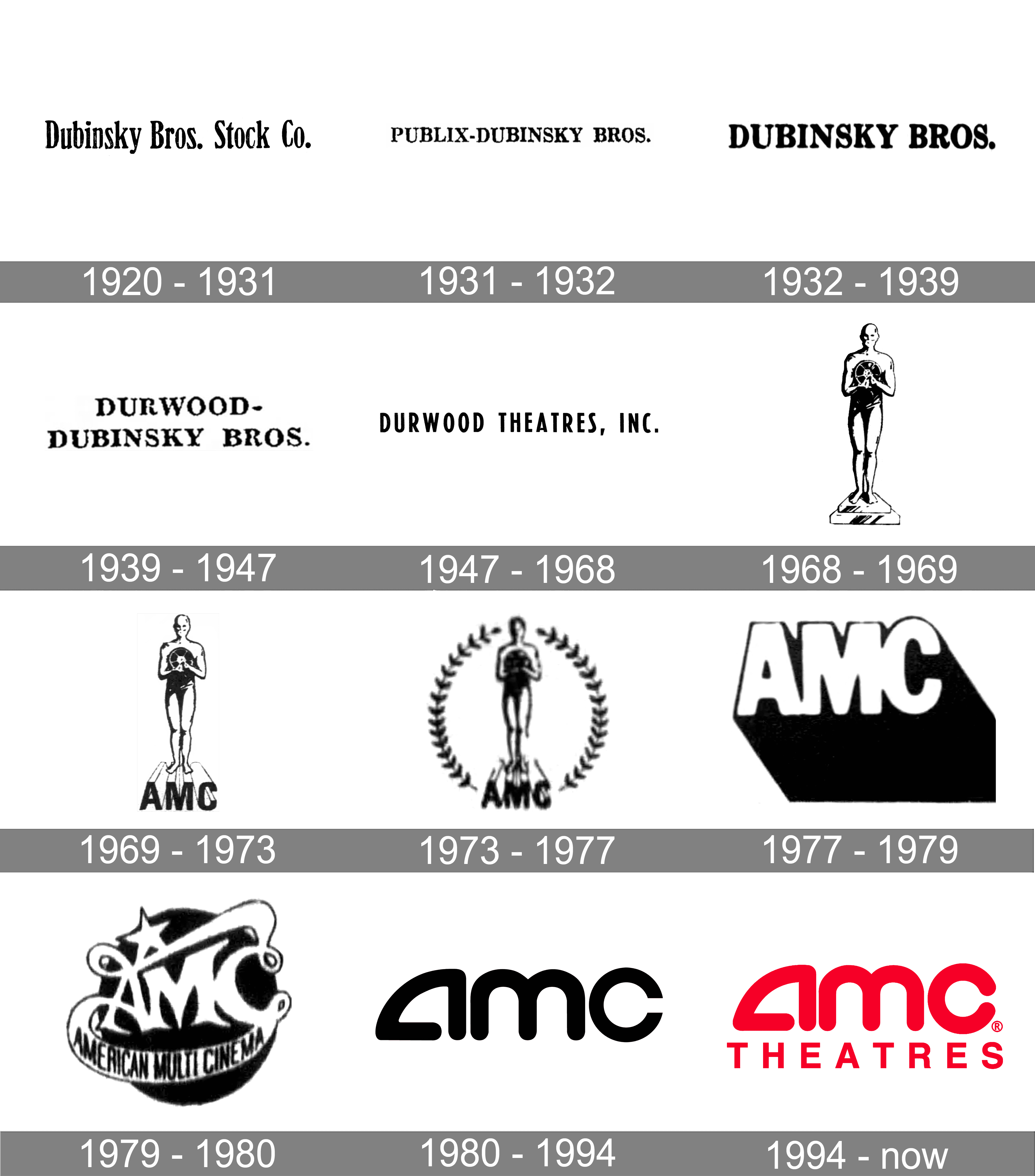
Before it was AMC, the company operated under the name Durwood Theatres. As the company expanded, Stanley Durwood realized that the family name, while prestigious locally, lacked the descriptive power and scalability required for national expansion. In 1968, the company officially rebranded as American Multi-Cinema, Inc.
This rebranding was a masterstroke in corporate identity. By including “American,” the brand positioned itself as a national institution, tapping into the post-war sentiment of growth and cultural dominance. By including “Multi-Cinema,” the company highlighted its primary competitive advantage: the multiplex.
Defining the Multiplex Identity
Stanley Durwood is widely credited with inventing the multiplex. In 1963, he opened the first two-screen theater in a Kansas City shopping center. By the time the AMC name was adopted, the company was leaning heavily into this innovation. The brand identity became inextricably linked with the idea of choice. For the first time, a consumer could go to a single location and choose between different films, a concept that fundamentally changed the economics of film distribution and the psychology of the moviegoer.
Brand Innovation: The “Multi-Cinema” as a Strategic Pillar
For decades, AMC’s brand strategy was defined by its commitment to the “Multi” in its name. This wasn’t just about the number of screens; it was about a relentless pursuit of the “first.” In the world of brand strategy, being first to market with a meaningful innovation creates a “pioneer advantage” that can last for generations.
The Architecture of Comfort
As the brand matured, the “Multi-Cinema” concept evolved from a focus on quantity to a focus on quality and experience. AMC was the first to introduce several features that are now considered industry standards. In 1995, the brand launched the first “megaplex” in Dallas, Texas, featuring stadium seating. This was a pivotal moment for the corporate identity. AMC ceased being just a place to see a movie; it became a destination.
The introduction of the cupholder armrest—a seemingly small detail—actually serves as a prime example of AMC’s user-centric design philosophy. By identifying a friction point in the customer journey (the lack of a place to put a drink), AMC solidified its reputation as a brand that understood its audience better than the competition.
The Shift Toward Premium Large Formats
In the 21st century, the brand identity shifted again. As home theater technology improved, AMC realized that the “Multi-Cinema” name needed to signify something that could not be replicated in a living room. This led to strategic partnerships with IMAX and Dolby. By integrating these sub-brands into their locations, AMC communicated a message of premium quality. The brand promise evolved from “we have many movies” to “we have the best possible way to see a movie.”
The Power of the Acronym in Modern Branding
As the company grew into a multi-billion-dollar enterprise, the full name “American Multi-Cinema” gradually receded into the background, replaced by the punchy, recognizable AMC acronym. This transition follows a well-documented trend in corporate branding, similar to how Kentucky Fried Chicken became KFC or Minnesota Mining and Manufacturing became 3M.
Simplicity and Recognition
The move to a three-letter acronym allowed the brand to become more versatile. In a world of digital icons and mobile apps, “AMC” is far more functional than its full-length predecessor. The visual identity—typically rendered in a bold, clean typeface—conveys stability and modernity. The red and white color palette evokes the classic “red carpet” glamour of Hollywood while remaining highly visible in retail environments like shopping malls.
Brand Equity and Resilience
The strength of the AMC brand was put to the ultimate test during the global pandemic of 2020 and 2021. With theaters closed and revenue stalled, the brand faced an existential threat. However, the deep-seated brand equity built over decades allowed it to survive. AMC became more than a theater chain; it became a cultural symbol of the “return to normalcy.”
The rise of the “meme stock” phenomenon in 2021 added a new, unexpected layer to the brand identity. A community of retail investors, often referring to themselves as “Apes,” rallied around the company. While this created financial volatility, from a branding perspective, it gave AMC a level of grassroots engagement and “earned media” that money cannot buy. The brand became a protagonist in a David-vs-Goliath narrative, further embedding it into the public consciousness.
Rebranding the Experience: The “Nicole Kidman” Era
In recent years, AMC has doubled down on its brand narrative through high-profile marketing campaigns. The most notable of these is the “We Make Movies Better” campaign featuring Nicole Kidman. This campaign represents a shift from functional branding to emotional branding.
The Emotional Connection
The Kidman advertisement, which plays before every AMC screening, is not about the number of screens or the price of the tickets. Instead, it focuses on the transcendental power of the cinema. Lines like “Heartbreak feels good in a place like this” have become viral sensations, but more importantly, they reinforce the brand’s core value proposition: that the theater is a sacred space for shared human experience.
This campaign is a strategic response to the rise of streaming services. By highlighting the emotional and sensory advantages of the theater—the silence, the scale, the collective gasps—AMC is positioning its brand as the “high-fidelity” alternative to the “lo-fi” experience of watching a movie on a smartphone or a laptop.
Loyalty as a Brand Strategy: AMC Stubs
A significant part of the modern AMC identity is the AMC Stubs loyalty program, particularly the “A-List” tier. By shifting from a transactional model (buying one ticket at a time) to a subscription model, AMC has fundamentally changed its relationship with the consumer. The brand is no longer just a service provider; it is a lifestyle choice for cinephiles. This strategy builds brand advocacy and ensures a steady stream of “foot traffic” that is vital for the company’s high-margin concessions business.

Strategic Lessons from the AMC Brand Journey
The evolution of what AMC stands for offers several vital lessons for brand strategists and corporate leaders.
-
Descriptive Origins, Symbolic Future: AMC started with a name that described exactly what it did (American Multi-Cinema). As the brand grew, the name became a symbol that stood for an experience, allowing the company to evolve without being tethered to the literal meaning of its original name.
-
Innovation as Identity: By consistently being the first to introduce new technologies and comforts, AMC made “innovation” a core part of its brand DNA. This makes it easier for consumers to accept new changes, as they expect AMC to lead the way.
-
Adapting to Cultural Shifts: AMC has successfully navigated the shift from the Golden Age of Hollywood to the Multiplex Era, and now to the Streaming Era. Each time, it has refined its brand message to address the specific anxieties and desires of the contemporary audience.
-
Embracing Community: The brand’s willingness to engage with its retail investor base and lean into its cultural moments (like the Kidman ad) shows an agility that is rare for a century-old corporation.
In conclusion, while AMC officially stands for American Multi-Cinema, in the hearts and minds of the public, it stands for something much larger. It stands for the enduring power of the theatrical experience, the innovation of the American entrepreneurial spirit, and the belief that some stories are simply too big to be told anywhere else. As the company looks toward its next century, its brand identity will undoubtedly continue to evolve, but its core mission—providing a “Multi-Cinema” experience that exceeds expectations—remains the bedrock of its global reputation.
aViewFromTheCave is a participant in the Amazon Services LLC Associates Program, an affiliate advertising program designed to provide a means for sites to earn advertising fees by advertising and linking to Amazon.com. Amazon, the Amazon logo, AmazonSupply, and the AmazonSupply logo are trademarks of Amazon.com, Inc. or its affiliates. As an Amazon Associate we earn affiliate commissions from qualifying purchases.