
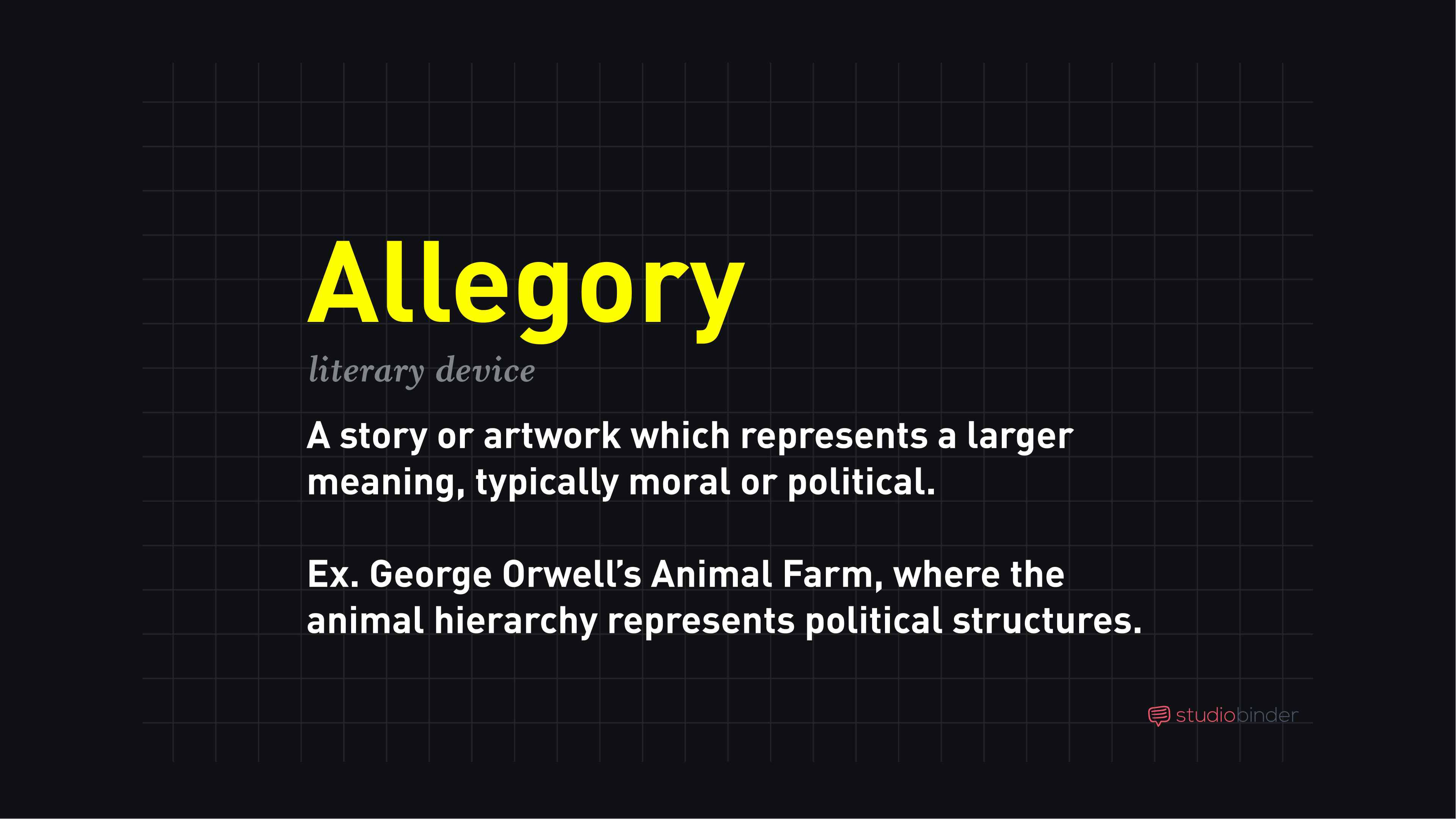
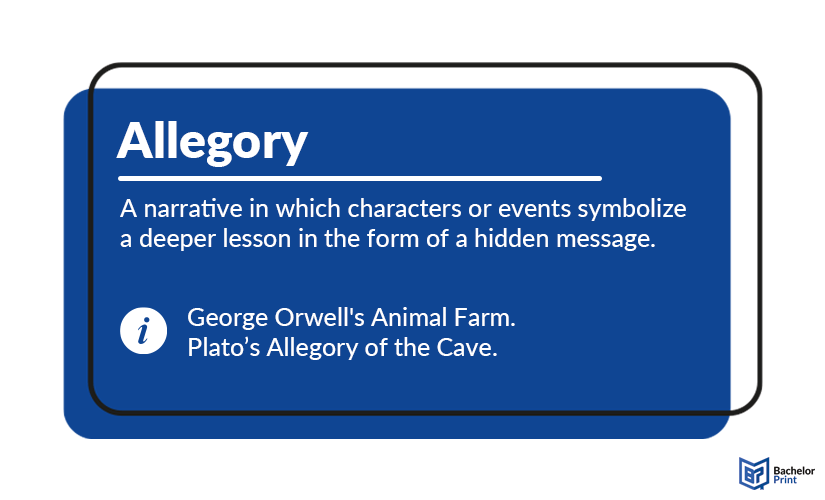
In the traditional literary sense, to speak or write “allegorically” means to deliver a message where characters, images, and events stand in for broader ideas about the human condition, morality, or politics. It is the art of the “extended metaphor.” However, in the fast-paced world of modern brand strategy and corporate identity, the term has taken on a sophisticated new life.
When a brand operates allegorically, it is doing more than just selling a product or service; it is embodying a set of values, a philosophy, or a promise through symbolism and narrative. In branding, an allegory is the bridge between a tangible commodity and an intangible emotion. Understanding what “allegorically” means in this niche is essential for marketers and designers who aim to move beyond transactional relationships and build deep, lasting connections with their audience.

The Foundation of Allegory in Modern Branding
To understand the allegorical nature of a brand, one must first distinguish between a “literal” brand and a “symbolic” brand. A literal brand tells you what it does: “We sell high-quality running shoes.” An allegorical brand tells you what it means: “We represent the spirit of human perseverance and the triumph over personal limits.”
From Literature to the Marketplace
Historically, allegories like Aesop’s Fables or Plato’s Allegory of the Cave were used to teach complex truths through simple stories. In the 21st century, the marketplace has become the new arena for these stories. Brands use allegorical frameworks to simplify their value propositions. When a tech company uses a logo of a simplified cloud, they aren’t literally talking about condensed water vapor in the sky; they are using the cloud as an allegory for omnipresence, weightlessness, and infinite storage.
Decoding the “Hidden Meaning” of a Brand
The hallmark of an allegory is its dual layers: the literal surface and the symbolic depth. In branding, the literal surface consists of the product features, the price point, and the packaging. The symbolic depth—the allegorical layer—is the brand’s “Why.” When a consumer buys a Patagonia jacket, they are literally purchasing outerwear. Allegorically, however, they are participating in a narrative of environmental activism and a rejection of “fast fashion” consumerism. The jacket is an allegory for the wearer’s commitment to the planet.
The Role of Visual Allegory in Brand Identity
Visual identity is perhaps the most immediate way a brand communicates allegorically. Design elements are rarely chosen just because they “look good”; they are chosen because they represent something larger than the brand itself.
The Iconography of Brand Symbols
A brand’s logo is often a concentrated allegory. Consider the Nike “Swoosh.” On a literal level, it is a curved line. Allegorically, it represents the wing of Nike, the Greek goddess of victory. It symbolizes speed, movement, and the “just do it” attitude of an athlete. Similarly, the Amazon logo, with its arrow pointing from A to Z, serves as a mini-allegory for the company’s mission to provide every product imaginable and to deliver it with a smile. These symbols allow the brand to communicate complex strategic goals without saying a single word.
Color Theory as Allegorical Communication
Colors are the shorthand of allegory. In branding, colors are used to evoke specific concepts that align with the brand’s identity.
-
Blue: Often used by financial and tech institutions (like Chase or IBM) as an allegory for trust, stability, and intelligence.
-
Green: Used by brands like Whole Foods or Starbucks to act as an allegory for nature, growth, and ethical sourcing.
-
Purple: Historically the color of royalty, used by brands like Hallmark to signify premium quality and “the best” for those you care about.
By choosing a specific palette, a brand is allegorically positioning itself within a certain moral or social hierarchy.
Building an Allegorical Brand Narrative
Storytelling is the heart of brand strategy. When we say a brand story is told allegorically, we mean that the brand’s marketing campaigns follow a structure that reflects a larger human experience.
The Hero’s Journey as a Brand Allegory
Many of the world’s most successful brands cast the customer as the “hero” and themselves as the “mentor” or the “magical tool” in an allegorical journey. Apple’s famous “1984” commercial was not just a product launch; it was an allegory for the individual’s struggle against corporate conformity. The Macintosh was portrayed as the tool that would shatter the “Big Brother” status quo. By framing their tech in this way, Apple wasn’t just selling computers—they were selling a revolution.
Mascots as Allegorical Vehicles
Mascots are the literal embodiment of a brand’s allegorical values. The Michelin Man (Bibendum) is not just a pile of tires; he is an allegory for safety and robust protection on the road. The Geico Gecko acts as an allegory for the “everyman”—approachable, friendly, and simplifying the intimidating world of insurance. These characters allow a brand to personify its values, making them relatable and memorable to a mass audience.
The Psychology of Why Allegorical Marketing Works
The reason marketers lean so heavily on allegorical communication is rooted in human psychology. Our brains are wired to process stories and symbols much faster and more deeply than raw data or technical specifications.
Simplification of Complex Value Propositions
In a world of information overload, consumers do not have the time to analyze every technical detail of a product. Allegory provides a cognitive shortcut. If a cybersecurity firm uses the imagery of a medieval fortress in its branding, it is using an allegory to communicate “impenetrability.” The consumer doesn’t need to understand the encryption protocols to feel that their data is safe. The allegory does the heavy lifting of building trust.
Creating Emotional Anchors
Facts appeal to the logical brain (the neocortex), but allegories and stories appeal to the emotional brain (the limbic system). Decisions about brand loyalty are almost always emotional. When a brand uses an allegory—such as Dove’s “Real Beauty” campaign—it creates an emotional anchor. The campaign is an allegory for self-acceptance and the dismantling of narrow beauty standards. Consumers who align with that message develop a “bond” with the brand that is far stronger than any discount or feature could provide.
Best Practices for Implementing Allegorical Strategies
Using allegory in branding is a high-level skill. If done poorly, it can come across as pretentious or confusing. If done well, it can define a category.
Authenticity and the “Truth” of the Allegory
An allegory only works if it is rooted in the brand’s actual behavior. If a brand uses “green” imagery and “eco-friendly” allegories while engaging in polluting practices, the allegory collapses into “greenwashing.” For an allegorical brand strategy to be effective, every touchpoint—from the supply chain to customer service—must reflect the underlying symbolic message. The “hidden meaning” must be true.
Avoiding the Trap of Over-Abstraction
The danger of being too allegorical is losing the audience. If a brand’s symbolism is so obscure that no one understands the connection, the marketing fails. Effective brand managers test their allegories to ensure they resonate with the target demographic. The goal is to be “insightful yet accessible.” A good brand allegory should feel like an “aha!” moment for the consumer—a realization that the brand understands their aspirations and worldviews.
Maintaining Consistency Across Touchpoints
A brand is an ecosystem. For an allegory to take hold in the mind of the public, it must be consistent. If a luxury car brand uses the allegory of “the pinnacle of success” in its television ads but provides a low-quality, cluttered experience on its mobile app, the allegory is broken. Consistency across digital security, user interface, and physical packaging ensures that the “story” remains cohesive and believable.
Conclusion
To act “allegorically” in the world of brand strategy is to master the art of the invisible. It is the ability to turn a logo into a badge of identity, a slogan into a call to action, and a product into a symbol of a better life. By moving beyond the literal and embracing the power of allegory, brands can navigate the competitive landscape not just as sellers of goods, but as architects of meaning. In an age where consumers are looking for more than just functionality, the brands that can tell the best allegorical stories are the ones that will ultimately win the hearts and minds of the global marketplace.
aViewFromTheCave is a participant in the Amazon Services LLC Associates Program, an affiliate advertising program designed to provide a means for sites to earn advertising fees by advertising and linking to Amazon.com. Amazon, the Amazon logo, AmazonSupply, and the AmazonSupply logo are trademarks of Amazon.com, Inc. or its affiliates. As an Amazon Associate we earn affiliate commissions from qualifying purchases.