
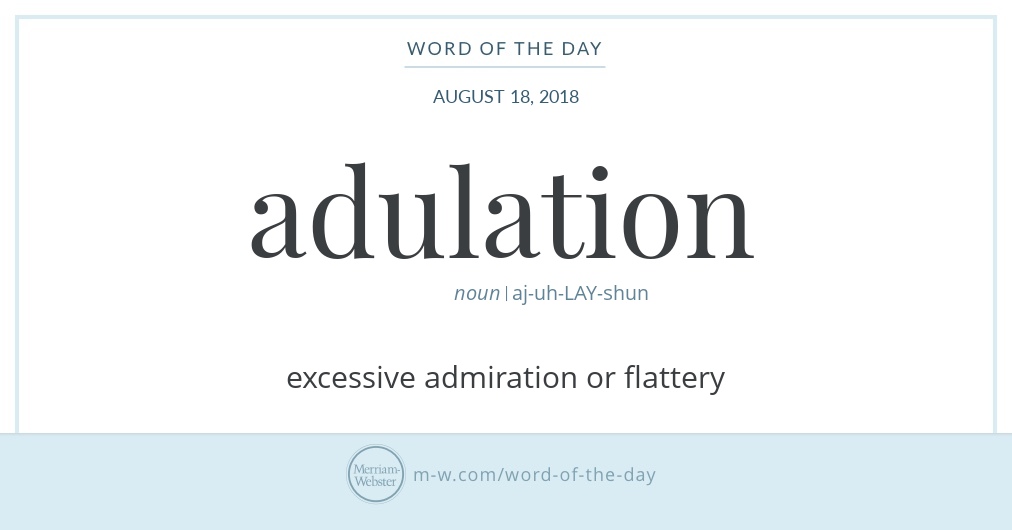
In the traditional lexicon, the word “adulation” often carries a heavy, almost hyperbolic weight. It describes excessive admiration or praise—the kind of fervent devotion usually reserved for historical figures, religious icons, or cinematic legends. However, in the hyper-competitive landscape of 21st-century commerce, the concept of adulation has been transplanted from the pulpit and the stage into the heart of brand strategy.
When a brand strategist asks, “What does adulation mean?” they aren’t looking for a dictionary definition. They are looking for the secret sauce that transforms a casual consumer into a lifelong disciple. Adulation in branding is the ultimate state of customer relationship management. It is the point where a product ceases to be a commodity and becomes an identity. This article explores how modern brands cultivate this intense devotion, the psychological triggers behind it, and why adulation is the most valuable asset a company can possess.

Defining Adulation in the Corporate Ecosystem
To understand adulation within a brand context, one must first distinguish it from mere brand loyalty. Loyalty is often transactional and rational; a customer remains loyal to a supermarket because it is convenient or offers a rewards program. Adulation, conversely, is emotional and often irrational. It is the force that compels people to camp outside a store for 48 hours to purchase a phone that is only marginally better than the one in their pocket.
From Awareness to Adoration: The Brand Relationship Spectrum
The journey toward brand adulation typically follows a specific trajectory. It begins with Brand Awareness, where the consumer simply knows the name. It moves to Brand Preference, where the consumer chooses the brand over others based on utility or price. The next stage is Brand Loyalty, characterized by repeat purchases.
The final, rarest stage is Brand Adulation. At this level, the consumer does more than just buy; they advocate. They defend the brand in social settings, they integrate the brand’s logo into their personal aesthetic, and they forgive the brand’s occasional failures. Adulation represents a shift from “I use this product” to “I am the kind of person who uses this product.”
Why Emotional Adulation Outperforms Rational Utility
In an era of infinite choice, rational utility is a weak moat. If a competitor offers a faster processor or a lower price, a customer driven by logic will switch. However, a customer driven by adulation is insulated against such shifts.
Adulation creates a psychological “sunk cost” and an emotional bond that competitors find nearly impossible to break. When a brand achieves this status, it gains “price elasticity”—the ability to charge premium prices because the value perceived by the customer is not based on the cost of materials, but on the emotional payoff of ownership.
The Psychological Architecture of Brand Adulation
Brands do not stumble into adulation by accident; they build it by tapping into fundamental human needs. Humans are hardwired for tribalism, meaning, and self-expression. High-level branding leverages these instincts to create a sense of profound connection.
The Halo Effect and Cognitive Bias in Consumer Choice
Central to brand adulation is the “Halo Effect.” This is a cognitive bias where our overall impression of a person or brand influences how we feel and think about their character in specific areas. If a consumer adores a brand’s design philosophy (like Apple) or its environmental stance (like Patagonia), they are likely to perceive all of that brand’s products as superior, even if objective data suggests otherwise.
This bias creates a protective shield around the brand. When a brand that enjoys high adulation makes a mistake—such as a software bug or a PR blunder—their “devotees” are the first to offer excuses or wait patiently for a fix, whereas a “loyal” customer might simply jump ship to a competitor.
Community and the Human Need for Belonging
One of the most powerful drivers of adulation is the sense of community. Humans have an innate desire to belong to a group that shares their values. Successful brands facilitate this by creating “Brand Communities.”
Whether it is a Harley-Davidson rider attending a local “HOG” (Harley Owners Group) meeting or a CrossFit enthusiast identifying as part of a global fitness movement, the brand acts as the campfire around which the community gathers. When a brand becomes the conduit for social connection, the adulation for the brand is reinforced by the social bonds formed within that community.
Strategic Blueprints: How to Build a Brand Worthy of Adulation
Building a brand that inspires adulation requires moving beyond the “features and benefits” model of marketing. It requires the construction of a narrative and an unwavering commitment to a specific identity.
Narrative Power: Crafting the Mythos
Every brand that enjoys adulation has a “mythos”—a founding story or a set of core values that borders on the heroic. This narrative often involves a charismatic founder (think Steve Jobs or Yvon Chouinard) or a “David vs. Goliath” struggle against an industry status quo.
To cultivate adulation, a brand must stand for something. Nike does not just sell shoes; it sells the spirit of athletic perseverance (“Just Do It”). Liquid Death does not just sell water; it sells a rebellion against the “boring” marketing of the health food industry. By adopting a clear, often provocative stance, these brands attract individuals who see their own values reflected in the brand’s mission.
Consistency as the Foundation of Trust
Adulation cannot exist without trust, and trust cannot exist without consistency. This applies to everything from visual identity (logo, color palette) to the “voice” used in social media and the quality of the customer service experience.
If a brand claims to be “premium and exclusive” but frequently offers deep discounts or has a cluttered, cheap-looking website, the cognitive dissonance prevents the formation of deep emotional bonds. Adulation is built over years of predictable excellence and a steadfast refusal to compromise on core brand pillars.
Case Studies: Brands That Have Achieved Cult-Like Status
Examining real-world examples helps illustrate what adulation looks like in practice. Certain companies have moved beyond the realm of business and into the realm of culture.
Apple: The Masterclass in Aesthetic Adulation
Apple is perhaps the most cited example of brand adulation. They achieved this by focusing on the “User Experience” (UX) as a form of art. By positioning their products at the intersection of technology and the liberal arts, they appealed to a creative class that wanted to “Think Different.”
The adulation for Apple is so strong that the “unboxing” of a new iPhone has become a ritualistic experience. The brand doesn’t just sell electronics; it sells a lifestyle of sleek minimalism and intuitive sophistication. Their customers don’t just use their products; they identify as “Apple people.”
Tesla: Leveraging Personal Branding and Innovation
Tesla’s brand adulation is unique because it is inextricably linked to the personal brand of Elon Musk and the mission of sustainable energy. For many Tesla owners, the car is not just a vehicle; it is a statement about the future.
The brand has successfully positioned itself as an underdog taking on the “legacy” auto industry. This “us vs. them” narrative fosters intense adulation among fans who feel they are part of a technological revolution. This allows Tesla to spend almost zero dollars on traditional advertising, as their “adulators” act as a massive, unpaid marketing department.
The Risks and Rewards of Excessive Brand Adulation
While adulation is a powerful tool for growth and stability, it is not without its complexities. Managing a fan base that is deeply emotionally invested requires a delicate touch.
Navigating the Echo Chamber of Super-Fans
When a brand is surrounded by adoring fans, there is a risk of falling into an “echo chamber.” If the brand only listens to its most vocal devotees, it may lose sight of broader market trends or ignore valid criticisms from more casual users.
Furthermore, extreme adulation can lead to “toxic fandom.” If a brand’s fans begin attacking critics or competitors in a way that reflects poorly on the brand, the company must decide whether to distance itself or lean into the controversy. Managing the behavior of a devoted community is a major challenge for modern brand managers.

Long-term Sustainability vs. Short-term Hype
Finally, it is important to distinguish between “hype” and “adulation.” Hype is a temporary spike in interest driven by novelty or clever marketing. Adulation is a long-term emotional state.
Brands that chase hype often burn out quickly because they lack the foundational values required to sustain deep devotion. To turn adulation into long-term brand equity, a company must continuously deliver on its promises. Adulation is a gift given by the consumer, but it must be earned every day through innovation, integrity, and an unwavering commitment to the brand’s core identity.
In conclusion, when we ask “what does adulation mean” in the context of branding, we are describing the pinnacle of market achievement. It is the transformation of a company into a cultural touchstone. For the brand strategist, cultivating adulation is not about trickery; it is about providing so much value—emotionally, socially, and functionally—that the consumer cannot help but offer their highest praise.
aViewFromTheCave is a participant in the Amazon Services LLC Associates Program, an affiliate advertising program designed to provide a means for sites to earn advertising fees by advertising and linking to Amazon.com. Amazon, the Amazon logo, AmazonSupply, and the AmazonSupply logo are trademarks of Amazon.com, Inc. or its affiliates. As an Amazon Associate we earn affiliate commissions from qualifying purchases.