
In the high-stakes world of corporate leadership and luxury market positioning, the way a woman presents herself at a black-tie event is more than a fashion choice—it is a sophisticated exercise in brand strategy. When the invitation specifies “Black Tie,” it signals a shift from the daily grind of executive operations to a theater of high-level networking, fundraising, and industry positioning. For the modern female leader, deciding what to wear to a black-tie affair requires an understanding of her personal brand’s core values and how those values align with the corporate identity she represents.

Formal events serve as a critical touchpoint for professional relationships. Just as a company would meticulously design its presence at a global trade show, a professional woman must curate her formal image to communicate authority, reliability, and cultural fluency. The wardrobe is the medium, and the black-tie gala is the platform.
The Strategic Intersection of Fashion and Personal Branding
A personal brand is a promise of value, and every visual element of a woman’s attire at a black-tie event contributes to the fulfillment of that promise. In a setting where every guest is dressed to the nines, the distinction lies in the nuance. Your attire should not merely follow the rules; it should reinforce the narrative you have built throughout your career.
The Psychology of First Impressions in Luxury Settings
In psychology, the “halo effect” suggests that our initial perception of a person’s appearance influences our assessment of their character and professional capabilities. At a black-tie affair, the visual cues are heightened. A woman who wears a garment that is perfectly tailored and appropriate for the venue communicates an attention to detail and a respect for tradition—qualities that are highly valued in sectors like finance, law, and corporate governance. Conversely, a creative or tech executive might use the same event to showcase a more avant-garde silhouette, signaling innovation, disruption, and a forward-thinking brand identity.
Consistency Across Professional Touchpoints
Consistency is the bedrock of any successful brand. If your professional brand is built on the pillars of “stability” and “traditional excellence,” your black-tie attire should reflect that. A classic floor-length velvet gown in a deep navy or black is a safe yet powerful choice that aligns with a conservative brand. If your brand is built on “boldness” and “creativity,” a structured tuxedo or a gown with architectural details tells the observer that you are consistent in your willingness to take risks. The event is an extension of your office, your LinkedIn profile, and your public speaking engagements; the dress is the evening version of your mission statement.
The Anatomy of a High-Impact Black Tie Ensemble
The technical definition of black tie for women revolves around formality and length. However, the brand-conscious professional looks at these rules as a framework within which she can build a unique visual identity. The goal is to achieve “Executive Presence,” a concept that combines gravitas, communication, and appearance.
The Floor-Length Gown: A Standard of Authority
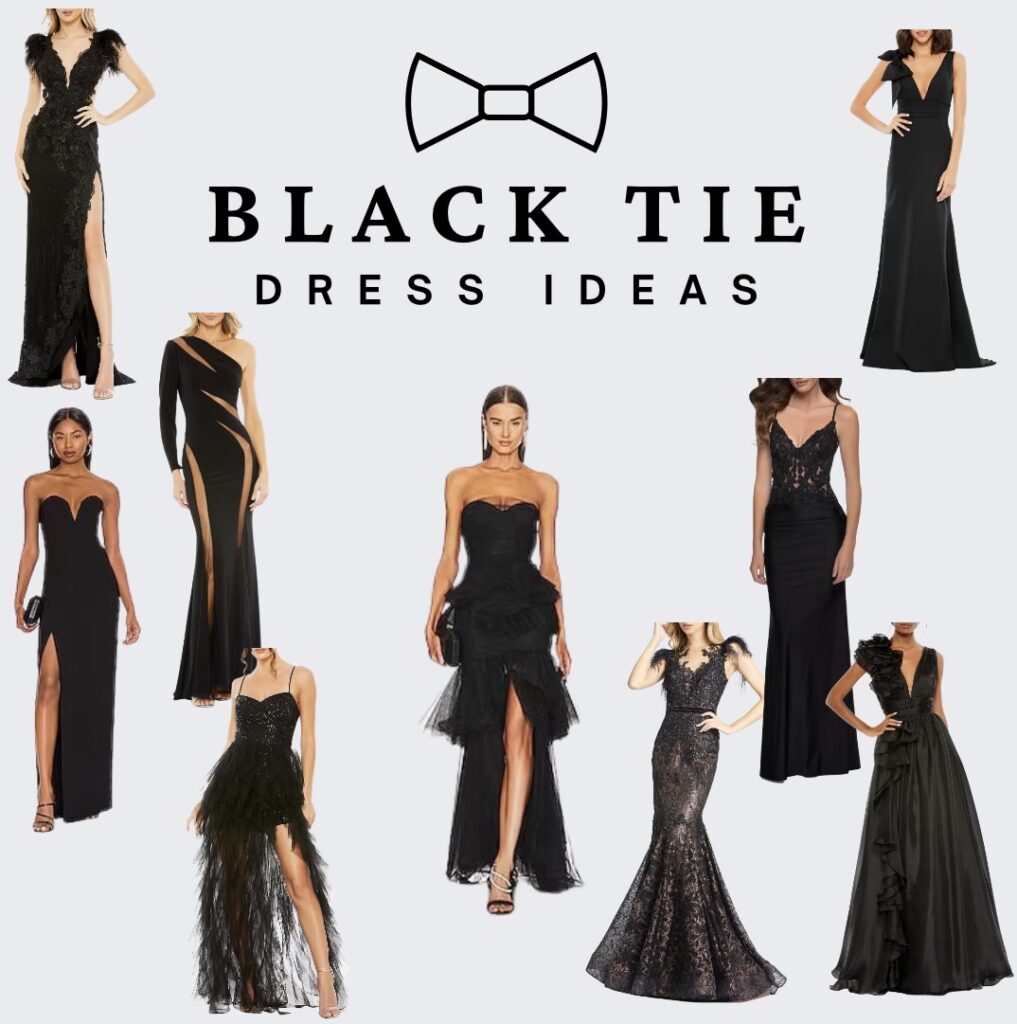
The traditional choice for a black-tie event is a floor-length evening gown. From a branding perspective, the floor-length gown represents a total immersion in the occasion. It commands space and demands respect. When selecting a gown, fabric choice is paramount. Silk, chiffon, and lace are perennial favorites that convey a sense of luxury and refinement. However, the cut of the gown should speak to your brand’s “voice.” A sheath silhouette suggests streamlined efficiency, while an A-line gown offers a more classic, approachable authority.
The Power of the Evening Suit and Jumpsuit
In the contemporary landscape, the definition of black-tie attire for women has expanded to include high-end evening suits and jumpsuits. For the female executive who wishes to project a brand of modern empowerment and non-conformity, a perfectly tailored tuxedo can be a revolutionary choice. This isn’t merely about “dressing like a man”; it’s about reclaiming a symbol of formal power and tailoring it to a feminine aesthetic. A silk-lapel tuxedo or a structured crepe jumpsuit communicates a brand that is decisive, modern, and unafraid to challenge the status quo.
Fabric and Texture as Brand Differentiators
The tactile nature of your attire says more than you might realize. Heavy brocades and structured satins suggest a brand rooted in legacy and historical strength. Lighter, more fluid fabrics like georgette or jersey suggest a brand that is adaptable, agile, and approachable. For a woman in a leadership position, the “weight” of her dress should reflect the “weight” of her position. Choosing high-quality, sustainable fabrics can also align a personal brand with modern corporate social responsibility (CSR) values, signaling that the wearer is conscious of her environmental impact.

Color Theory and Brand Messaging in Formal Wear
In brand strategy, color is one of the most powerful tools for evoking emotion and conveying meaning. When selecting the color of a gown for a black-tie affair, a woman must consider what she wants her presence to say before she even speaks a word.
The Authority of Neutrals: Black, Navy, and Charcoal
Black is the quintessential color for formal events, symbolizing elegance, power, and mystery. For a professional woman, black provides a “blank canvas” that allows her personality and achievements to take center stage. Navy blue is a strong alternative; it conveys trust, stability, and intelligence. It is often the choice of women in top-tier executive roles who want to appear authoritative without the starkness of pure black.
The Statement of Vibrancy: Red, Emerald, and Gold
For those whose brands are built on passion, energy, or market dominance, vibrant colors can be a strategic move. A red gown is the ultimate “power” move, signaling confidence and leadership. Emerald green suggests growth and wealth, while metallic tones like gold or silver suggest a brand that is at the pinnacle of its industry—shining, premium, and high-value. However, when using bold colors, the silhouette should remain sophisticated to ensure the brand remains grounded in professionalism.
Strategic Accessorizing: Enhancing the Personal Aura
Accessories are the “supporting assets” of your brand. They should never overwhelm the main message but should work to enhance and refine it. In a black-tie setting, jewelry, shoes, and bags are the subtle cues that confirm a woman’s status and her eye for quality.
Jewelry as a Legacy Statement
The jewelry worn to a black-tie affair often carries a “legacy” brand message. Whether it is a string of high-quality pearls or a modern diamond ear cuff, jewelry should be chosen based on the narrative of the evening. For a fundraising gala, more conservative and classic jewelry suggests a brand that is a “good steward” of resources. For an industry awards night, more daring, designer-led pieces can signal that the wearer is a “tastemaker” and an “innovator.”
Functional Minimalism in Accessories
A clutch bag and evening shoes should be chosen for their ability to blend form and function. A woman who is constantly adjusting her shoes or struggling with a heavy bag loses her “Executive Presence.” From a branding standpoint, the ability to navigate a room with ease is essential. High-quality heels that allow for movement or sophisticated embellished flats demonstrate that the wearer is in control of her environment.
The ROI of the Formal Wardrobe: Investing in Longevity
Just as a company views a rebranding campaign as an investment with a long-term Return on Investment (ROI), a woman should view her black-tie wardrobe as a long-term professional asset. In the world of high-level branding, “fast fashion” is a liability.
Quality Over Quantity
A single, high-quality, designer gown that fits perfectly and can be worn to multiple events over several years is a better brand investment than five lower-quality dresses. This approach speaks to a brand that values excellence and sustainability. It also ensures that the wearer always looks her best, maintaining a consistent brand image across different events and years.
The Role of Tailoring in Brand Perception
No matter the price tag, a gown that does not fit correctly will damage a woman’s professional brand. Tailoring is the final step in the branding process. It ensures that the garment looks intentional. A perfectly tailored dress suggests a woman who demands excellence in all areas of her life, from her business operations to her personal presentation.
Conclusion: The Lasting Impression
When a woman asks what she should wear to a black-tie affair, she is really asking how she can best represent herself and her organization in an environment of high visibility. By viewing the dress code through the lens of brand strategy, the choice becomes clear. It is about more than just fashion; it is about selecting an ensemble that reinforces her authority, aligns with her values, and leaves a lasting, positive impression on her peers and competitors alike. In the world of black tie, your attire is your silent ambassador. Make sure it speaks the right language.
aViewFromTheCave is a participant in the Amazon Services LLC Associates Program, an affiliate advertising program designed to provide a means for sites to earn advertising fees by advertising and linking to Amazon.com. Amazon, the Amazon logo, AmazonSupply, and the AmazonSupply logo are trademarks of Amazon.com, Inc. or its affiliates. As an Amazon Associate we earn affiliate commissions from qualifying purchases.