
In the traditional landscape of global commodities, protein has often been treated as a volume-based play. Investors looked toward massive poultry operations or industrial-scale cattle ranching where the goal was lean efficiency and rapid turnover. However, a significant shift in consumer behavior and market economics has redefined the value of “fatty meats.” No longer viewed merely as a byproduct of the livestock industry, high-fat meats—specifically those defined by high levels of intramuscular fat or “marbling”—have emerged as a premier asset class within the luxury food sector. For the modern investor or business strategist, understanding what fatty meats are means looking past the dinner plate and into the high-margin world of premium agricultural yields, scarcity-driven pricing, and global supply chain logistics.
The Economics of Marbling: Why Fat Equals Value
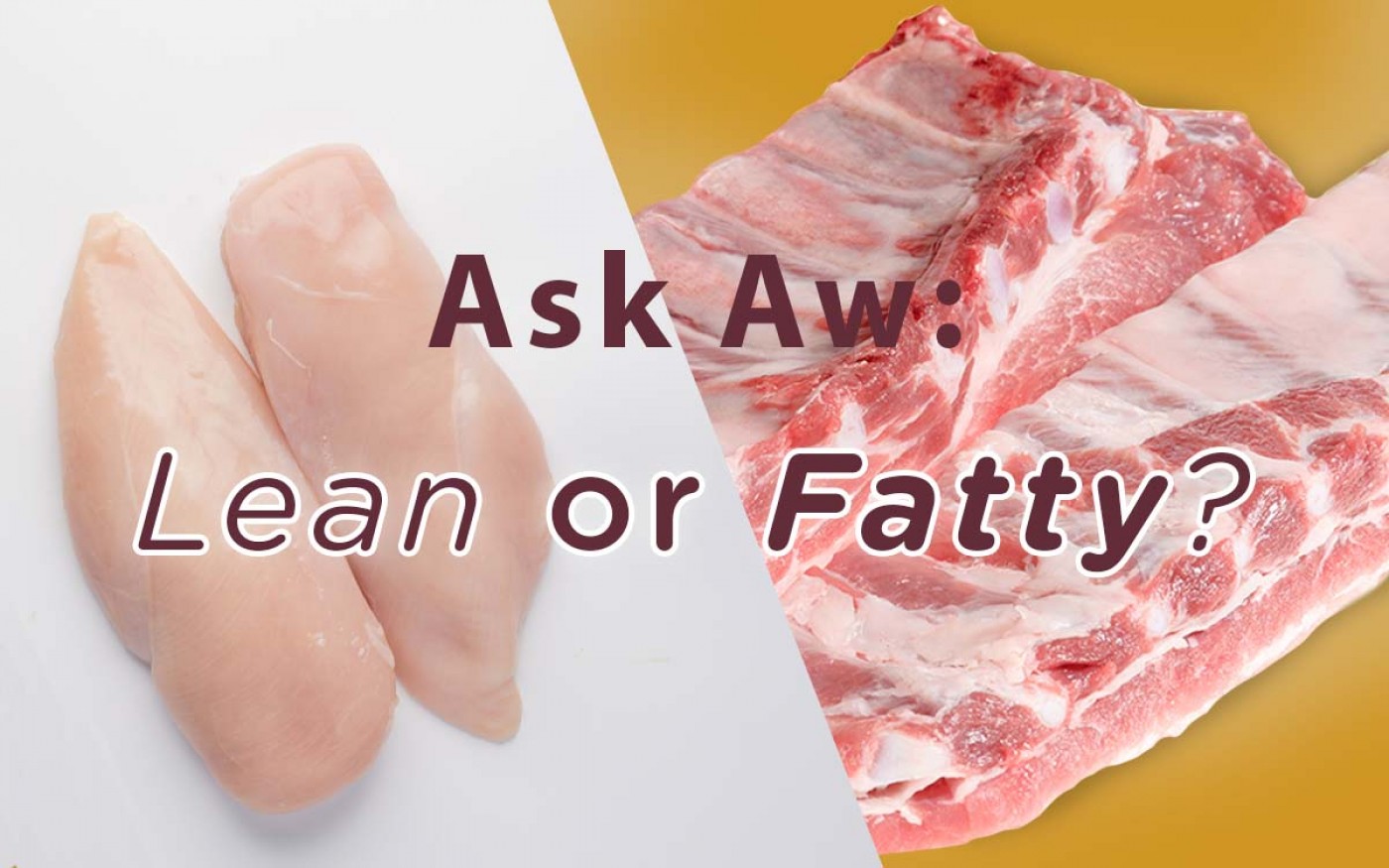
To understand the financial allure of fatty meats, one must first understand the distinction between subcutaneous fat and intramuscular fat (IMF). In the world of meat science and commodity trading, subcutaneous fat is often seen as waste—excess weight that must be trimmed. Conversely, IMF, or marbling, is the primary driver of value. This fat is deposited within the muscle fibers of the animal, and it is the defining characteristic of the world’s most expensive proteins, such as Japanese Wagyu beef, Iberico pork, and certain heritage breeds of poultry and lamb.
The Grading System as a Financial Metric
The financial valuation of meat is directly tied to its fat content. In the United States, the USDA grading system (Select, Choice, and Prime) is essentially a measure of fat. “Prime” cuts, which represent only a small percentage of total U.S. beef production, command a significant price premium precisely because of their higher fat content.
In Japan, the grading is even more granular, using the Beef Marbling Score (BMS). A carcass with a BMS of 12 (the highest possible) represents a pinnacle of agricultural engineering and financial return. For an investor, these grading systems serve as a standardized quality control mechanism that ensures price stability in the luxury market. When an asset is graded at the highest level of marbling, its price is less susceptible to the fluctuations of the broader “commodity” meat market because its consumer base is less price-sensitive.
The Cost of Production and Scarcity Pricing
Producing fatty meats is an expensive, capital-intensive endeavor. Unlike industrial cattle which may be slaughtered at 14 to 18 months, high-fat breeds like Wagyu are often raised for 30 months or longer. This extended lifecycle requires significantly more capital in the form of feed, labor, and land use.
From a business finance perspective, this creates a high barrier to entry. This scarcity is a feature, not a bug, of the premium meat market. The limited supply of truly high-fat, marbled meat allows producers and distributors to employ scarcity-based pricing models, often yielding margins that are double or triple those of standard lean protein operations.
Market Diversification: Investing in Luxury Livestock Commodities
As personal finance and institutional portfolios look for hedges against inflation and traditional market volatility, luxury agricultural products have gained traction. Fatty meats represent a “tangible asset” class that benefits from the rising global middle class and the “premuimization” of dining habits in emerging markets.
The Wagyu and Iberico Gold Standard
Japanese Wagyu remains the gold standard for high-fat meat investment. The genetics of the Tajima strain of Wagyu allow for fat levels that would be biologically impossible in other breeds. This has led to a booming “genetic export” market, where embryos and semen from high-marbling bulls are sold at a premium to ranchers in Australia and the United States.
Similarly, the Iberico pork market in Spain illustrates the value of “fat as a brand.” The Pata Negra (black hoof) pigs are valued for their ability to store fat not just under the skin, but within the muscle. The investment cycle for Iberico ham is particularly long, with the curing process taking up to 48 months. This creates a unique “aging” asset class, similar to fine wine or whiskey, where the value of the product increases over time as the moisture evaporates and the fat flavors intensify.
High-Fat Pork and the “Kurobuta” Advantage
While beef dominates the conversation, the pork industry has seen a massive influx of capital toward Berkshire pork, often marketed as “Kurobuta.” Traditional industrial pork has been bred to be “the other white meat”—lean and often dry. This created a market gap that fatty heritage breeds have filled. Businesses that have pivoted from lean pork to marbled pork have found a more resilient customer base in the high-end restaurant and direct-to-consumer sectors, which are willing to pay a 40-60% markup for the superior sensory experience provided by the higher fat content.

The Business of “High-Fat” Brands: Scaling the Premium Niche
For entrepreneurs and brand strategists, the challenge lies in scaling a product that is inherently difficult to produce. The “What are fatty meats” question is increasingly answered through strategic branding that emphasizes heritage, diet, and artisan craftsmanship.
Vertically Integrated Supply Chains
Successful companies in the premium meat space often utilize vertical integration to protect their margins. By controlling the genetics, the specialized feed programs (often involving high-calorie grain or specific acorns in the case of Iberico), and the distribution channels, these brands can capture the value at every stage of the lifecycle. For an investor, a vertically integrated premium meat company offers a more stable ROI than a single-stage ranching operation, as it is protected from the volatility of middle-market processors.
The Role of “Experience” in Marketing
The marketing of fatty meats has shifted from nutrition-focused to experience-focused. High-fat cuts are sold as a “luxury experience” rather than a staple food item. This allows brands to bypass the “price per pound” comparison that plagues the grocery store aisles. Instead, they sell the story of the animal’s upbringing, the specific terroir of the ranch, and the “melt-in-your-mouth” texture that only high fat content can provide. This branding strategy is essential for maintaining the high price points necessary to cover the increased cost of production.
Risk Assessment: Market Volatility and Sustainability
No investment is without risk, and the premium meat sector faces unique challenges. Investors must weigh the high returns against the vulnerabilities of the luxury protein market.
Feed Costs and Inflation
The primary input for producing fatty meat is high-quality feed. Because high-fat animals require longer feeding periods, they are disproportionately affected by fluctuations in grain and corn prices. A sudden spike in commodity feed prices can quickly erode the profit margins of a Wagyu operation. Savvy operators often use futures contracts to hedge against these price swings, a sophisticated financial maneuver that distinguishes professional luxury meat brands from smaller hobby farms.
The “Green” Transition and Regulatory Risk
The environmental footprint of raising livestock for 30 months is higher than that of shorter-lived animals. As carbon taxes and ESG (Environmental, Social, and Governance) reporting become more prevalent, premium meat producers must find ways to justify their environmental impact. Some brands are moving toward “carbon-neutral beef” or regenerative grazing practices to appeal to the ethically-minded affluent consumer. From a financial standpoint, companies that fail to address sustainability may find themselves locked out of certain institutional investment pools or facing higher regulatory costs.
Alternative Proteins and Lab-Grown Fat
The most significant long-term threat to the fatty meat market is the rise of cultivated (lab-grown) fats. Several startups are currently focused exclusively on growing animal fat cells to be integrated into plant-based products or hybrid meats. If technology can replicate the intramuscular fat of a Wagyu steak at a fraction of the cost and time, the scarcity value of natural fatty meats could be challenged. However, for the foreseeable future, the “prestige” factor of heritage-bred animals remains a strong moat for traditional luxury producers.

Strategic Outlook for the High-Fat Sector
In the context of business finance, “fatty meats” represent a resilient luxury niche within a massive global industry. As global wealth increases, the demand for “hyper-premium” products continues to outpace supply. For the individual investor, this may manifest as holding shares in specialized agricultural REITs, investing in AgTech companies focused on livestock genetics, or even direct ownership of high-value herds.
The future of the fatty meat market lies in the intersection of traditional animal husbandry and modern financial technology. Traceability through blockchain to ensure the authenticity of high-fat breeds, data-driven feed optimization, and sophisticated cold-chain logistics are all areas where capital is currently flowing. By viewing fatty meats through the lens of a high-yield, scarcity-driven asset, stakeholders can better navigate the complexities of this flavorful and financially lucrative sector.
aViewFromTheCave is a participant in the Amazon Services LLC Associates Program, an affiliate advertising program designed to provide a means for sites to earn advertising fees by advertising and linking to Amazon.com. Amazon, the Amazon logo, AmazonSupply, and the AmazonSupply logo are trademarks of Amazon.com, Inc. or its affiliates. As an Amazon Associate we earn affiliate commissions from qualifying purchases.