
When navigating the complexities of pelvic floor health, patients often find themselves at a crossroads between various medical specialties. While general practitioners and gynecologists provide a broad range of care, certain conditions require the expertise of a sub-specialist. A urogynecologist, formally known as a Female Pelvic Medicine and Reconstructive Surgeon (FPMRS), is a physician who has completed advanced training in both urology and gynecology. Their primary focus is the diagnosis and treatment of pelvic floor disorders, a set of conditions that can significantly impact a woman’s quality of life.
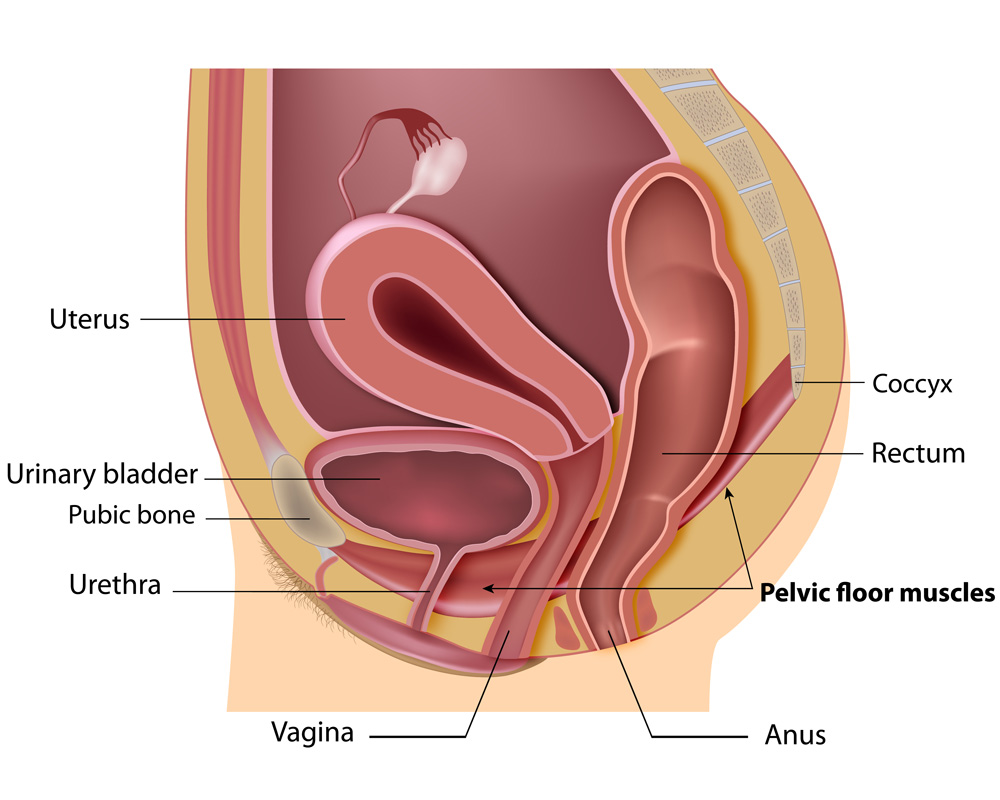
The pelvic floor is a complex architecture of muscles, ligaments, and connective tissues that support the bladder, uterus, and bowel. When this structural integrity is compromised—due to childbirth, aging, genetics, or chronic health issues—the result is often a constellation of symptoms that many patients find difficult to discuss. Understanding the role of a urogynecologist is the first step toward effective treatment and restoring daily function.

The Scope of Pelvic Floor Disorders
Urogynecologists specialize in the interplay between the pelvic organs and the musculoskeletal structures that support them. Their work is fundamentally restorative, aiming to correct anatomical shifts and functional deficits.
Pelvic Organ Prolapse
One of the most common reasons for a referral to a urogynecologist is pelvic organ prolapse (POP). This occurs when the pelvic floor muscles become weak or damaged, causing the pelvic organs—such as the bladder, uterus, or rectum—to descend or protrude into the vaginal canal. Patients often describe this as a sensation of pressure, a “bulging” feeling, or the sensation that something is falling out of the body. A urogynecologist evaluates the grade of the prolapse and determines whether conservative management, such as pelvic floor physical therapy or the use of a pessary (a removable device for support), or surgical intervention is the most appropriate path forward.
Urinary Incontinence and Bladder Issues
Urinary incontinence, or the involuntary leakage of urine, is another cornerstone of urogynecological practice. This encompasses stress urinary incontinence—leakage during physical activities like sneezing, laughing, or exercising—and urge incontinence, often referred to as “overactive bladder,” which involves a sudden, intense need to void. Beyond simple leakage, these specialists treat interstitial cystitis (painful bladder syndrome) and recurrent urinary tract infections that do not respond to standard interventions.
Fecal Incontinence and Bowel Dysfunction
Though less frequently discussed, fecal incontinence and difficulty with bowel movements are major areas of focus. Damage to the anal sphincter or the nerves governing the pelvic floor can lead to loss of bowel control. Urogynecologists work closely with colorectal specialists to diagnose the root cause of these issues and provide treatments ranging from biofeedback and dietary modification to advanced surgical repairs that restore normal bowel function.
Diagnostic Procedures and Evaluations
The journey with a urogynecologist begins with a rigorous diagnostic process. Because pelvic floor symptoms can often overlap—meaning a patient may suffer from multiple issues simultaneously—a comprehensive assessment is required to avoid treating the wrong symptom while ignoring the underlying cause.
Physical Examination and Pelvic Floor Assessment
The initial examination is more detailed than a routine gynecological check. A urogynecologist assesses the strength and coordination of the pelvic floor muscles and looks for evidence of muscle spasms or “trigger points” that may be contributing to pelvic pain. They also perform a specialized physical exam to measure the degree of prolapse while the patient is in different positions, such as standing or straining, to capture an accurate picture of how the organs behave during daily activity.
Urodynamic Testing
Urodynamics represent the “gold standard” for evaluating bladder function. This series of tests measures how well the bladder holds and releases urine. During the study, a thin catheter is inserted to fill the bladder with sterile water while sensors record the pressure changes inside the bladder and the abdomen. This allows the physician to pinpoint exactly why a patient is experiencing incontinence: is it due to a weak sphincter (stress incontinence), or is the bladder muscle spasming inappropriately (overactive bladder)? By clarifying the mechanism of the symptom, the urogynecologist can tailor the treatment plan to the specific pathology.
Cystoscopy and Imaging
In cases where bladder pain or recurrent infections are present, a cystoscopy may be performed. This involves using a thin, lighted tube with a camera to visualize the interior of the bladder directly. This allows the physician to rule out bladder stones, tumors, or internal inflammation that might be causing persistent discomfort. Additionally, pelvic ultrasounds or MRIs may be utilized to get a clear view of the structural anatomy, ensuring that the diagnosis is comprehensive and evidence-based.
Treatment Philosophies: From Conservative to Surgical
A defining characteristic of a urogynecologist is their commitment to a tiered treatment philosophy. The goal is always to improve the patient’s quality of life with the least invasive methods possible.
Non-Surgical Interventions
Before considering surgery, a urogynecologist typically recommends conservative therapies. Pelvic floor physical therapy is often the first line of defense; specialized therapists teach patients how to strengthen the muscles of the pelvic floor or, conversely, how to relax them if they are in a state of chronic contraction. For prolapse, the fitting of a vaginal pessary provides immediate mechanical support, which can be an excellent long-term solution for patients who wish to avoid or are not candidates for surgery. Lifestyle modifications, such as fluid management and bladder retraining, also play a vital role in managing mild to moderate symptoms.
Minimally Invasive Surgical Techniques
When conservative measures are insufficient, urogynecologists are trained in the latest surgical technologies. The field has shifted heavily toward minimally invasive procedures, including laparoscopic and robotic-assisted surgeries. These approaches use small incisions to access the pelvic cavity, resulting in faster recovery times, less postoperative pain, and reduced scarring compared to traditional “open” surgeries.
Reconstructive surgeries may involve using the patient’s own tissues or synthetic mesh to support the prolapsed organs, effectively lifting them back into their natural, anatomical position. For incontinence, a “sling” procedure—where a small strip of material is placed under the urethra to act as a supportive hammock—has become the standard of care for stress incontinence. These procedures are highly specialized, requiring a high degree of precision to ensure that the bladder remains functional without obstruction.

Restoring Quality of Life
The impact of a urogynecologist’s work extends far beyond the physical correction of an ailment. Pelvic floor disorders are notoriously isolating; many women report avoiding social outings, exercise, and intimate relationships for fear of an accident or discomfort. By addressing these often-stigmatized issues, urogynecologists provide patients with a pathway back to normalcy and confidence.
The partnership between a patient and her urogynecologist is centered on open communication. Because these conditions are deeply personal, the urogynecological practice emphasizes creating an environment where patients feel heard and validated. Whether managing chronic pain, correcting anatomical displacement, or stabilizing bladder function, the objective remains the same: ensuring that the patient can lead an active, comfortable, and independent life. As the medical field continues to evolve, the integration of advanced imaging, regenerative medicine, and robotic-assisted techniques will only further refine the urogynecologist’s ability to help patients reclaim their health from the inside out.
aViewFromTheCave is a participant in the Amazon Services LLC Associates Program, an affiliate advertising program designed to provide a means for sites to earn advertising fees by advertising and linking to Amazon.com. Amazon, the Amazon logo, AmazonSupply, and the AmazonSupply logo are trademarks of Amazon.com, Inc. or its affiliates. As an Amazon Associate we earn affiliate commissions from qualifying purchases.