
In the rapidly evolving landscape of health technology and biotechnology, the intersection of human biology and diagnostic sensors has opened new doors for understanding internal physiological processes. One of the most common yet frequently misunderstood phenomena is the formation of tonsilloliths, colloquially known as tonsil stones. While many approach this topic from a purely clinical or hygiene-based perspective, the tech industry sees it as a challenge of chemical identification, sensor precision, and data-driven diagnostic modeling. To answer the question of what a tonsil stone smells like, one must look past the subjective human experience and analyze the volatile organic compounds (VOCs) that digital sensors and electronic noses are now beginning to quantify.
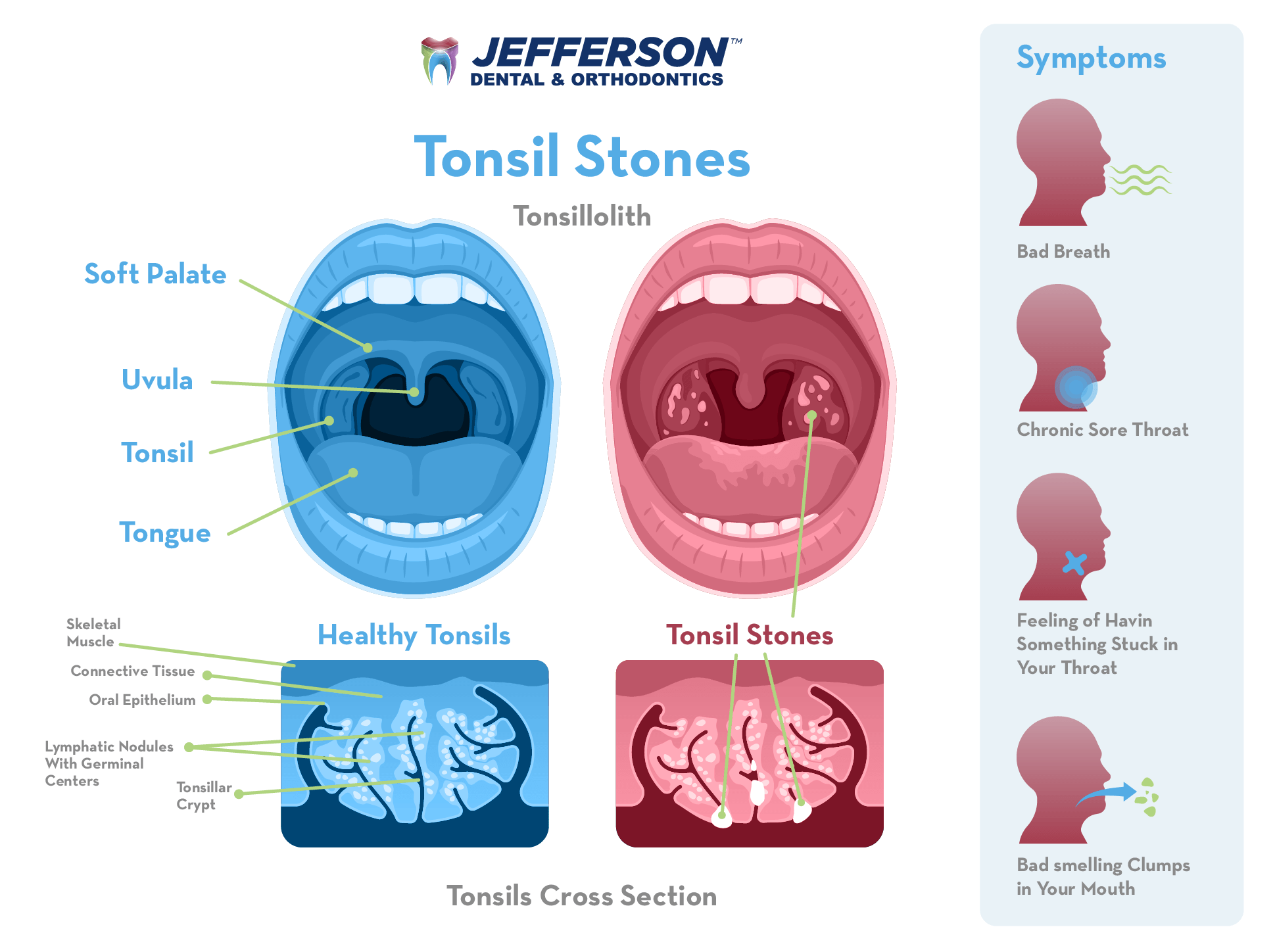
The Chemistry of Malodor: Deciphering the Volatile Organic Profile
To understand the scent profile of a tonsil stone through a technical lens, we must examine its biochemical composition. Tonsil stones are not “stones” in the geological sense; rather, they are biofilms—structured communities of microorganisms embedded in a matrix of polymers, cellular debris, and food particles. From a technological standpoint, the “smell” is a complex data set of Volatile Organic Compounds (VOCs).
The primary contributors to the pungent aroma of tonsil stones are sulfur-based compounds. When these biofilms undergo anaerobic decomposition, they release specific gases that high-sensitivity gas sensors can now detect with surgical precision. The most prominent of these are:
- Hydrogen Sulfide: This compound provides the distinct “rotten egg” scent. In the world of industrial sensors, detecting hydrogen sulfide is critical for safety, but in the realm of health-tech, it serves as a primary biomarker for oral anaerobic activity.
- Methyl Mercaptan: Often associated with the smell of rotting cabbage, this compound is highly volatile and detectable by human Olfactory receptors at extremely low concentrations. Tech developers working on “Electronic Noses” (e-noses) use these thresholds to calibrate sensitivity levels in diagnostic wearables.
- Dimethyl Sulfide: This adds a sweet but sickly undertone to the profile, often described as similar to overcooked corn or seaweed.
When combined, these compounds create a scent profile that is frequently compared to sulfur, mothballs, or decaying organic matter. For tech developers, the challenge lies in creating miniaturized sensors capable of distinguishing these specific oral VOCs from the background noise of normal metabolic gases like carbon dioxide and nitrogen.
The Role of Digital Sensors and “Electronic Noses”
The evolution of “e-nose” technology has turned the subjective experience of “smell” into a quantifiable metric. These devices use arrays of chemical sensors—often based on metal-oxide semiconductors (MOS) or conducting polymers—to detect patterns of gas molecules. When a tonsil stone is present, the gas-phase chemicals it emits interact with the sensor surface, changing its electrical conductivity.
This data is then processed through a recognition algorithm. Unlike a human, who might simply find the smell “unpleasant,” a digital sensor identifies the exact concentration of sulfurous gases in parts per billion (PPB). This has massive implications for the digital health market. We are currently seeing a surge in “Smart Breath” devices that sync with smartphones to provide users with a “breath score.” By analyzing the VOCs associated with tonsil stones, these apps can alert users to potential stone formation before the user can physically see or feel them.
Furthermore, the hardware behind these sensors is becoming increasingly sophisticated. Using Nano-Electro-Mechanical Systems (NEMS), engineers are fitting lab-grade gas chromatography capabilities onto silicon chips. This allows for a granular breakdown of the tonsil stone’s olfactory signature, moving diagnostic tech away from visual confirmation toward chemical-based preventative care.
Visualizing the Invisible: Consumer Imaging and Computer Vision
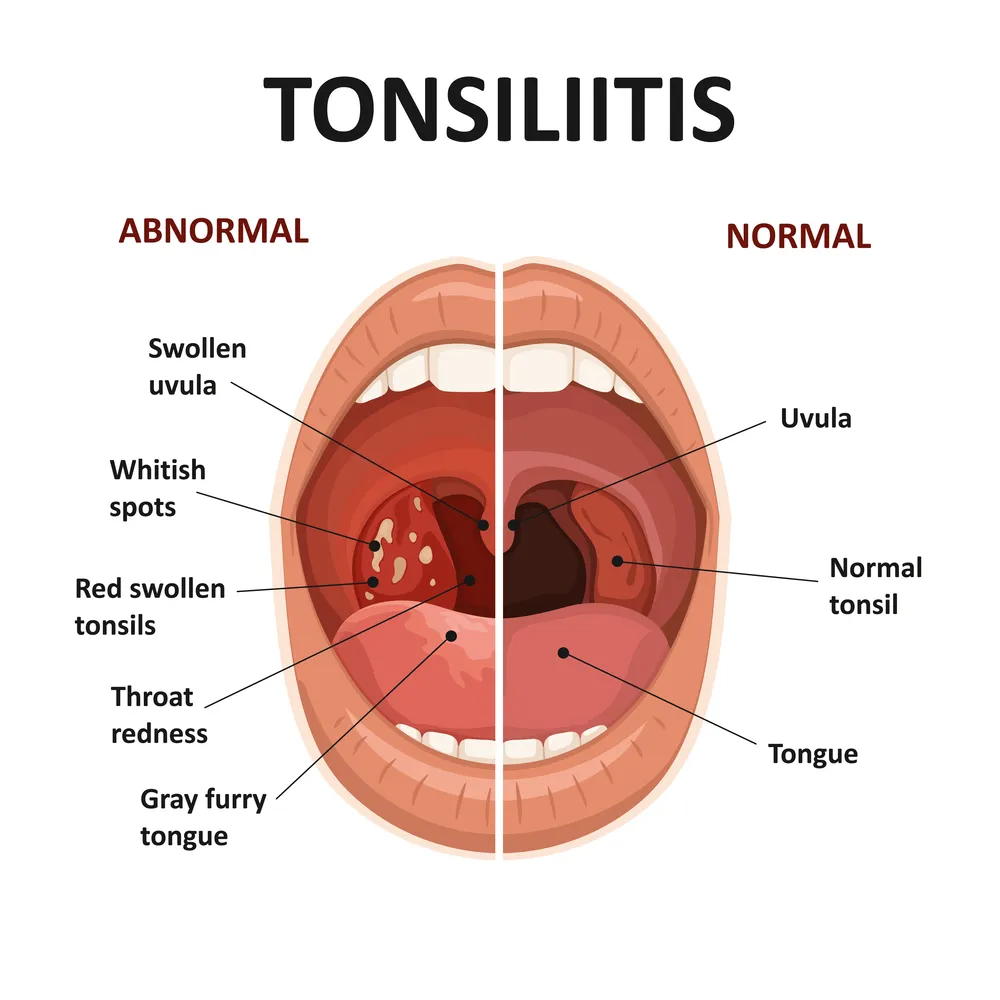
While the smell provides the chemical data, the visual identification of tonsil stones is where computer vision and consumer optics are making significant strides. For years, identifying a tonsil stone required a physical examination by a professional using a tongue depressor and a light. Today, the rise of the high-definition dental endoscope has revolutionized this process.
The Rise of Consumer Endoscopy
Modern dental cameras now utilize CMOS (Complementary Metal-Oxide-Semiconductor) sensors capable of 4K resolution and macro-focusing. These gadgets, which often connect via Wi-Fi or USB-C to a mobile device, allow users to navigate the complex oropharyngeal anatomy with ease. The technical achievement here is the miniaturization of the lens and the integration of high-color-rendering index (CRI) LEDs, which provide the accurate lighting necessary to distinguish between a tonsil stone and an exudate from an infection like tonsillitis.
AI-Driven Symptom Checkers
The real breakthrough, however, is not just in the hardware but in the software layer. Artificial Intelligence (AI) and Machine Learning (ML) models are being trained on vast datasets of intraoral photography. When a user captures an image of their tonsils, a computer vision algorithm can analyze the texture, color, and positioning of any anomalies.
These algorithms are trained to recognize the specific “calcified” appearance of a stone versus the “liquid” appearance of pus. By correlating the visual data with user-reported scent descriptions, AI models are becoming highly effective at triaging oral health issues. This prevents unnecessary medical visits while ensuring that more serious conditions—which might mimic the scent or appearance of a stone—are flagged for professional intervention.
The Future of Smart Oral Care: IoT and Preventative Gadgets
The next frontier for addressing the problem of tonsil stones lies in the Internet of Things (IoT). We are seeing the emergence of an entirely new ecosystem of “Smart Oral Care” devices designed to prevent the accumulation of the debris that leads to the foul-smelling formations.
Precision Irrigation Technology
The “water flosser” has undergone a massive tech upgrade. New-generation devices feature pressure-sensitive sensors and variable-pulsation technology. Some high-end models now include specialized “tonsil tips” that use low-pressure, targeted streams to clear the tonsillar crypts without damaging the delicate mucosal tissue. These devices often include Bluetooth connectivity to track usage patterns and suggest optimal cleaning routines based on the user’s history of stone formation.
Ultrasonic and UV-C Integration
In the cleaning and maintenance space, technology is moving toward preventative sterilization. UV-C light has long been used for disinfecting medical equipment, and it is now being integrated into the storage cases of oral hygiene tools to kill the anaerobic bacteria responsible for the sulfurous smell of tonsil stones. Additionally, ultrasonic vibration technology is being explored as a non-invasive way to break up the “bio-matrix” of stones before they calcify, making them easier to flush out during regular hygiene routines.
Data Privacy in Digital Health
As we integrate more sensors—both chemical and visual—into our daily lives, the tech industry must also address the “Money and Brand” aspect of data privacy. Health data is highly sensitive. The companies leading the charge in tonsil stone detection and oral health monitoring are investing heavily in end-to-end encryption and HIPAA-compliant cloud storage to ensure that a user’s “breath data” or “oral images” do not fall into the wrong hands.

Conclusion: The Convergence of Biology and Bitrate
The question “what does a tonsil stone smell like” is no longer just a query for a medical professional; it is a prompt for a sophisticated array of sensors and algorithms. By understanding the chemical signature of hydrogen sulfide and methyl mercaptan, we can build better e-noses. By leveraging high-definition CMOS sensors and AI, we can visualize and diagnose with greater accuracy. And through the IoT, we can automate the prevention of these uncomfortable and often embarrassing formations.
In the tech sector, the goal is always to turn a subjective human problem into a solvable data problem. The “smell” of a tonsil stone is simply a collection of data points waiting to be analyzed. As sensor technology continues to shrink in size and grow in sensitivity, the future of oral health will likely involve real-time monitoring of our chemical biomes, allowing us to manage our health with the same precision we use to manage our digital devices. We are moving toward a world where “smell” is just another notification on our smartphone—a digital alert that keeps our biological systems in peak condition.
aViewFromTheCave is a participant in the Amazon Services LLC Associates Program, an affiliate advertising program designed to provide a means for sites to earn advertising fees by advertising and linking to Amazon.com. Amazon, the Amazon logo, AmazonSupply, and the AmazonSupply logo are trademarks of Amazon.com, Inc. or its affiliates. As an Amazon Associate we earn affiliate commissions from qualifying purchases.