
In the realm of personal finance and asset management, few documents hold as much weight as a vehicle title. For residents of the Lone Star State, the Texas Certificate of Title—often referred to as a “blue title”—is more than just a piece of paper; it is a legal instrument representing a significant portion of an individual’s net worth. Understanding the visual cues, security features, and financial implications of this document is essential for anyone looking to buy, sell, or leverage a vehicle as a financial asset.
A vehicle is often the second-largest purchase a person makes, trailing only a home. Consequently, the document that proves ownership must be scrutinized with the same rigor one might apply to a stock certificate or a property deed. In Texas, the Department of Motor Vehicles (TxDMV) issues titles that are designed to be difficult to forge and easy to read for those who know what to look for.
Anatomy of a Texas Car Title: Identifying a Vital Financial Asset
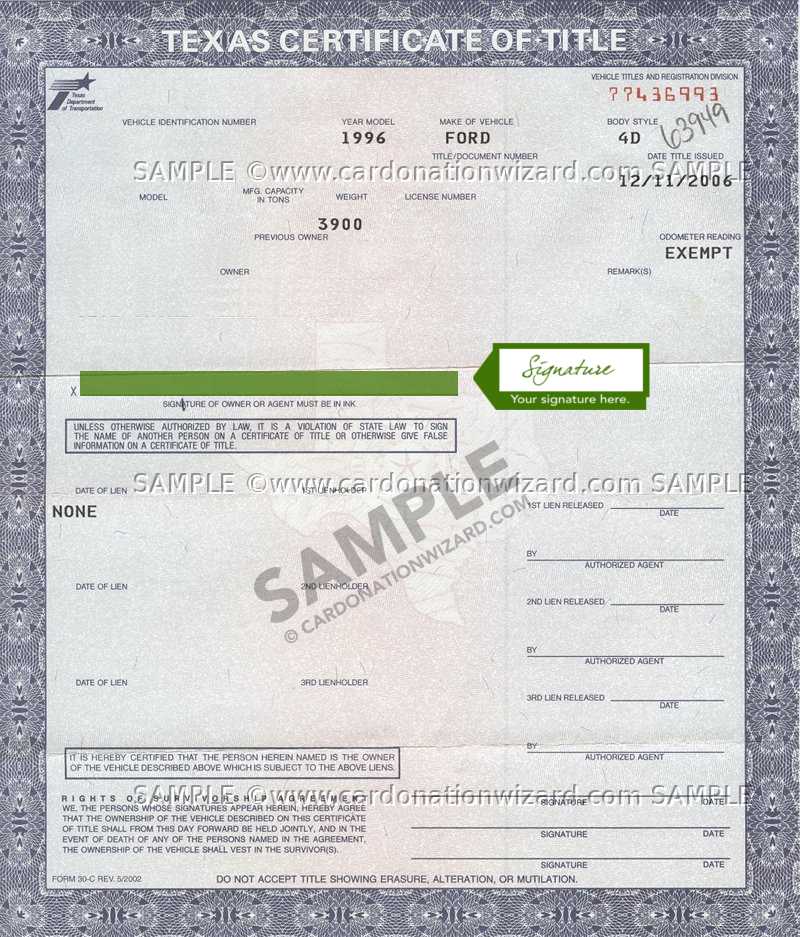
The physical appearance of a Texas car title is distinctive. Historically known as the “Texas Blue Title,” the document features a prominent blue border with intricate patterns that serve as a primary security measure. However, its importance lies in the data points it contains, which serve as the definitive record of a vehicle’s legal and financial status.
The Front of the Document: Ownership and Vehicle Data
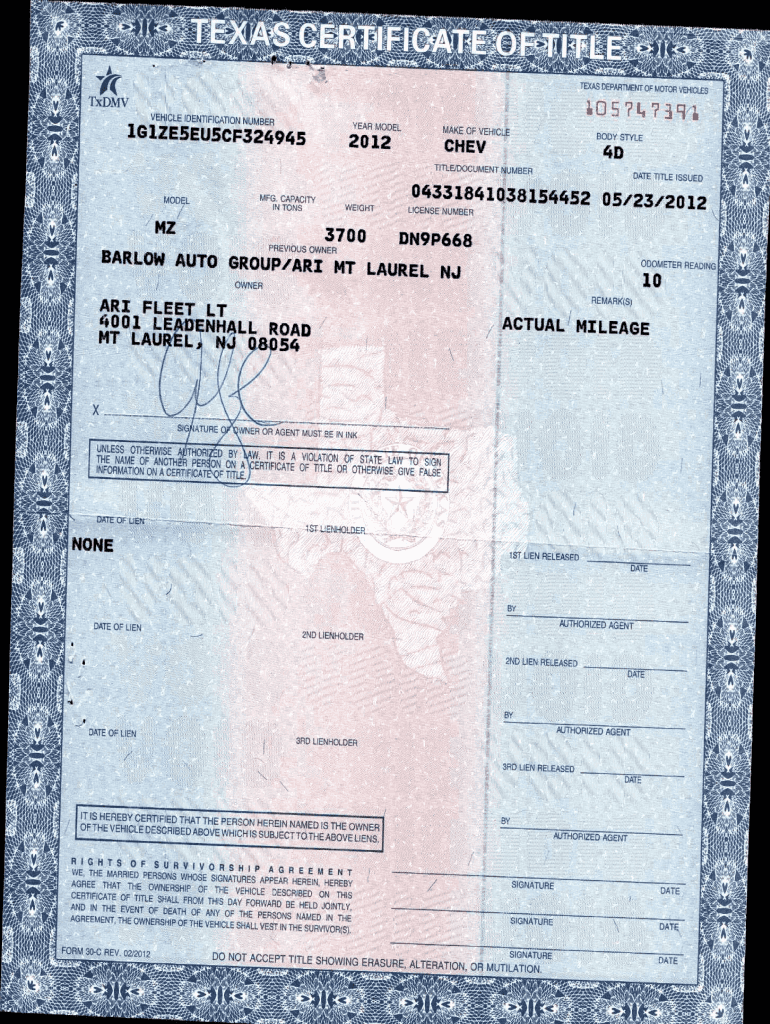
When you look at a Texas title, the top portion is dedicated to the vehicle’s identifying information. This includes the Vehicle Identification Number (VIN), the year, the make, and the body style. From a financial perspective, the VIN is the most critical element, as it ties the physical asset to the legal document. Any discrepancy here can render the vehicle unsellable and the title worthless in a legal dispute.
Below the vehicle description, you will find the name and address of the registered owner. In the context of personal finance, this section confirms who has the legal right to liquidate the asset. If the vehicle is owned by a business, the corporate identity will be listed here, which is crucial for tax depreciation and business expense tracking.
Security Features and Document Integrity
To prevent fraud and protect the financial interests of owners, Texas titles incorporate several security features. The paper itself has a unique texture and often includes watermarks that are visible when held up to the light. The blue ink used in the border is specifically formulated to be difficult to replicate with standard commercial printers. Understanding these features is a vital skill for anyone engaged in private-party car sales, as accepting a fraudulent title is an immediate and total financial loss.
The Document Control Number
Every Texas title carries a unique document control number. This is not the same as the VIN. The control number allows the TxDMV to track the specific piece of paper issued. For investors or high-volume car flippers, verifying this number through the TxDMV database can confirm that the title is the most recent version issued, ensuring that a previous, voided title is not being used to commit fraud.
The Financial Implications of the “Blue Title” vs. Other Designations
In the world of automotive finance, not all titles are created equal. The “Blue Title” is the gold standard, signifying a “clean” title. However, Texas also issues titles with specific remarks or “brands” that can drastically alter the market value of the vehicle and its viability as collateral.
Clean Titles and Asset Liquidity
A standard blue title with no remarks indicates that the vehicle has a clean history regarding major insurance total-loss claims. From a personal finance standpoint, a clean title ensures maximum liquidity. It is easier to sell, fetches a higher market price, and is the only type of title most traditional lenders will accept for a high-interest savings-linked auto loan or a refinance.
Salvage and Rebuilt Titles: The Cost of Depreciation
If a vehicle has been declared a total loss by an insurance company due to damage, it may be issued a Salvage Title. In Texas, these are often physically distinct or clearly marked with “SALVAGE” in the remarks section. From an investment perspective, a salvage title typically reduces a vehicle’s value by 30% to 50%.
When a salvage vehicle is repaired and passes a state inspection, it may be granted a “Rebuilt” brand. While this allows the car to be driven legally, the financial stigma remains. Savvy buyers use the “Remarks” section of the Texas title to identify these brands, as they represent a permanent “black mark” on the asset’s financial pedigree.
Odometer Brands and Financial Risk
One of the most critical “remarks” to look for on a Texas title involves the odometer reading. If the title states “NOT ACTUAL MILEAGE” or “EXCEEDS MECHANICAL LIMITS,” the financial value of the car plummets. In personal finance, transparency is key to valuation; an untrustworthy odometer makes it impossible to accurately calculate the remaining life of the asset, making it a high-risk investment.
Protecting Your Equity: Managing Liens and Ownership Transfers
For most Texans, a car is not owned outright but is financed through a bank or credit union. This creates a dual interest in the asset, which is reflected directly on the face of the Texas car title.
The Lienholder Section: Who Really Owns the Asset?
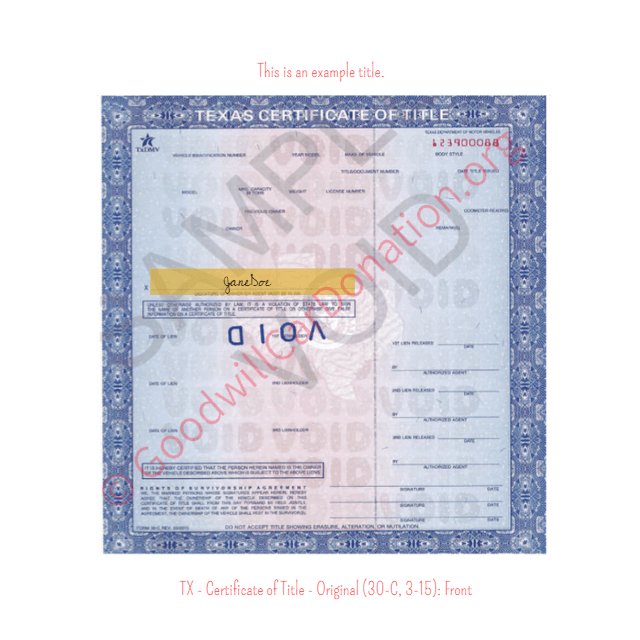
On the front of the Texas title, there is a specific section for “Lienholder Information.” If you have an active car loan, the lender’s name and address will be printed here. From a financial management perspective, the presence of a lienholder means you do not have the legal right to sell the vehicle without the lender’s consent. The lender usually holds the physical title until the debt is satisfied, serving as protection for their investment.
Releasing the Lien to Build Equity
Once a loan is paid off, the lender must “release” the lien. In Texas, this can happen electronically, or the lender may send a paper lien release. To maximize your financial flexibility, it is often wise to apply for a “clear” title—one that no longer lists the lienholder. This makes the title a “negotiable instrument” that can be traded or sold instantly, increasing your liquid net worth.
The Back of the Title: The Financial Transaction Portal
The back of the Texas title is where the actual transfer of wealth occurs. It contains spaces for the seller’s signature, the buyer’s information, the sales price, and the odometer reading at the time of sale.
In the niche of side hustles and car flipping, “title jumping”—the act of buying a car and selling it without ever titling it in your name—is a common but illegal practice. For legitimate financial growth, every transfer must be recorded. Failing to properly fill out the back of the title can lead to legal liabilities for the seller (such as toll violations or parking tickets incurred by the new owner) and tax headaches for the buyer.
Title Management as a Component of Personal Wealth Strategy
Viewing a car title as a static document is a mistake. In a comprehensive financial plan, title management is a dynamic process that involves protecting the document, monitoring its status, and understanding how it can be used for capital.
The Rise of the Electronic Title (E-Title)
Texas has moved toward an electronic titling system to reduce fraud and administrative costs. An e-title exists as a digital record in the TxDMV database. While you don’t have a physical blue piece of paper, the financial security is often higher, as there is no physical document to lose or have stolen. For those who prefer a paperless financial life, the e-title is a modern solution to asset tracking.
Using the Title as Collateral
In times of financial need, a clear Texas title can be used to secure a title loan. While often viewed as a high-risk financial move due to high interest rates, it is a testament to the title’s status as a liquid asset. The title serves as the physical manifestation of the vehicle’s equity. Understanding the value of your title allows you to understand the “emergency fund” potential sitting in your driveway.
Safekeeping and Replacement Costs
A lost title is a lost opportunity. If you decide to sell your vehicle during a market peak but cannot find the title, you may lose out on thousands of dollars while waiting for a replacement. A “Certified Copy of Title” in Texas costs a fee and requires a specific application process (Form VTR-34). From a professional organizing standpoint, car titles should be kept in a fireproof safe or a bank safety deposit box, separate from the vehicle itself.
Avoiding Costly Financial Errors in the Texas Title Process
Financial literacy regarding vehicle ownership involves navigating the taxes and fees associated with the Texas title. Errors in this process can lead to unexpected expenses that eat into your profit margins or personal savings.
Standard Presumptive Value (SPV) and Sales Tax
In Texas, when you buy a car in a private sale, the sales tax is not necessarily based on what you paid. The state uses the “Standard Presumptive Value” (SPV) to calculate the 6.25% sales tax. If you buy a car for a “steal” but the title reflects a much higher SPV, your tax liability will be higher than anticipated. Understanding this allows you to budget more accurately for the total cost of acquisition.
Odometer Disclosure Requirements
The federal Truth in Mileage Act requires odometer disclosure for most vehicles. On the Texas title, accurately recording the mileage is a legal requirement. Any error here can lead to a “branded” title, which, as discussed, significantly devalues the asset. When signing over a title, double-checking the numbers is a simple step that protects the financial integrity of the sale.
The Role of the VTR-130-U Form
While the title is the primary ownership document, in Texas, it must be accompanied by the Application for Texas Title and/or Registration (Form VTR-130-U) during a sale. This form acts as the tax document for the transaction. For anyone treating car buying and selling as a business or a serious side hustle, mastering the interplay between the blue title and the VTR-130-U is essential for maintaining clean financial records and ensuring the state recognizes the transfer of equity.
By treating the Texas car title with the respect it deserves—as a high-security, legal financial instrument—owners can better protect their investments, maximize their resale values, and navigate the complexities of automotive personal finance with confidence. Whether it is the blue border of a clean title or the stark warnings of a salvage brand, every mark on the document tells a story of value, risk, and ownership.
aViewFromTheCave is a participant in the Amazon Services LLC Associates Program, an affiliate advertising program designed to provide a means for sites to earn advertising fees by advertising and linking to Amazon.com. Amazon, the Amazon logo, AmazonSupply, and the AmazonSupply logo are trademarks of Amazon.com, Inc. or its affiliates. As an Amazon Associate we earn affiliate commissions from qualifying purchases.