
In the modern financial landscape, the role of a tax accountant is often reduced to the image of a professional hovering over a calculator during the frantic weeks of April. However, this narrow perception overlooks the sophisticated financial architecture these professionals build for both individuals and businesses. A tax accountant is far more than a data entry clerk for the government; they are strategic advisors, risk managers, and financial navigators who ensure that wealth is not only accounted for but protected against the complexities of changing legislation.
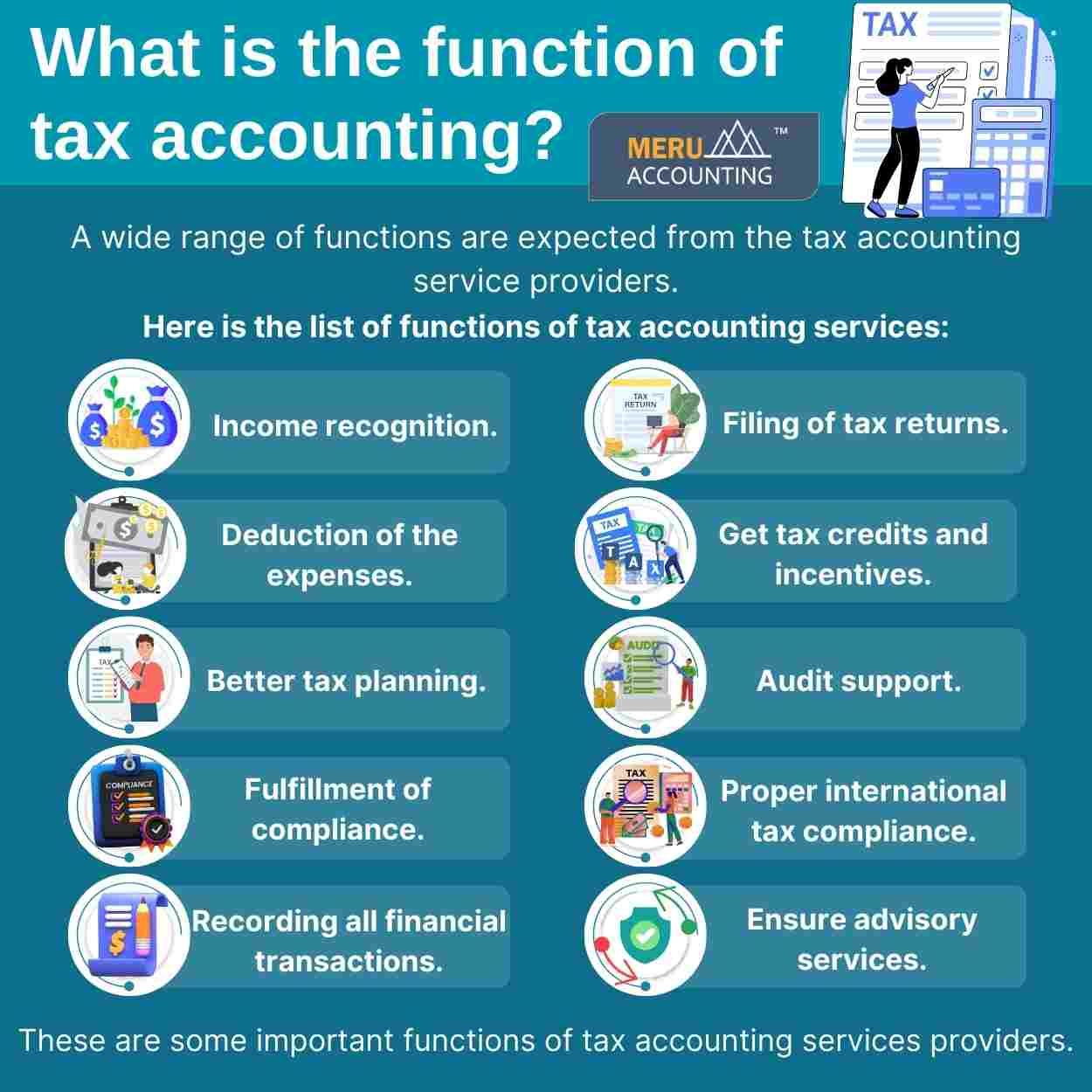
Understanding what a tax accountant does requires a look into the intersection of personal finance, corporate law, and economic strategy. Their work impacts the bottom line of a business and the long-term wealth of an individual, making them indispensable in an era where tax codes are thousands of pages long and constantly shifting.
The Foundation of Compliance: Ensuring Regulatory Accuracy
The primary and most visible responsibility of a tax accountant is the management of compliance. In the world of finance, compliance is the baseline—the non-negotiable requirement that keeps individuals and entities out of legal and financial peril.
Tax Preparation and Filing
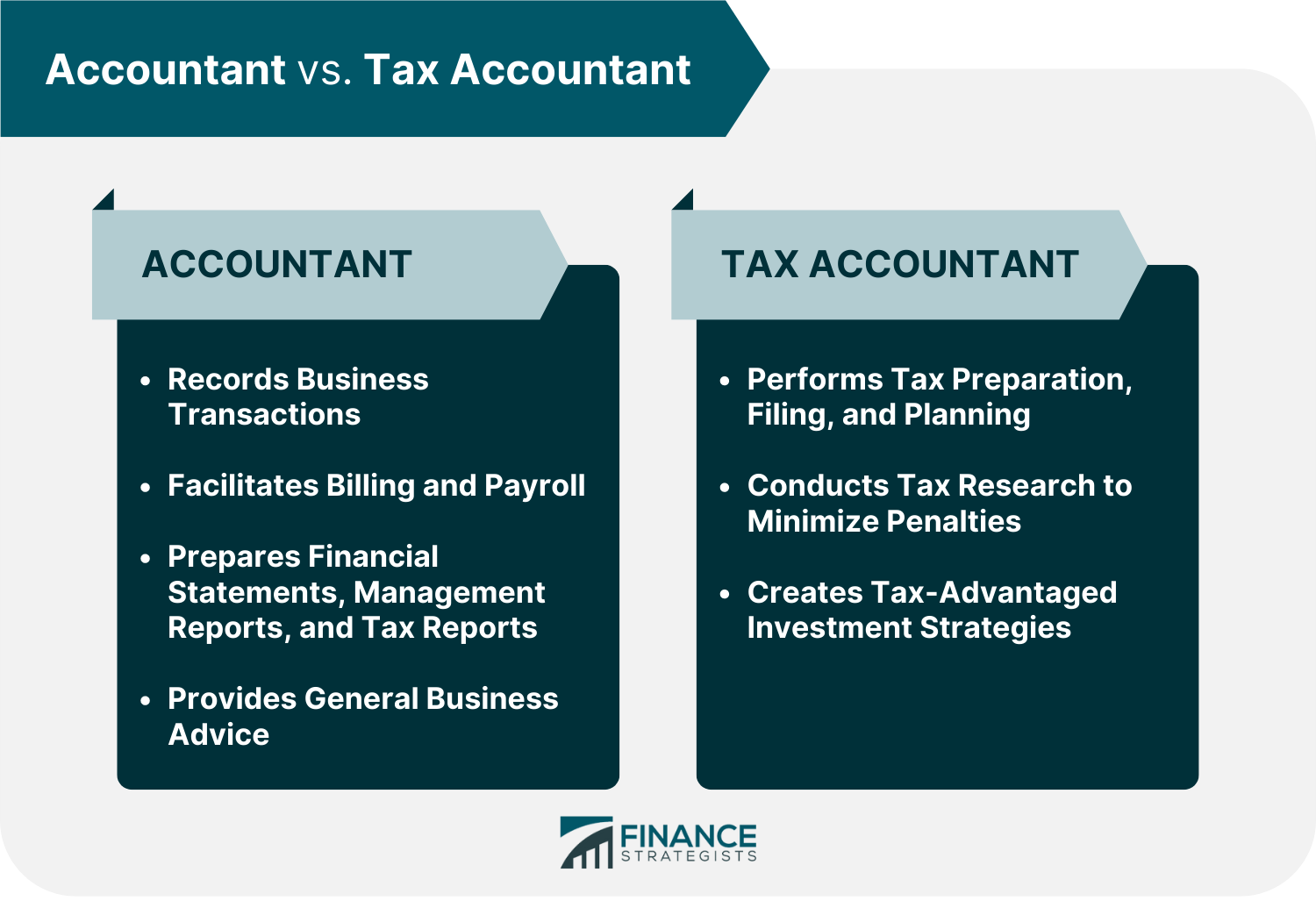
At its core, a tax accountant is responsible for the preparation and filing of tax returns. This involves a meticulous gathering of financial records, income statements, and expense reports to calculate exactly what is owed to federal, state, and local authorities. For individuals, this might include reporting wages, investment dividends, and capital gains. For businesses, the complexity scales exponentially, involving payroll taxes, sales taxes, and international trade considerations. The tax accountant ensures that every form is filled out correctly, every box is checked, and every deadline is met, thereby avoiding the heavy penalties and interest charges associated with late or incorrect filings.
Regulatory Monitoring and Interpretation
The tax code is a living document, subject to the whims of legislative changes and economic shifts. A significant portion of a tax accountant’s day is dedicated to staying current with new laws, such as changes in corporate tax rates or new deductions for green energy investments. They interpret how these high-level legislative changes apply to their specific clients. By understanding the “why” behind the laws, they can translate abstract legal jargon into actionable financial advice, ensuring that their clients are never caught off guard by a new regulation.
Audit Representation and Dispute Resolution
Perhaps the most stressful event for any taxpayer is an audit by the IRS or local tax authority. In these instances, the tax accountant acts as the primary shield and advocate for the client. They organize the necessary documentation, represent the client during meetings with tax officials, and defend the positions taken on the tax return. Their expertise in financial law allows them to navigate these high-stakes negotiations, often settling disputes and ensuring that the client is treated fairly under the law.
Strategic Tax Planning: Maximizing Wealth and Minimizing Liability
While compliance looks backward at what happened in the previous year, strategic tax planning looks forward. This is where the tax accountant adds the most significant value to a person’s or company’s financial health.
Minimizing Liability through Deductions and Credits
One of the most critical roles of a tax accountant is identifying ways to legally minimize tax liability. They look for deductions (which reduce taxable income) and credits (which provide a dollar-for-dollar reduction in the tax bill). This involves a deep dive into the client’s spending and investment habits. For a business, this might mean maximizing depreciation on new equipment; for an individual, it could mean identifying overlooked charitable contributions or education-related expenses. The goal is to ensure that the client pays exactly what they owe and not a penny more.
Long-term Investment and Retirement Strategy
Tax accountants work closely with financial planners to ensure that investment strategies are tax-efficient. They advise on which types of accounts—such as 401(k)s, IRAs, or brokerage accounts—are best suited for a client’s specific financial goals. By understanding the tax implications of withdrawing money in retirement versus investing it today, they help clients build a “tax-diversified” portfolio. This ensures that when it comes time to enjoy their wealth, the government doesn’t take a larger-than-necessary share of their hard-earned savings.
Business Structure and Transactional Advisory
For entrepreneurs, the way a business is structured (e.g., Sole Proprietorship, LLC, S-Corp, or C-Corp) has massive implications for how much tax is paid. A tax accountant analyzes the business’s revenue, goals, and number of employees to recommend the most tax-efficient structure. Furthermore, they provide essential guidance during major transactions, such as the sale of a business or a merger. They help structure these deals to minimize the capital gains tax, ensuring that the owners retain as much value as possible from the transaction.
Specialized Financial Services for Diverse Entities
The duties of a tax accountant vary significantly depending on whether they are serving a high-net-worth individual, a small business, or a multinational corporation. This specialization allows them to address the unique financial pressures of different economic sectors.
Estate and Trust Planning
For individuals with significant assets, tax accountants play a vital role in estate planning. They work to ensure that wealth can be passed down to the next generation with minimal “death taxes” or inheritance taxes. This often involves the creation of trusts, the management of gift taxes, and the strategic timing of asset transfers. By managing these complex financial instruments, the tax accountant helps preserve a family’s financial legacy.
Corporate Tax and International Finance
In the corporate world, tax accountants manage the complexities of “transfer pricing”—the price at which different branches of the same company trade with each other. This is particularly important for companies operating across international borders, where different countries have vastly different tax rates. The tax accountant ensures that the company remains compliant with international treaties and domestic laws while optimizing the global tax rate to improve shareholder value.
Cash Flow Analysis and Financial Reporting
Beyond taxes, these professionals often assist in broader business finance. They analyze cash flow to ensure that a business has enough liquidity to cover its tax obligations when they come due. They provide quarterly financial reports that help business owners understand their profit margins and operational efficiency. By linking tax obligations to daily operations, they provide a holistic view of a company’s financial health.
The Modern Tax Accountant: Data, Ethics, and Insight
As the world of finance becomes more digitized, the role of the tax accountant has evolved to include sophisticated data analysis and a heightened focus on ethical financial management.
Forensic Accounting and Error Detection
Tax accountants often perform a “forensic” role, scanning through months or years of financial data to find inconsistencies or errors. This is crucial for identifying potential fraud, embezzlement, or simple accounting mistakes that could lead to financial loss. Their keen eye for detail ensures that the financial data used for tax purposes is clean, accurate, and reflective of reality. This level of scrutiny builds trust with investors, lenders, and regulatory bodies.
Leveraging Financial Tools for Predictive Analysis
Modern tax accountants use advanced financial software to run “what-if” scenarios. They can project how a 10% increase in revenue or a new government tariff might affect a company’s tax position three years down the line. This predictive capability allows for proactive decision-making. Instead of reacting to a tax bill, businesses and individuals can prepare for it, adjusting their spending and investment strategies in real-time to maintain financial stability.
The Ethical Guardian of Finance
Finally, a tax accountant serves as an ethical anchor. While their job is to minimize taxes, they must do so within the bounds of the law. They navigate the thin line between “tax avoidance” (legal) and “tax evasion” (illegal). By upholding professional standards and ethical codes, they protect their clients from the reputational and legal risks of aggressive or fraudulent tax schemes. In a global economy where transparency is increasingly valued, the integrity of a tax accountant is one of a client’s most valuable assets.

Conclusion: The Strategic Value of Professional Tax Accounting
In summary, a tax accountant is a multifaceted financial professional whose impact extends far beyond the annual filing of a return. They are the architects of tax efficiency, the guardians of compliance, and the strategic partners in wealth creation. By navigating the complexities of the tax code, they provide individuals with peace of mind and businesses with a competitive edge.
Whether it is through the careful structuring of a multi-million dollar merger, the meticulous planning of a retirement fund, or the staunch defense of a client during an audit, the tax accountant ensures that the financial engine of society runs smoothly. In an increasingly complex economic world, their expertise is not just a luxury—it is a fundamental necessity for anyone looking to build, manage, and protect their financial future.
aViewFromTheCave is a participant in the Amazon Services LLC Associates Program, an affiliate advertising program designed to provide a means for sites to earn advertising fees by advertising and linking to Amazon.com. Amazon, the Amazon logo, AmazonSupply, and the AmazonSupply logo are trademarks of Amazon.com, Inc. or its affiliates. As an Amazon Associate we earn affiliate commissions from qualifying purchases.