
In the vast landscape of modern technology, there are components that operate silently behind the scenes, bridging the gap between digital instructions and physical action. One of the most ubiquitous yet misunderstood of these components is the solenoid. To a software engineer, it is a binary output; to a hardware designer, it is an inductor; but to the end-user, it is the click of a door lock or the shifting of a gear. Understanding what a solenoid looks like—and how its physical form dictates its technological function—is essential for anyone delving into robotics, automotive tech, or industrial automation.

While the term “solenoid” technically refers to a coil of wire, in the tech world, it almost always describes a complete electromechanical actuator. These devices serve as the “muscles” of the digital age, converting electrical energy into linear or rotary motion.
The Anatomy of a Solenoid: Physical Appearance and Components
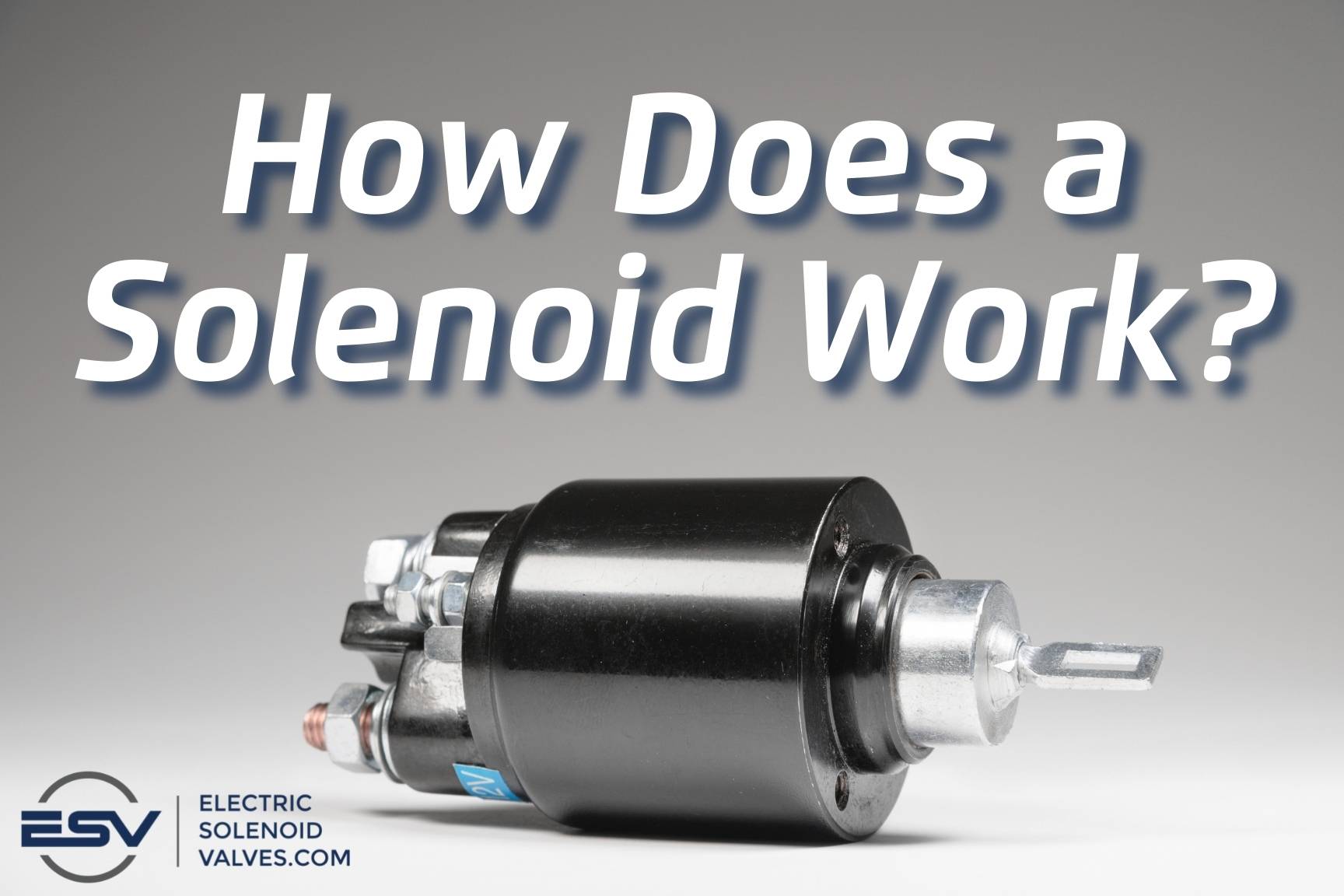
At first glance, a standard solenoid typically looks like a small metal cylinder or a rectangular block with two or more wires protruding from it. However, its external simplicity belies a sophisticated internal arrangement designed to manipulate electromagnetic fields. Depending on its application, a solenoid can range in size from a grain of rice in medical tech to the size of a fire hydrant in heavy industrial machinery.
The Wire Coil and Housing
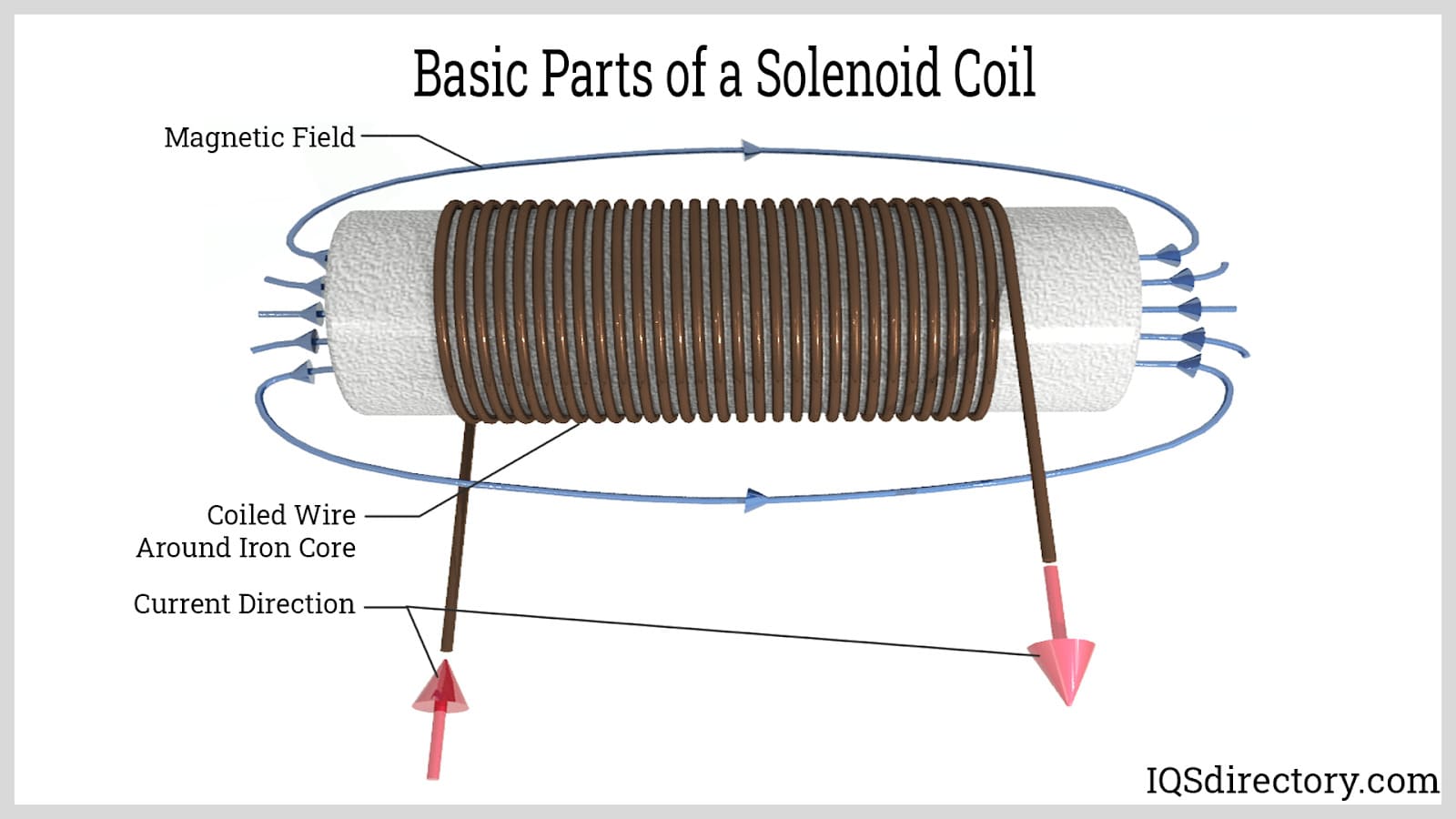
The most defining feature of a solenoid’s interior is the coil. If you were to strip away the outer casing, you would find thousands of turns of enameled copper wire wrapped tightly around a hollow bobbin. In most tech applications, this coil is protected by a “frame” or “can.” The frame is usually made of a ferrous material like steel, which serves a dual purpose: it protects the delicate copper wire and provides a path for the magnetic flux, significantly increasing the device’s efficiency. From the outside, this often looks like a shiny or matte metallic shell, sometimes wrapped in a layer of insulating plastic or tape.
The Armature or Plunger
If you look at the center of the solenoid, you will see the moving part: the armature (often called the plunger). This is typically a solid metal rod made of iron or steel. In a “push-type” solenoid, one end of the plunger may be flush with the housing until activated. In a “pull-type,” the plunger usually sticks out, waiting to be drawn into the coil when electricity is applied. The surface of the plunger is often highly polished or coated with Teflon to reduce friction, giving it a distinct silvery or dark grey metallic sheen.
The Return Spring and Terminals
Most solenoids feature a visible return spring. This small, coiled wire spring ensures that once the electrical current is cut, the plunger returns to its original position. Additionally, every solenoid will have electrical connection points. In consumer electronics and DIY robotics (like Arduino projects), these might be simple insulated lead wires (red and black). In industrial tech, they might look like robust “spade” connectors or a specialized multi-pin plastic header designed to snap into a wiring harness.
Visualizing Different Types of Solenoids in Modern Technology
Not all solenoids are created equal. Their physical appearance varies wildly based on whether they are designed to move a tiny lever or shut off a high-pressure water line. By identifying these visual profiles, tech professionals can better understand the capabilities of the hardware they are working with.
Linear Solenoids: The Standard Actuator
The linear solenoid is the most recognizable form. It is usually a simple cylinder or a C-frame (an open-sided rectangular frame). These are designed for “on/off” movement. If you see a small, boxy metal component with a pin that pops out when powered, you are likely looking at a linear solenoid. They are common in electronic deadbolts and vending machine dispensers.
Rotary Solenoids: Compact Precision
Rotary solenoids look quite different from their linear cousins. They are usually shorter and wider, resembling a small “puck” or a miniature motor. Instead of a plunger that moves in and out, a rotary solenoid has a shaft that rotates a specific number of degrees (often 25, 45, or 90 degrees) when energized. These are used in high-speed tech applications like automated sorting shutters in optical sensors or mail-sorting machines where rapid, repetitive swinging motion is required.
Solenoid Valves: The Fluid Controllers
In the realm of “Clean-Tech” and industrial IoT, you will often see solenoids integrated directly onto pipes. These are known as solenoid valves. Physically, they consist of a standard solenoid coil (the “operator”) sitting on top of a valve body made of brass, stainless steel, or plastic. The coil looks like a square or cylindrical “top-hat” perched on the plumbing. These are the components responsible for everything from the automated irrigation in “smart farms” to the coolant flow in high-performance server arrays.
Recognizing Solenoids in Real-World Tech Hardware
To truly understand what a solenoid looks like, one must look at them within the context of the machines they inhabit. They are rarely standalone devices; they are integrated components that define the physical interface of a piece of tech.
Automotive and EV Technology
If you open the hood of a modern internal combustion vehicle or look at the thermal management system of an Electric Vehicle (EV), you will see solenoids everywhere. The “starter solenoid” is a large, rugged cylinder mounted to the starter motor. It must handle hundreds of amps, so it looks heavy-duty with thick copper terminals. In the transmission, a “solenoid pack” looks like a complex manifold of small cylinders and wires that manage hydraulic fluid to shift gears. In EVs, solenoids are often encased in high-voltage orange housings, acting as safety contactors that physically disconnect the battery from the motor in the event of a crash.
Robotics and Industrial Automation
In the world of robotics, solenoids are the “fingers” of the machine. In a pneumatic robotic arm, the solenoids don’t move the arm itself; instead, they look like a bank of small plastic switches (solenoid valves) that redirect air to different pistons. These “valve banks” often feature LED indicators that glow when the solenoid is active, providing a visual diagnostic tool for engineers. In 3D printers, small solenoids are sometimes used in the “tool changer” or as part of the filament cutting mechanism, appearing as tiny, thumb-sized metal boxes.
Computing and Consumer Peripherals
While solid-state technology has replaced many mechanical parts, solenoids still exist in our peripherals. In high-end mechanical keyboards or haptic feedback devices, tiny “solenoid drivers” can be used to create a physical “thump” or “click” sensation that a vibration motor cannot replicate. In older tech, like floppy disk drives or dot-matrix printers, solenoids were the primary movers, looking like small copper-wrapped spools that moved the read/write heads or fired the print pins.
The Future of Solenoid Design: Miniaturization and Smart Integration
As technology moves toward smaller, faster, and more efficient designs, the physical appearance of the solenoid is evolving. The “clunky” metal cylinder of the 20th century is giving way to high-tech variations that are barely recognizable as electromechanical devices.
Micro-Solenoids and MEMS
In the medical tech field, particularly in “Lab-on-a-Chip” devices, solenoids have been miniaturized to a microscopic scale. Micro-solenoids used in insulin pumps or surgical robots are often smaller than a pencil eraser. They are frequently encapsulated in medical-grade silicone or high-performance polymers, making them look more like electronic chips (SMD components) than traditional mechanical parts. These components are often surface-mounted directly onto PCBs (Printed Circuit Boards).
Smart Solenoids with IoT Connectivity
The next generation of solenoids doesn’t just look like a coil; it looks like a computer. “Smart solenoids” now feature integrated sensors and microprocessors housed within the same casing as the coil. From the outside, these may have an additional data port (like an M12 connector or even a micro-USB/USB-C service port) alongside the power terminals. These sensors allow the solenoid to “report” its status—detecting if the plunger is stuck, measuring the temperature of the coil, or counting how many cycles it has performed before it requires maintenance.
Digital Solenoids and Energy Efficiency
As tech companies push for “Green Tech” certifications, solenoids are becoming more energy-efficient. This has led to the rise of the “latching solenoid.” Physically, these look almost identical to standard solenoids but contain a small permanent magnet. This allows the plunger to stay in place without a continuous flow of electricity. Visually, you might only notice a slight increase in the length of the housing to accommodate the magnet, but this design shift is a cornerstone of battery-powered IoT devices that need to last for years on a single charge.
In conclusion, while a solenoid may appear to be a simple piece of hardware, its visual diversity reflects the incredible breadth of its applications in the tech industry. Whether it is a massive industrial valve or a microscopic actuator on a circuit board, the solenoid remains a vital bridge between the digital and physical worlds. As we continue to automate our environment, these “hidden” components will only become more integrated, smarter, and more essential to the devices we use every day.
aViewFromTheCave is a participant in the Amazon Services LLC Associates Program, an affiliate advertising program designed to provide a means for sites to earn advertising fees by advertising and linking to Amazon.com. Amazon, the Amazon logo, AmazonSupply, and the AmazonSupply logo are trademarks of Amazon.com, Inc. or its affiliates. As an Amazon Associate we earn affiliate commissions from qualifying purchases.