
The modern automobile is a marvel of intricate engineering, a symphony of mechanical and electrical components working in concert to provide reliable and efficient transportation. Among the myriad of parts that contribute to this complex system, the solenoid often operates behind the scenes, an unsung hero whose function is crucial to a car’s operation. While it might not be as immediately recognizable as an engine or a transmission, understanding the role of a solenoid is key to appreciating the sophisticated technology that underpins our vehicles. At its core, a solenoid is an electromechanical device that converts electrical energy into mechanical motion, specifically linear motion. This simple yet fundamental principle makes it indispensable in a wide array of automotive applications, from controlling fluid flow to activating essential starting mechanisms.
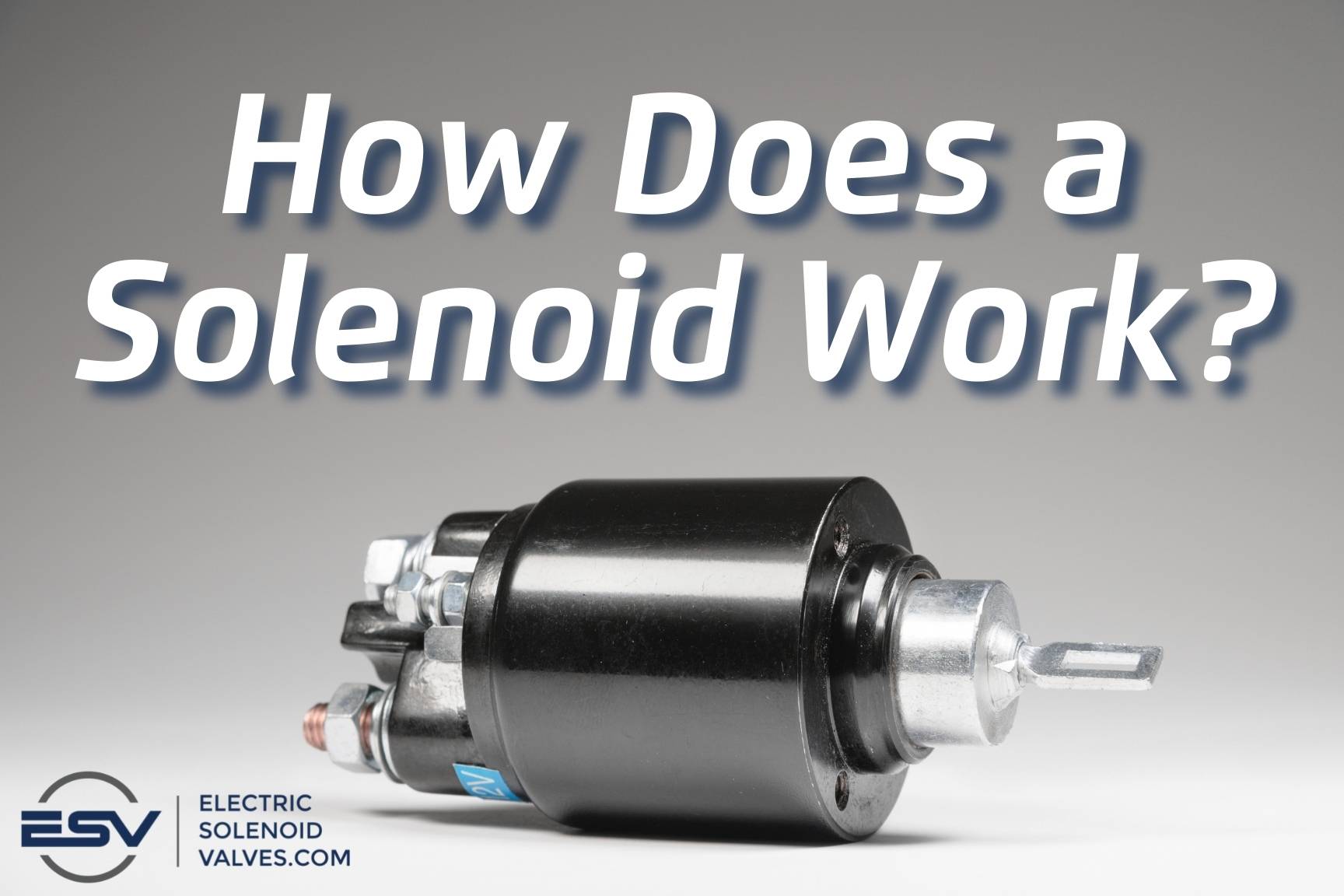
The Electromagnetism at Play: How Solenoids Function
At the heart of every solenoid lies a simple yet powerful concept: electromagnetism. When an electric current flows through a coil of wire, it generates a magnetic field. This magnetic field is the driving force behind a solenoid’s operation.
The Anatomy of a Solenoid
A typical automotive solenoid comprises a few key components:
- Coil: This is a length of wire, usually copper, wound into a cylindrical shape. When electricity is passed through this coil, it creates the magnetic field.
- Plunger (Core): This is a movable piece of ferromagnetic material, typically iron or steel, positioned within the coil. When the magnetic field is activated, it attracts the plunger, causing it to move.
- Spring: A spring is usually present to return the plunger to its original position when the electrical current is interrupted.
- Housing: This encloses the coil and plunger, providing structural support and often acting as a conduit for the fluid being controlled or the mechanical linkage.
The Principle of Electromagnetic Actuation
The operation of a solenoid is based on Faraday’s Law of Induction and Ampère’s Law. When a direct current (DC) voltage is applied to the coil, it energizes, generating a concentrated magnetic field. This field exerts a force on the ferromagnetic plunger, pulling it into the center of the coil. This movement is what allows the solenoid to perform its task, whether it’s opening or closing a valve, engaging a gear, or activating a switch. When the electrical current is removed, the magnetic field collapses, and the spring pushes the plunger back to its resting position. The speed and force of this movement are dependent on the design of the solenoid, including the strength of the magnetic field, the mass of the plunger, and the tension of the spring.
Solenoids in Action: Key Automotive Applications
The versatility of the solenoid’s electromechanical function makes it a critical component in numerous automotive systems. Its ability to translate electrical signals into precise physical actions is leveraged across various functions, ensuring the smooth and safe operation of the vehicle.
The Starter Solenoid: Igniting the Engine
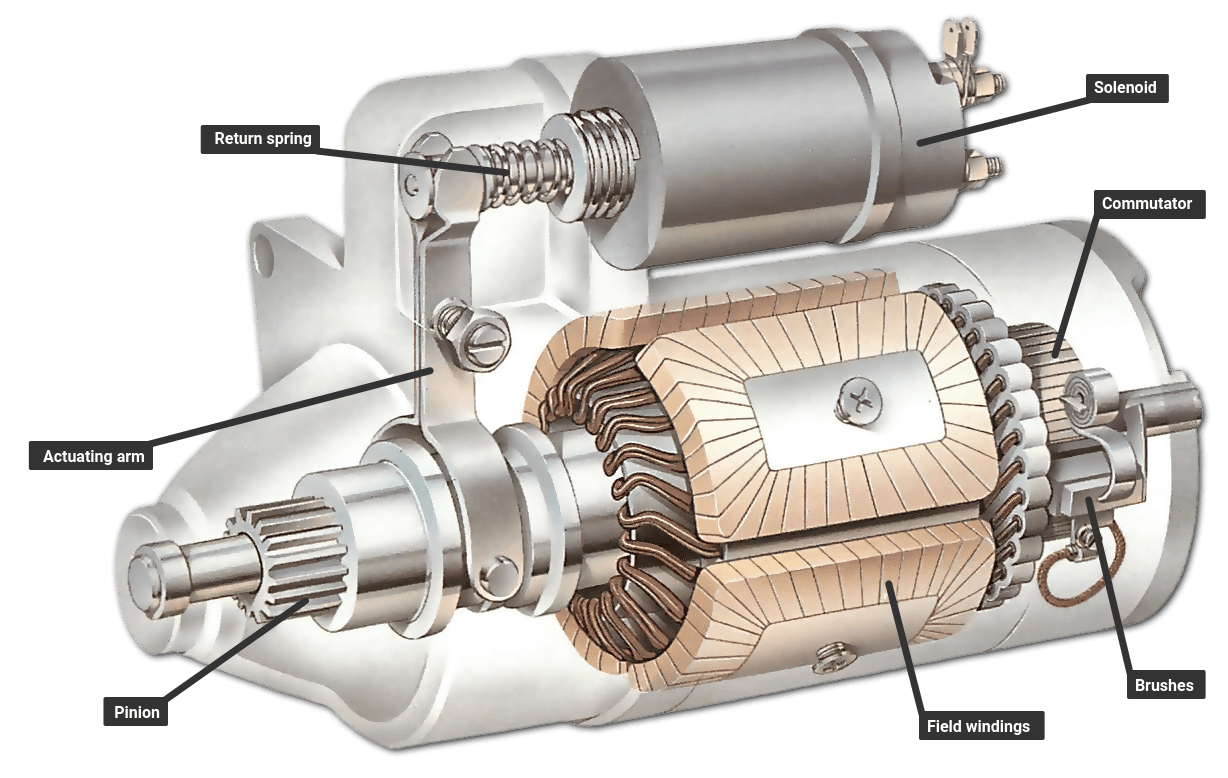
Perhaps the most well-known application of a solenoid in a car is the starter solenoid. When you turn the ignition key or press the start button, a small electrical current is sent to the starter solenoid. This solenoid has a dual purpose:
- Engaging the Starter Motor: The solenoid’s primary function is to physically move a small gear, known as the pinion gear, forward to mesh with the teeth on the engine’s flywheel. This mechanical engagement is essential to transfer the rotational power of the starter motor to the engine crankshaft, allowing it to begin its combustion cycle.
- Completing the High-Current Circuit: Simultaneously, the starter solenoid acts as a heavy-duty electrical switch. Once the pinion gear is engaged, the solenoid closes a circuit that allows the full battery current to flow to the starter motor, providing the significant power needed to crank the engine.
Without the starter solenoid, the process of starting your car would be impossible, as the delicate ignition switch would be unable to handle the immense current required by the starter motor, nor would it have the mechanical capability to engage the engine.
Transmission Control: Shifting Gears Smoothly
Modern automatic transmissions are incredibly complex systems that rely heavily on solenoids to control the flow of hydraulic fluid. These “shift solenoids” or “control solenoids” are strategically placed within the transmission valve body.
- Directing Hydraulic Pressure: The engine’s control unit (ECU) sends electrical signals to specific solenoids based on factors like vehicle speed, engine load, and throttle position. When a solenoid is energized, it opens or closes a passage within the valve body, directing hydraulic fluid under pressure to activate clutches and bands.
- Achieving Seamless Gear Changes: The precise and rapid activation of these solenoids allows for smooth and timely gear changes. By controlling which clutches and bands are engaged or disengaged, the solenoids orchestrate the complex ballet of gears required for acceleration, cruising, and deceleration. A malfunctioning solenoid in the transmission can lead to harsh shifting, hesitation, or even an inability to change gears at all.
Fuel Delivery Systems: Precisely Metering Fuel
Solenoids play a vital role in modern fuel injection systems, ensuring that the engine receives the correct amount of fuel at the optimal time.
- Fuel Injector Control: The fuel injectors themselves often incorporate solenoid-operated valves. When the ECU signals for fuel to be injected into the combustion chamber, it energizes a solenoid within the injector. This opens the injector’s valve, allowing pressurized fuel to spray into the cylinder. The duration for which the solenoid remains energized directly controls the amount of fuel injected, directly impacting engine performance and fuel efficiency.
- Fuel Pump and Pressure Regulation: In some fuel systems, solenoids are also used to control the fuel pump itself or to regulate fuel pressure, ensuring that the injectors receive fuel at the consistent pressure required for efficient atomization and combustion.
Emission Control Systems: Reducing Environmental Impact
The drive for cleaner emissions has led to the integration of numerous control systems in vehicles, and solenoids are instrumental in their operation.
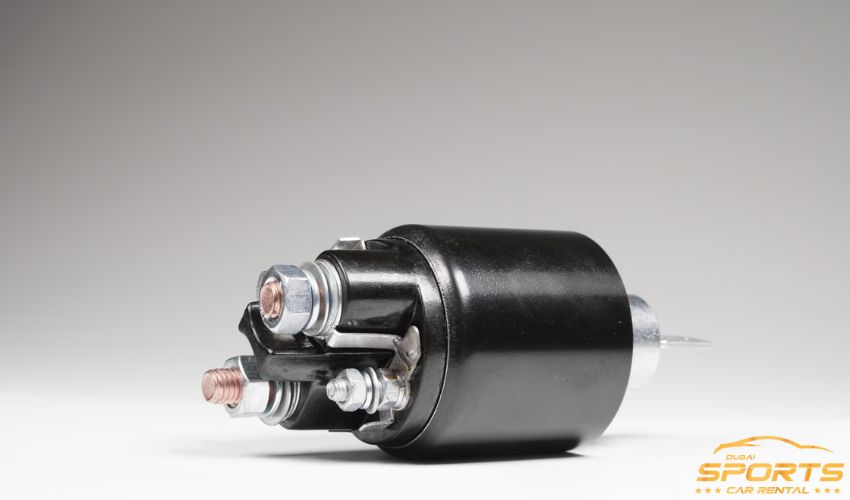
- EGR Valve Control: The Exhaust Gas Recirculation (EGR) system uses solenoids to control the flow of exhaust gases back into the intake manifold. By recirculating a portion of exhaust gas, the EGR system helps to lower combustion temperatures, which in turn reduces the formation of nitrogen oxides (NOx), a major air pollutant. The solenoid acts as a valve, opening or closing to regulate the amount of exhaust gas being recirculated based on engine operating conditions.
- Evaporative Emission Control (EVAP) System: The EVAP system prevents fuel vapors from escaping into the atmosphere. A key component of this system is the charcoal canister, which stores fuel vapors. A vent solenoid, controlled by the ECU, regulates the flow of these vapors from the charcoal canister to be burned in the engine. When the engine is at optimal operating temperature, the solenoid opens, allowing the stored vapors to be purged.
Other Crucial Roles: Beyond the Major Systems
The applications of solenoids extend beyond these primary examples, demonstrating their pervasive importance in automotive technology.
- Door Locks and Power Windows: Many vehicles utilize solenoids to control power door locks and power windows. A simple electrical signal energizes the solenoid, which then moves a lever to engage or disengage the locking mechanism or raise/lower the window.
- Cruise Control Actuators: In older cruise control systems, solenoids were often used to physically control the throttle linkage, maintaining a set speed. While modern systems are often more electronically integrated, the principle of electromechanical actuation remains relevant.
- Cooling Fan Control: Some cooling fan systems use solenoids to engage or disengage the fan clutch, allowing the fan to be driven by the engine only when needed, thus improving fuel efficiency and reducing noise.
- ABS (Anti-lock Braking System) Modulators: Within the ABS module, solenoids are used to rapidly modulate hydraulic pressure to the brake calipers. This allows the system to prevent wheel lock-up during hard braking, providing the driver with steering control and reducing stopping distances.
Maintaining Solenoid Health: Diagnostics and Troubleshooting
Given their critical role, understanding potential issues with solenoids is important for any car owner or enthusiast. Solenoid failures, while not always catastrophic, can lead to a range of drivability problems.
Common Symptoms of Solenoid Failure
- Starting Issues: A failed starter solenoid is often indicated by a clicking sound when turning the key but no engine cranking, or no sound at all.
- Transmission Problems: Erratic shifting, delayed engagement, slipping gears, or a complete inability to shift are common signs of transmission solenoid issues. A “check engine” light or transmission warning light may also illuminate.
- Fuel System Concerns: Poor engine performance, misfires, rough idling, or a complete lack of engine start can sometimes point to problems with fuel injector solenoids or fuel pump solenoids.
- Emission Control Faults: Illuminated check engine lights with specific diagnostic trouble codes related to EGR or EVAP systems often indicate solenoid malfunctions.
- Inoperative Accessories: If your power locks, windows, or cruise control suddenly stop working, a solenoid issue within those respective systems is a possibility.
Diagnostic Approaches and Repair
Diagnosing solenoid problems typically involves a combination of visual inspection, electrical testing, and the use of diagnostic tools.
- Electrical Testing: A multimeter can be used to check for continuity and resistance across the solenoid coil to ensure it is within specifications. It can also be used to verify if the solenoid is receiving the correct voltage signal from the control unit.
- Actuation Tests: Many diagnostic scan tools can command specific solenoids to activate, allowing technicians to verify their functionality independently of the car’s normal operation.
- Fluid Checks (for transmission solenoids): In transmission systems, ensuring the hydraulic fluid is at the correct level and in good condition is crucial, as dirty or low fluid can contribute to solenoid issues.
- Visual Inspection: Looking for any signs of physical damage, corrosion, or loose connections to the solenoid can provide initial clues.
Repairing or replacing solenoids can range in complexity. Simple solenoids, like those for door locks, might be relatively easy to access and replace. However, solenoids within complex systems like automatic transmissions or ABS modules are often integrated into larger assemblies and may require significant labor for replacement. In many cases, it is more practical to replace the entire solenoid pack or valve body rather than individual solenoids, especially in transmissions. Always consult a qualified mechanic if you suspect a solenoid issue, as improper diagnosis or repair can lead to further damage.
The Evolution of Solenoid Technology in Automobiles
The solenoid, while a mature technology, has continuously evolved alongside the broader advancements in automotive engineering. Its design and application have been refined to meet the ever-increasing demands for efficiency, performance, and environmental responsibility.
Miniaturization and Increased Precision
Modern solenoids are often significantly smaller and more precisely engineered than their predecessors. This miniaturization allows them to be integrated into increasingly compact and complex electronic control units (ECUs) and mechatronic modules. The increased precision in their manufacturing leads to more reliable and consistent operation, crucial for the sophisticated control algorithms employed in modern vehicles. This is particularly evident in advanced transmission systems and fuel injection systems where minute adjustments in fluid flow and timing are critical.
Integration with Advanced Electronics
The solenoid’s role has shifted from being a standalone electromechanical actuator to being a tightly integrated component within sophisticated electronic control systems. The ECU, equipped with powerful processors and complex software, sends precise electrical signals to solenoids. This allows for dynamic and adaptive control, where solenoid operation can be adjusted in real-time based on a multitude of sensor inputs. This interconnectedness enables features like adaptive cruise control, advanced traction control, and highly efficient fuel management, all of which rely on the precise and rapid actuation provided by solenoids.
Enhanced Durability and Reliability
Automotive components face harsh operating conditions, including extreme temperatures, vibrations, and exposure to various fluids. Solenoid manufacturers have responded by developing more robust designs and utilizing advanced materials to enhance their durability and reliability. Improved sealing techniques protect internal components from contaminants, while more resilient coil windings and plunger materials can withstand prolonged operation and stress. This focus on longevity reduces the frequency of repairs and contributes to the overall dependability of modern vehicles.
The Future of Solenoids: Continued Innovation
While solenoids are a staple in current automotive technology, their future is far from static. As the automotive industry pushes towards further electrification, autonomous driving, and enhanced connectivity, solenoids will continue to play a vital role, albeit in evolving forms.
- Electrification: In electric vehicles (EVs), while the fundamental principles of electromagnetism remain, the specific applications of solenoids might shift. They could be used in advanced thermal management systems for batteries, in sophisticated charging port mechanisms, or in the precise control of electric motor components.
- Autonomous Driving: The complex sensor arrays and control systems required for autonomous vehicles will undoubtedly leverage solenoids for their precise actuation capabilities. This could include finer control of steering, braking, and even novel actuation mechanisms for advanced driver-assistance systems (ADAS).
- Smart Materials and Control: Future solenoids might incorporate smart materials that allow for even finer control over their actuation, potentially responding to subtle changes in electrical signals or environmental conditions. The integration of artificial intelligence (AI) in vehicle control systems will also enable more sophisticated management of solenoid operation, optimizing performance and efficiency in unprecedented ways.
In conclusion, the solenoid, a seemingly simple device that harnesses the power of electromagnetism, is a foundational element of modern automotive technology. Its ability to convert electrical energy into precise mechanical action makes it indispensable in numerous critical systems, from starting the engine to managing gear shifts and controlling emissions. As automotive engineering continues its rapid evolution, the solenoid, in its continually refined and advanced forms, will undoubtedly remain a key player in shaping the future of how we drive.
aViewFromTheCave is a participant in the Amazon Services LLC Associates Program, an affiliate advertising program designed to provide a means for sites to earn advertising fees by advertising and linking to Amazon.com. Amazon, the Amazon logo, AmazonSupply, and the AmazonSupply logo are trademarks of Amazon.com, Inc. or its affiliates. As an Amazon Associate we earn affiliate commissions from qualifying purchases.