
In the realm of modern technology, a symbol is rarely just a character on a screen; it is a directive, a boundary, and a fundamental building block of logic. While a grammarian might view the semicolon as a way to link two independent clauses, a software engineer views it as one of the most powerful icons in the history of computation. In the tech niche, the semicolon symbolizes the precision of logic, the finality of an instruction, and the bridge between human intent and machine execution.
For decades, the semicolon has stood as the “terminator” of the digital world. It is the silent guardian of syntax that ensures a computer knows exactly where one thought ends and the next begins. To understand what the semicolon symbolizes in a technological context, one must look beyond the keyboard and into the very architecture of programming languages, data structures, and the cultural identity of the developers who build our digital future.

The Syntax of Logic: The Semicolon as a Command Terminator
At its most functional level, the semicolon symbolizes the “end of a statement.” In the vast majority of high-level programming languages—including C, C++, Java, JavaScript, and C#—the semicolon is a mandatory sentinel. It tells the compiler or interpreter that a specific instruction is complete and that it is safe to move on to the next line of logic.
The Precision of Deterministic Computing
In computer science, ambiguity is the enemy. A computer cannot “guess” what a programmer intends to do; it requires explicit boundaries. The semicolon symbolizes this requirement for absolute precision. When a developer writes a line of code, the semicolon acts as a definitive “period” that flushes the instruction into the system’s processing queue.
Without this symbol, the machine would experience a “syntax error,” a digital breakdown where the parser cannot distinguish between separate commands. In this regard, the semicolon symbolizes the order within the chaos of complex algorithms. It is the structural glue that allows thousands of lines of code to function as a cohesive, error-free unit.
Managing State and Sequence
Beyond simple termination, the semicolon symbolizes the sequence of operations. In languages like C, the semicolon is used within for loops to separate the initialization, the condition, and the increment. Here, it symbolizes the phases of a logical cycle. It creates a rhythm for the processor, delineating the boundaries of how a loop should start, how long it should run, and how it should evolve. This symbolic role is essential for memory management and performance optimization, as it ensures the processor allocates resources in a predictable, linear fashion.
A Symbol of Continuity: The Legacy of C-Style Languages
The semicolon also symbolizes the enduring legacy of early computing. Its prominence in modern tech is a direct inheritance from the 1960s and 70s, specifically from languages like ALGOL and C. By using the semicolon today, modern software is paying homage to the foundational structures that built the internet and the first operating systems.
Tradition and Developer Identity
For many in the tech industry, the semicolon is a “badge of the craft.” It symbolizes the rigor of “low-level” or “system-level” programming. While newer languages like Python or Swift have moved toward “significant whitespace” or optional semicolons to make coding more accessible, the presence of the semicolon often signifies a language that offers more granular control over the hardware.
Developers who prefer semicolon-heavy languages often view the symbol as a mark of intentionality. To them, the semicolon symbolizes a conscious decision to be explicit rather than relying on a language’s “hidden” logic to guess where a line ends. This has created a cultural divide in the tech world, where the semicolon represents a traditionalist, high-control approach to software architecture.
The Great ASI Debate in JavaScript
In the world of web development, specifically within the JavaScript community, the semicolon symbolizes one of the most persistent debates in the industry: Automatic Semicolon Insertion (ASI). JavaScript is unique because the interpreter can often “guess” where a semicolon should be, even if the developer leaves it out.
In this context, the semicolon symbolizes a choice between safety and brevity. Proponents of explicit semicolons argue that they represent “defensive programming”—a way to prevent edge-case bugs that occur when the interpreter makes an incorrect guess. Those who omit them view the semicolon as “syntactic noise,” symbolizing an outdated era of manual labor that modern tools should handle automatically. This debate highlights how a single character can become a symbol of a developer’s philosophy regarding automation versus manual oversight.
The Semicolon as a Bridge in Data and Configuration
The symbolism of the semicolon extends far beyond the IDE (Integrated Development Environment). It is a vital tool in data science, database management, and system configuration, where it symbolizes the separation of complex data points and the finality of a query.
Delineating Values in Data Structures
In data exchange formats and CSV (Comma-Separated Values) files used in regions where commas are used as decimal points, the semicolon often takes over as the primary delimiter. Here, the semicolon symbolizes the “clean break” between variables. It allows massive datasets to be parsed into rows and columns, turning raw digital noise into actionable business intelligence.
In SQL (Structured Query Language), the semicolon is used to terminate a database query. Whether you are retrieving a million records or updating a single user profile, the semicolon symbolizes the “Submit” button. It is the moment the developer hands control over to the database engine. In this environment, the semicolon is a symbol of authority and execution, representing the final step in a data transaction.
Configuration and Scripting
In system administration and “DevOps,” the semicolon is frequently used in configuration files and shell scripts. For an IT professional, the semicolon symbolizes the ability to “one-line” complex commands. By using a semicolon, an admin can chain multiple instructions together in a single terminal prompt.
This usage symbolizes efficiency and the power of the command line. It represents a “shorthand” for experts, allowing them to perform complex server migrations or security patches with a string of characters that would take a novice several minutes to execute manually. In the world of digital security and infrastructure, the semicolon is a symbol of professional fluency.
The Human Element: Mental Health in the Tech Industry
Perhaps the most poignant symbolism of the semicolon in the tech world today has nothing to do with code at all. The tech industry has widely adopted the “Semicolon Project” symbol, which originated as a movement for mental health awareness and suicide prevention.
A Symbol of Resilience for Engineers
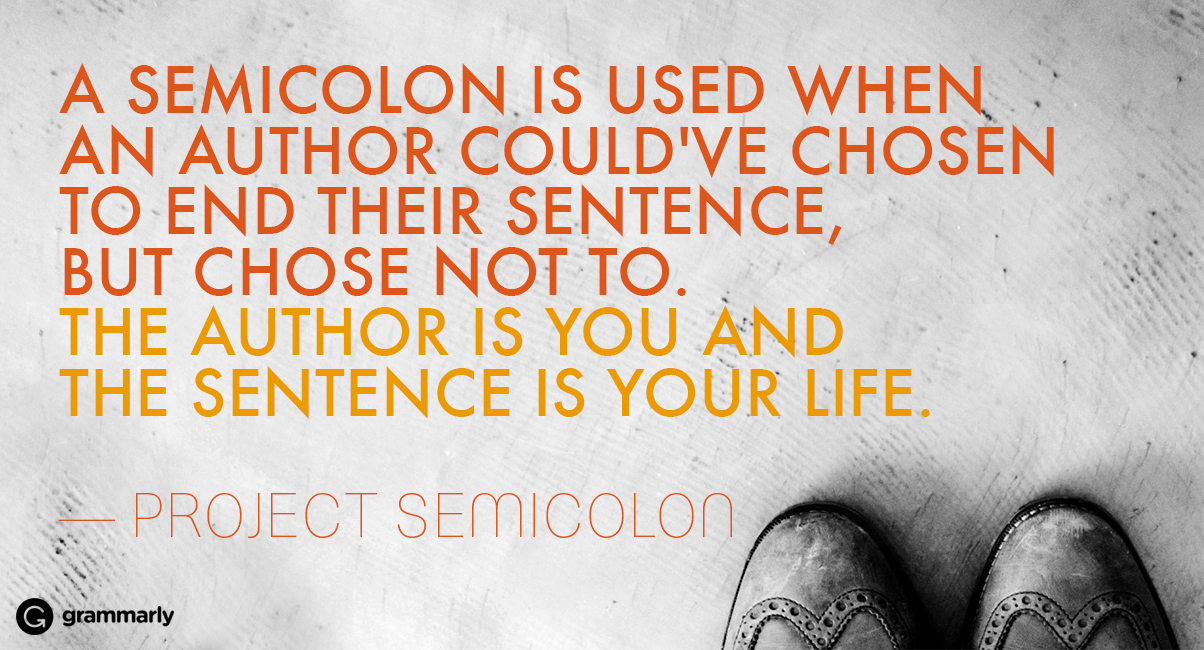
The tech industry is known for high-pressure environments, “crunch culture,” and high rates of burnout. Within this community, the semicolon tattoo or sticker has become a common sight. It symbolizes the idea that “the author could have chosen to end their sentence, but chose not to.”
For a software engineer, this metaphor is particularly powerful because it mirrors their daily work. Just as a semicolon in code signifies that the instruction isn’t over and there is more to follow, the semicolon in a personal context symbolizes that a person’s story is continuing despite a pause or a struggle. This dual meaning has turned the semicolon into a symbol of solidarity among developers, project managers, and tech founders, reminding them that their value extends beyond their productivity and their “lines of code.”
Bridging the Gap Between Logic and Emotion
The adoption of this symbol highlights a shift in tech culture—a move from seeing developers as “code-producing machines” to recognizing them as human beings. When a tech company includes a semicolon in its branding or internal wellness programs, it symbolizes a commitment to mental health. It acts as a bridge between the cold, hard logic of the machine (where the semicolon is a tool) and the emotional complexity of the human (where the semicolon is a source of hope).

The Future of the Semicolon in an AI-Driven World
As we move into an era of AI-assisted coding and “No-Code” platforms, the physical act of typing a semicolon may become less common. However, its symbolic weight remains unchanged. Even if an AI like GitHub Copilot or ChatGPT writes the semicolon for us, the symbol still represents the foundational “Logic Gate” of our digital reality.
The semicolon symbolizes the transition from “human thought” to “machine action.” As long as computers require structured instructions to function, the concept of the semicolon—the clear, unambiguous termination of an idea—will remain at the heart of technology. It stands as a reminder that in a world of infinite data, structure is what gives meaning to information.
Ultimately, the semicolon symbolizes the core tenets of the tech industry: clarity, continuity, and the unwavering belief that every complex system is built one statement at a time. Whether it is preventing a syntax error in a mission-critical application or representing a developer’s resilience in the face of burnout, the semicolon is the most significant “minor” character in the digital lexicon. It is the symbol of a story that is not yet finished.
aViewFromTheCave is a participant in the Amazon Services LLC Associates Program, an affiliate advertising program designed to provide a means for sites to earn advertising fees by advertising and linking to Amazon.com. Amazon, the Amazon logo, AmazonSupply, and the AmazonSupply logo are trademarks of Amazon.com, Inc. or its affiliates. As an Amazon Associate we earn affiliate commissions from qualifying purchases.