
In an increasingly digital world, the concept of a physical key for safeguarding valuable assets might seem anachronistic to some. Yet, the safe deposit box remains a cornerstone of personal finance and asset protection for millions, offering a tangible layer of security that digital solutions cannot fully replicate for certain items. At the heart of this venerable security system is its key—a surprisingly complex and critically important artifact. Far from being a mere house key, a safe deposit box key is a bespoke instrument, meticulously designed to operate within a highly secure, dual-control mechanism. Understanding its unique appearance and functionality is essential for anyone considering or currently utilizing this vital financial tool.
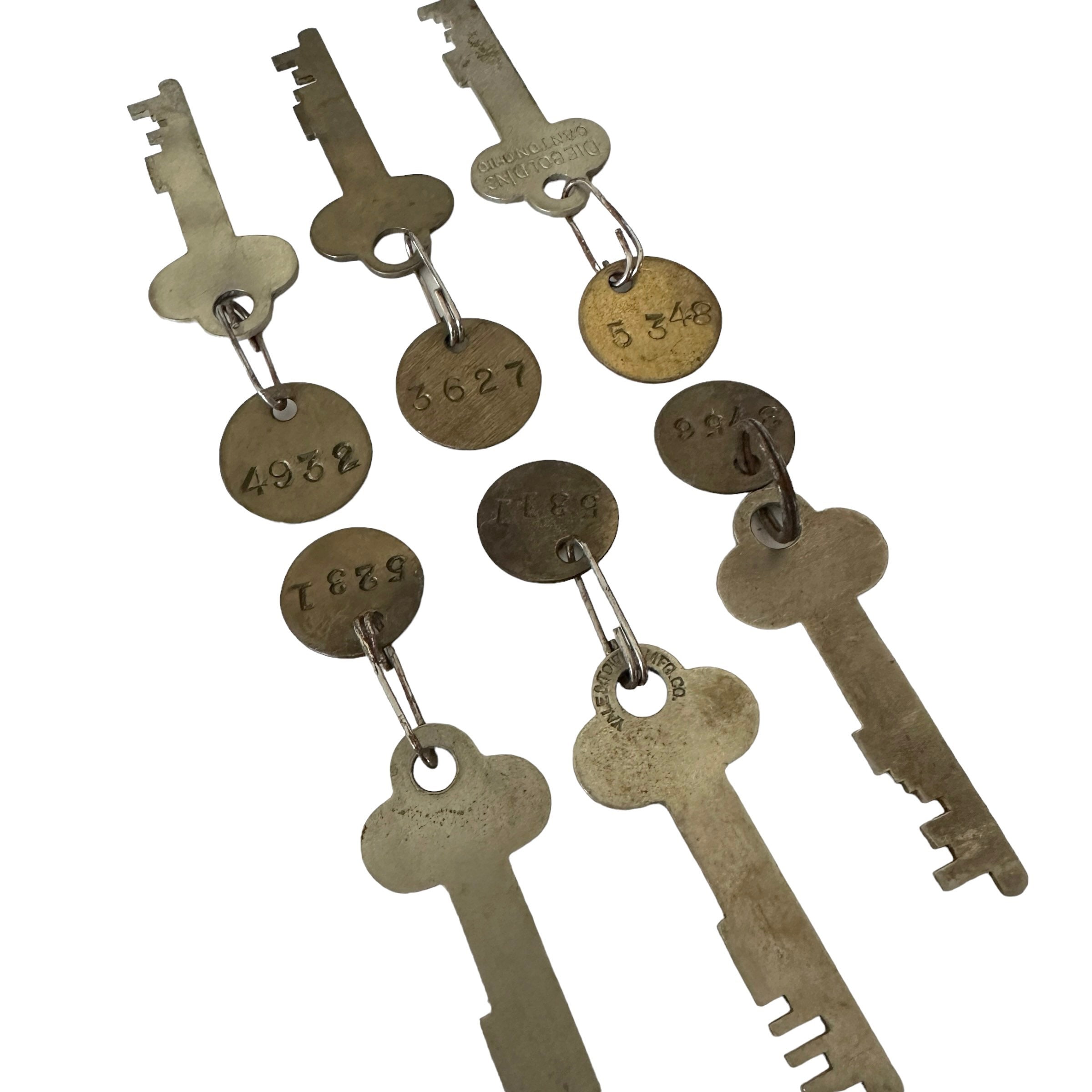
Beyond the Ordinary: The Unique Anatomy of a Safe Deposit Box Key
Unlike the standardized keys we use for our homes or cars, a safe deposit box key possesses distinct visual and functional characteristics that immediately set it apart. Its design isn’t accidental; every curve, cut, and material choice is a deliberate decision aimed at maximizing security and ensuring exclusive access to your most cherished possessions or critical documents.
The Dual Key System: A Cornerstone of Security
Perhaps the most defining characteristic of a safe deposit box access mechanism is the requirement for two separate, distinct keys to open the box. This isn’t just about having a spare; it’s a fundamental security protocol known as the “dual key system.”
-
The Custodian’s Key (or “Guard Key”): This key is held by the financial institution (the bank or credit union). It is often a master key or a specific key unique to the bank’s vault system, and it initiates the unlocking process. Visually, these keys can vary but are generally robust, sometimes with unique head shapes or internal markings known only to the institution. They are standardized within the bank’s system but are not generic.
-
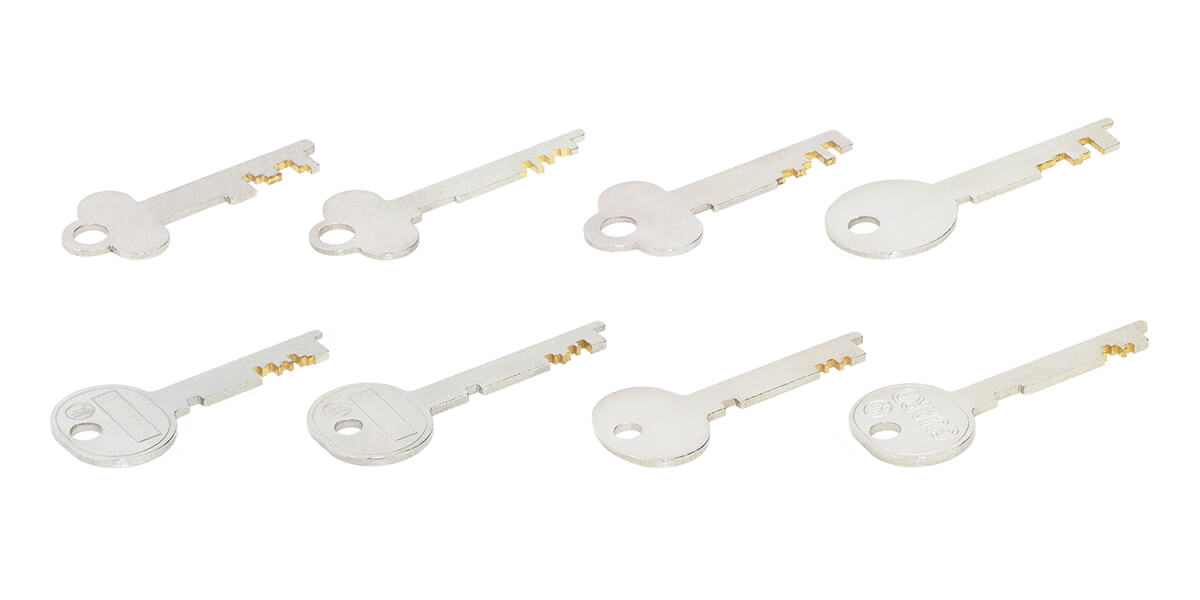
Your Personal Key (or “Renter’s Key”): This is the key you, as the box renter, possess. It is unique to your specific safe deposit box and will not open any other box within the vault. This key is typically smaller than the custodian’s key, often made of brass or nickel-plated brass, and features a distinctive shaft and intricate bitting (the cuts along the edge). The head of the key might be simple, often round or rectangular, sometimes with a number stamped on it corresponding to your box number. Critically, this key will not open the box on its own; it requires simultaneous insertion and turning with the custodian’s key.
The combined action of these two keys ensures that neither the bank nor the renter can access the box independently. This mutual dependency is a powerful deterrent against unauthorized access and a core principle of safe deposit box security, providing unparalleled peace of mind for asset protection.
Design for Deterrence: Why These Keys Stand Apart
The physical appearance of your safe deposit box key is inherently tied to its function as a high-security instrument. While designs can vary slightly between manufacturers and banking institutions, several common features contribute to their robust security profile:
-
Intricate Bitting: Unlike standard house keys that might have relatively simple cuts, safe deposit box keys often feature more complex bitting patterns. These cuts can be deeper, more varied, and sometimes even double-sided, making them significantly harder to duplicate without authorization and specialized equipment. The precision of these cuts is paramount, as even a minor discrepancy will prevent the key from functioning.
-
Solid Construction: Safe deposit box keys are typically made from durable metals like brass or nickel-plated brass. They are designed to withstand years of use without bending, breaking, or corroding, reflecting their long-term role in asset management. The shaft is often solid, providing strength and resistance to manipulation.
-
Unique Bow/Head: While the bow (the part you hold) can be simple, some keys may have unique shapes or small distinguishing features. These are usually functional or historical rather than purely aesthetic, reflecting the specialized nature of the key. The absence of frivolous design elements reinforces its utilitarian purpose: secure access.
-
Absence of Transponders or Electronics: The vast majority of traditional safe deposit box keys are purely mechanical. They do not contain electronic chips, transponders, or smart technology found in modern car keys or access cards. This mechanical purity is a feature, not a bug, ensuring reliability and immunity from electronic hacking or interference. Their security relies on precision engineering and the physical integrity of the lock mechanism.
Material and Craftsmanship: Built for Trust
The materials and craftsmanship involved in creating a safe deposit box key are of a higher standard than those typically found in mass-produced keys. This is a reflection of the significant trust placed in these instruments to protect valuable financial assets. Each key is often precision-machined, ensuring a perfect fit with its corresponding lock cylinder. The quality of the metal prevents premature wear, crucial for a key that might be used infrequently but must perform flawlessly when called upon. This attention to detail in manufacturing underpins the reliability and longevity expected of a critical component in your personal financial security strategy.
The Role of the Key in Your Financial Security Ecosystem
Beyond its physical appearance, the safe deposit box key plays a pivotal role within a broader financial security ecosystem. It represents your tangible link to a secure environment designed to protect assets that might be irreplaceable, confidential, or simply too risky to keep at home.
Safeguarding Irreplaceable Assets: More Than Just Valuables
The items stored in a safe deposit box often extend far beyond jewelry or precious metals. For many, they include critical documents and memorabilia that are irreplaceable but might not hold significant monetary value:
-
Estate Planning Documents: Original wills, trusts, and power of attorney documents.
-
Vital Records: Birth certificates, marriage licenses, property deeds, and vehicle titles.
-
Irreplaceable Mementos: Family photographs, heirloom letters, or small, sentimental objects that cannot be repurchased.
-
Digital Backups: External hard drives or USBs containing encrypted digital copies of important data.
-
Investment Certificates: Stock certificates, bond certificates, or other physical proof of ownership.
Your personal key is the direct gateway to these items. Its security is, therefore, synonymous with the security and accessibility of these critical assets. Losing or compromising the key can create significant logistical and financial hurdles in accessing or proving ownership of these items.
Understanding Your Lease Agreement and Key Management
When you rent a safe deposit box, you enter into a lease agreement with the financial institution. This agreement outlines your responsibilities, particularly regarding the custody and management of your key. Key provisions often include:
-
Key Responsibility: You are solely responsible for the safekeeping of your personal key. The bank does not typically keep a copy, reinforcing the dual-control security.
-
Access Procedures: Details on how and when you can access your box, requiring both your key and the bank’s supervision.
-
Lost Key Policy: What steps to take if your key is lost or stolen, which almost invariably involves drilling the box and replacing the lock at your expense.
Understanding these terms is part of prudent financial management. The key isn’t just a piece of metal; it’s a symbol of your contractual obligation and an essential tool for managing your financial holdings.
The Cost of Loss: Implications for Key Replacement
Losing a safe deposit box key is more than just an inconvenience; it can be a costly affair. Since the bank does not retain a copy of your personal key to uphold the dual-control security principle, the only way to regain access to your box after a key loss is typically for the bank to drill open the safe deposit box.
This process involves:
-
Verification: Confirming your identity and ownership through official documents.
-
Drilling: A specialized locksmith or bank personnel will drill through the lock mechanism, a process that can damage the lock.
-
Replacement: The damaged lock must be replaced with a new one, and a new set of keys (one for you, one for the bank) will be issued.
The financial institution will pass the costs of drilling and lock replacement on to the renter. These fees can range from a few hundred to over a thousand dollars, depending on the bank and the complexity of the lock. This significant financial implication underscores the importance of treating your safe deposit box key with the utmost care, much like you would your passport or a substantial sum of cash.
Practical Considerations for Safe Deposit Box Holders
Effective management of your safe deposit box key is a critical aspect of your overall financial security strategy. Prudent practices ensure both the security of your assets and your ability to access them without undue hassle or expense.
Best Practices for Key Custody
-
Store It Securely, But Not Too Securely: Keep your key in a safe place at home, separate from your other everyday keys. A home safe, a locked drawer, or a discreet, memorable location is ideal. Avoid keeping it in your wallet or purse, as these are common targets for theft.
-
Do Not Label It: Never label your safe deposit box key with its purpose or your box number. If it falls into the wrong hands, such labeling would provide critical information. Instead, associate it with a code or a specific, unidentifiable location known only to you.
-
Avoid Duplication (Unauthorized): While it might seem tempting to make a spare, unauthorized duplication of a safe deposit box key is often difficult due to its intricate design and could compromise security if done improperly. Furthermore, many lease agreements prohibit such duplication. Banks issue a specific number of keys (usually two) and these are the only authorized copies.
-
Inform a Trusted Individual: While the key itself should be solely in your custody, it’s wise to inform a trusted executor or family member of the existence of the safe deposit box and the location of the key, particularly in the event of an emergency or your incapacitation. Provide clear instructions on how to access the box, including required documentation, without giving them the key directly unless it’s part of your estate planning for emergency access.
What to Do if Your Key is Lost or Stolen
Immediate action is required if your safe deposit box key goes missing:
-
Notify the Bank Immediately: Contact your financial institution as soon as you realize the key is lost or stolen. They will advise you on the necessary steps and potentially place a temporary hold on access to your box (if possible without your key) to prevent unauthorized access if the key was stolen.
-
Initiate the Drilling Process: Be prepared for the bank to initiate the drilling procedure. This is a standard protocol to ensure security, as the lost key remains a potential vulnerability.
-
Document Everything: Keep records of your communication with the bank, police reports (if stolen), and any expenses incurred for the drilling and lock replacement.
The Importance of Designated Access and Documentation
While your key provides individual access, it’s prudent to consider who else might need access to your box in your absence or after your passing. This involves formal documentation:
-
Power of Attorney: Granting a trusted individual power of attorney can allow them to access your box, but specific wording regarding safe deposit boxes might be required by the institution.
-
Joint Tenancy: You can lease a safe deposit box jointly with another person, meaning either party can access the box with their key. This is common for spouses or business partners.
-
Executor Instructions: For estate planning, explicitly name an executor in your will who will be granted access to your box after your death, following the bank’s specific procedures and legal requirements.
In all these scenarios, your personal key remains the physical instrument of access, but the legal framework surrounding its use is equally vital.
Is a Safe Deposit Box Right for Your Financial Portfolio?
Understanding what a safe deposit box key looks like and its role in security naturally leads to the broader question: does this form of asset protection align with your personal financial strategy? In an age dominated by digital finance and cloud storage, evaluating the continued relevance and benefits of physical security is crucial.
Assessing Your Needs: When Physical Security Trumps Digital
A safe deposit box, and thus its key, becomes indispensable when certain types of assets or documents require a level of physical security and privacy that digital solutions cannot provide:
-
Tangible Assets: Jewelry, precious metals, rare coins, or collectibles that are inherently physical and cannot be digitized.
-
Original Documents: Wills, deeds, stock certificates, or birth certificates whose original physical form carries legal weight and cannot be easily replicated or verified if only digital copies exist.
-
Privacy and Offline Security: For those wary of digital breaches, government access, or natural disasters that could impact home storage, a safe deposit box offers an “air-gapped” solution, completely offline and protected within a bank vault.
-
Insurance Limitations: While home insurance may cover certain valuables, there are often limits, and the deductible might be significant. A safe deposit box offers a dedicated, high-security environment often separate from your primary insurance policy concerns (though its contents should still be insured).
Weighing the Costs and Benefits
When considering a safe deposit box, it’s essential to perform a cost-benefit analysis within your personal financial planning:
-
Costs: Annual rental fees (typically modest, ranging from $20 to $300 depending on size and location), potential drilling fees for lost keys, and the inconvenience of having to visit the bank during business hours.
-
Benefits: High-level physical security, protection from theft, fire, flood, and other natural disasters, enhanced privacy, and peace of mind for irreplaceable items.
For many, the benefits of securing critical assets far outweigh the nominal costs and minor inconveniences, making it a sound financial decision.

Complementing Your Overall Financial Security Strategy
A safe deposit box isn’t a standalone solution but rather an important component of a comprehensive financial security strategy. It complements other tools such as:
-
Home Insurance: Covering general household items and providing liability protection.
-
Digital Backups: For digital photos, documents, and data stored in cloud services or external drives.
-
Diversified Investments: Spreading financial assets across various investment vehicles.
-
Estate Planning: Ensuring your assets are distributed according to your wishes.
The safe deposit box key, therefore, is more than just a piece of metal. It is a symbol of tangible security, a guardian of your most personal and valuable assets, and a critical physical link in the robust chain of your financial well-being. Understanding its unique characteristics and the responsibilities that come with it empowers you to make informed decisions about protecting what matters most.
aViewFromTheCave is a participant in the Amazon Services LLC Associates Program, an affiliate advertising program designed to provide a means for sites to earn advertising fees by advertising and linking to Amazon.com. Amazon, the Amazon logo, AmazonSupply, and the AmazonSupply logo are trademarks of Amazon.com, Inc. or its affiliates. As an Amazon Associate we earn affiliate commissions from qualifying purchases.