
In the vast ecosystem of modern technology, some components, though seemingly minor, hold disproportionate significance. They are the unsung heroes that enable complex systems to function reliably and safely. Among these, the Pitot tube stands out as a deceptively simple yet profoundly crucial instrument, particularly in the realm of aviation. While it might appear to be just a small metallic probe jutting out from the wing or fuselage of an aircraft, its role is foundational: a Pitot tube primarily measures airspeed. This seemingly straightforward measurement is, in fact, the linchpin for everything from safe takeoffs and landings to efficient flight management and critical navigational decisions.
But to truly appreciate the genius of the Pitot tube, we must delve deeper than its basic function. It embodies a perfect synergy of fundamental physics and sophisticated engineering, continually evolving to meet the demands of an ever more complex technological landscape. From its historical origins to its sophisticated integration within modern avionics suites, the Pitot tube’s journey reflects the broader trends in technology, demanding precision, reliability, and robust design. Understanding what it measures, how it works, and why its accuracy is paramount offers a fascinating glimpse into the intricate world where basic principles meet cutting-edge innovation, underpinning everything from brand reputation to financial viability in high-stakes industries.
The Science Behind Airspeed: How a Pitot Tube Works
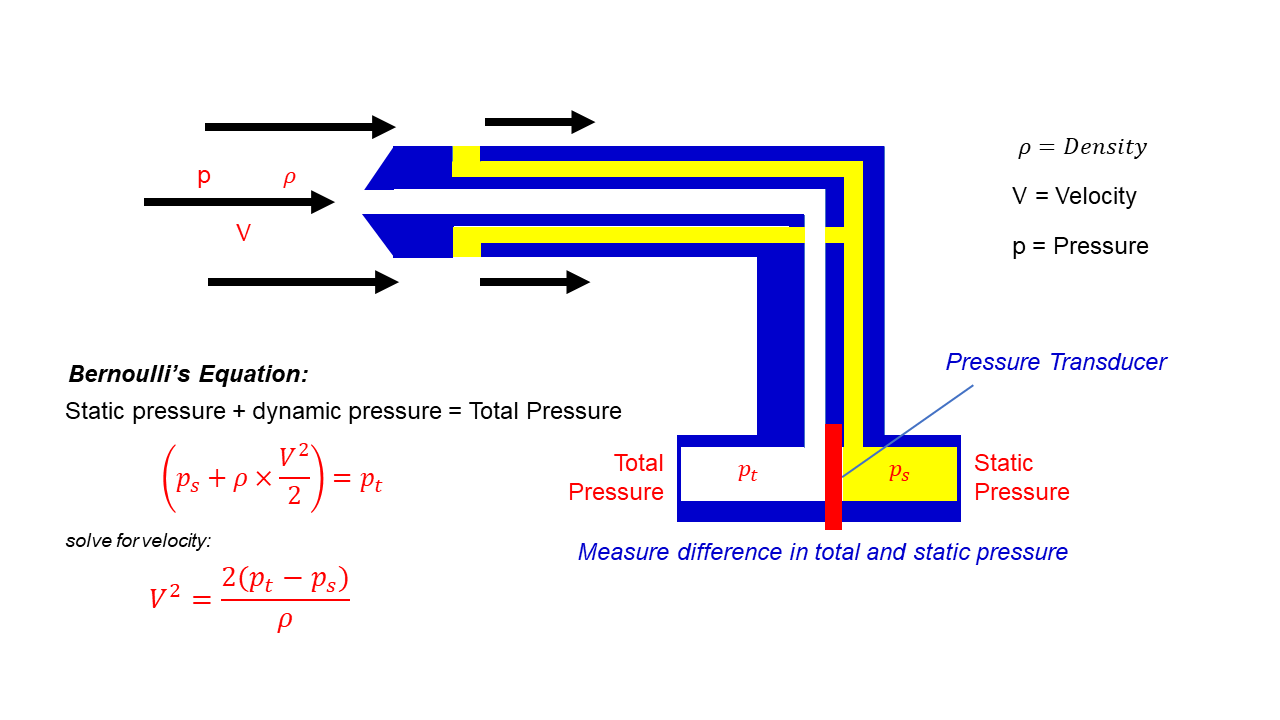
At its heart, the Pitot tube’s operation is a brilliant application of fluid dynamics, specifically Bernoulli’s principle. This scientific law, established by Daniel Bernoulli in the 18th century, describes the relationship between the speed of a fluid and its pressure. In essence, as the speed of a fluid increases, its static pressure decreases, and vice versa. The Pitot tube leverages this principle to provide an accurate reading of an aircraft’s speed relative to the air it’s moving through.
Bernoulli’s Principle and Differential Pressure
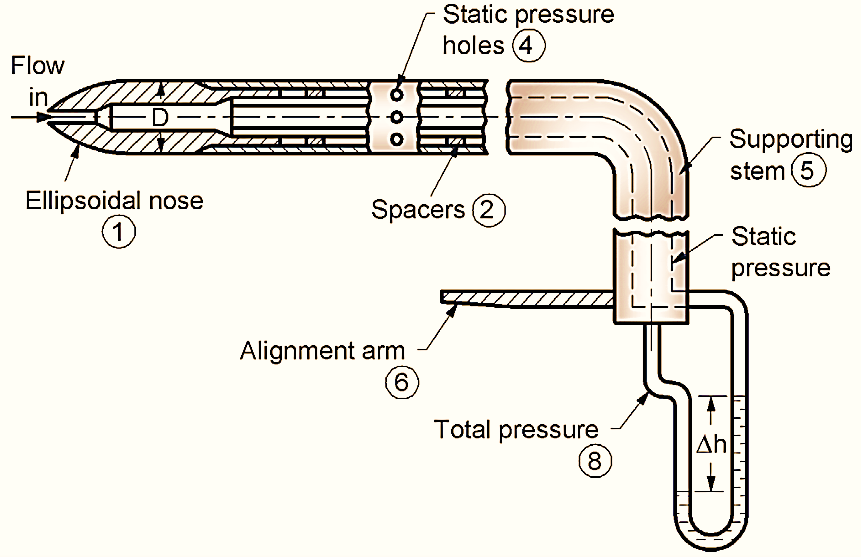
An aircraft’s Pitot-static system is comprised of two key elements that work in concert: the Pitot tube itself and static ports. The Pitot tube is typically a forward-facing open-ended tube, often heated to prevent icing, which is exposed to the oncoming airflow. As the aircraft moves, air is forced into this opening, creating what is known as total pressure (also called ram air pressure or stagnation pressure). This total pressure is the sum of two components: the static pressure of the surrounding air and the dynamic pressure generated by the aircraft’s motion through that air.
Static pressure, on the other hand, is measured by static ports, which are small holes flush with the aircraft’s fuselage, positioned to sense the ambient atmospheric pressure without being affected by the aircraft’s movement. Imagine these as measuring the “still” pressure of the air mass the aircraft is flying within.
The magic happens when the pressure measured by the Pitot tube (total pressure) is compared to the pressure measured by the static ports (static pressure). By subtracting the static pressure from the total pressure, we are left with the dynamic pressure. This dynamic pressure is directly proportional to the square of the aircraft’s airspeed. An Air Data Computer (ADC) or a traditional mechanical airspeed indicator then takes this differential pressure and translates it into a speed reading, typically displayed in knots. This elegant measurement system forms the bedrock of an aircraft’s ability to understand its own motion and interact safely with its environment.
Components and Operation: From Tube to Display
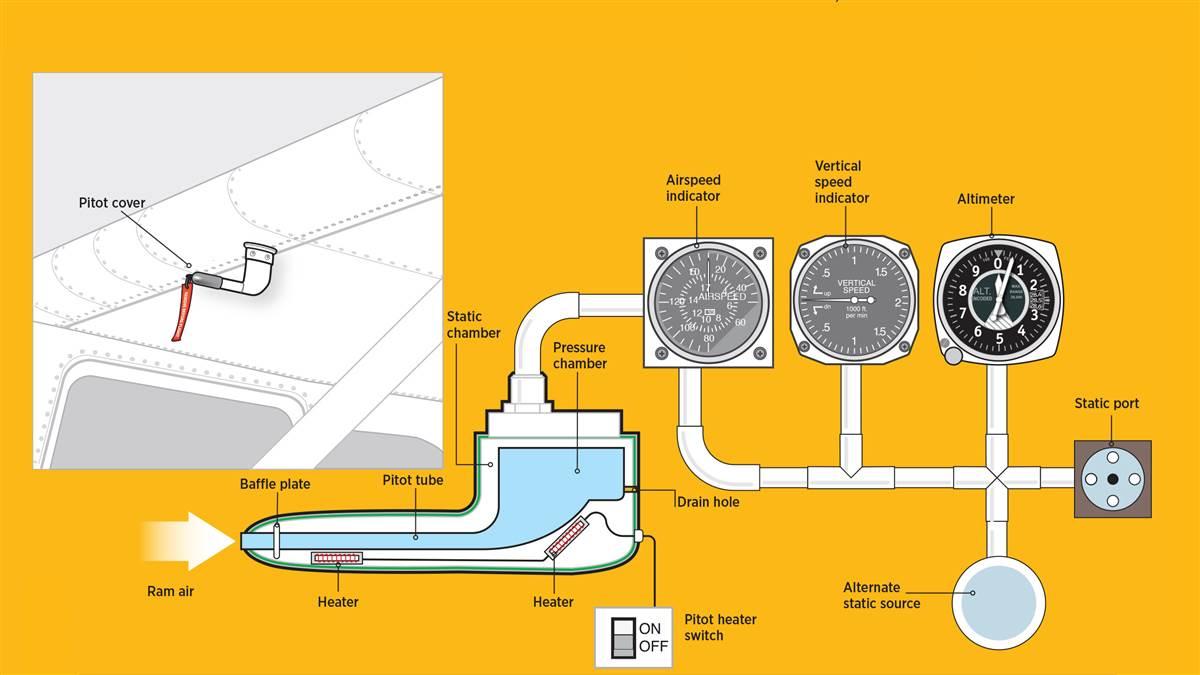
A typical Pitot-static system includes:
- The Pitot Tube: This is the primary component for measuring total pressure. It’s often robustly constructed and designed to withstand environmental factors, incorporating heating elements (Pitot heat) to prevent ice formation, which could completely block the tube and render the airspeed indication inaccurate or non-existent.
- Static Ports: These are strategically placed on the aircraft’s fuselage to measure the static (ambient) pressure of the air. Modern aircraft often have multiple static ports on both sides of the fuselage to average readings and compensate for minor pressure variations due to yaw or slip.
- Pressure Lines: Tubes connect the Pitot tube and static ports to pressure sensors or an Air Data Computer (ADC) inside the aircraft.
- Air Data Computer (ADC): In modern aircraft, the ADC is a sophisticated piece of digital technology that receives raw pressure data from the Pitot and static systems, along with temperature readings. It then computes various air data parameters, including indicated airspeed (IAS), true airspeed (TAS), altitude, and vertical speed. These computations involve complex algorithms that compensate for factors like air density and instrument errors.
- Airspeed Indicator (ASI): This is the cockpit display that presents the computed airspeed to the pilot. While older aircraft used mechanical ASIs that directly translated pressure differentials into needle movements, contemporary aircraft use digital displays, often integrated into multi-function displays (MFDs) or primary flight displays (PFDs), showing the output from the ADC.
The journey of the measurement begins with air entering the Pitot tube and static ports, creating pressure differentials. These pressures are then fed into the ADC, which processes the data digitally, leveraging advanced software and microprocessors. The resultant airspeed reading, delivered to the cockpit, is critical for pilots to maintain safe flight envelopes, plan navigation, and execute maneuvers.
Beyond Aviation: Applications and Technological Integration
While the Pitot tube is inextricably linked with aircraft, its underlying principle of measuring fluid flow extends its utility far beyond the skies. Its fundamental effectiveness makes it a versatile tool across a range of industrial and scientific applications. Furthermore, its integration with contemporary digital technologies showcases how even a centuries-old principle can be revitalized and enhanced in the age of smart sensors and interconnected systems.
Diverse Industrial Applications
The core idea of using differential pressure to measure flow velocity is not exclusive to measuring an airplane’s speed. In fact, variations of the Pitot tube are employed in numerous other sectors where accurate fluid flow measurement is essential:
- HVAC Systems: In heating, ventilation, and air conditioning systems, Pitot tubes are used to measure airflow within ducts. This helps engineers optimize system performance, ensure proper air distribution, and maintain energy efficiency in large buildings.
- Industrial Processes: Many manufacturing and chemical processes involve precise control over fluid (liquid or gas) flow rates. Pitot tubes, often adapted for specific environments, are used to monitor the flow of various substances in pipelines, ensuring process integrity and safety.
- Automotive and Racing: While not for external airspeed in the same way as an aircraft, Pitot-like probes are used in automotive aerodynamics to measure localized airflow over vehicle surfaces or within engine intake systems, aiding in design optimization for performance and fuel efficiency. Formula 1 teams, for instance, rely heavily on such measurements during testing.
- Wind Tunnels: In aerodynamic research, Pitot tubes are standard instruments for measuring airspeed within wind tunnels, crucial for testing aircraft models, vehicles, and other structures.
- Environmental Monitoring: For measuring wind speed at specific points or airflow in chimneys and industrial vents, Pitot tubes provide reliable data that can be used for pollution control and atmospheric studies.
These diverse applications highlight the Pitot tube’s adaptability and the robustness of its underlying physical principle. It serves as a testament to how fundamental scientific tools can find relevance across varied technological landscapes, underpinning critical functions in seemingly disparate industries.
Modern Technology and Digital Integration
The evolution of the Pitot tube system in aviation perfectly encapsulates broader technological trends, moving from purely mechanical devices to sophisticated digital integrations. Early aircraft relied on mechanical gauges directly connected to the pressure lines, where bellows or diaphragms expanded and contracted to move a needle. While effective, these systems had inherent limitations in accuracy, responsiveness, and susceptibility to environmental factors.
Today, the Pitot tube is merely the sensor input for a much larger and more intelligent system: the Air Data Computer (ADC). This digital brain represents a significant leap in Tech innovation. The ADC is a highly specialized computer that takes raw pressure and temperature data from the Pitot and static systems, processes it using complex algorithms, and outputs highly accurate and compensated airspeed, altitude, and vertical speed information.
Key aspects of this digital integration include:
- Enhanced Accuracy and Compensation: ADCs automatically compensate for factors like temperature changes, air density variations (which affect true airspeed calculations), and even minor sensor errors, providing far more precise data than mechanical systems ever could.
- Redundancy and Reliability: Modern aircraft typically employ multiple Pitot-static systems feeding into redundant ADCs. This redundancy is a critical safety feature, ensuring that even if one system fails or becomes blocked, others can continue to provide vital information. This links directly to “Digital Security” in a broader sense, emphasizing system resilience and data integrity.
- Integration with Avionics Suites: The data from the ADC is a cornerstone of modern avionics. It feeds into the aircraft’s Primary Flight Displays (PFDs), Navigation Displays (NDs), Autopilot systems, Flight Management Systems (FMS), and even Engine Indicating and Crew Alerting Systems (EICAS). In fly-by-wire aircraft, ADC data is crucial for the flight control computers to execute pilot commands and maintain stable flight.
- Data Logging and Analysis: Modern ADCs continuously log data, which can be invaluable for post-flight analysis, troubleshooting, and maintenance. This aligns with “Technology Trends” like big data and analytics, where sensor data is used to optimize performance and predict potential issues.
The integration of Pitot tube technology with ADCs and broader avionics systems transforms a simple measurement into an intelligent, robust, and indispensable component of modern flight. It showcases how a foundational physical principle, when paired with advanced computational power and robust engineering, remains at the forefront of technological advancement.
The Critical Importance of Accurate Airspeed Measurement
The accuracy of the airspeed reading provided by a Pitot tube system is not just a matter of convenience; it is fundamentally critical to flight safety, operational efficiency, and, ultimately, the success and reputation of aviation brands. Errors in airspeed measurement can have catastrophic consequences, as tragically demonstrated by historical aviation incidents.
Safety and Operational Efficiency
For pilots, airspeed is one of the most vital parameters. It dictates nearly every aspect of flight:
- Takeoff and Landing Speeds: Aircraft have specific minimum safe takeoff speeds (V-speeds) and approach speeds. Flying too slow during these critical phases can lead to a stall, where the wings lose lift, potentially causing the aircraft to fall out of the sky. Conversely, exceeding maximum landing gear or flap speeds can cause structural damage.
- Stall Speed: Every aircraft has a stall speed, below which it cannot generate enough lift to maintain flight. Knowing the indicated airspeed accurately is crucial for pilots to stay safely above this threshold.
- Maximum Operating Speed (VMO/MMO): Aircraft also have maximum operating speeds, exceeding which can lead to structural stress, flutter, or control surface issues. Accurate airspeed indication ensures pilots stay within these limits.
- Climb and Descent Rates: Optimal climb and descent airspeeds are crucial for fuel efficiency and passenger comfort. They also influence flight path planning and air traffic control separation.
- Engine Management: Some engine parameters and thrust settings are tied to airspeed, influencing fuel consumption and engine longevity.
- Navigation and Flight Planning: True airspeed (TAS), derived from indicated airspeed (IAS) and other atmospheric data, is essential for accurate navigation calculations, estimated time of arrival (ETA), and fuel planning.
The dire consequences of a Pitot tube malfunction were brought to global attention by the tragic crash of Air France Flight 447 in 2009. Ice crystals blocked the aircraft’s Pitot tubes, leading to contradictory airspeed readings. This, coupled with crew confusion and other factors, ultimately resulted in the aircraft stalling and crashing into the Atlantic Ocean. This incident underscored the absolute necessity of reliable airspeed data, robust Pitot tube design (including effective de-icing systems), and comprehensive pilot training for handling instrument failures. It also highlighted the importance of “Digital Security” for sensor integrity, as false data can be as dangerous as no data.
Maintenance, Calibration, and Future Innovations
Given its critical role, the Pitot-static system requires rigorous maintenance and regular calibration.
- Maintenance: Regular inspections are conducted to ensure the Pitot tube is free from obstructions (dirt, debris, insects), damage, and that its heating element (Pitot heat) is functional. The static ports also require inspection for blockages. In cold weather operations, Pitot heat is essential to prevent ice accretion.
- Calibration: Pitot-static systems undergo periodic calibration to ensure the accuracy of the pressure sensors and the Air Data Computer’s computations. This involves simulating various pressures and verifying that the airspeed indicator displays the correct readings. These stringent maintenance and calibration protocols are crucial for maintaining flight safety standards and adhering to regulatory requirements.
Looking to the future, while the Pitot tube has been incredibly robust and effective, research into alternative airspeed measurement methods continues, driven by the desire for even greater reliability and accuracy, especially in challenging environments like heavy icing conditions.
- GPS-Derived Ground Speed: While GPS provides highly accurate ground speed, it doesn’t directly measure airspeed, which is critical for aerodynamic performance. However, combined with wind data, it can provide an estimate.
- Laser-Based Systems: “LIDAR” (Light Detection and Ranging) systems can measure airspeed by detecting the Doppler shift of laser light reflected off microscopic particles in the air. These systems offer the potential for very accurate, non-intrusive airspeed measurement and are less susceptible to icing.
- Micro-Electro-Mechanical Systems (MEMS): These tiny, highly integrated sensors could potentially offer more redundant and resilient airspeed measurement solutions.
These emerging technologies represent the “Gadgets” and “Technology Trends” of tomorrow’s aviation, aiming to build upon the Pitot tube’s legacy with even more advanced and reliable solutions, reflecting the continuous push for improvement in aviation safety and efficiency.
Economic and Brand Implications of Pitot Tube Technology
The reliable operation of a seemingly small component like the Pitot tube has cascading effects that reach deep into the economic health of the aviation industry and the brand reputation of its key players. In an industry where safety is paramount, any failure can translate into significant financial losses, damage to corporate identity, and a severe blow to public trust.
Impact on Aviation Business and Finance
Aviation is a high-stakes business, characterized by enormous capital investments, razor-thin profit margins, and intense competition. The smooth and safe operation of aircraft is directly linked to an airline’s profitability and an aircraft manufacturer’s market position.
- Operational Reliability and Profitability: Every flight cancellation or delay due to instrument malfunction, especially involving a critical system like the Pitot tube, incurs significant costs. These include compensation to passengers, rebooking expenses, crew rescheduling, fuel waste, and loss of revenue. For airlines, consistent operational reliability is a key driver of “Personal Finance” (for passengers experiencing smooth travel) and “Business Finance” (for the airline’s bottom line).
- Insurance Costs: Aviation insurance premiums are directly tied to an airline’s safety record and the perceived reliability of its fleet. Incidents or accidents, even those not resulting in total loss, can lead to increased premiums, impacting financial viability.
- Investment in Safety: Airlines and manufacturers continually invest substantial amounts in advanced Pitot-static systems, robust de-icing technology, and sophisticated maintenance programs. This is a non-negotiable cost of doing business, aimed at mitigating risks and enhancing safety. While an upfront investment, it protects against potentially far greater losses from incidents. The “Money” topic here is evident: safety is an investment, not just an expense.
- Regulatory Fines and Legal Ramifications: Malfunctions leading to safety breaches can result in heavy fines from regulatory bodies (like the FAA or EASA) and costly legal battles, further eroding financial stability.
Brand Trust and Regulatory Compliance
Beyond direct financial costs, the brand implications of Pitot tube reliability are profound, affecting both aircraft manufacturers and airline operators.
- Corporate Identity and Reputation: For manufacturers like Boeing, Airbus, and sensor suppliers, the reliability of every component directly reflects on their “Corporate Identity.” A Pitot tube failure leading to an incident can severely tarnish a brand’s reputation for engineering excellence and safety. The Air France 447 crash, for instance, led to intense scrutiny of the Pitot tube design and manufacturing, impacting Thales, the supplier, and Airbus, the aircraft manufacturer. Such “Case Studies” are often used to illustrate the fragility of brand reputation in high-tech, high-risk industries.
- Personal Branding for Leaders: The leadership of these companies also faces pressure. Their personal branding is intertwined with the perceived safety and reliability of their products. Effective communication during crises and proactive safety measures are crucial for maintaining stakeholder trust.
- Regulatory Compliance and Industry Standards: Regulatory bodies play a pivotal role in ensuring the safety and reliability of Pitot-static systems. They set stringent design, manufacturing, testing, and maintenance standards. Compliance with these regulations is not only a legal requirement but also a fundamental pillar of brand trust. Companies that consistently meet or exceed these standards reinforce their reputation as reliable and responsible entities.
- Marketing and Design: While a Pitot tube isn’t a “sexy” gadget, its flawless performance is a silent marketing tool. Airlines market their safety records, which are built on the reliability of every system. Aircraft designers prioritize robust and redundant Pitot-static systems as a core element of safe aircraft design, subtly communicating their commitment to safety through engineering excellence.
In essence, the performance of a Pitot tube system, from its initial design and manufacturing to its daily operation and maintenance, is intricately woven into the economic fabric and brand narratives of the aviation industry. Its reliability is not merely a technical specification but a cornerstone of trust, profitability, and an enduring positive “Brand Strategy” in a sector where safety is the ultimate currency.
Conclusion
The Pitot tube, in its apparent simplicity, encapsulates a profound lesson about the enduring power of fundamental scientific principles when applied with engineering precision. From its humble beginnings as a basic fluid flow sensor, it has evolved into a highly integrated and indispensable component of modern aviation technology. What it measures – airspeed – is far more than just a number; it is the vital heartbeat of flight, dictating safety, efficiency, and navigation.
Its journey reflects the broader advancements in Tech, from mechanical gauges to sophisticated Air Data Computers, embracing digital integration, redundancy, and advanced analytics. Its applications extend beyond aviation, demonstrating its versatility in diverse industrial settings. Yet, the critical importance of its accuracy remains undiminished, underscoring the relentless pursuit of safety that drives the entire aviation industry.
Moreover, the Pitot tube’s story highlights the interconnectedness of Tech, Brand, and Money. Its reliable operation underpins the profitability of airlines and the reputation of aircraft manufacturers, showcasing how meticulous engineering and adherence to safety standards are crucial for building trust and ensuring financial stability in high-stakes environments. As technology continues to push boundaries, the Pitot tube stands as a powerful testament to how essential, foundational components remain at the core of innovation, silently ensuring the continued safety and success of human endeavor in the skies and beyond.
aViewFromTheCave is a participant in the Amazon Services LLC Associates Program, an affiliate advertising program designed to provide a means for sites to earn advertising fees by advertising and linking to Amazon.com. Amazon, the Amazon logo, AmazonSupply, and the AmazonSupply logo are trademarks of Amazon.com, Inc. or its affiliates. As an Amazon Associate we earn affiliate commissions from qualifying purchases.