
The landscape of diagnostic imaging technology has undergone a significant transformation over the last decade, shifting away from the traditional, enclosed “tunnel” design that often induced anxiety in patients. As medical technology continues to prioritize patient experience alongside diagnostic precision, the open MRI (Magnetic Resonance Imaging) machine has emerged as a cornerstone of modern healthcare hardware. Understanding the physical configuration and technological components of these systems is essential for patients and professionals alike to appreciate how innovation is humanizing complex medical diagnostics.
The Physical Architecture of Open MRI Systems
Unlike the conventional closed-bore MRI, which resembles a long, tight cylinder, the open MRI system is engineered with an emphasis on accessibility and spatial freedom. The primary objective of the open design is to eliminate the claustrophobic sensation that often characterizes standard imaging procedures.

The C-Shape and H-Shape Configurations
Most open MRI systems utilize a magnet design characterized by two massive, flat plates positioned vertically with a significant gap in between. The “C-shaped” design is the most prevalent, featuring a single, sturdy vertical column that connects the top and bottom plates, leaving three sides completely open. This configuration is widely regarded as the gold standard for claustrophobic patients because it provides clear lines of sight to the surrounding room.
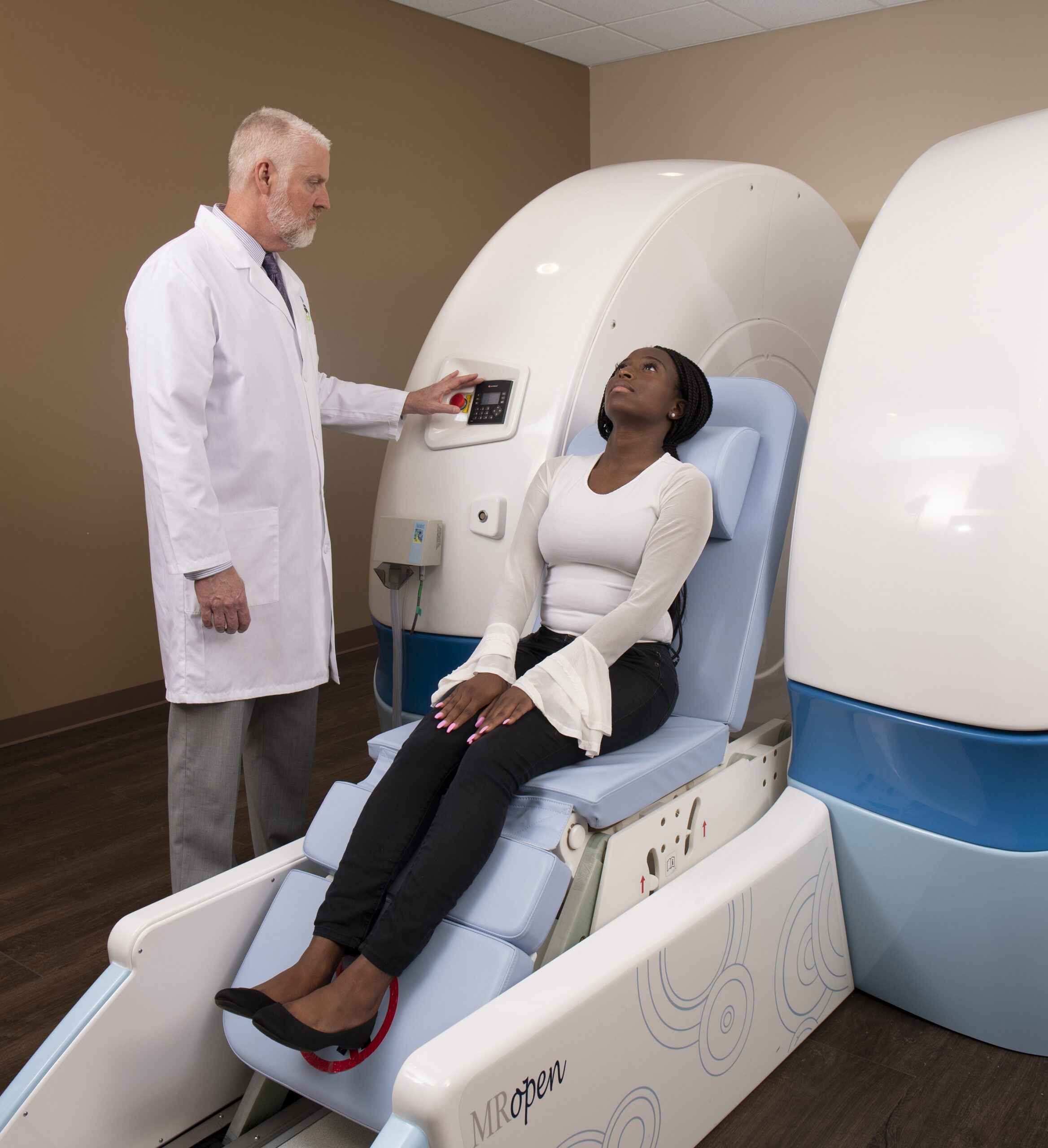
The “H-shaped” design, while slightly more enclosed due to dual vertical supports, still offers significantly more peripheral space than a closed-bore system. In both cases, the patient is positioned on a motorized table that slides into the gap between the two plates. Instead of being encased in a tube, the patient remains in an environment where they can see the technician, communicate more easily, and feel the presence of the open room.
Magnetic Field Strength and Hardware Integration
The hardware of an open MRI is dictated by the physics of electromagnetism. To create an image, the system requires a powerful magnetic field. In a closed system, this is achieved by a solenoid—a long tube of superconducting wire. Because open systems lack this enclosed geometry, they utilize permanent or resistive magnets, which are physically bulkier but more manageable in terms of space.
These massive magnets are housed within the top and bottom gantry plates. The sheer physical size of these plates is often surprising; they are thick, heavy, and designed to generate a uniform magnetic field across the imaging area. Surrounding these plates are the specialized “coils”—the hardware components that transmit and receive radiofrequency signals to map the body’s interior. In open systems, these coils are often flexible and draped over the patient, rather than being built into the tunnel, adding another layer of physical openness.
Technological Evolution and Imaging Capabilities
It is a common misconception that the open design sacrifices diagnostic accuracy for comfort. In reality, the technological progression in open-bore imaging has been driven by sophisticated software advancements and hardware engineering that maintain high signal-to-noise ratios, even with the structural constraints of an open field.
Gradient Coils and Signal Processing
The image quality in an MRI is highly dependent on the speed and precision of the gradient coils—the internal hardware that changes the magnetic field to locate the signal from specific body parts. In early open MRI models, lower magnetic field strength (measured in Tesla) often led to longer scan times. However, modern open MRI systems have integrated high-performance gradient hardware that compensates for the lower field strength through advanced pulse sequences.
The software managing these systems now employs sophisticated algorithms to reconstruct high-resolution images from the data captured by these open-field magnets. This intersection of specialized hardware and AI-enhanced signal processing ensures that clinicians receive the detailed anatomy required for accurate diagnoses, whether they are scanning the spine, joints, or soft tissues.
The Role of Software in Hardware Efficiency
Modern MRI technology is increasingly defined by its software stack. For open MRI systems, this means efficient image reconstruction algorithms that clean up “noise” generated by the lack of a fully enclosed magnetic field. Advanced software tools now allow for “parallel imaging,” where multiple signals are acquired simultaneously, significantly reducing the duration of the scan. This is particularly crucial for open MRI users, as shorter scan times further minimize the need for the patient to remain perfectly still in a challenging medical environment.
Design Innovations for Patient Comfort
The design philosophy behind the open MRI is centered on “human-centric engineering.” By moving away from the industrial aesthetic of the 1990s and early 2000s, manufacturers are treating the MRI suite as a holistic experience rather than just a technical location.
Ergonomics and Accessibility
Beyond the shape of the magnet, the design of the patient table is critical. In many high-end open MRI systems, the table is designed to move horizontally and vertically with fluid, whisper-quiet motors. This reduces the physical strain on patients who may be suffering from chronic pain or mobility issues. The ability to lower the table to a height near ground level is a key ergonomic feature of open systems, allowing elderly or injured patients to transition from a wheelchair or walker with minimal assistance.
Furthermore, the open configuration allows for “interventional” procedures that are nearly impossible in a closed-bore tube. A doctor can easily reach the patient to administer comfort, position limbs for specific joint scans, or even perform guided injections while the patient is still within the imaging field.
Environmental Design and Peripheral Integration
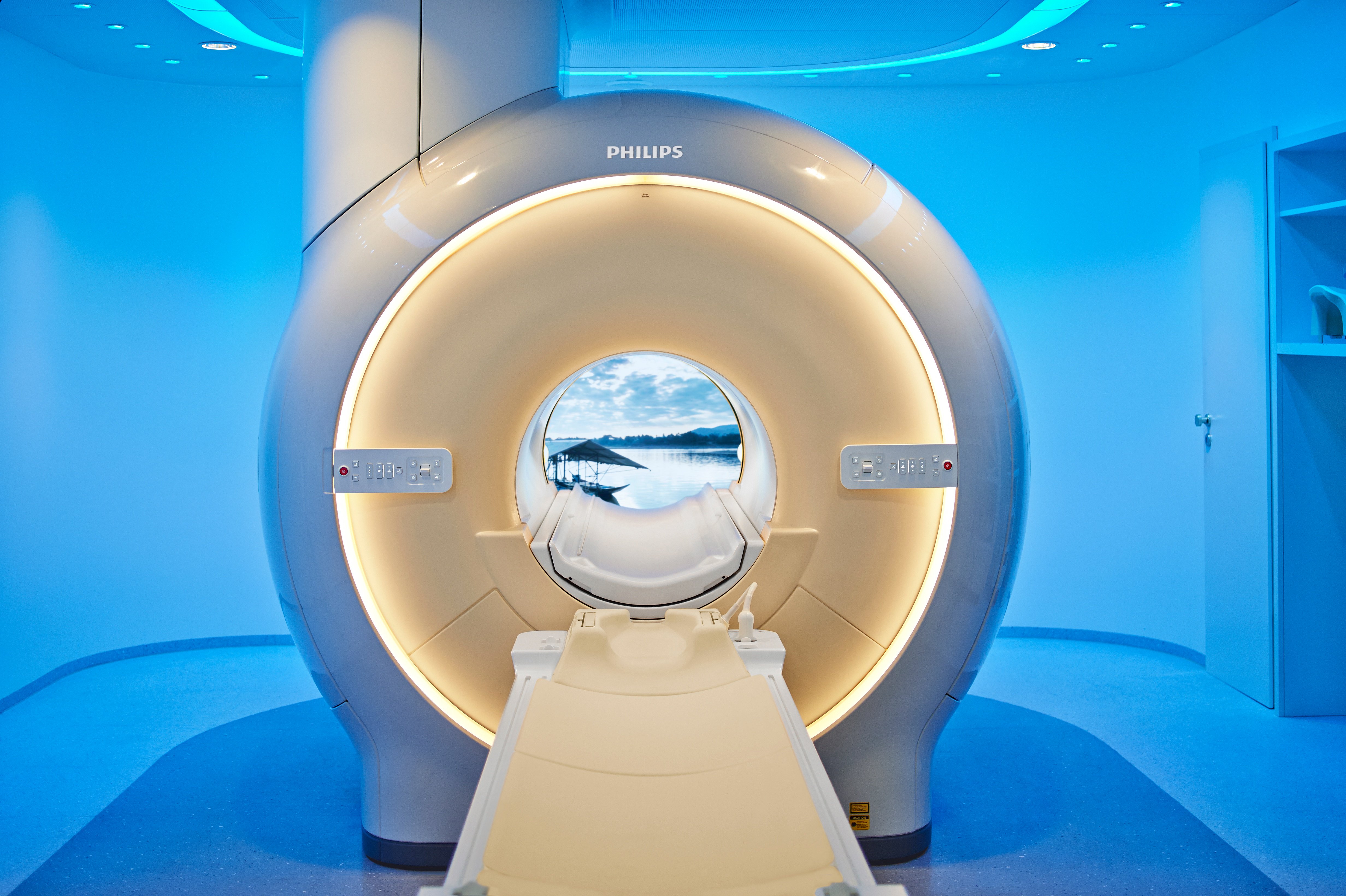
The “look” of an open MRI is not limited to the machine itself but includes the integrated lighting and ambient controls of the room. Many clinical facilities now design open MRI suites with calming color palettes, integrated LED lighting, and sound systems. Because the patient is not confined in a narrow tube, they can see the ceiling of the room, which is often decorated with relaxing imagery to reduce anxiety.
The reduced noise level is another hallmark of newer open MRI hardware. Traditional closed-bore systems are infamous for the loud, rhythmic thumping caused by the rapid expansion and contraction of the gradient coils. Many modern open systems have been redesigned with acoustic dampening technology, significantly lowering the decibel levels produced during a scan. This architectural and mechanical update changes the look and feel of the environment from a loud, mechanical workspace to a serene, patient-focused setting.
Future Trends: The Digital Transformation of Diagnostic Imaging
As we look toward the future of diagnostic hardware, the open MRI is evolving alongside advancements in superconducting materials and digital signal processing. The next generation of open imaging is expected to incorporate even lighter, more powerful magnets that do not require the massive, bulky gantry plates currently in use.
Miniaturization and Portable Imaging
The trend toward “miniaturization” is the next frontier. We are seeing the early stages of portable MRI technology, which leverages high-speed computing to reconstruct images from weaker magnetic fields. While we are not yet at the stage of a handheld device, the “open” concept is leading to machines that are smaller, lighter, and more affordable for clinics that lack the specialized shielding required for heavy, cryogen-cooled superconducting magnets.
The Integration of AI-Assisted Imaging
Hardware is only as good as the software that controls it. Future open MRI systems will likely feature deeper integration with AI tools that can identify artifacts in real-time. If a patient moves during a scan, the AI-driven software will instantly detect the blur and prompt the hardware to re-scan that specific slice, preventing the need for a full repeat session. This level of automated quality control is transforming the MRI from a static piece of heavy machinery into a dynamic, intelligent diagnostic partner.
The open MRI is a testament to how technology can prioritize the human element without compromising scientific integrity. By stripping away the constraints of the traditional tunnel and replacing them with a spacious, accessible framework, the medical industry has created a tool that feels less like a machine and more like a bridge to better health. As hardware becomes more refined and software more capable, the open MRI will continue to be the standard-bearer for compassionate, patient-first diagnostics.
aViewFromTheCave is a participant in the Amazon Services LLC Associates Program, an affiliate advertising program designed to provide a means for sites to earn advertising fees by advertising and linking to Amazon.com. Amazon, the Amazon logo, AmazonSupply, and the AmazonSupply logo are trademarks of Amazon.com, Inc. or its affiliates. As an Amazon Associate we earn affiliate commissions from qualifying purchases.