
In the pursuit of financial independence and a life of greater freedom, the concept of residual income stands as a powerful beacon. Unlike active income, which requires a direct exchange of time and effort for money—think salaries, hourly wages, or fees for services rendered—residual income, often synonymously called passive income, continues to flow into your bank account long after the initial work is done. It’s the dream of earning while you sleep, travel, or pursue your passions, unshackling your financial well-being from the constraints of a 9-to-5 grind.
This article delves into the strategies and avenues one can explore to build and sustain multiple streams of residual income. We’ll explore various models, from traditional investments to digital ventures, providing insightful guidance for anyone looking to transform their financial future. The journey to residual income demands initial effort, strategic planning, and often, a degree of patience, but the long-term rewards—financial security, flexibility, and a legacy of wealth—are undeniably transformative.

Understanding the Pillars of Residual Income
Before diving into specific strategies, it’s crucial to grasp the fundamental principles that underpin residual income. It’s not about getting rich quick, but rather about smart, sustained effort that compounds over time.
The Concept of Passive vs. Active Income
The distinction between passive and active income is foundational. Active income is linear; if you stop working, the income stops. This includes most jobs and freelancing gigs. Passive income, however, involves setting up systems or making investments that generate revenue with minimal ongoing effort. The “minimal” is key here; very few income streams are truly 100% passive, but the goal is to significantly reduce the time input required after the initial setup. Examples range from rental income and dividend stocks to royalties from creative works or profits from online businesses that run on automation.
Benefits Beyond Financial Gain
While the obvious benefit of residual income is financial stability and growth, its impact extends far beyond the monetary. It offers unprecedented time freedom, allowing individuals to dictate their own schedules, spend more time with family, travel, or dedicate themselves to philanthropic endeavors. It acts as a powerful hedge against economic downturns or job loss, diversifying one’s income streams and providing a safety net. Furthermore, building residual income can be a powerful psychological boost, reducing stress associated with financial pressures and fostering a sense of accomplishment and control over one’s destiny. It can even be a pathway to creating a lasting financial legacy for future generations.
Mindset and Strategic Planning
Embarking on the journey to earn residual income requires a specific mindset: one of patience, persistence, and an openness to continuous learning. It’s essential to approach this endeavor with strategic planning, which involves identifying viable opportunities, assessing risks, and understanding the market. This means conducting thorough research, potentially acquiring new skills, and being prepared for initial setbacks. Successful residual income generators are often those who are willing to put in significant upfront work and are committed to refining their strategies over time, viewing challenges not as roadblocks but as opportunities for growth and improvement.
Real Estate: A Timeless Pathway to Residual Income
Real estate has long been a cornerstone of wealth creation and a reliable source of residual income. Its tangible nature and potential for appreciation make it an attractive option for many.
Rental Properties (Residential & Commercial)
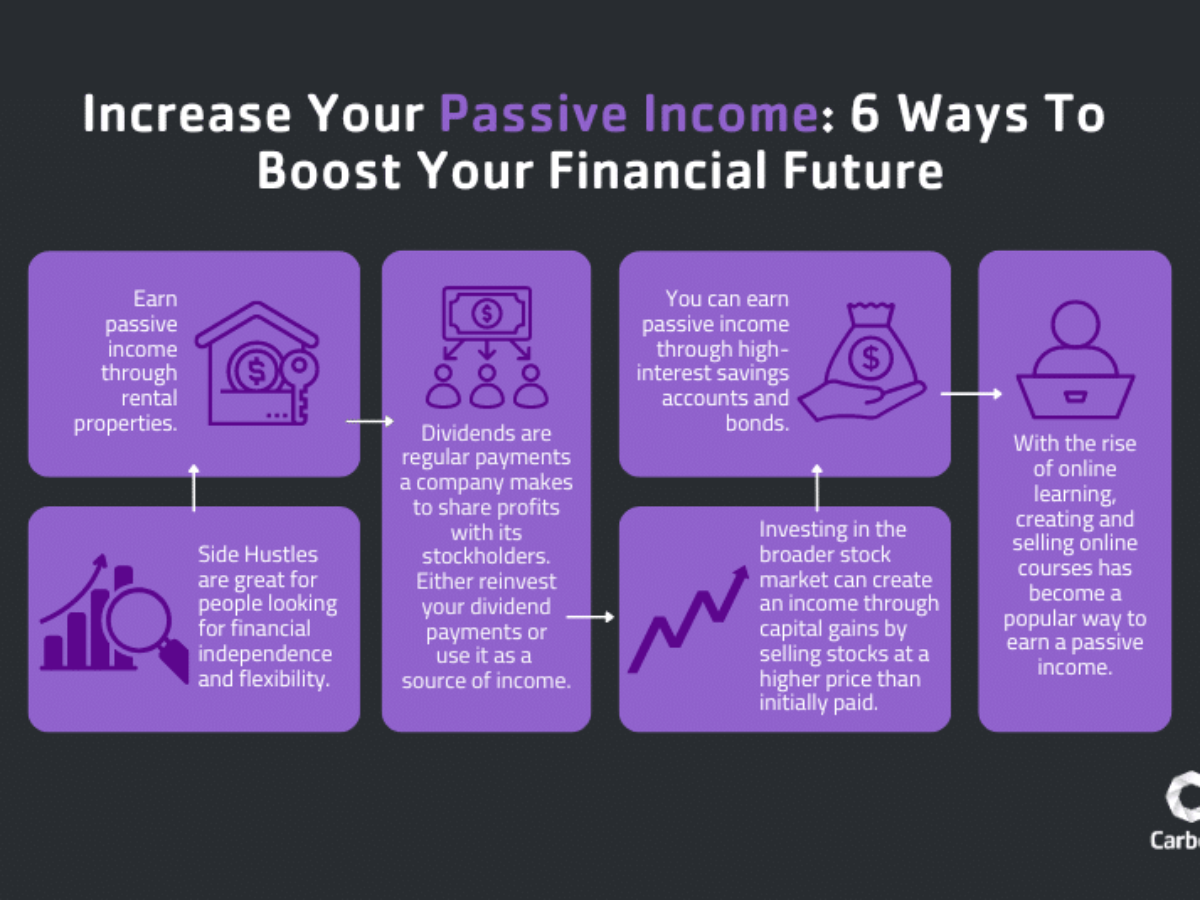
The most direct route in real estate is owning rental properties. This involves purchasing residential homes, apartments, or commercial spaces and leasing them to tenants. The monthly rent collected, after accounting for expenses like mortgages, taxes, insurance, and maintenance, becomes your residual income. While it requires initial capital and often involves landlord responsibilities, the potential for steady cash flow, property appreciation, and tax benefits makes it a compelling option. For those who prefer a more hands-off approach, hiring a property management company can delegate day-to-day tasks, albeit at a cost.
Real Estate Investment Trusts (REITs)
For investors who want exposure to real estate without the complexities of direct ownership, Real Estate Investment Trusts (REITs) offer an excellent alternative. REITs are companies that own, operate, or finance income-generating real estate. They trade on major stock exchanges, similar to stocks, making them liquid and accessible. By law, REITs must distribute at least 90% of their taxable income to shareholders annually in the form of dividends, providing a consistent residual income stream. They allow for diversification across various property types (e.g., apartments, shopping malls, office buildings, data centers) and often require a much lower entry barrier than purchasing physical property.
Real Estate Crowdfunding
Real estate crowdfunding platforms have emerged as a modern way to invest in real estate. These platforms allow multiple investors to pool their money to fund larger real estate projects, ranging from residential developments to commercial acquisitions. Investors can gain fractional ownership in these projects, potentially earning returns through rental income, property sales, or interest payments on real estate loans. This model often provides access to institutional-quality deals that were previously out of reach for individual investors, allowing for diversification across multiple projects with varying risk profiles and investment horizons.
Digital Products and Online Ventures
The internet has democratized the creation and distribution of residual income streams, making it possible for individuals to leverage their knowledge and creativity to build scalable online businesses.
Creating and Selling Digital Products
The creation of digital products is a highly scalable residual income strategy. This includes crafting e-books, online courses, templates (for websites, presentations, graphic design), stock photos or videos, software, or even music beats. Once created, these products can be sold repeatedly with virtually no additional production cost per unit. Platforms like Gumroad, Teachable, Etsy, and various stock media sites provide the infrastructure for distribution and sales, allowing creators to reach a global audience. The initial effort involves product development, marketing, and setting up the sales funnel, but once established, sales can generate income around the clock.
Affiliate Marketing
Affiliate marketing involves promoting other companies’ products or services and earning a commission on every sale made through your unique affiliate link. This can be done through blogs, social media channels, email newsletters, or podcasts. The beauty of affiliate marketing lies in its simplicity: you don’t need to create your own product, handle customer service, or manage inventory. Success hinges on building a trusted audience and recommending products that genuinely resonate with them. Ethical considerations and transparency are paramount for long-term success in this space, building credibility with your audience.
Content Creation with Monetization
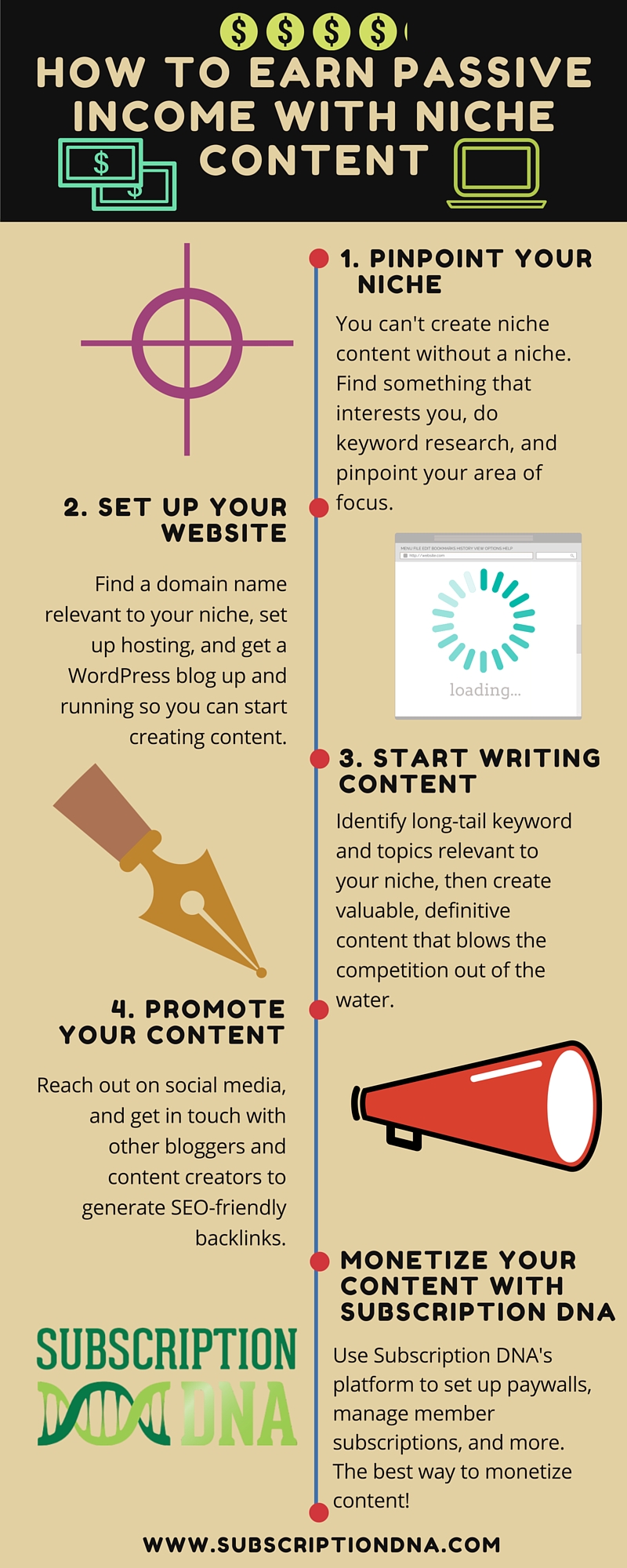
Building an audience through content creation—be it a YouTube channel, a blog, or a podcast—can evolve into a significant residual income stream. Monetization can occur through various channels: advertising revenue (e.g., Google AdSense for blogs, YouTube ad revenue), sponsorships, direct sales of your own digital products, or affiliate marketing integrated into your content. The key is consistent value delivery, audience engagement, and strategic growth. While the initial phase requires substantial effort to produce high-quality content and build a following, established content creators can leverage their existing library and audience for ongoing revenue.
SaaS (Software as a Service) & Apps
For those with technical skills or the ability to outsource development, creating Software as a Service (SaaS) products or mobile applications offers a potent residual income model based on subscription fees. Users pay a recurring monthly or annual fee for access to the software or app. This model is highly attractive due to its predictable recurring revenue. While it requires significant upfront investment in development, marketing, and ongoing maintenance/support, a successful SaaS product or app can generate substantial and consistent income streams. Identifying a niche problem and providing an effective digital solution is often the key to success.
Investment Strategies for Residual Returns
Beyond real estate and digital ventures, traditional financial markets offer a multitude of opportunities for earning residual income through various investment vehicles.
Dividend Stocks
Investing in dividend-paying stocks is a classic strategy for generating residual income. These are shares of companies that regularly distribute a portion of their profits to shareholders in the form of dividends. Companies with a long history of consistent dividend payments often represent stable, mature businesses. Investors can choose to receive these payouts as cash income or reinvest them to purchase more shares, leveraging the power of compounding to accelerate wealth growth. Researching financially healthy companies with strong balance sheets and a history of increasing dividends is crucial for a successful dividend investment strategy.
Bonds and Fixed-Income Securities
Bonds represent loans made by an investor to a borrower (typically a corporation or government entity) in exchange for regular interest payments over a specified period. At the end of the bond’s term, the principal amount is returned to the investor. Bonds are generally considered less volatile than stocks and provide a predictable stream of income, making them suitable for conservative investors or those looking to diversify their portfolio. Various types of bonds exist, each with different risk and return profiles, including government bonds, municipal bonds, and corporate bonds.
Peer-to-Peer (P2P) Lending
Peer-to-Peer (P2P) lending platforms connect individual lenders directly with borrowers, bypassing traditional financial institutions. As a lender, you can invest in various loans, from personal loans to small business loans, and earn interest on your contributions. The returns can be higher than traditional savings accounts or bonds, but they also carry a higher risk. Diversifying your investments across multiple loans and thoroughly vetting the platforms and borrowers is essential to mitigate potential losses. P2P lending offers a modernized way to act as a fractional bank and earn recurring interest income.
Royalties (Creative Works & Patents)
For artists, writers, musicians, and inventors, royalties represent a powerful source of residual income. This involves earning payments each time your creative work (e.g., a book, song, photograph, design) or patented invention is used, sold, or licensed. Once the initial creative or inventive work is done, royalties can continue to generate income for years, sometimes decades. This model exemplifies true passive income, where the initial effort produces an asset that generates continuous returns, making it an attractive path for those with intellectual property.
Building a Sustainable Residual Income Portfolio
Earning residual income is not merely about pursuing one strategy; it’s about strategically building a diversified portfolio that offers resilience and continuous growth.
Diversification is Key
The adage “don’t put all your eggs in one basket” is particularly pertinent to residual income. Relying on a single source of passive income, no matter how robust, exposes you to unnecessary risk. A diversified portfolio, combining various residual income streams—a mix of real estate, digital products, dividend stocks, and potentially other ventures—can cushion against market fluctuations or underperformance in any single area. This approach ensures a more stable and reliable flow of income, safeguarding your financial independence.
Reinvestment and Compounding
One of the most powerful strategies for accelerating wealth creation through residual income is reinvestment. By channeling a portion or all of your earned passive income back into your investments or new ventures, you harness the power of compounding. For instance, reinvesting dividends to buy more shares, or using rental income to acquire another property, significantly speeds up the growth of your income streams. This snowball effect can transform modest beginnings into substantial wealth over time, making diligent reinvestment a cornerstone of sustainable residual income generation.
Continuous Learning and Adaptation
The financial landscape is ever-evolving, with new technologies, market trends, and investment opportunities emerging regularly. To maintain and grow your residual income streams, continuous learning and adaptation are vital. Staying informed about economic shifts, changes in consumer behavior, and advancements in financial tools and platforms allows you to optimize existing strategies and identify new potential income sources. This proactive approach ensures your portfolio remains relevant, efficient, and poised for future growth.
The Role of Automation and Delegation
As your residual income portfolio grows, managing all its components manually can become time-consuming. Leveraging automation tools and strategic delegation can significantly enhance the “passive” aspect of your income streams. This could involve using software for property management, automating marketing for digital products, or outsourcing specific tasks to virtual assistants or specialized service providers. By streamlining operations and delegating responsibilities, you free up your most valuable asset—time—to focus on higher-level strategic planning and further expansion of your residual income empire.
Conclusion
The journey to earning residual income is a marathon, not a sprint. It requires foresight, dedication, and a willingness to embrace both the initial hard work and the ongoing learning process. However, the ultimate prize—the ability to generate income independent of your direct time and effort—offers unparalleled financial freedom, security, and the flexibility to design a life on your own terms.
From the tangible assets of real estate and the consistent returns of dividend stocks to the scalable potential of digital products and online ventures, the avenues to build residual income are diverse and accessible. By understanding the core principles, strategically planning your investments, embracing diversification, and committing to continuous learning, anyone can begin to construct a robust portfolio of passive income streams. Start small, learn from every experience, and persistently build towards a future where your money works harder for you, allowing you to live life with greater purpose and less financial stress.
aViewFromTheCave is a participant in the Amazon Services LLC Associates Program, an affiliate advertising program designed to provide a means for sites to earn advertising fees by advertising and linking to Amazon.com. Amazon, the Amazon logo, AmazonSupply, and the AmazonSupply logo are trademarks of Amazon.com, Inc. or its affiliates. As an Amazon Associate we earn affiliate commissions from qualifying purchases.