
In the intricate ecosystem of digital audio production and performance, the term “mixer” evokes a central hub, a vital organ responsible for orchestrating the soundscape. Far from being a simple junction box, a mixer is a sophisticated piece of technology that empowers users to shape, enhance, and control audio signals with remarkable precision. Understanding its multifaceted capabilities is key to unlocking the full potential of any audio endeavor, whether it’s a live concert, a studio recording session, a podcast production, or even a home theater setup. At its core, a mixer is an electronic device designed to combine, process, and route multiple audio signals into one or more output signals. This seemingly straightforward function, however, belies a complex array of features and functionalities that have evolved significantly with technological advancements.
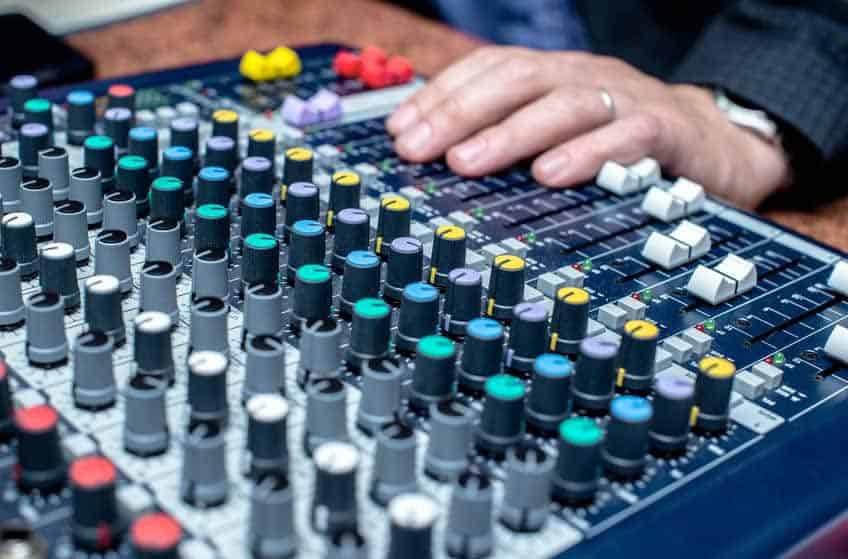
The primary role of a mixer is to take raw audio inputs – from microphones capturing vocals and instruments, to line-level signals from synthesizers, drum machines, or playback devices – and manipulate them to achieve a desired sonic outcome. This manipulation involves a spectrum of actions, from adjusting volume levels and panning (positioning sound in the stereo field) to applying equalization (EQ) for tonal shaping, compression for dynamic range control, and the introduction of effects like reverb and delay for spatial enhancement and creative flair. The journey of an audio signal through a mixer is a carefully controlled process, allowing for an unprecedented degree of artistic and technical refinement.
The Fundamental Architecture: Signal Flow and Channel Strips
At the heart of every mixer lies its architecture, which dictates how audio signals traverse the device and where they can be manipulated. This architecture is built upon the concept of signal flow, a logical progression of how audio moves from input to output, and the utilization of channel strips, the individual workstations for each audio source.
Input Processing: Welcoming the Audio Sources
The initial stage of a mixer’s operation involves receiving audio signals through its various inputs. These inputs are designed to accommodate different types of audio sources and signal levels. Microphone inputs, typically using XLR connectors, are equipped with preamplifiers that boost the relatively weak signals from microphones to a usable line level. These preamps are crucial for capturing the nuances of vocal performances and instrument sounds with clarity and minimal noise. For line-level sources, such as keyboards, samplers, or audio interfaces, dedicated line inputs are available, often utilizing ¼-inch jack connectors. Some mixers also include instrument-level inputs, specifically designed for passive guitar or bass pickups, providing the necessary impedance matching for optimal signal integrity. Furthermore, many modern mixers incorporate digital inputs, such as USB or S/PDIF, allowing for direct integration with computers and other digital audio equipment.
The Channel Strip: A Dedicated Control Center
Once an audio signal enters the mixer, it is assigned to a specific channel strip. This is where the bulk of the audio manipulation takes place. Each channel strip acts as an independent control center for a single audio source, offering a dedicated set of controls for shaping its sound.
Gain Staging and Input Level Control: The Foundation of Good Sound
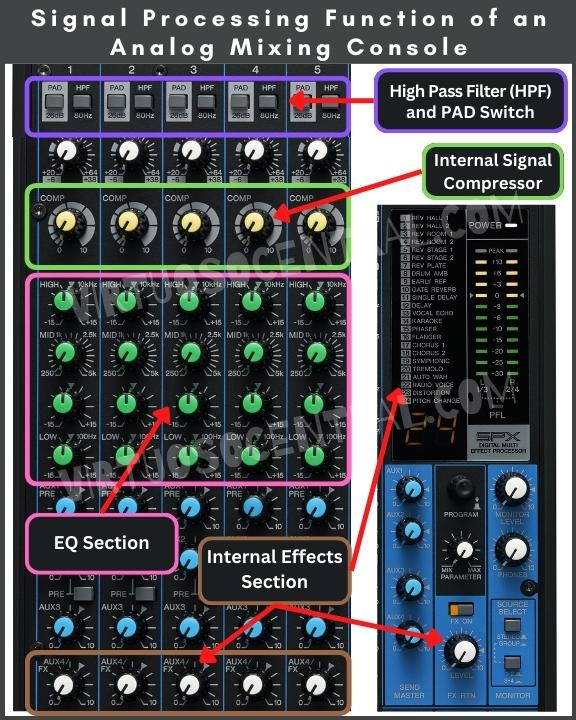
The first and arguably most critical control on any channel strip is the gain or trim knob. This control adjusts the initial amplification of the incoming signal. Proper gain staging is paramount, as it ensures that the signal is strong enough to overcome the inherent noise floor of the mixer without being so loud that it clips or distorts. Clipping occurs when a signal exceeds the maximum level a device can handle, resulting in an unpleasant, crunchy sound. Setting the gain appropriately ensures that the subsequent processing stages receive a healthy and clean signal.
Equalization (EQ): Sculpting the Tonal Palette
The equalization section of a channel strip allows users to adjust the frequency content of the audio signal, effectively shaping its tone. Most EQs offer controls for bass (low frequencies), mid-range, and treble (high frequencies). More advanced EQs, known as parametric EQs, provide even greater control, allowing users to select specific frequency bands to boost or cut, adjust the width of those bands (Q factor), and control the amount of gain applied. This enables engineers to remove unwanted muddiness, add sparkle to vocals, or enhance the punch of a kick drum.
Dynamics Processing: Controlling the Flow of Sound
Dynamics processing, primarily through the use of compressors and gates, is another vital component of a channel strip. Compressors reduce the dynamic range of a signal – the difference between its loudest and quietest parts. This can help to even out vocal performances, make instruments sit more consistently in the mix, or add “glue” and cohesion to a group of instruments. Noise gates, conversely, are used to eliminate unwanted background noise when a signal falls below a certain threshold, effectively silencing channels when they are not actively being used.
Auxiliary Sends and Bus Sends: Routing and Effects
Auxiliary (Aux) sends and bus sends provide powerful routing capabilities within a mixer. Aux sends are typically used to send a portion of the channel’s signal to external effects processors (like reverb or delay units) or to monitor mixes for performers on stage. These sends allow for parallel processing and create separate audio feeds without affecting the main stereo output. Bus sends, on the other hand, allow multiple channels to be grouped together and sent to a dedicated bus, which can then be further processed or routed as a sub-mix. This is invaluable for managing complex mixes, such as sending all drum microphones to a single drum bus for unified compression or EQ.
Panning: Positioning in the Stereo Field
The pan knob on a channel strip determines the position of that audio source within the stereo image. By panning instruments and vocals to different points between the left and right speakers, mixers create a sense of width, depth, and separation in the final mix, making it more engaging and easier to discern individual elements.
Faders and Volume Control: The Art of Balance
Finally, each channel strip is equipped with a fader, a sliding control that adjusts the overall volume of that particular channel. The precise manipulation of these faders is the essence of mixing, allowing engineers to create a balanced and cohesive sonic picture where all elements are heard clearly and harmoniously.
Beyond the Channel: Sub-Groups, Master Bus, and Output Routing
While channel strips handle individual sources, mixers offer further layers of control and organization through sub-groups, the master bus, and sophisticated output routing. These elements allow for the consolidation of signals and the final shaping of the overall mix.
Sub-Groups: Consolidating and Processing Sections
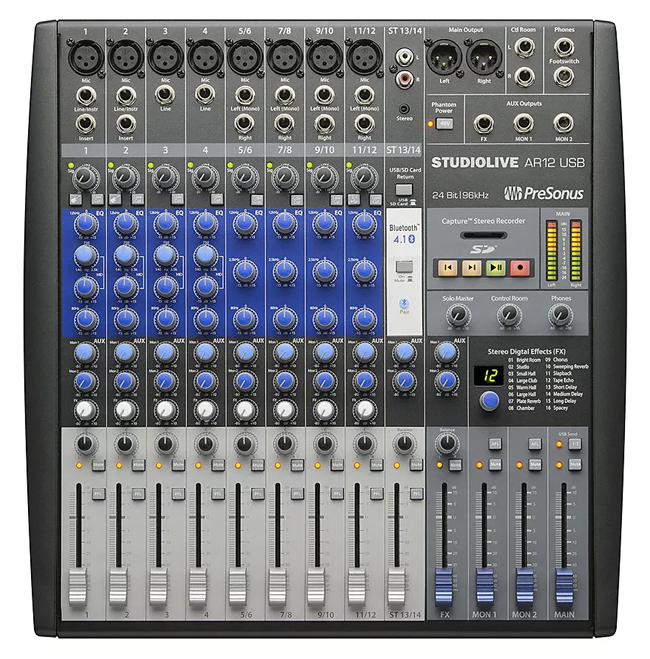
Sub-groups, often referred to as buses, are essentially virtual mixing consoles within the main mixer. They allow multiple channels to be routed to a single bus, which can then be treated as a collective unit. For instance, all drum microphones can be routed to a drum sub-group. This allows for simultaneous adjustments to the overall volume of the drum kit, or the application of a single EQ or compressor to the entire group, ensuring a cohesive drum sound. This organizational structure greatly simplifies the management of complex mixes.
The Master Bus: The Final Frontier
The master bus is the ultimate destination for all audio signals in the mixer. It is where the individual channel signals and sub-group signals converge to form the final stereo (or surround sound) output. Controls on the master bus typically include overall volume faders, EQ for overall tonal adjustment, and potentially limiters to prevent clipping of the final output. The master bus is where the overall loudness, tonal balance, and sonic characteristics of the entire mix are finalized.
Output Routing: Directing the Sound
Modern mixers offer extensive output routing capabilities. Beyond the main stereo output, mixers can provide auxiliary outputs for monitor mixes, headphone mixes, subwoofer feeds, or to send individual channels to separate recording devices or effects units. This flexibility is essential for live sound reinforcement, where different mixes are needed for the audience and the performers, as well as for studio recording, where precise control over individual signal paths is crucial for multi-track recording.
The Evolution of the Mixer: Analog Purity to Digital Precision
The fundamental principles of mixing have remained consistent, but the technology employed has undergone a dramatic transformation, leading to the emergence of both analog and digital mixers, each with its distinct advantages.
Analog Mixers: The Warmth and Tactility of Tradition
Analog mixers operate by manipulating electrical signals directly. Their circuitry is built with components like resistors, capacitors, and operational amplifiers. Analog mixers are often praised for their “warm” sound, a subjective quality attributed to the inherent characteristics of analog circuits and the subtle saturation that can occur when signals are pushed. The tactile nature of analog mixers, with their physical knobs, faders, and buttons, offers a hands-on and intuitive user experience that many engineers find highly satisfying. However, analog mixers can be bulky, require significant maintenance, and offer limited recall capabilities for settings.
Digital Mixers: Power, Flexibility, and Integration
Digital mixers convert analog audio signals into digital data, which is then processed by digital signal processors (DSPs) and microprocessors. This digital realm offers unparalleled flexibility and advanced features. Digital mixers allow for the instant recall of entire mix sessions, saving time and ensuring consistency. They can incorporate a vast array of built-in effects, advanced routing options, and sophisticated processing tools. Many digital mixers also offer seamless integration with computers via USB or Ethernet, enabling direct recording, playback, and remote control. While some may perceive a slight difference in sonic character compared to analog counterparts, the sonic fidelity and capabilities of modern digital mixers are exceptionally high. Their compact size and integrated features also make them ideal for a wide range of applications.
Applications of Mixers: From Stages to Studios and Beyond
The utility of mixers extends across a vast spectrum of audio-related disciplines, underscoring their indispensable role in modern sound creation and reproduction.
Live Sound Reinforcement: Orchestrating the Performance
In live sound, mixers are the backbone of every performance. From intimate coffee shop gigs to massive stadium concerts, the mixer is responsible for taking the sounds of instruments and vocals, balancing them, and delivering a clear, powerful, and intelligible audio experience to the audience. This involves careful soundcheck procedures, real-time adjustments to compensate for room acoustics and varying performance dynamics, and ensuring monitor mixes are precisely tailored for the musicians on stage.
Studio Recording: Crafting Sonic Masterpieces
Within the recording studio, mixers are essential tools for capturing and shaping audio. They allow engineers to record multiple sources simultaneously, meticulously balance levels, apply EQ and dynamics processing to sculpt individual sounds, and add effects to create depth and character. Modern digital mixers often serve as the central hub of a digital audio workstation (DAW) setup, integrating seamlessly with computer-based recording software.
Broadcast and Podcasting: Delivering Clear Communication
In the realm of broadcast and podcasting, mixers ensure that spoken word content is clear, consistent, and engaging. They allow for the integration of multiple microphones, sound effects, music beds, and remote interview feeds, ensuring a professional and polished final product for listeners. The ability to control dynamics and apply subtle EQ can significantly enhance vocal intelligibility and listener fatigue.
Home Entertainment and Beyond: Enhancing the Listening Experience
Even in home entertainment setups, smaller format mixers can be employed to enhance the listening experience. They can be used to combine audio from various sources, such as gaming consoles, streaming devices, and music players, and to fine-tune the output for optimal clarity and impact.
In conclusion, the humble mixer, in its various forms, is a cornerstone of modern audio technology. Its ability to combine, control, and shape sound signals empowers creators to translate their sonic visions into reality, whether on a grand stage, in a sophisticated studio, or through the intimate medium of a podcast. Understanding its fundamental operations and the distinctions between its analog and digital iterations unlocks a world of possibilities for anyone involved in the creation, manipulation, or reproduction of sound.
aViewFromTheCave is a participant in the Amazon Services LLC Associates Program, an affiliate advertising program designed to provide a means for sites to earn advertising fees by advertising and linking to Amazon.com. Amazon, the Amazon logo, AmazonSupply, and the AmazonSupply logo are trademarks of Amazon.com, Inc. or its affiliates. As an Amazon Associate we earn affiliate commissions from qualifying purchases.