
In the intricate world of technology, precision and efficiency are paramount. From the sophisticated systems that power our vehicles to the complex industrial processes that manufacture essential goods, understanding and controlling the flow of materials is a fundamental requirement. This is where the humble yet critical mass flow sensor enters the picture. Far from being a niche component, mass flow sensors are ubiquitous, playing a vital role in countless applications across diverse technological landscapes. Their ability to accurately measure the mass of a fluid or gas passing through a system, rather than just its volume, unlocks a level of control and optimization that is otherwise unattainable.
The distinction between volumetric and mass flow measurement is crucial. A simple flow meter might tell you how much liquid has passed through a pipe in liters or gallons. However, the density of that liquid can change significantly with temperature and pressure. This means that a fixed volume could represent a vastly different mass. For applications where the actual quantity of material matters – for example, in chemical reactions where precise stoichiometry is vital, or in internal combustion engines where accurate fuel delivery dictates performance and emissions – volumetric measurements are simply insufficient. Mass flow sensors overcome this limitation, providing a direct and accurate reading of the mass of substance in motion.
This fundamental capability has far-reaching implications. In the realm of technology, mass flow sensors are not just about measurement; they are about enabling intelligent control, enhancing performance, ensuring safety, and driving innovation. Whether it’s optimizing fuel combustion for cleaner engines, maintaining atmospheric conditions in sensitive environments, or ensuring the precise delivery of ingredients in advanced manufacturing, these sensors are the silent guardians of efficiency and accuracy.
The Core Principles of Mass Flow Sensing
At its heart, a mass flow sensor is designed to quantify the rate at which a substance travels through a system based on its mass. This differs from volumetric flow meters, which measure the volume of the substance. The distinction is critical because the density of gases and liquids can vary significantly with temperature and pressure. Measuring mass flow directly provides a more accurate representation of the actual quantity of material being processed, irrespective of these fluctuating environmental conditions.
Direct vs. Inferential Mass Flow Measurement
Mass flow sensors achieve their measurements through two primary methodologies: direct and inferential. Understanding these approaches helps to appreciate the underlying technological sophistication.
Direct Mass Flow Measurement
Direct mass flow sensors, often employing thermal or Coriolis principles, measure mass flow without needing to infer it from other parameters.
-
Thermal Mass Flow Sensors: These sensors utilize the principle of heat transfer. A common configuration involves two temperature sensors and a heater. As a fluid or gas flows past the heated element, it carries away heat. The amount of heat dissipated is directly proportional to the mass flow rate of the fluid. One temperature sensor might measure the incoming fluid temperature, while another, placed downstream of the heater, measures the temperature rise. The greater the mass flow, the more heat is carried away, resulting in a smaller temperature difference between the two sensors or a specific temperature profile change. This method is particularly effective for gases, where density variations are more pronounced. They are often found in applications requiring precise gas control, such as in semiconductor manufacturing, laboratory equipment, and environmental monitoring.
-
Coriolis Mass Flow Sensors: These sensors are based on Newton’s second law of motion and the Coriolis effect. The fluid or gas flows through a vibrating tube. As the fluid enters the tube, it experiences acceleration and deceleration due to the vibration. This imparts a twisting force on the tube, proportional to the mass flow rate of the fluid. The sensor measures this twist or deflection of the tube. Coriolis meters are known for their high accuracy and ability to measure mass flow, density, and temperature simultaneously. They are robust and can handle a wide range of fluids, including liquids and gases, and are frequently used in chemical processing, oil and gas industries, and food and beverage production where precise metering of various substances is essential.
Inferential Mass Flow Measurement
Inferential mass flow sensors calculate the mass flow rate by measuring volumetric flow and then using the fluid’s density, which is typically determined separately or estimated.
- Volumetric Flow Measurement with Density Compensation: In this approach, a standard volumetric flow meter (e.g., turbine, vortex, or electromagnetic) is used to measure the volume of fluid passing through. Simultaneously, a density meter or a pressure and temperature sensor array is used to determine the fluid’s density. The mass flow rate is then calculated using the formula: Mass Flow Rate = Volumetric Flow Rate × Density. This method is often employed when inferential measurements are sufficient for the application’s accuracy requirements or when existing volumetric flow meters can be retrofitted with density compensation.
Key Parameters Measured and Their Significance
Beyond the direct measurement of mass flow, many sensors provide additional data that enhances their utility.
-
Mass Flow Rate (e.g., kg/h, scfm): This is the primary output, indicating the quantity of material moving per unit of time. It’s crucial for process control, inventory management, and ensuring adherence to specific operational parameters.
-
Totalized Mass (e.g., kg, lbs): This represents the cumulative mass of material that has passed through the sensor over a period. It’s vital for batching operations, total consumption tracking, and billing in industrial settings.
-
Density (often with Coriolis meters): The ability to directly measure density alongside mass flow provides valuable insights into the composition or state of the fluid. Variations in density can indicate contamination, changes in temperature, or phase transitions.
-
Temperature: Measuring the temperature of the fluid is often integrated into mass flow sensing systems. Temperature significantly affects fluid density, and this information is either used to compensate volumetric flow readings for inferential mass flow calculation or is an inherent output of some direct measurement techniques.
Applications of Mass Flow Sensors in Technology
The versatility of mass flow sensors makes them indispensable across a broad spectrum of technological applications, driving efficiency, accuracy, and innovation in areas that touch our daily lives.
Automotive and Transportation
In the automotive sector, mass flow sensors are integral to modern engine management systems, directly impacting performance, fuel efficiency, and emissions control.
-
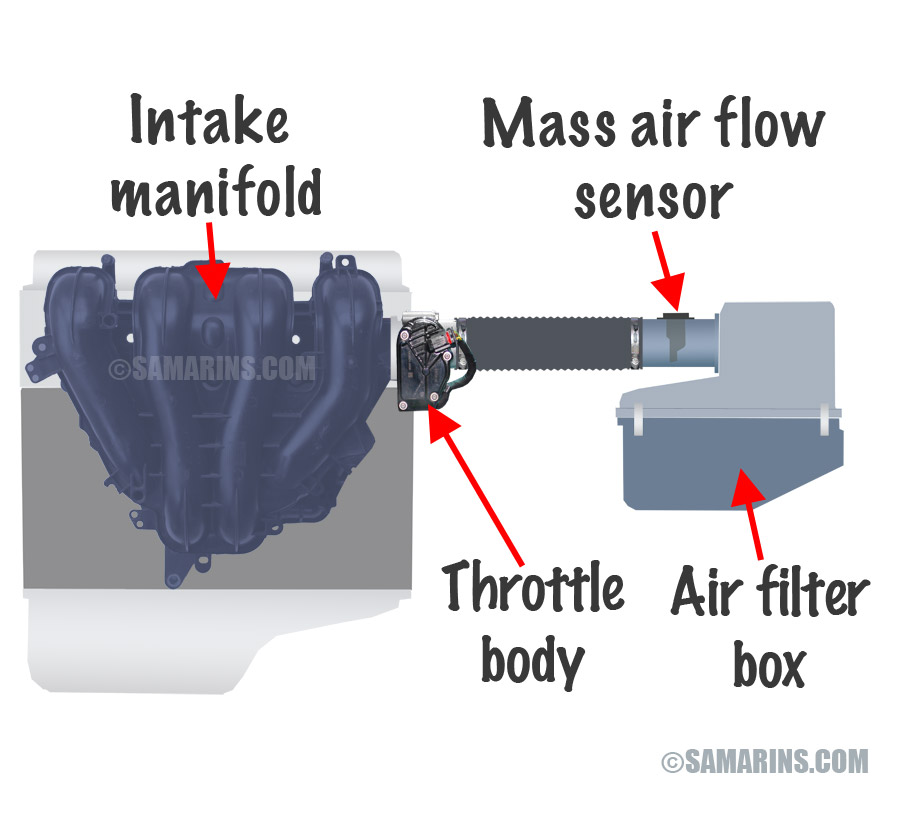
Air-Fuel Ratio Control: The most prominent application is the Mass Airflow (MAF) sensor in gasoline and diesel engines. This sensor measures the amount of air entering the engine cylinders. The engine control unit (ECU) uses this data, along with oxygen sensor readings, to precisely calculate the optimal amount of fuel to inject. Maintaining the correct air-fuel ratio is critical for complete combustion, maximizing power output, minimizing fuel consumption, and reducing harmful exhaust emissions like carbon monoxide, hydrocarbons, and nitrogen oxides. Without accurate MAF readings, engines would operate inefficiently, leading to poor performance and increased pollution.
-
Exhaust Gas Recirculation (EGR) Systems: In some diesel engines and older gasoline engines, EGR systems are used to reduce NOx emissions by recirculating a portion of exhaust gas back into the combustion chamber. Mass flow sensors are employed to precisely control the amount of exhaust gas recirculated, ensuring that emission reduction targets are met without compromising engine performance or drivability.
-
Natural Gas and Hydrogen Fuel Systems: As alternative fuels gain traction, mass flow sensors are becoming essential for managing their delivery. In vehicles powered by compressed natural gas (CNG) or hydrogen, mass flow sensors ensure accurate metering of these fuels to the engine, similar to how they function with gasoline or diesel, maintaining optimal combustion and performance.
Industrial Automation and Manufacturing
Across various industrial sectors, mass flow sensors are the backbone of precise process control, ensuring product quality, safety, and operational efficiency.
-
Chemical Processing: In the chemical industry, reactions often require precise stoichiometric ratios of reactants. Mass flow controllers, which integrate a mass flow sensor with a control valve, ensure that the exact amounts of gases and liquids are introduced into reactors. This is vital for achieving desired product yields, preventing unwanted side reactions, and ensuring the safety of exothermic processes. For example, in the production of fertilizers, precise metering of ammonia and other gases is critical.
-
Semiconductor Manufacturing: The fabrication of semiconductor chips involves highly sensitive processes where even minute variations in gas composition or flow rates can lead to defects. Mass flow controllers are used extensively to deliver ultra-high purity gases at precise rates for etching, deposition, and doping processes. The accuracy of these sensors is paramount to achieving the incredibly small feature sizes and high yields required in microelectronics.

-
Food and Beverage Industry: In food processing, mass flow sensors are used for accurate metering of ingredients, ensuring consistent product quality and taste. Whether it’s adding precise volumes of liquids like flavorings, oils, or syrups, or controlling the flow of gases used in packaging (e.g., modified atmosphere packaging), mass flow measurement ensures batch-to-batch uniformity.
-
Power Generation: In power plants, precise control of fuel and air flow is essential for efficient combustion and emission control. Mass flow sensors can be used to monitor and regulate the flow of natural gas, coal dust, or other fuels, as well as the combustion air, optimizing energy output and minimizing environmental impact.
Environmental Monitoring and HVAC
The ability of mass flow sensors to accurately measure gas flow makes them critical for environmental protection and maintaining comfortable and safe indoor environments.
-
Emissions Monitoring: Industrial smokestacks and vehicle exhaust systems are equipped with sensors to measure the flow rates of various gases, including pollutants. This data is crucial for regulatory compliance and for evaluating the effectiveness of emission control technologies. Mass flow sensors help in calculating the total mass of pollutants emitted over time.
-
HVAC Systems (Heating, Ventilation, and Air Conditioning): In large buildings and specialized facilities, mass flow sensors are used to monitor and control the flow of air. This is critical for maintaining optimal indoor air quality, ensuring proper ventilation rates, and managing energy consumption. In cleanrooms or laboratories, precise control of air exchange rates is vital for preventing contamination.
-
Biogas and Natural Gas Analysis: Mass flow meters are used to measure the production rates and composition of biogas in anaerobic digestion facilities or the flow of natural gas in distribution networks. This data is essential for process optimization and revenue calculation.
The Technological Advancements Driving Mass Flow Sensing
The evolution of mass flow sensing technology has been marked by continuous innovation, leading to increased accuracy, broader applicability, and more sophisticated integration into intelligent systems.
Miniaturization and Integration
One of the most significant trends is the miniaturization of mass flow sensors. Advances in micro-electro-mechanical systems (MEMS) technology have enabled the creation of incredibly small and low-power sensors. This miniaturization allows for:
- Integration into Smaller Devices: Sensors can now be embedded into a wider array of devices, from portable analytical instruments to smaller industrial equipment.
- Reduced Footprint: In applications where space is at a premium, such as in microfluidic systems or compact industrial machinery, smaller sensors are highly advantageous.
- Lower Power Consumption: Miniaturization often leads to reduced power requirements, making sensors suitable for battery-powered or energy-constrained applications.
Furthermore, these miniature sensors are increasingly integrated with microcontrollers and communication modules, enabling “smart” sensors that can perform local data processing, diagnostics, and wireless communication.
Enhanced Accuracy and Performance
Continuous research and development have led to significant improvements in the accuracy and performance of mass flow sensors.
- Improved Calibration Techniques: Advanced calibration methods, including the use of metrology labs and highly stable reference standards, ensure that sensors provide highly reliable and repeatable measurements.
- Wider Operating Ranges: Modern sensors can operate effectively across a broader spectrum of temperatures, pressures, and flow rates, making them suitable for more demanding applications.
- Reduced Drift and Increased Stability: Manufacturers are constantly working to minimize sensor drift over time and with environmental changes, ensuring long-term measurement reliability.
- Multi-Parameter Sensing: As seen with Coriolis meters, there is a growing trend towards sensors that can measure multiple parameters simultaneously, such as mass flow, density, and temperature, providing a more comprehensive understanding of the fluid dynamics.
Digital Communication and IoT Integration
The integration of mass flow sensors into the broader digital ecosystem is a key technological driver.
- Digital Outputs: Increasingly, mass flow sensors offer digital communication protocols (e.g., Modbus, EtherNet/IP, PROFINET) rather than purely analog signals. This allows for easier integration with programmable logic controllers (PLCs), distributed control systems (DCS), and other digital industrial platforms.
- Internet of Things (IoT) Connectivity: Mass flow sensors are being designed with IoT capabilities, enabling them to transmit real-time data to cloud platforms. This facilitates remote monitoring, predictive maintenance, advanced analytics, and the development of smart, interconnected industrial processes. Data from these sensors can be aggregated and analyzed to identify trends, optimize operations, and detect anomalies proactively.
- Data Analytics and Machine Learning: The vast amounts of data generated by mass flow sensors can be fed into machine learning algorithms to predict equipment failures, optimize process parameters, and improve overall system efficiency.
Material Science Innovations
The development of new materials plays a crucial role in enhancing the capabilities and durability of mass flow sensors.
- Corrosion Resistance: For applications involving aggressive chemicals, sensors are being constructed from advanced alloys and composites that offer superior resistance to corrosion, extending their lifespan and reliability.
- High-Temperature Performance: New materials allow sensors to withstand higher operating temperatures, opening up new possibilities in industries like aerospace and high-temperature manufacturing.
- Biocompatibility: For applications in the medical and pharmaceutical industries, sensors are being developed with biocompatible materials to ensure they do not interact negatively with sensitive biological fluids.
These advancements collectively ensure that mass flow sensors remain at the forefront of precise measurement technology, enabling the development of more efficient, intelligent, and sustainable technological systems.
Ensuring Accuracy and Reliability: Calibration and Maintenance
The precision of a mass flow sensor is paramount to its effectiveness. Therefore, understanding and implementing proper calibration and maintenance protocols are essential to guarantee its continued accuracy and reliability over its operational lifespan.
The Critical Role of Calibration
Calibration is the process of comparing the output of a mass flow sensor against a known standard under specific operating conditions. This comparison verifies whether the sensor is providing accurate readings and, if not, allows for adjustments to be made.
- Traceable Calibration Standards: For the highest level of accuracy, calibration should be performed using standards that are traceable to national or international metrology institutes. This ensures that the calibration is recognized and accepted across different industries and regulatory bodies.
- In-Situ vs. Bench Calibration:
- In-situ calibration is performed while the sensor is installed in its operational environment. While convenient, it can sometimes be challenging to achieve the same level of precision as bench calibration due to the complexities of the operational environment.
- Bench calibration is conducted in a controlled laboratory setting, where the sensor is removed from its application and tested under precise and repeatable conditions. This is the preferred method for ensuring the highest accuracy.
- Frequency of Calibration: The optimal calibration frequency depends on several factors, including the sensor’s application, the criticality of the measurement, the manufacturer’s recommendations, and regulatory requirements. For highly critical applications or those involving stringent regulations, more frequent calibration (e.g., annually or semi-annually) is typically recommended. For less critical applications, a longer interval may be acceptable.
- Calibration Adjustments: If a sensor is found to be outside its specified accuracy tolerance, it can often be adjusted by recalibrating it. This involves bringing the sensor’s output back in line with the reference standard. If the sensor cannot be adjusted to meet the required accuracy, it may need to be repaired or replaced.
Essential Maintenance Practices
Regular maintenance helps to prevent issues that could lead to inaccurate readings or premature sensor failure.
- Regular Inspection: Visual inspections of the sensor and its installation should be part of a routine maintenance schedule. This includes checking for any signs of physical damage, leaks, corrosion, or wear and tear on components.
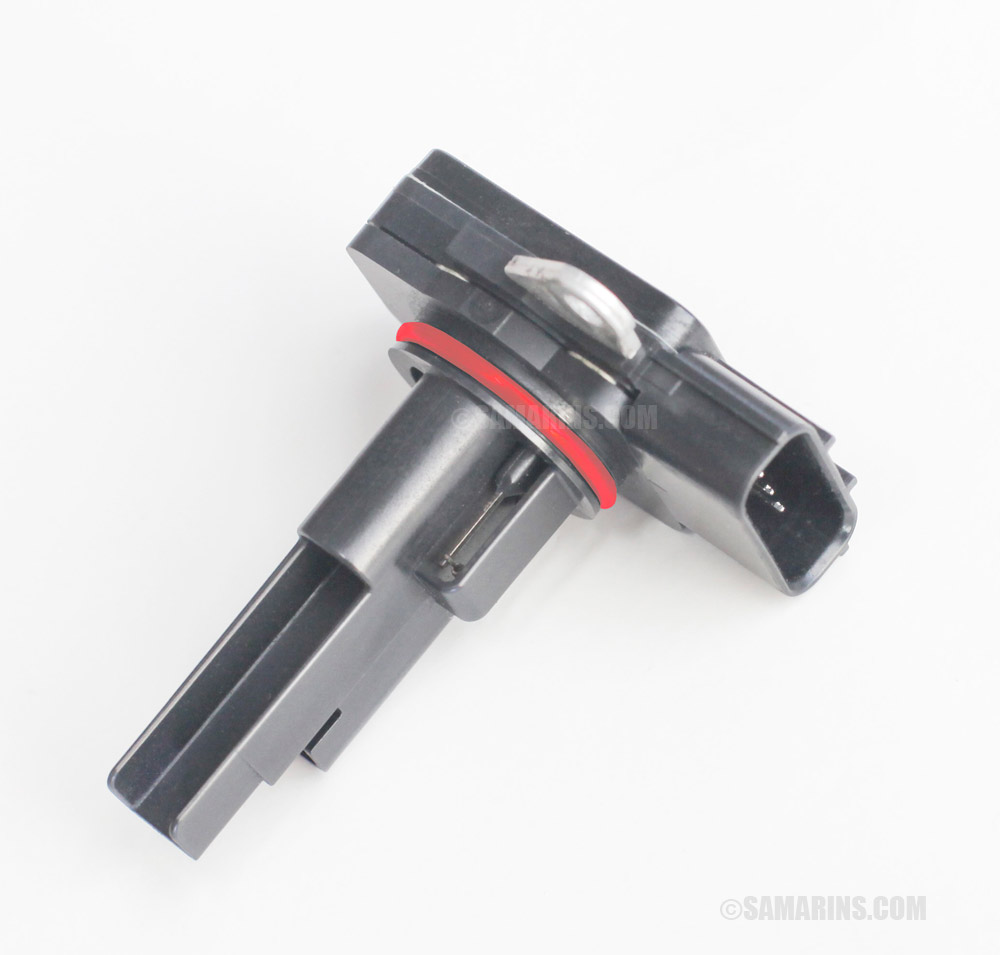
- Cleaning: Depending on the application and the type of fluid being measured, the sensor’s sensing elements may accumulate deposits, debris, or contaminants. Periodic cleaning, following the manufacturer’s guidelines, is crucial. For thermal mass flow sensors, the heating elements can become fouled, affecting heat transfer. For Coriolis meters, blockages in the tubes can impede the fluid flow.
- Filter and Strainer Maintenance: If the system incorporates filters or strainers upstream of the sensor, these should be regularly inspected and cleaned or replaced to prevent debris from reaching and potentially damaging the sensor.
- Wiring and Connection Checks: Electrical connections to the sensor should be periodically checked for security, corrosion, or damage. Loose or corroded connections can lead to intermittent signal loss or erroneous readings.
- Software and Firmware Updates: For intelligent sensors with digital communication capabilities, ensuring that the firmware is up-to-date is important. Manufacturers may release updates to improve performance, add features, or address known issues.
- Record Keeping: Maintaining detailed records of all calibration and maintenance activities is essential. This documentation provides a history of the sensor’s performance, helps in troubleshooting, and is often required for regulatory compliance.
By diligently following these calibration and maintenance procedures, users can maximize the lifespan and ensure the consistent, accurate performance of their mass flow sensors, thereby safeguarding the integrity of critical technological processes.
aViewFromTheCave is a participant in the Amazon Services LLC Associates Program, an affiliate advertising program designed to provide a means for sites to earn advertising fees by advertising and linking to Amazon.com. Amazon, the Amazon logo, AmazonSupply, and the AmazonSupply logo are trademarks of Amazon.com, Inc. or its affiliates. As an Amazon Associate we earn affiliate commissions from qualifying purchases.