
The enchanting glimmer of a lightning bug, also known as a firefly, has captivated humans for millennia. These bioluminescent beetles are a quintessential symbol of summer evenings, their ephemeral light shows conjuring feelings of wonder and nostalgia. While their aerial ballets and luminous displays are widely admired, a fundamental question often remains unanswered: what sustains these tiny, glowing creatures? Delving into the dietary habits of lightning bugs reveals a fascinating world of predation, nutrient acquisition, and the crucial role they play within their ecological niches. Understanding their food sources is not merely an academic pursuit; it offers profound insights into the intricate web of life, the delicate balance of ecosystems, and the often-overlooked complexities of insect biology.

The Predatory Life of Larval Lightning Bugs
The larval stage of a lightning bug is arguably the most voracious and the most crucial period for its growth and development. Unlike the winged adults that often focus on reproduction and may even forgo feeding altogether, the larvae are dedicated hunters, transforming into efficient predators that consume a significant portion of their total life’s nourishment during this phase. Their diet is a stark contrast to the gentle image many associate with fireflies and highlights their essential role as pest controllers within their habitats.
A Diet of Slugs and Snails: The Primary Prey
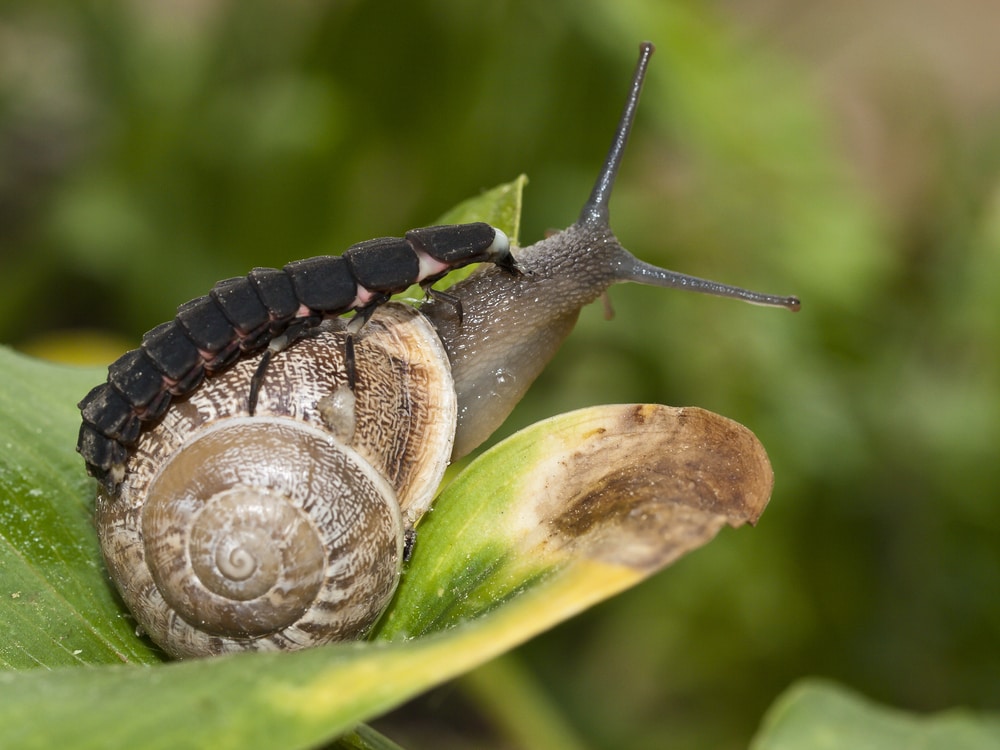
The cornerstone of most lightning bug larval diets consists of terrestrial gastropods, primarily slugs and snails. These soft-bodied invertebrates are an abundant and easily accessible food source for many lightning bug species. The larvae, equipped with specialized mouthparts, are adept at subduing their prey. Their mandibles are not designed for chewing but rather for piercing and injecting a paralyzing toxin and digestive enzymes. This dual action immobilizes the slug or snail and begins the process of liquefying its internal tissues, allowing the larva to consume its meal externally, much like a spider. This predatory strategy is remarkably effective, and a single lightning bug larva can consume dozens of slugs and snails throughout its developmental period.
The Specialized Hunting Apparatus
The success of lightning bug larvae as predators is directly linked to their specialized anatomical features. Their elongated, flattened bodies allow them to navigate the moist leaf litter and soil where their prey resides. Their mouthparts are particularly noteworthy. They possess sharp, hollow mandibles that can be inserted into the soft bodies of slugs and snails. Upon piercing the prey, the larva injects a cocktail of neurotoxins that quickly paralyze the victim. Following paralysis, digestive enzymes are secreted, breaking down the snail or slug’s tissues into a digestible liquid. The larva then siphons this nutrient-rich fluid, a process akin to external digestion. This sophisticated hunting mechanism underscores the evolutionary adaptations that have allowed lightning bugs to thrive as effective predators.
Beyond Gastropods: A Diverse but Less Common Menu
While slugs and snails form the bulk of their diet, some lightning bug larvae exhibit a more diverse predatory range, especially in environments where their preferred prey is scarce. This opportunistic feeding behavior allows them to adapt to varying ecological conditions and ensures survival.
Earthworms and Other Invertebrates
In certain habitats, earthworms can also become a significant food source for lightning bug larvae. While earthworms are more muscular and offer a greater challenge than slugs or snails, the larvae possess the necessary tools to overcome them. Other small invertebrates, such as insect larvae, millipedes, and even other soft-bodied arthropods, can occasionally be consumed, though these are generally considered secondary food items. The availability of these alternative prey species is often dictated by the specific microhabitat and the overall biodiversity of the area.
Cannibalistic Tendencies
Perhaps one of the more surprising aspects of lightning bug larval diet is their potential for cannibalism. In conditions of extreme food scarcity or high population density, larger or more developed larvae may prey upon smaller or weaker individuals of their own species. This is a common survival strategy in many insect populations and ensures that at least some individuals can reach adulthood by utilizing readily available, albeit unfortunate, resources. This behavior, while seemingly harsh, is a testament to the relentless drive for survival and reproduction within the natural world.
Adult Lightning Bugs: A Shift in Priorities
The adult stage of a lightning bug’s life is a period of dramatic transformation, both in appearance and in dietary focus. Having undergone metamorphosis and developed wings, their primary objective shifts from growth and sustenance to reproduction. This transition often leads to a significant reduction, and in many species, a complete cessation of feeding.
The Non-Feeding Phenomenon: Focus on Reproduction
A remarkable number of adult lightning bug species are non-feeders. Their sole purpose during their relatively short adult lives is to find a mate and reproduce. They rely entirely on the energy reserves accumulated during their larval stages to fuel their flight, courtship rituals, and egg-laying. This strategy allows them to maximize their reproductive output without the energetic costs and risks associated with foraging. Their lifespan as adults can vary greatly, from a few days to several weeks, depending on the species and environmental conditions.
The Role of Energy Reserves
The success of non-feeding adult lightning bugs hinges on the efficiency of their larval development. A well-nourished larva will have sufficient fat reserves and stored energy to support the metabolic demands of adult life. These reserves are crucial for powering the complex chemical reactions that produce their characteristic bioluminescence, which is essential for attracting mates. Without adequate larval feeding, an adult lightning bug would lack the energy to fly, flash, or even survive long enough to reproduce.
Opportunistic Feeders: Nectar and Other Sugars
While many adult lightning bugs do not eat, a select few species have adapted to supplement their energy needs by consuming liquids, primarily nectar. These species are often found in environments where nectar sources are abundant, such as meadows and flowering fields. Their feeding apparatus is adapted for lapping up sugary fluids, providing them with the necessary energy for flight and mating displays.
Nectar as a Fuel Source
For those adult lightning bugs that do feed, nectar serves as a readily available and high-energy fuel source. The sugars in nectar provide the necessary carbohydrates to power their bioluminescent signals and flight. These species may actively seek out flowers, using their visual cues and potentially their olfactory senses to locate nectar-rich blooms. This opportunistic feeding behavior allows them to extend their adult lifespan and increase their chances of successful reproduction, particularly in challenging environmental conditions.
Other Liquid Supplements
In addition to nectar, some adult lightning bugs have been observed to occasionally imbibe dew or other sources of liquid. While not a significant nutritional source, these liquids can help with hydration and, in some cases, may contain trace minerals. The primary focus, however, remains on the sugary energy provided by nectar, if available.
Ecological Significance: Lightning Bugs as Indicators and Regulators
The dietary habits of lightning bugs, both in their larval and adult stages, underscore their vital role within their ecosystems. They are not merely passive inhabitants but active participants that influence the populations of other organisms and serve as indicators of environmental health.
Pest Control Agents
The voracious appetite of lightning bug larvae for slugs and snails makes them invaluable natural pest control agents. In agricultural settings and gardens, these larvae can significantly reduce populations of these common garden pests, thereby protecting crops and ornamental plants. Their presence can therefore reduce the need for chemical pesticides, contributing to more sustainable and environmentally friendly practices.
Natural Regulation of Gastropod Populations
By consistently preying on slugs and snails, lightning bug larvae help to maintain a natural balance within their habitats. Without these predators, gastropod populations could potentially escalate, leading to damage to vegetation and an imbalance in the local food web. The feeding habits of lightning bugs contribute to the resilience and stability of their ecosystems.
Bioindicators of Environmental Health
The sensitivity of lightning bugs to environmental changes, particularly to light pollution and habitat degradation, makes them excellent bioindicators. Their reliance on specific habitats for breeding and foraging, and their susceptibility to pesticides and artificial light, means that their presence and abundance can signal the overall health of an ecosystem.
Sensitivity to Habitat and Pesticide Use
Areas with declining lightning bug populations may indicate a loss of suitable habitat, such as the destruction of wetlands or forests, or the excessive use of pesticides that can harm both the larvae and their prey. Observing changes in firefly numbers can therefore prompt investigations into local environmental stressors and inform conservation efforts.
The Impact of Light Pollution
Perhaps one of the most significant threats to lightning bugs today is light pollution. Their bioluminescent communication is disrupted by artificial light sources, interfering with their ability to find mates. This disruption directly impacts their reproductive success and can lead to population declines. Therefore, the presence of a healthy lightning bug population often correlates with areas of lower light pollution and more intact natural environments.

Conclusion: A Tiny Predator with a Big Impact
The question of what a lightning bug eats, while seemingly simple, opens a window into a complex and vital aspect of their life cycle and ecological role. From the relentless predatory larvae consuming slugs and snails to the reproduction-focused, and sometimes nectar-sipping, adults, their dietary habits are intricately linked to their survival and the health of their environments. Understanding these feeding patterns not only satisfies our curiosity about these magical insects but also highlights their crucial contributions as natural pest controllers and sensitive indicators of ecosystem well-being. As we continue to observe the captivating dance of their lights, it is important to remember the powerful, and often unseen, work they perform both as predators and as a testament to the delicate balance of the natural world.
aViewFromTheCave is a participant in the Amazon Services LLC Associates Program, an affiliate advertising program designed to provide a means for sites to earn advertising fees by advertising and linking to Amazon.com. Amazon, the Amazon logo, AmazonSupply, and the AmazonSupply logo are trademarks of Amazon.com, Inc. or its affiliates. As an Amazon Associate we earn affiliate commissions from qualifying purchases.