
In an increasingly complex and interconnected world, the ability to communicate effectively, build relationships, and bridge gaps between disparate entities has never been more crucial. This is precisely the domain of a liaison. Far from being a mere messenger, a liaison is a critical facilitator, an interpreter, and a strategic connector whose role is to foster understanding, promote collaboration, and ensure alignment between individuals, teams, departments, or even entire organizations. They are the human middleware, ensuring that systems, ideas, and people can speak the same language, even if their native dialects are worlds apart.
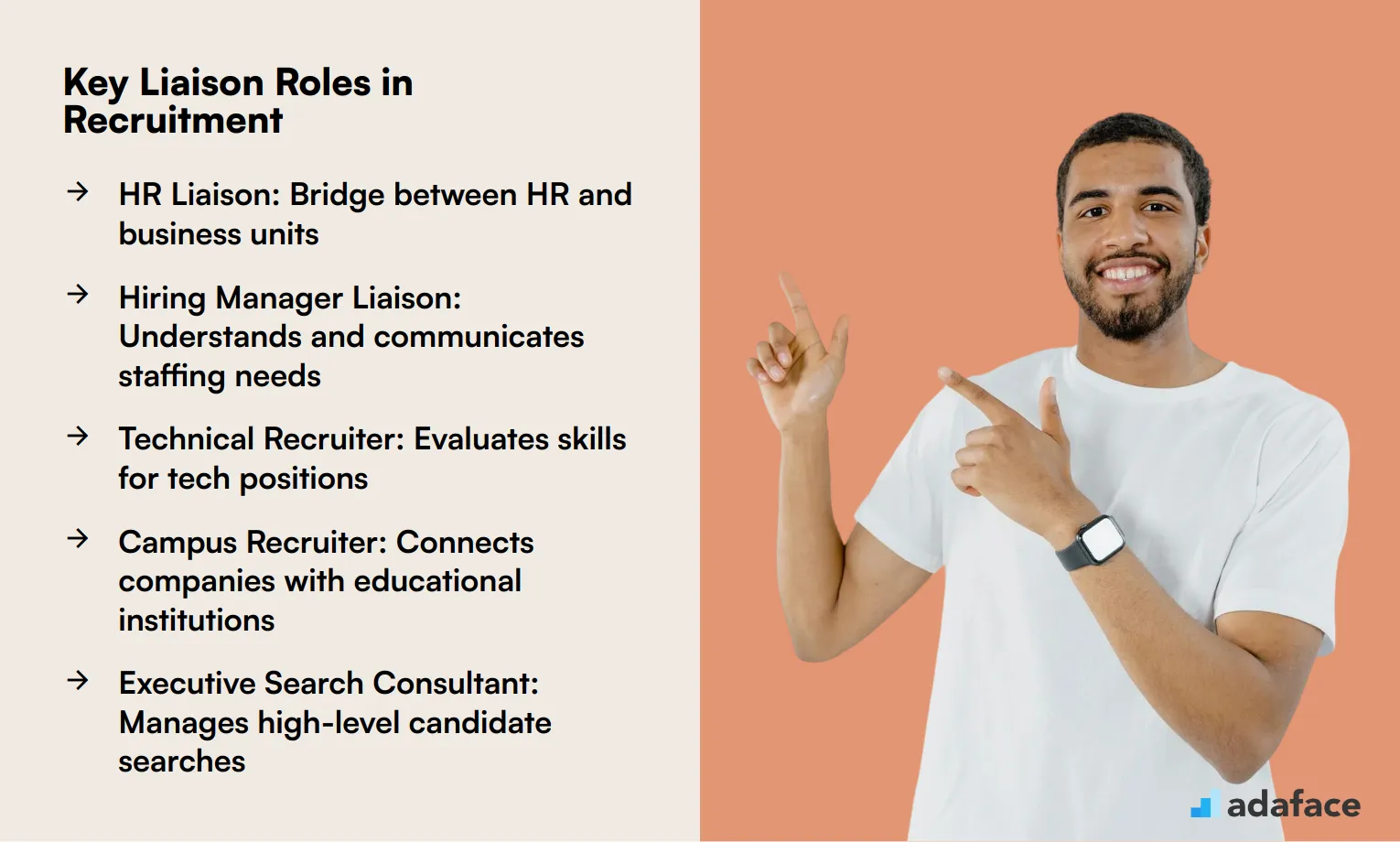
At its core, the term “liaison” originates from the French word for “binding” or “connection,” and this etymology perfectly encapsulates the essence of the role. A liaison is the binding agent that holds diverse elements together, enabling them to function as a cohesive whole. Whether operating within a single organization or across multiple external partners, their objective remains consistent: to ensure smooth information flow, mitigate misunderstandings, resolve conflicts, and drive towards common goals. In a business landscape dominated by rapid technological advancement, intricate brand strategies, and dynamic financial markets, the need for skilled liaisons is not just important—it is indispensable. They are the architects of harmony, translating specialized jargon into actionable insights and fostering environments where innovation and progress can thrive.
The Core Role of a Liaison: Bridging Gaps and Fostering Understanding
The foundational premise of a liaison’s existence is the presence of a gap—a divide in communication, understanding, objectives, or culture between two or more parties. The liaison steps into this void, acting as a living bridge to ensure that these separated entities can effectively interact and cooperate. Their work is fundamentally about fostering understanding, building trust, and driving consensus, turning potential friction points into pathways for progress.
Defining the Liaison Function
A liaison’s responsibilities are multifaceted, but they generally revolve around a few key pillars. Firstly, they are communication conduits. They gather information from one party, synthesize it, and then effectively convey it to another, often translating complex technical, financial, or strategic concepts into terms accessible to all stakeholders. This isn’t just about relaying messages; it’s about interpreting nuances, addressing unspoken concerns, and ensuring that the intent behind the communication is fully grasped.
Secondly, liaisons are often problem-solvers and negotiators. When disagreements arise or objectives diverge, they step in to mediate, identify common ground, and guide parties towards mutually beneficial solutions. Their ability to remain impartial yet empathetic allows them to navigate delicate situations and build bridges even when initial positions seem entrenched.
Thirdly, they are relationship builders. A successful liaison invests heavily in cultivating trust and rapport with all parties involved. They understand that strong personal connections facilitate smoother collaboration and more effective problem-solving. This involves active listening, demonstrating reliability, and showing a genuine commitment to the success of all stakeholders. They are often the ‘face’ or the ‘voice’ of one entity to another, representing interests while simultaneously understanding the needs of the counterpart.
Essential Skills for a Successful Liaison
To excel in this demanding role, a liaison must possess a unique blend of soft and hard skills. Exceptional communication skills are paramount, encompassing not only verbal and written fluency but also the ability to listen actively, ask pertinent questions, and adapt communication styles to different audiences. A tech liaison, for instance, must be able to explain intricate software architecture to a marketing executive, while a brand liaison might need to articulate creative vision to a finance team.
Emotional intelligence is another critical trait. Liaisons frequently navigate emotionally charged situations, managing expectations, dealing with frustrations, and recognizing underlying motivations. Their ability to read a room, understand non-verbal cues, and manage their own emotions is vital for maintaining productive dialogues.
Furthermore, conflict resolution and negotiation abilities are essential. Liaisons often find themselves in the middle of differing opinions or competing priorities. Their skill in de-escalating tensions, identifying root causes, and facilitating win-win outcomes is invaluable. This requires a strong sense of diplomacy, patience, and strategic thinking.
Finally, a certain degree of domain knowledge related to the areas they are connecting is often necessary. While they don’t need to be experts in every field, understanding the basic principles of technology, branding, or finance empowers them to ask the right questions, interpret information accurately, and gain credibility with the specialized teams they are supporting. Without this foundational understanding, their ability to translate and connect effectively would be severely hampered.
Liaisons in the Tech Sphere: Driving Innovation and Collaboration
In the fast-paced world of technology, where innovation is constant and specialization runs deep, liaisons play an indispensable role in ensuring that technical prowess translates into tangible business value. They are the vital links that connect code to strategy, developers to users, and cutting-edge research to market reality.
Facilitating Tech Development and Integration
One of the most common applications of a liaison role in tech is bridging the gap between highly specialized development teams and business stakeholders. Developers often speak in terms of APIs, algorithms, and frameworks, while business leaders focus on market share, ROI, and user experience. A tech liaison acts as an interpreter, translating complex technical requirements and constraints into business implications, and vice versa. They ensure that product roadmaps align with business objectives, manage expectations regarding development timelines, and communicate the impact of technical decisions on the broader organization. This function is crucial for preventing scope creep, ensuring resource allocation efficiency, and delivering products that genuinely meet market needs.
Beyond internal teams, liaisons are also critical in integrating various external tech partners and vendors. As companies increasingly rely on a mosaic of third-party software, cloud services, and specialized consultants, a liaison ensures smooth interoperability, manages service level agreements (SLAs), and facilitates technical communication between disparate systems and teams. They might coordinate API integrations, troubleshoot compatibility issues, and ensure that external contributions seamlessly fit into the internal technological ecosystem.
Navigating Digital Transformation and AI Adoption
The ongoing wave of digital transformation and the rapid adoption of artificial intelligence tools present another fertile ground for liaison roles. Organizations often struggle to integrate new technologies effectively, not due to technical limitations, but due to a lack of understanding or resistance from non-technical departments. A digital transformation liaison helps bridge this divide. They work with technical teams to understand the capabilities and limitations of new platforms (e.g., cloud migration, AI/ML tools) and then collaborate with business units to identify use cases, manage pilot programs, and develop training strategies. They help demystify AI, explain its ethical implications, and showcase its potential benefits in practical terms, facilitating smoother adoption and mitigating fear or skepticism.
Their role also extends to ensuring that the human element is not overlooked in the drive for automation. They might act as a champion for user experience, gathering feedback from employees or customers interacting with new digital tools and relaying it back to the technical teams for iterative improvements. This ensures that technology serves human needs rather than creating new frustrations.
Cybersecurity and Data Privacy Liaisons
With the increasing sophistication of cyber threats and the ever-evolving landscape of data privacy regulations (like GDPR and CCPA), the role of a cybersecurity or data privacy liaison has become paramount. These individuals act as crucial intermediaries between highly technical security teams, legal departments, and operational business units.
The technical security team might understand the intricacies of network vulnerabilities, encryption protocols, and threat intelligence, but not necessarily the legal jargon or the daily operational impact of their recommendations. Conversely, legal teams might grasp the nuances of compliance but lack the technical understanding to assess risk effectively. The liaison translates legal requirements into actionable technical tasks and explains complex security measures in terms relevant to business operations. They ensure that security protocols don’t unduly impede productivity, that data handling practices comply with regulations, and that the entire organization understands its role in maintaining a secure digital environment. This specialized liaison helps organizations navigate the complex interplay of technology, law, and business ethics, ensuring robust protection and regulatory adherence.
Liaisons in Brand Management: Shaping Identity and Reputation

Brand is more than just a logo; it’s the sum total of perceptions, experiences, and emotions associated with an entity. In today’s hyper-connected and reputation-driven world, managing a brand effectively requires seamless coordination across numerous internal departments and external stakeholders. This is where brand liaisons become invaluable, acting as the custodians of consistency, clarity, and credibility.
Connecting Internal and External Brand Narratives
A strong brand is built from the inside out. For a brand to resonate externally, it must first be understood and embraced internally. A brand strategy liaison ensures that the core values, mission, and brand guidelines are not just documents but living principles understood and acted upon by every employee, from product development to customer service. They might conduct internal workshops, develop communication toolkits, and facilitate cross-departmental meetings to ensure alignment. When all employees understand and embody the brand, it leads to a more authentic and consistent customer experience.
Externally, brand liaisons are instrumental in translating the internal brand strategy into compelling and consistent messages for the market. They coordinate efforts between marketing, sales, product, and public relations teams to ensure a unified voice across all touchpoints—be it advertising campaigns, social media content, product packaging, or customer interactions. They safeguard the brand’s integrity, ensuring that all outward communications reinforce the desired identity and messaging, preventing fragmentation or conflicting narratives that can dilute brand impact.
Public Relations and Media Liaisons
In the realm of public relations (PR), the liaison role is fundamental. A PR or media liaison is the primary point of contact between an organization and the external media landscape, including journalists, bloggers, influencers, and industry analysts. Their core function is to manage relationships, disseminate information, and proactively shape public perception.
This involves crafting compelling press releases, coordinating media interviews, organizing press conferences, and managing media inquiries. They are skilled storytellers who understand how to package news and information in a way that is newsworthy and appealing to different media outlets. Crucially, they also serve as crisis communicators, acting as the official voice of the organization during challenging times, providing accurate information, managing public perception, and mitigating reputational damage. Their ability to build trust with media professionals is paramount, as positive relationships can significantly impact a brand’s visibility and reputation.
Personal Branding and Stakeholder Engagement
Beyond corporate branding, liaisons also play a role in personal branding, particularly for executives, thought leaders, or public figures. They help individuals define their unique value proposition, craft their narrative, and connect with their target audience through various platforms. A personal branding liaison might manage speaking engagements, ghostwrite articles, curate social media presence, or connect the individual with relevant networks, ensuring that their personal brand aligns with their professional objectives and enhances their credibility.
Furthermore, within the broader context of brand, liaisons are essential for stakeholder engagement. This involves building and maintaining relationships with key groups who have an interest in or can influence the brand, such as investors, regulatory bodies, community groups, or strategic partners. A stakeholder liaison ensures that their concerns are heard, their questions answered, and their support garnered for the organization’s initiatives. They represent the brand’s interests while simultaneously understanding and addressing the diverse needs of these critical external parties, ensuring long-term positive relationships and a supportive environment for the brand to flourish.
Liaisons in the Money Domain: Navigating Financial Landscapes
The world of finance is characterized by intricate regulations, complex instruments, and dynamic markets. Effective communication and collaboration are paramount to managing capital, mitigating risk, and achieving financial objectives. Liaisons in the money domain serve as critical connectors, ensuring clarity and alignment across financial products, investment strategies, and corporate financial health.
Financial Product Liaisons
In the vast ecosystem of financial services, financial product liaisons play a crucial role in bridging the gap between sophisticated financial instruments and their end-users. Within financial institutions, these liaisons connect the product development teams (who design complex investment vehicles, insurance policies, or banking services) with the sales and marketing teams (who need to explain these products to clients). They translate technical financial jargon into understandable language, provide training on product features and benefits, and gather market feedback to inform future product enhancements. This ensures that products are not only technically sound but also marketable and responsive to client needs.
Externally, a financial product liaison might work directly with clients, explaining intricate investment strategies, dissecting portfolio performance, or clarifying the terms and conditions of a loan. Their ability to simplify complexity and build trust is vital, helping clients make informed decisions and fostering long-term relationships based on transparency and understanding. They act as educators, advisors, and advocates, ensuring that clients fully comprehend the financial vehicles they are engaging with.
Investment Relations and Stakeholder Communication
For publicly traded companies, the Investment Relations (IR) liaison is a strategic and highly specialized role. The IR liaison is the primary interface between the company’s management and the investment community, including institutional investors, individual shareholders, financial analysts, and regulatory bodies.
Their core responsibility is to communicate the company’s financial performance, strategic vision, and growth prospects accurately and transparently. This involves preparing quarterly earnings reports, conducting analyst calls, organizing investor presentations, and responding to inquiries from the financial press. The IR liaison must be adept at both financial analysis and public communication, translating complex financial data into compelling narratives that instill confidence and attract investment. They play a critical role in managing investor expectations, building a positive reputation within the financial markets, and ensuring compliance with disclosure regulations. A successful IR liaison helps to ensure fair valuation of the company’s stock and fosters long-term shareholder loyalty.
Business Finance and Cross-Departmental Collaboration
Within any organization, especially large enterprises, the finance department often has its own specialized language and priorities. Business finance liaisons act as crucial connectors between the central finance function and other operational departments like sales, marketing, human resources, and product development.
Their role involves translating financial targets and constraints into actionable insights for non-finance teams. For instance, a finance liaison might work with the sales department to explain budget allocations for marketing campaigns, or with the R&D team to justify investment in new technologies based on projected ROI. They ensure that operational decisions are made with a clear understanding of their financial implications, promoting fiscal responsibility and strategic resource allocation across the entire organization. By fostering a common financial understanding, these liaisons help departments align their activities with the company’s overarching financial goals, contributing to overall profitability and sustainable growth. They might facilitate cost-benefit analyses, provide financial modeling support, and monitor departmental spending against budgets, ensuring accountability and efficient use of capital.

Fintech Integration and Financial Literacy
The rise of financial technology (Fintech) has created new needs for liaisons who can bridge the gap between traditional financial services and innovative digital solutions. A Fintech integration liaison might work within a bank to onboard new financial software, connecting technical developers with operational staff and legal teams to ensure seamless implementation and compliance. They help organizations leverage new tools for online banking, mobile payments, blockchain applications, or AI-driven financial analytics, translating technical capabilities into practical business advantages.
Furthermore, in a broader societal context, liaisons contribute to financial literacy. These individuals or groups work to simplify complex financial concepts for the general public, helping people understand personal finance, investing, debt management, and wealth creation. They might be educators, community organizers, or digital content creators who act as a bridge between specialized financial knowledge and everyday individuals, empowering them to make better financial decisions.
In conclusion, the role of a liaison, though often behind the scenes, is fundamental to the smooth functioning and success of any modern organization, particularly within the dynamic spheres of technology, branding, and finance. From translating technical jargon into business strategy, to ensuring consistent brand messaging across diverse platforms, to simplifying complex financial instruments for stakeholders, liaisons are the indispensable architects of communication and collaboration. They foster understanding where there might be confusion, build trust where there might be skepticism, and forge connections where there might be fragmentation. As businesses continue to grow in complexity and specialization, the need for these human bridges—skilled in communication, empathy, and strategic thinking—will only intensify, cementing their position as vital enablers of innovation, reputation, and financial prosperity.
aViewFromTheCave is a participant in the Amazon Services LLC Associates Program, an affiliate advertising program designed to provide a means for sites to earn advertising fees by advertising and linking to Amazon.com. Amazon, the Amazon logo, AmazonSupply, and the AmazonSupply logo are trademarks of Amazon.com, Inc. or its affiliates. As an Amazon Associate we earn affiliate commissions from qualifying purchases.