
The humble jock strap. For many, it’s a staple of athletic wear, a piece of seemingly simple fabric and elastic. Yet, beneath its unassuming exterior lies a sophisticated application of material science, biomechanical engineering, and ergonomic design – hallmarks of the broader field of sports technology. While we often associate “tech” with circuits and screens, the innovation and optimization of equipment that enhances human performance and safety is a critical, and often overlooked, facet of technological advancement. Understanding what a jock strap does is to understand its role as a technological intervention in the physical demands of sports. It’s not just about comfort; it’s about mitigating risk, improving stability, and ultimately, enabling athletes to perform at their peak. This exploration will delve into the technological principles behind the jock strap, examining its design evolution, material innovations, and its crucial function in safeguarding the male athlete.

The Biomechanical Imperative: Understanding the Forces at Play
At its core, the function of a jock strap is rooted in understanding the biomechanics of the male anatomy during physical exertion. Intense activity, particularly involving rapid movements, impacts, and torsional forces, places significant stress on the groin region. The primary technological challenge addressed by the jock strap is to manage these forces effectively and prevent injury.
Anatomy of Strain: Identifying the Vulnerabilities
The male anatomy in the pelvic region presents unique vulnerabilities. The scrotum and testicles are external, relatively unprotected organs susceptible to injury from direct impact, jarring motions, and sudden changes in momentum. These can range from discomfort and bruising to more severe conditions like testicular torsion, a medical emergency where the spermatic cord twists, cutting off blood supply. Understanding these inherent anatomical risks is the foundational biomechanical insight that drives the design of protective athletic gear. The jock strap is engineered to create a containment and support system that counteracts these stresses.
Force Dispersion and Impact Mitigation
The primary technological function of a jock strap is to act as a dynamic support system. When the body experiences impact or sudden deceleration (like landing after a jump, or during contact sports), a significant amount of force is transmitted through the skeletal and muscular systems. Without adequate support, these forces can be concentrated on the vulnerable tissues of the groin. The jock strap, through its design and the materials it employs, works to:
- Containment: The pouch of the jock strap is designed to hold the scrotum and testicles in a relatively stable position, preventing excessive pendulum-like motion during activity. This reduces the risk of them snagging or becoming caught in awkward positions during sudden movements.
- Force Distribution: When an impact occurs, the jock strap doesn’t absorb the entire force, but rather helps to distribute it over a larger area of the thigh and lower abdomen. The elastic waistband and leg straps work in conjunction with the pouch to create a system that redirects and cushions some of the shock.
- Stabilization: By providing a consistent level of tension and support, the jock strap stabilizes the anatomical structures, reducing the jarring and shaking that can lead to discomfort and potential injury. This is particularly important in sports with repetitive high-impact movements, like running or jumping.
The effectiveness of these functions is a direct result of thoughtful engineering, drawing upon principles of physics and biomechanics to create a garment that actively interacts with the body to enhance protection.
Material Science Innovations: From Basic Fabric to Advanced Synthetics
The evolution of the jock strap is a testament to how advancements in material science have directly impacted athletic performance and safety. Early iterations were rudimentary, but modern designs leverage sophisticated fabrics and construction techniques to optimize their protective capabilities.
The Evolution of the Pouch: From Cotton to Compression Fabrics
The central component of a jock strap is its pouch. Historically, this was often made from basic cotton or cotton blends. While offering some breathability, these materials lacked the elasticity and supportive properties needed for high-impact sports. The transition to synthetic materials, particularly blends of polyester, nylon, and spandex (elastane), marked a significant technological leap.
- Stretch and Recovery: Spandex is crucial for its remarkable elasticity and ability to recover its shape after being stretched. This allows the pouch to conform to the body, providing a snug fit without restricting movement, while also offering a degree of supportive tension.
- Moisture Wicking: Modern performance fabrics are engineered to wick sweat away from the skin. This is vital for comfort and preventing chafing during prolonged activity. The technology behind these fibers allows moisture to move to the outer surface of the fabric, where it can evaporate more quickly.
- Durability and Breathability: Synthetics offer superior durability compared to natural fibers, resisting wear and tear from constant friction and washing. Furthermore, many performance fabrics are designed with specific weave patterns that enhance breathability, preventing overheating in sensitive areas.
The Role of the Waistband and Leg Straps: Engineered Tension
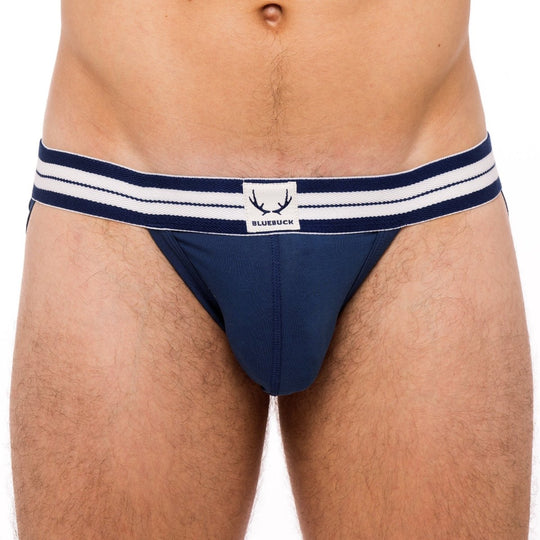
The waistband and leg straps are not merely decorative; they are engineered components that contribute significantly to the jock strap’s functionality.
- Elasticity and Compression: The elastic used in waistbands and leg straps is carefully chosen for its tensile strength and recovery properties. This provides consistent compression and support, keeping the pouch in place and applying gentle pressure that aids in stabilization. The width and thickness of the elastic are also important design considerations, balancing support with comfort and avoiding constriction.
- Seam Construction: The way seams are constructed also plays a role. Flatlock stitching, for instance, is a common technological application that minimizes friction and chafing by ensuring seams lie flat against the skin. This attention to detail in construction enhances the overall wearability and effectiveness of the garment.
- Integrated Support Systems: More advanced designs may incorporate integrated support systems within the pouch or straps, utilizing specific anatomical contours and targeted compression zones to provide enhanced stability and protection during dynamic movements. This can involve layered fabrics or strategically placed elastic panels.
The selection and integration of these materials represent a direct application of material science and textile engineering, transforming a simple garment into a piece of performance-enhancing athletic technology.
Beyond Basic Support: Advanced Features and Modern Applications
While the fundamental purpose of a jock strap remains consistent, modern athletic technology has introduced features and applications that enhance its protective capabilities and broaden its utility.
Anatomical Contouring and Ergonomic Design
The evolution from a simple pouch to ergonomically designed cups reflects a deeper understanding of human anatomy and biomechanics. Advanced jock straps feature:
- 3D Contouring: Many modern pouches are designed with a three-dimensional contour that more effectively cradles and supports the male anatomy. This is achieved through precise pattern cutting and the strategic use of elastic panels that conform to the natural shape of the body.
- Ventilation Channels: To combat heat and moisture buildup, some designs incorporate micro-perforations or mesh panels within the pouch and straps. These channels allow for increased airflow, promoting comfort and reducing the risk of skin irritation.
- Anatomical Pouch Placement: The precise placement and angle of the pouch are carefully considered to optimize support during various movements, from running and squatting to sudden stops and impacts. This involves detailed ergonomic studies to ensure the garment works with the body, not against it.
Integration with Protective Cups: The Shielding Technology
Perhaps the most significant technological advancement in jock strap functionality is its integration with protective cups. This combination is essential in many high-impact sports.
- Impact Absorption Technology: The protective cups themselves are engineered marvels. They are typically made from rigid or semi-rigid plastics, often with a layered structure or internal shock-absorbing materials. The outer shell is designed to deflect direct impact, while internal padding or cellular structures work to absorb and dissipate the remaining energy.
- Secure Retention Systems: The jock strap’s pouch and straps are crucial for securely holding the protective cup in place. Designs feature reinforced seams, sturdy elastic, and sometimes specialized slots or pockets to ensure the cup remains correctly positioned, even during extreme activity. A poorly positioned cup is ineffective, so the jock strap’s role in retention is a critical piece of its technological function.
- Customization and Fit: The ability to insert and remove different types of cups allows athletes to customize their level of protection based on the demands of their sport. This adaptability is a key aspect of its modern technological application. Sports that involve high risk of direct impact, like baseball, hockey, or martial arts, rely heavily on this integrated protection.
The Role in Injury Prevention and Performance Enhancement
The ultimate technological contribution of a jock strap lies in its dual role of injury prevention and subtle performance enhancement.
- Reducing Recurrence: For athletes recovering from groin-related injuries, a supportive jock strap can provide the necessary stability to allow for a gradual return to training, potentially reducing the risk of re-injury.
- Confidence and Focus: By providing a sense of security and reducing discomfort, the jock strap allows athletes to focus more on their performance and less on potential physical vulnerabilities. This psychological benefit, while not directly measurable, can be a significant factor in competitive success.
- Optimizing Movement: In some instances, the precise support and containment offered by a well-designed jock strap can subtly optimize biomechanics by reducing extraneous movement and ensuring a more efficient transfer of power during athletic actions.
In conclusion, the jock strap, far from being a basic undergarment, is a sophisticated piece of athletic technology. Its design, materials, and integration with other protective gear are all born from a deep understanding of biomechanics, material science, and ergonomic engineering. It serves as a crucial interface between the athlete’s body and the physical demands of sport, providing essential support, mitigating risk, and enabling peak performance.
aViewFromTheCave is a participant in the Amazon Services LLC Associates Program, an affiliate advertising program designed to provide a means for sites to earn advertising fees by advertising and linking to Amazon.com. Amazon, the Amazon logo, AmazonSupply, and the AmazonSupply logo are trademarks of Amazon.com, Inc. or its affiliates. As an Amazon Associate we earn affiliate commissions from qualifying purchases.