
In the landscape of modern automotive engineering, the internal combustion engine is often viewed as a mechanical beast. However, at its core, the modern vehicle is a sophisticated computer network on wheels. Among the myriad sensors, actuators, and processors that define the modern driving experience, the ignition coil stands as a pivotal piece of hardware. While its primary function—transforming low voltage into high voltage—remains rooted in 19th-century physics, the implementation of ignition technology has evolved into a high-tech discipline that bridges the gap between raw power and digital precision. Understanding what an ignition coil does requires looking past the grease and gears and into the realm of electromagnetic engineering and software-driven engine management.
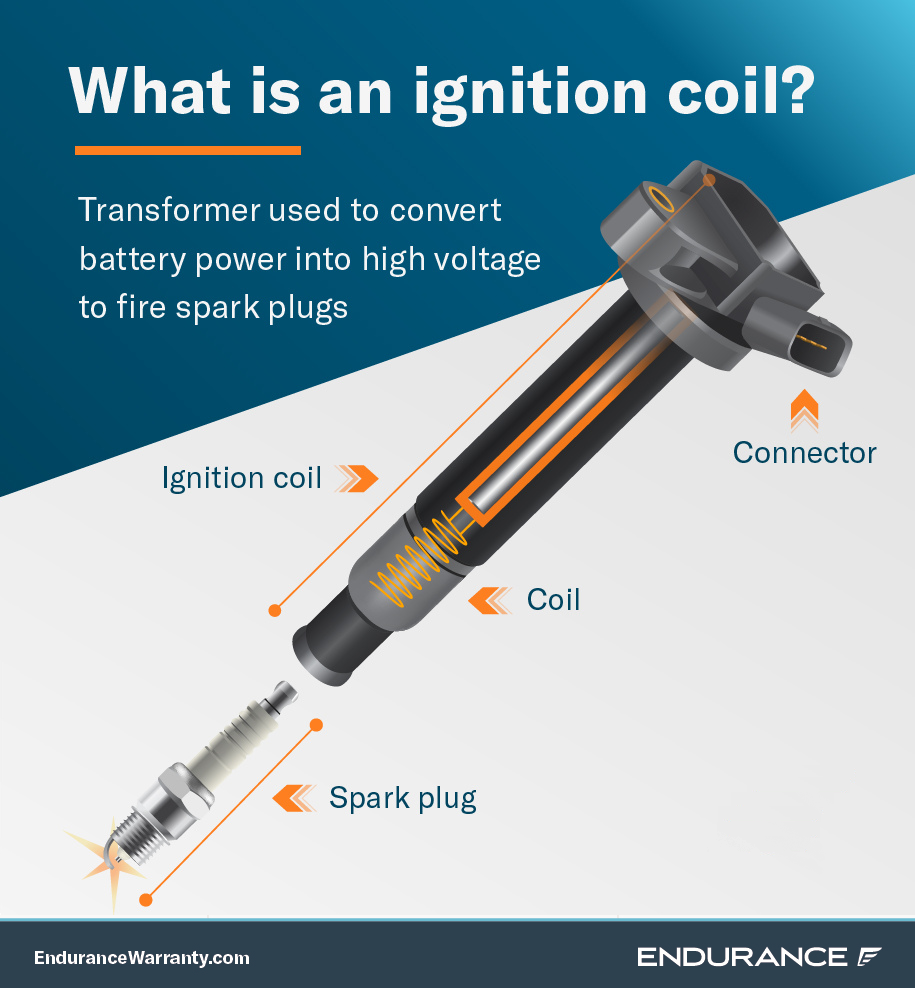
The Physics of Transformation: How an Ignition Coil Functions
At its most fundamental level, an ignition coil is a compact electrical transformer. Its job is to take the relatively weak 12 volts provided by a vehicle’s battery and amplify it into the thousands of volts required to bridge the gap of a spark plug, thereby igniting the air-fuel mixture. Without this massive surge of energy, combustion cannot occur, and the vehicle remains stationary.
Electromagnetic Induction: From 12 Volts to 30,000
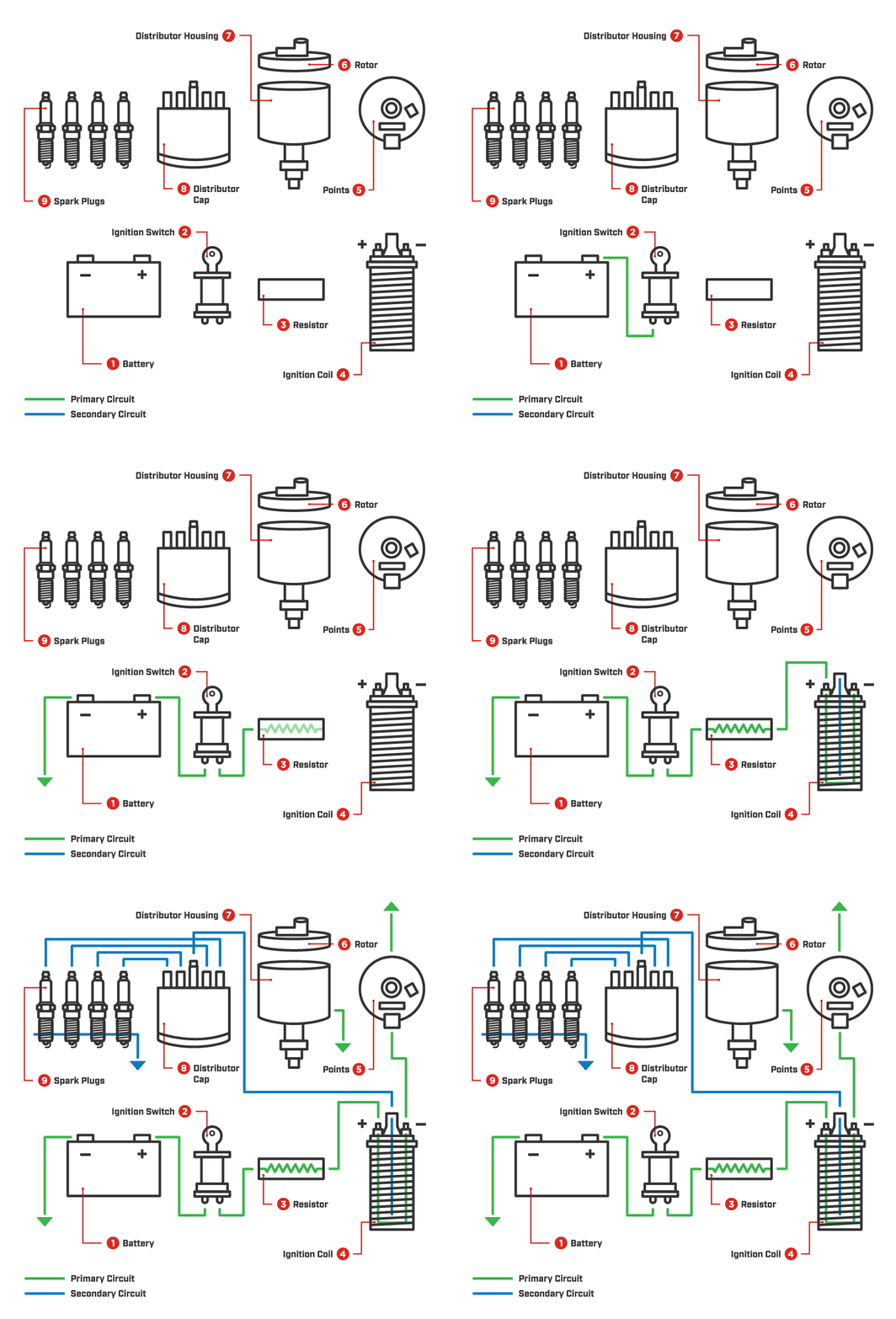
The operation of an ignition coil is a practical application of Faraday’s Law of Induction. The coil consists of two distinct wire windings: the primary and the secondary. When the engine’s management system allows current to flow through the primary winding, it creates a magnetic field. When that current is suddenly interrupted, the magnetic field collapses with incredible speed. This rapid collapse induces a high-voltage current in the secondary winding.
Modern tech-heavy engines require incredible precision in this area. A standard consumer vehicle might require between 20,000 and 30,000 volts to create an effective spark. High-performance engines, which operate under higher cylinder pressures, may require even more. The “tech” behind the coil is found in the material science of the core and the insulation that prevents this massive voltage from arcing prematurely within the engine bay.
The Role of Primary and Secondary Windings
The primary winding typically consists of a few hundred turns of relatively heavy wire. The secondary winding, however, contains thousands of turns of very fine wire. The ratio between these two sets of windings determines the multiplication of the voltage. In the digital age, the quality of these copper windings and the resin used to seal them is paramount. Any thermal degradation or microscopic fracturing of the insulation can lead to a “misfire,” a digital error that modern Engine Control Units (ECU) are programmed to detect and log instantly.
Integration with Engine Management Systems (ECU)
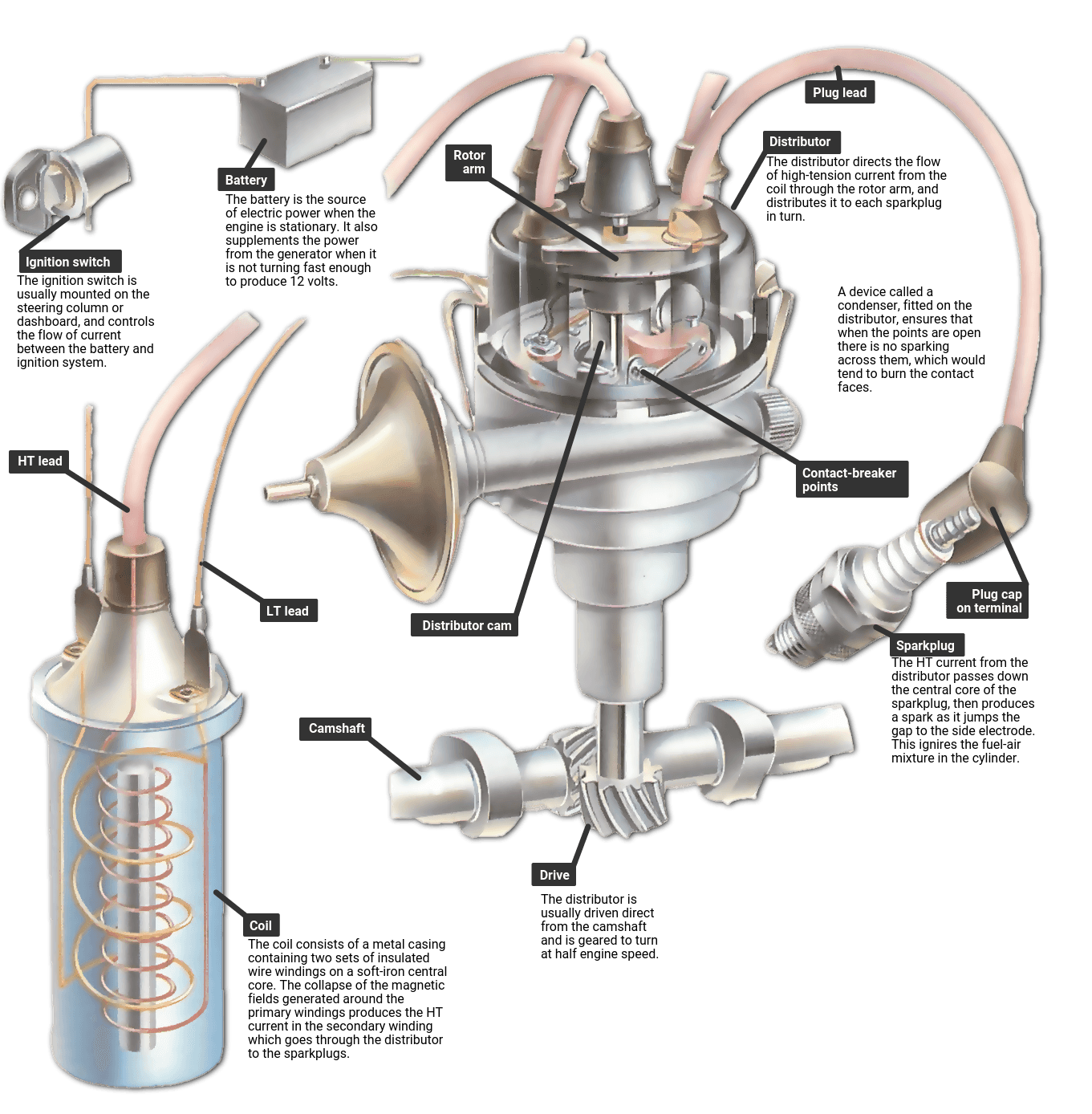
In older vehicles, the timing of the spark was controlled by mechanical distributors. Today, the ignition coil is a slave to the Engine Control Unit (ECU), the “brain” of the car. This transition from mechanical to digital control has allowed for unprecedented levels of engine efficiency and performance.
Digital Precision vs. Mechanical Timing
The ECU uses a variety of sensors—specifically the crankshaft and camshaft position sensors—to determine the exact millisecond an ignition coil needs to fire. This is not a static process. The “dwell time,” or the amount of time the coil is allowed to charge, is calculated in real-time based on engine RPM, load, and temperature.
This digital oversight allows for “spark advance” or “retard.” If the ECU detects “knock” (premature detonation) via acoustic sensors, it can digitally adjust the ignition coil’s firing sequence in a fraction of a second to protect the engine. This level of software-hardware integration is what allows modern 4-cylinder engines to produce the horsepower that was once reserved for massive V8 engines.
Sensor Feedback Loops and Adaptive Spark
Modern ignition technology also utilizes feedback loops. Some advanced systems use “ion sensing” technology, where the ignition coil itself acts as a sensor after the spark has fired. By measuring the electrical resistance across the spark plug gap immediately after combustion, the coil can send data back to the ECU regarding the quality of the burn. This turns the ignition coil from a simple “dumb” transformer into a sophisticated data-input device, allowing the engine to adapt its performance for different fuel qualities and atmospheric conditions.
Modern Iterations: Coil-on-Plug (COP) Technology
The most significant tech shift in ignition hardware over the last two decades is the move from a single central coil to Coil-on-Plug (COP) systems. In a COP setup, each cylinder has its own dedicated ignition coil sitting directly atop the spark plug.
Reducing Energy Loss through Design
Traditional ignition systems used long, thick rubber wires to carry high-voltage current from a central source to the plugs. These wires were prone to resistance, energy loss, and electromagnetic interference (EMI). By placing the coil directly on the plug, automotive engineers have eliminated the need for spark plug wires entirely.
This design minimizes energy dissipation, ensuring that the maximum amount of voltage reaches the combustion chamber. Furthermore, by distributing the workload across multiple coils, each individual coil has more time to “reset” and cool down between firing cycles. This is a critical technological advantage in high-RPM engines where the windows for electrical charging are incredibly narrow.
Diagnostic Intelligence and Error Reporting
COP technology is deeply integrated into the vehicle’s On-Board Diagnostics (OBD-II) system. In a tech-centric vehicle, if a single winding in one coil begins to fail, the ECU identifies the specific cylinder and generates a unique fault code (such as P0301). This diagnostic intelligence allows technicians to use data-logging software to visualize the performance of the ignition system in real-time, often spotting a failing coil before the driver even notices a change in engine feel. This predictive capability is a hallmark of modern automotive technology.
The Future of Ignition Tech: Beyond Traditional Spark
As the automotive industry leans toward electrification, the ignition coil is also undergoing a high-tech transformation to keep internal combustion engines relevant in a world of strict emission standards and hybrid powertrains.
Plasma Ignition and High-Efficiency Combustion
The next frontier in ignition technology involves moving beyond a simple electrical arc to “transient plasma ignition.” Instead of a single spark, researchers are developing coils that create a burst of plasma. This tech ensures a more complete combustion of the fuel, which significantly reduces emissions and increases fuel economy. While still in the advanced testing phases for consumer vehicles, this represents a massive leap in electrical engineering, requiring coils that can handle even higher frequencies and faster discharge rates than current COP systems.
Connectivity and Predictive Maintenance
As cars become more connected (the Internet of Things or IoT), the data generated by the ignition system is being used for predictive maintenance. Future iterations of ignition coils may be able to transmit their health status to the cloud via the car’s cellular connection. Fleet managers or individual owners could receive notifications on their smartphones indicating that “Coil #3 is showing 15% degradation in thermal resistance,” allowing for a replacement before a breakdown occurs.
This transition from a simple mechanical component to a data-generating node in a wider network highlights the “Tech” niche of the ignition coil. It is no longer just a part that helps a car start; it is a sophisticated electrical component that operates at the intersection of physics, software engineering, and digital diagnostics.
Conclusion
The humble ignition coil is a masterclass in how legacy technology can be reimagined for the digital age. By serving as the bridge between the 12-volt battery and the violent, high-pressure environment of the combustion chamber, it enables the very existence of the modern engine. Through its integration with the ECU, its evolution into Coil-on-Plug designs, and its future as a plasma-generating, data-connected sensor, the ignition coil remains one of the most vital “gadgets” in the automotive world. For any tech enthusiast, it represents the perfect synergy of electrical engineering and software-driven performance.
aViewFromTheCave is a participant in the Amazon Services LLC Associates Program, an affiliate advertising program designed to provide a means for sites to earn advertising fees by advertising and linking to Amazon.com. Amazon, the Amazon logo, AmazonSupply, and the AmazonSupply logo are trademarks of Amazon.com, Inc. or its affiliates. As an Amazon Associate we earn affiliate commissions from qualifying purchases.