
The traditional image of a biomedical scientist often involves a solitary figure in a white lab coat peering through a microscope. While the biological fundamentals remain, the modern landscape of biomedical science has undergone a radical digital transformation. Today, what biomedical science “does” is as much about high-performance computing, artificial intelligence, and sophisticated software engineering as it is about cellular biology. We are currently witnessing the convergence of the “dry lab” (computational) and the “wet lab” (biological), creating a tech-driven ecosystem that is accelerating the pace of human health innovation at an exponential rate.
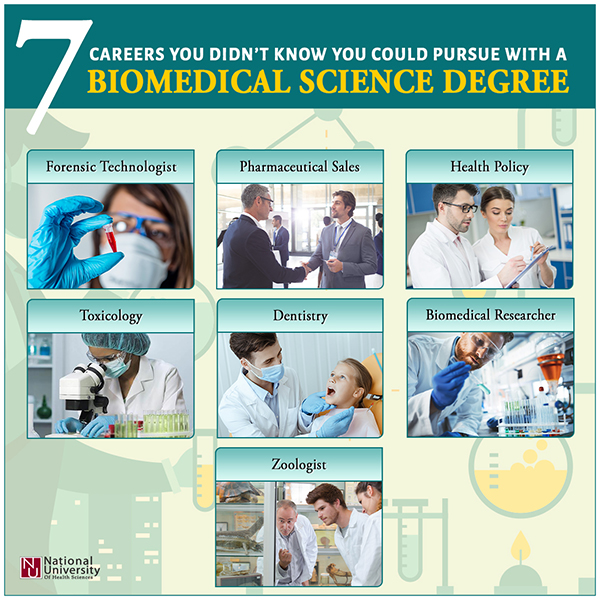
In this niche exploration, we examine the technological infrastructure of biomedical science, focusing on the software tools, hardware gadgets, and digital security frameworks that define the field today.
The Intersection of Big Data and Bioinformatics
At its core, modern biomedical science is an information science. The human genome contains approximately 3 billion base pairs of DNA, and analyzing this vast amount of information requires more than human intuition; it requires robust tech stacks and sophisticated algorithms.
High-Throughput Sequencing and Data Analysis
Bioinformatics is the software-driven backbone of the biomedical world. What a biomedical scientist does today often involves using platforms like Illumina or Oxford Nanopore to sequence genetic material. These hardware devices generate terabytes of raw data that must be processed through complex bioinformatics pipelines. Tools like BWA (Burrows-Wheeler Aligner) and GATK (Genome Analysis Toolkit) allow scientists to map sequences and identify mutations. Without the “Tech” aspect—specifically the cloud computing power of AWS or Google Cloud—processing this volume of biological data would take decades rather than days.
Cloud-Based Lab Management Systems (LIMS)
The era of the paper notebook is ending. Biomedical science now operates within Laboratory Information Management Systems (LIMS). These are sophisticated SaaS (Software as a Service) platforms that track every reagent, sample, and data point within a facility. By utilizing LIMS, labs ensure data integrity and reproducibility. These systems integrate with automated liquid handling robots, allowing for a seamless flow of data from the physical experiment to the digital database. This digital workflow is essential for “scaling” science, enabling labs to run thousands of tests simultaneously with minimal human error.
Artificial Intelligence and Machine Learning in Biomedicine
If bioinformatics provides the data, Artificial Intelligence (AI) and Machine Learning (ML) provide the insight. One of the most significant things biomedical science does today is leverage neural networks to solve problems that were previously considered “uncomputable.”
AI-Driven Drug Discovery and Protein Folding
Perhaps the most famous recent tech breakthrough in the field is AlphaFold, developed by Google’s DeepMind. For fifty years, the “protein folding problem”—predicting the 3D shape of a protein from its amino acid sequence—was a bottleneck in medical research. Through deep learning, AlphaFold has predicted the structures of nearly all known proteins. Biomedical scientists now use this AI tool as a foundational gadget in their digital toolkit to design new drugs. Instead of years of trial and error in a physical lab, researchers use “in silico” (computer-based) modeling to simulate how a drug molecule will interact with a target protein, drastically reducing the cost and time of pharmaceutical development.
Computer Vision in Diagnostic Imaging
Another critical tech application is the use of computer vision algorithms to assist in diagnostics. Biomedical science now involves training AI models to recognize patterns in MRI scans, X-rays, and pathology slides. These AI tools can often detect early-stage cancers or neurological markers with a level of precision that exceeds the human eye. By utilizing frameworks like TensorFlow or PyTorch, biomedical technologists are building diagnostic assistants that can screen thousands of images per hour, flagging anomalies for human review and ensuring that no patient data is overlooked.
Engineering the Future: CRISPR and Synthetic Biology Tools
Biomedical science is moving beyond observing life to actively editing and engineering it. This transition is powered by software that treats DNA as “code” that can be programmed, debugged, and optimized.
The Software Side of CRISPR-Cas9
CRISPR-Cas9 is often described as a pair of molecular scissors, but the “Tech” side of gene editing is the software used to design the “guide RNA.” Tools like Benchling or CRISPR-DT allow scientists to simulate gene edits on a computer before ever touching a pipette. These platforms use predictive algorithms to identify potential “off-target” effects—instances where the gene editor might cut the wrong part of the genome. By using digital simulation tools, biomedical scientists can ensure the safety and efficacy of genetic therapies, turning the messy reality of biology into a precise engineering discipline.
Digital Twins and Clinical Simulations
A growing trend in the tech-biomed space is the creation of “Digital Twins.” This involves creating a virtual, computational model of a biological system—be it a single cell, an organ, or an entire human body. By using high-performance computing, scientists can run thousands of simulations on a Digital Twin to see how a specific patient might react to a new treatment. This use of “in silico” clinical trials is a massive technological leap, reducing the reliance on animal testing and providing a safer environment for testing experimental gadgets and therapies.
IoT, Wearables, and the Remote Biomedical Ecosystem
The reach of biomedical science has extended out of the laboratory and into the pockets and onto the wrists of the general population. The Internet of Things (IoT) has turned every smartphone and smartwatch into a biomedical data collection tool.
Biosensors and Real-Time Health Monitoring
Modern biomedical research heavily utilizes wearable technology. Gadgets like continuous glucose monitors (CGMs) and advanced smartwatches collect real-time biometric data—heart rate variability, blood oxygen levels, and even ECG patterns. Biomedical scientists use the APIs (Application Programming Interfaces) of these devices to gather massive longitudinal datasets. This “remote monitoring” tech allows for a more granular understanding of health and disease, shifting the focus from episodic clinical visits to continuous, data-driven health management.
Telemedicine and Distributed Research Frameworks
The software infrastructure of telemedicine has also changed what biomedical science does. Researchers can now conduct decentralized clinical trials. Using secure mobile apps and remote diagnostic tools, participants can provide data from their homes. This increases the diversity of datasets and allows for a more tech-integrated approach to public health. The backend of these systems relies on robust cloud architecture and real-time data synchronization, ensuring that research remains agile and responsive to emerging health trends.
Digital Security and Ethics in the Lab
As biomedical science becomes increasingly digital, it also becomes a target for cyber threats. Protecting the “code of life” is now a primary concern for the industry, making digital security a core component of the field.
Protecting Biometric and Genomic Data
Genomic data is the most personal information a human possesses. Unlike a credit card number, you cannot change your DNA if it is leaked. Therefore, what biomedical science does today includes a heavy focus on cybersecurity and data encryption. Labs must comply with rigorous digital standards like HIPAA in the US or GDPR in Europe. Advanced encryption techniques and “Zero Trust” security architectures are being implemented to ensure that when genetic data is uploaded to the cloud for analysis, it remains anonymous and secure from state-sponsored hackers or data brokers.
Blockchain for Medical Research Integrity
An emerging tech trend in the biomedical niche is the use of blockchain to ensure research integrity. One of the biggest challenges in science is the “reproducibility crisis.” By using decentralized ledgers (blockchain), labs can create an immutable record of their experimental data. When a result is published, other scientists can verify the data’s timeline and origin without the risk of tampering. This tech-based approach to transparency is rebuilding trust in scientific findings and ensuring that the digital records of our medical progress are both accurate and permanent.
Conclusion: The Siliconization of the Life Sciences
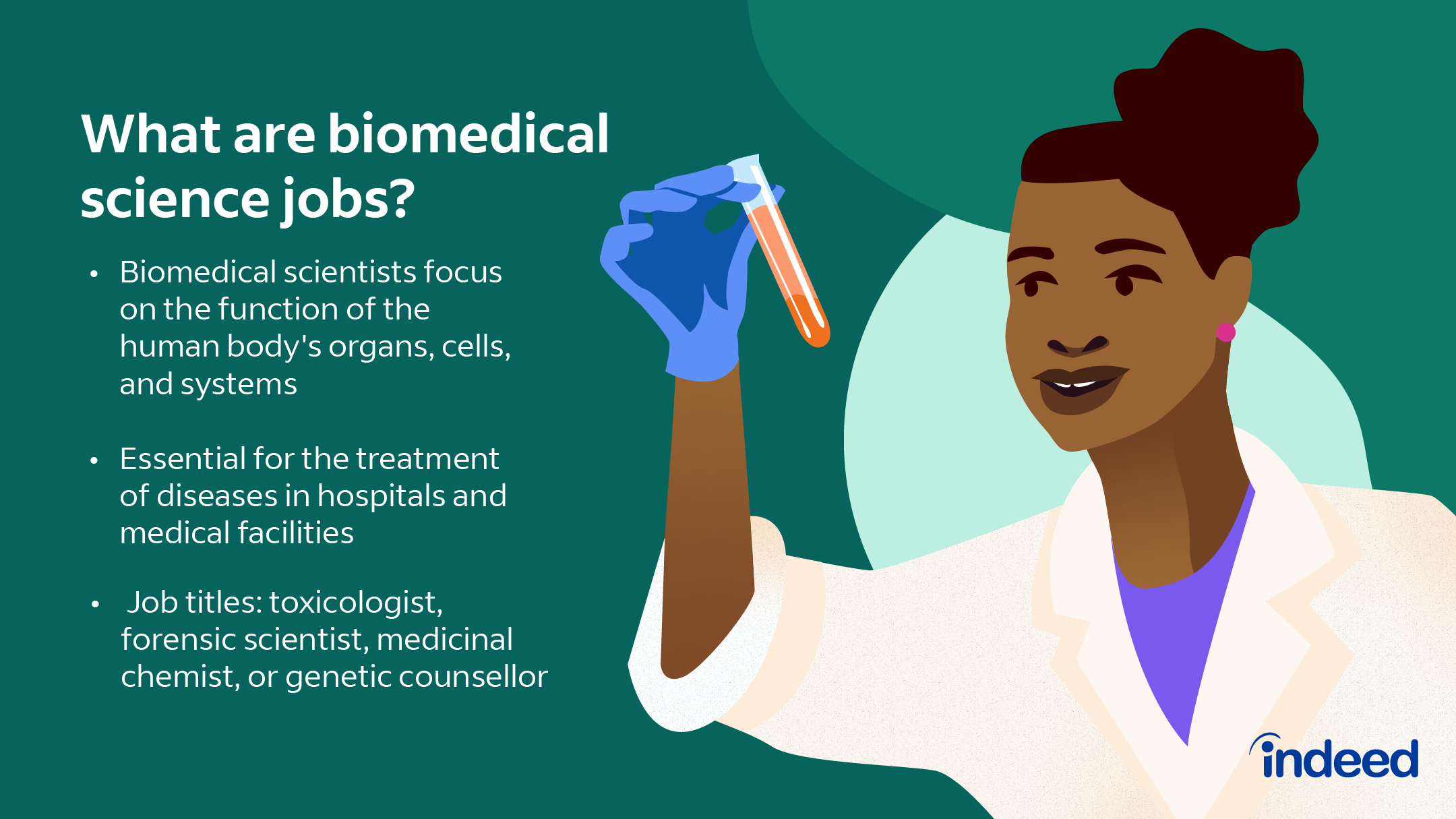
In summary, when we ask “what does a biomedical science do,” the answer is that it functions as a high-tech bridge between biological questions and digital solutions. It is no longer possible to separate the science from the software. From the AI models predicting protein structures to the blockchain securing genomic data, the field is a powerhouse of technological innovation.
As we look toward the future, the role of the biomedical scientist will continue to evolve into that of a “bio-digital engineer.” They will spend their time optimizing algorithms, managing cloud infrastructures, and leveraging the latest gadgets to decode the complexities of human life. For anyone interested in the cutting edge of technology, there is perhaps no more exciting or consequential niche than the digital evolution of biomedical science. Through the marriage of silicon and cell, we are finally unlocking the tools to program a healthier future.
aViewFromTheCave is a participant in the Amazon Services LLC Associates Program, an affiliate advertising program designed to provide a means for sites to earn advertising fees by advertising and linking to Amazon.com. Amazon, the Amazon logo, AmazonSupply, and the AmazonSupply logo are trademarks of Amazon.com, Inc. or its affiliates. As an Amazon Associate we earn affiliate commissions from qualifying purchases.