
The traditional image of a home health care nurse—carrying a black leather bag and a paper clipboard—has undergone a radical digital transformation. As the healthcare industry shifts toward decentralized, patient-centered models, the role of the home health care nurse is increasingly defined by their ability to navigate a sophisticated ecosystem of medical technology (MedTech). Today, what a home health care nurse “does” is as much about managing data and digital interfaces as it is about physical clinical intervention.
In the modern landscape, the home has become an extension of the hospital’s digital network. This evolution is driven by the convergence of the Internet of Medical Things (IoMT), Artificial Intelligence (AI), and advanced telecommunications. For a home health care nurse, technology is the primary tool that allows for hospital-level care to be delivered in a residential setting, ensuring safety, accuracy, and real-time communication with the broader medical team.
The Evolution of the Mobile Clinic: Essential Hardware and Remote Monitoring
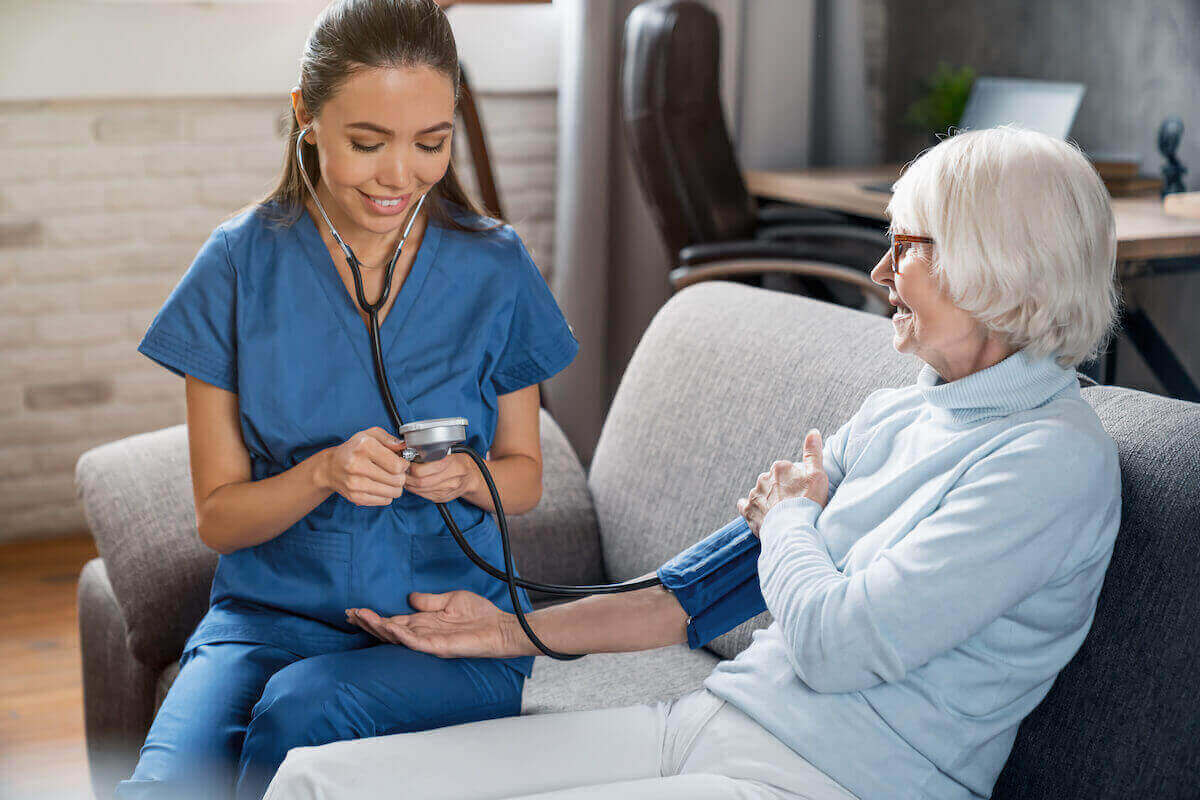
The primary function of a modern home health care nurse involves operating a “mobile clinic.” Unlike the static environment of a hospital, a nurse in the field must rely on portable, highly integrated hardware to monitor patient status. This technological shift has moved the role from intermittent check-ins to continuous, data-driven oversight.
Portable Diagnostic Tools and IoT Integration
The modern home health care nurse utilizes a suite of IoT-enabled diagnostic tools. This includes Bluetooth-connected stethoscopes, portable EKG monitors that sync directly to smartphones, and digital otoscopes. When a nurse performs an assessment, these tools do not just provide a momentary reading; they transmit data instantly to a centralized cloud. This integration ensures that the nurse can compare current readings with historical data trends in real-time, allowing for immediate identification of anomalies that might require a change in the care plan.
Wearable Tech and Continuous Vital Monitoring
A significant portion of what a home health care nurse does today involves managing and interpreting data from patient wearables. For patients with chronic conditions like congestive heart failure or COPD, the nurse sets up and monitors wearable sensors that track oxygen saturation, heart rate variability, and even gait stability. The nurse acts as the human interface for these devices, calibrating the technology and educating the patient on how to interact with the hardware. By leveraging these tech tools, the nurse transitions from a reactive caregiver to a proactive monitor, intervening the moment a wearable device flags a physiological red zone.
Telehealth and the Virtual Patient-Nurse Relationship
The rise of high-speed connectivity and 5G has fundamentally changed the communicative aspect of the home health care nurse’s job. Telehealth is no longer just a “video call”; it is a sophisticated platform for remote assessment and collaborative care.
Bridging the Distance with High-Definition Video Consultations
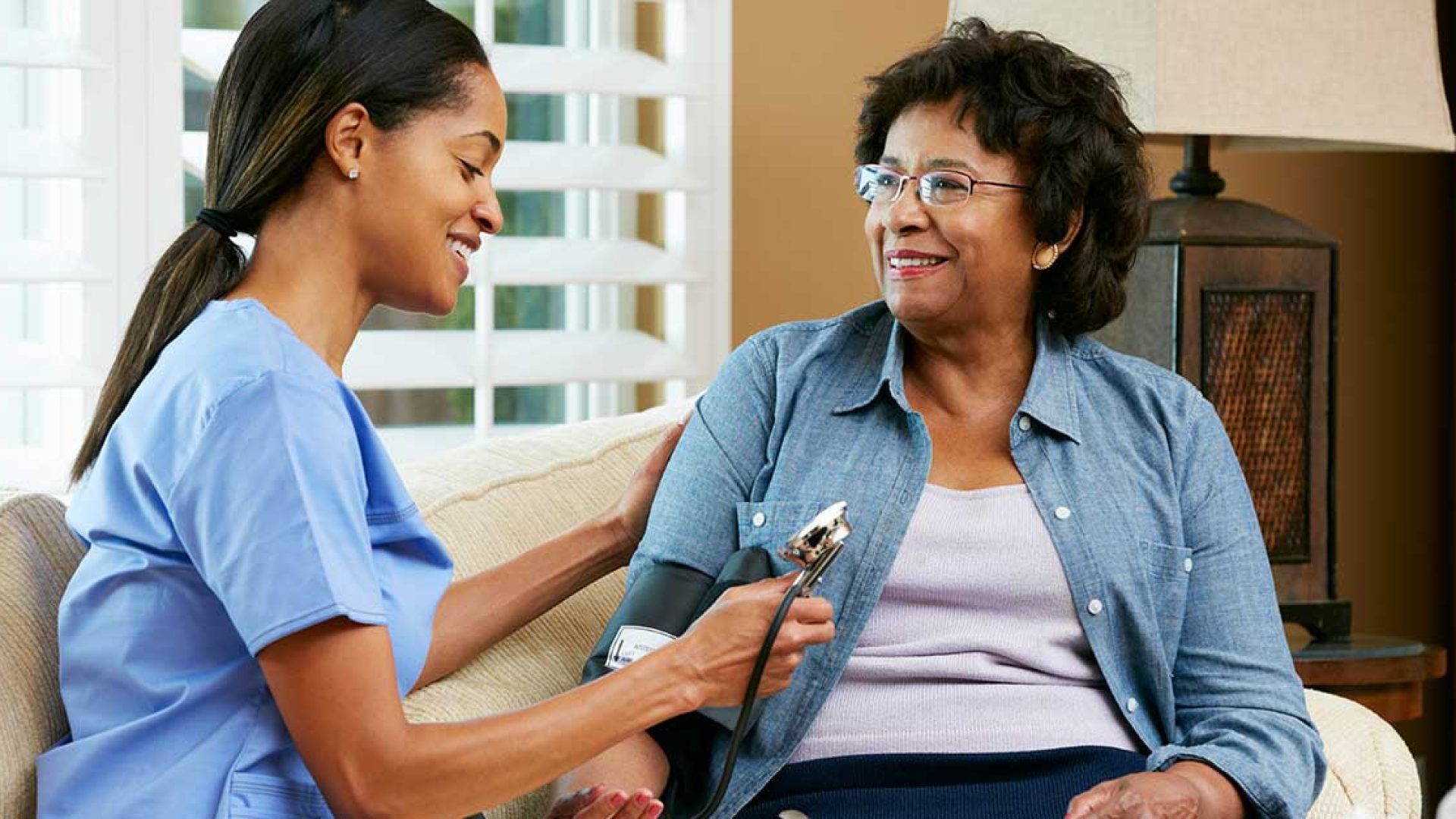
While the nurse is physically present in the home, they often act as the “hands and eyes” for a remote physician or specialist. Using high-definition video conferencing tools integrated into tablets, the nurse can facilitate a tripartite consultation. They use specialized cameras to show specialists wound healing progress or physical limitations in real-time. This tech-enabled collaboration reduces the need for the patient to be transported to a facility, which is often a significant financial and physical burden.
Digital Triage and Remote Assessment Protocols
Technology allows home health care nurses to perform digital triage. Before even arriving at a patient’s home, a nurse may review data uploaded by the patient via a dedicated health app. These apps often include “symptom checkers” and AI-driven chatbots that provide the nurse with a preliminary assessment. This allows the nurse to prioritize their daily route based on medical urgency rather than geographic convenience. The digital triage process optimizes the nurse’s time, ensuring that the most critical patients receive attention first.
Data Management and Electronic Health Records (EHR) in the Field
The administrative burden of nursing has historically been high, but modern software solutions are streamlining these tasks. For a home health care nurse, data management is a core competency that directly impacts patient outcomes and regulatory compliance.
Real-Time Documentation and Cloud-Based Coordination
The days of documenting visits at the end of a long shift are fading. Contemporary home health care nurses use specialized Electronic Health Record (EHR) software designed for mobile environments. These platforms allow for point-of-care documentation. As the nurse administers medication or cleans a wound, they record the action on a tablet. This data is instantly encrypted and uploaded to the cloud, making it available to the entire care team—including pharmacists, primary care doctors, and social workers. This real-time synchronization eliminates the “information silos” that often lead to medical errors.
Security and Privacy in the Age of Mobile Health Data
Because home health care nurses handle sensitive patient information on mobile devices, they are at the forefront of digital security. A significant part of their role involves adhering to strict cybersecurity protocols to remain HIPAA compliant. This includes using multi-factor authentication, encrypted messaging platforms for team communication, and secure VPNs when accessing patient records. The nurse is, in effect, a guardian of digital privacy, ensuring that the patient’s most intimate health data is protected from cyber threats while in transit.
Artificial Intelligence and Predictive Analytics in Home Care
Perhaps the most cutting-edge aspect of what a home health care nurse does involves interacting with Artificial Intelligence. AI is not replacing the nurse; rather, it is providing a “digital co-pilot” that enhances clinical decision-making.
Algorithmic Intervention: Predicting Health Declines
Modern home health care agencies are increasingly utilizing predictive analytics software. These algorithms analyze the massive amounts of data collected by the nurse (vitals, medication adherence, diet, and activity levels) to predict the likelihood of a hospital readmission. A home health care nurse uses these AI-generated “risk scores” to adjust their intervention strategies. For example, if an algorithm identifies a 15% increase in the risk of a fall based on subtle changes in a patient’s movement data, the nurse can proactively implement physical therapy or home safety modifications before an accident occurs.
Automated Scheduling and Resource Optimization
Behind the scenes, the nurse’s workflow is managed by sophisticated AI-driven logistics software. These tools calculate the most efficient routes, taking into account traffic, patient priority, and the specific skill set of the nurse. This technology ensures that nurses spend less time behind the wheel and more time with patients. For the nurse, this means a more manageable workload and a reduction in the burnout often associated with field-based roles. The tech-driven optimization of their schedule allows for a more focused and present caregiving experience.
The Future: Robotics and Smart Home Integration
Looking forward, the role of the home health care nurse will continue to expand into the realm of robotics and comprehensive smart home ecosystems. As smart homes become more prevalent, the nurse will manage integrated environments where “ambient sensing” technology—such as floor sensors that detect falls or smart mirrors that analyze skin tone for jaundice—becomes standard.
The home health care nurse of the future will likely oversee “care robots” that assist with patient mobility or medication dispensing. In this capacity, the nurse acts as the high-level technician and clinical strategist, managing a fleet of technological aids to ensure the patient remains safe and healthy in their own environment.
In conclusion, when asking “what does a home health care nurse do,” the answer is no longer confined to traditional clinical tasks. They are tech-savvy practitioners who bridge the gap between complex medical systems and the domestic environment. By mastering diagnostic hardware, telehealth platforms, cloud-based data management, and AI-driven analytics, the home health care nurse ensures that the future of medicine is not just high-tech, but also deeply personal and rooted in the home.
aViewFromTheCave is a participant in the Amazon Services LLC Associates Program, an affiliate advertising program designed to provide a means for sites to earn advertising fees by advertising and linking to Amazon.com. Amazon, the Amazon logo, AmazonSupply, and the AmazonSupply logo are trademarks of Amazon.com, Inc. or its affiliates. As an Amazon Associate we earn affiliate commissions from qualifying purchases.