
In the vast ecosystem of the financial world, commercial bankers serve as the essential bridge between capital and commerce. While investment bankers often dominate the headlines with high-profile mergers and initial public offerings, commercial bankers are the ones working in the trenches with the businesses that form the backbone of the economy. From local manufacturing plants to mid-sized technology firms and large corporate entities, commercial bankers provide the liquidity, strategic advice, and financial infrastructure necessary for these organizations to thrive, expand, and navigate economic cycles.
Understanding the role of a commercial banker requires looking past the simple act of lending money. It is a multifaceted profession that combines financial analysis, sales, risk management, and relationship building. A commercial banker is, at their core, a financial partner to the business community.
The Core Responsibilities: Beyond the Loan Application
The primary function of a commercial banker is to manage a portfolio of business clients, providing them with a suite of financial products and services tailored to their specific operational needs. However, the role is far more dynamic than sitting behind a desk reviewing balance sheets.
Relationship Management and Business Development
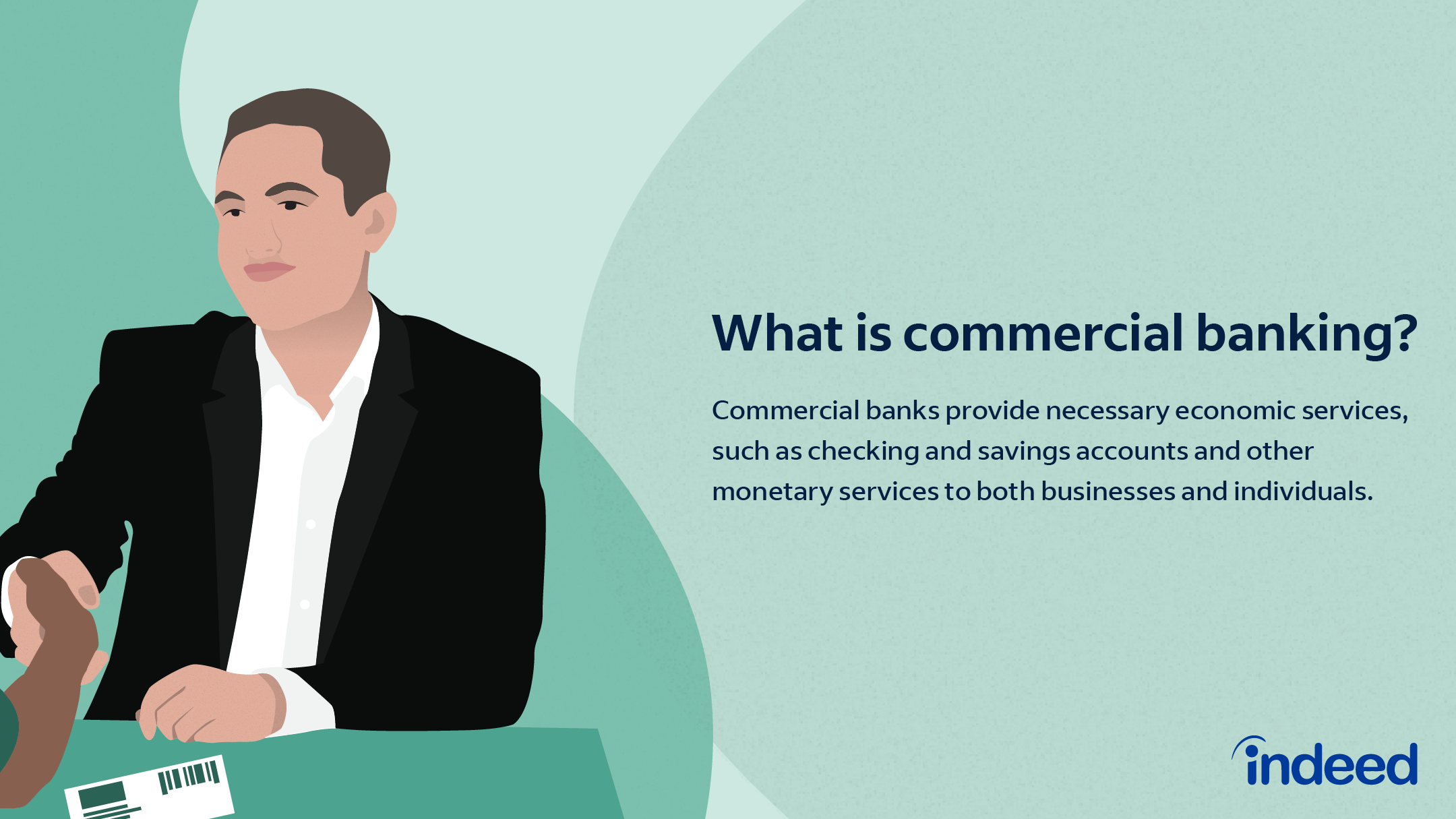
At the senior level, a commercial banker is often referred to as a Relationship Manager (RM). Their primary responsibility is to act as the face of the bank. This involves proactive business development—identifying companies that could benefit from the bank’s services and cultivating long-term partnerships with business owners, CFOs, and CEOs.
Success in this area requires a deep understanding of the client’s industry. A commercial banker working with a construction firm needs to understand bonding requirements and seasonal cash flow, while one working with a healthcare provider must grasp the nuances of insurance reimbursements. By becoming a “trusted advisor,” the banker ensures that the client views the bank not just as a source of capital, but as a strategic asset.
Credit Analysis and Risk Assessment
While the Relationship Manager focuses on the partnership, the technical heart of commercial banking lies in credit analysis. Before any money changes hands, a commercial banker must conduct a rigorous assessment of the borrower’s ability to repay.
This process involves “spreading” financial statements—analyzing income statements, balance sheets, and cash flow statements over a multi-year period. The banker looks for trends in profitability, leverage ratios, and liquidity. They evaluate the “Five Cs of Credit”:
-
Character: The reputation and track record of the business owners.
-
Capacity: The ability of the business to generate enough cash flow to service the debt.
-
Capital: The amount of skin the owners have in the game.
-
Collateral: The assets pledged to secure the loan.
-
Conditions: The external economic and industry environment.
Managing the Loan Portfolio
Once a loan is closed, the banker’s job is far from over. They must monitor the health of their portfolio continuously. This involves reviewing quarterly financial statements to ensure the company is adhering to “covenants”—financial performance benchmarks set in the loan agreement. If a business begins to struggle, the commercial banker works with them to restructure debt or find solutions to improve liquidity, acting as an early warning system for the bank’s risk management department.
Essential Products and Financial Solutions
Commercial bankers do not just offer generic “business loans.” They deploy a sophisticated array of financial tools designed to solve specific business problems. Understanding these products is central to what a commercial banker does daily.
Working Capital Lines of Credit
Most businesses face a timing gap between when they pay for raw materials and when they receive payment from customers. A commercial banker sets up working capital lines of credit to bridge this gap. These are revolving facilities that allow a company to borrow, repay, and borrow again as their inventory and accounts receivable fluctuate.
Term Loans and Equipment Financing
When a company needs to make a long-term investment—such as purchasing a new fleet of delivery trucks, upgrading a manufacturing line, or expanding an office space—the commercial banker structures a term loan. Unlike a revolving line of credit, these loans have a fixed repayment schedule, often spanning three to ten years, tailored to the useful life of the asset being financed.
Commercial Real Estate (CRE) Lending
Real estate is a significant component of many commercial banking portfolios. Bankers facilitate loans for the acquisition or development of owner-occupied properties (where the business operates out of the building) or investment properties (such as shopping centers or multi-family housing). These deals are often complex, requiring appraisals, environmental assessments, and detailed market analysis.
Treasury and Cash Management Services
Beyond lending, commercial bankers help businesses optimize their daily operations through treasury management. This includes setting up automated systems for collecting payments from customers (lockboxes and ACH), managing payroll, and implementing fraud prevention tools. In an era where digital security is paramount, the banker’s role in providing secure, efficient cash movement is more critical than ever.
The Technical and Soft Skills of a Commercial Banker
The role demands a rare blend of “hard” analytical skills and “soft” interpersonal skills. A successful banker must be as comfortable with a complex spreadsheet as they are at a networking dinner.
Financial Literacy and Quantitative Analysis
A commercial banker must be fluent in the language of finance. They need to understand how a change in inventory turnover affects cash flow or how a rise in interest rates might impact a client’s debt service coverage ratio. This requires proficiency in financial modeling and a keen eye for detail to spot red flags in a client’s audit report.
Sales and Negotiation
Because banking is a highly competitive industry, commercial bankers must be skilled salespersons. They are constantly competing with other banks on price (interest rates), structure (loan terms), and service. Negotiating a deal that is favorable enough to win the client’s business, yet conservative enough to satisfy the bank’s internal credit committee, is a delicate balancing act.
Communication and Strategic Thinking
A banker must be able to translate complex financial concepts into actionable advice for a business owner who may be an expert in engineering or retail but not in high-level finance. Furthermore, they must possess the strategic vision to look five years down the road to anticipate the challenges their clients might face, whether that involves succession planning for a family-owned business or preparing for an industry-wide downturn.
The Career Path and Evolution of the Role
The journey to becoming a senior commercial banker typically begins in an analytical role. Most entry-level professionals start as Credit Analysts, where they spend two to four years learning the fundamentals of financial statement analysis and loan documentation. This “back-office” training is essential for building the technical foundation required to make sound credit decisions.
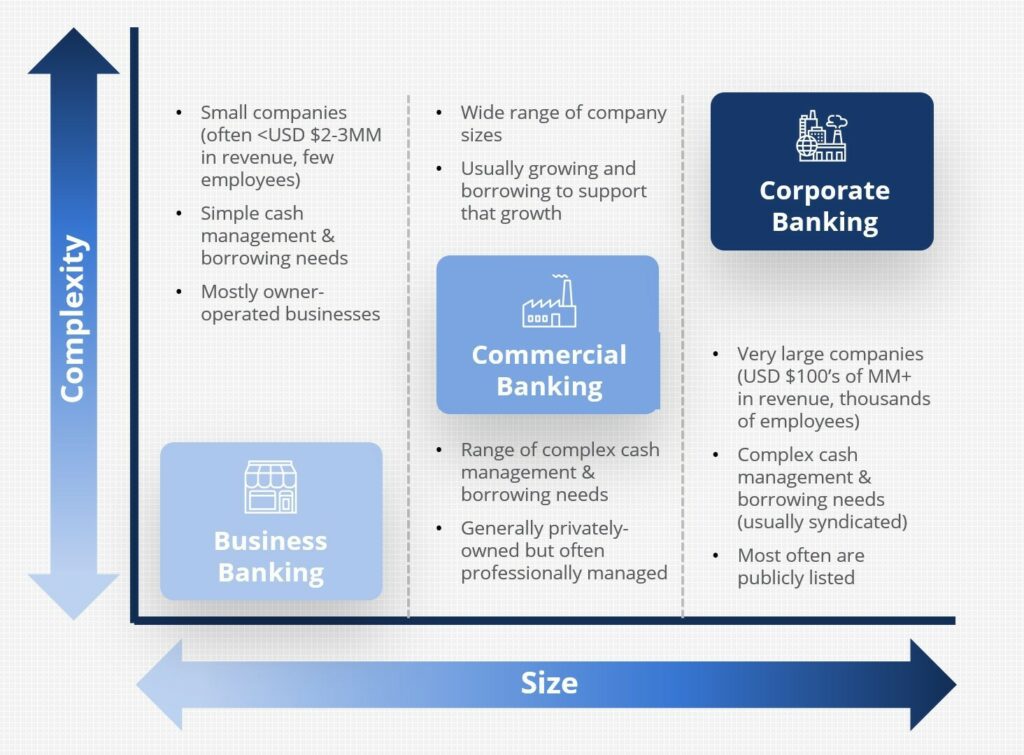
From there, an individual may move into a Portfolio Manager role, taking on more responsibility for existing clients, before eventually transitioning into a Relationship Manager position. Senior bankers often specialize in specific niches, such as “Middle Market” (companies with $50 million to $500 million in revenue), “Small Business,” or specialized industry groups like Agribusiness, Energy, or Technology.
The Impact of Technology
The profession is currently undergoing a significant transformation driven by financial technology (Fintech). Artificial intelligence and machine learning are increasingly used to automate the initial stages of credit scoring, especially for small business loans. This shift is changing what a commercial banker does by stripping away the more administrative and repetitive tasks.
However, technology has not replaced the need for human judgment. For mid-sized and large businesses, the complexities of their operations and the nuances of their market position cannot be captured by an algorithm alone. The modern commercial banker uses technology to gain faster insights, but they rely on their experience and relationships to make the final call on a multi-million dollar credit facility.

Why the Role Matters to the Economy
Without commercial bankers, the wheels of industry would turn much more slowly. When a local business wants to hire fifty more employees but lacks the cash to build a new facility, the commercial banker provides the capital that makes those jobs possible. When a manufacturer faces a sudden spike in raw material costs, the banker provides the liquidity that prevents a production halt.
By efficiently allocating capital to productive businesses and managing the risks associated with that lending, commercial bankers ensure that the economy remains resilient. They are the silent partners in every new warehouse built, every new product launched, and every local business that grows into a regional powerhouse.
In summary, a commercial banker is a hybrid professional: part financial analyst, part sales executive, and part strategic consultant. Their work requires a deep commitment to understanding the mechanics of business and a constant vigilance against risk. For those who enjoy the intersection of finance and real-world operations, it remains one of the most impactful careers in the financial services sector.
aViewFromTheCave is a participant in the Amazon Services LLC Associates Program, an affiliate advertising program designed to provide a means for sites to earn advertising fees by advertising and linking to Amazon.com. Amazon, the Amazon logo, AmazonSupply, and the AmazonSupply logo are trademarks of Amazon.com, Inc. or its affiliates. As an Amazon Associate we earn affiliate commissions from qualifying purchases.