
When an entrepreneur asks, “What does a business plan look like?” they are rarely asking about font choices or paper weight. Instead, they are inquiring about the architecture of a financial roadmap. In the world of business finance, a business plan is a structured document that demonstrates how an idea transforms into a profitable reality. It is the bridge between a conceptual side hustle and a scalable enterprise that attracts investors, secures loans, and manages cash flow effectively.
For those navigating the “Money” niche—whether you are a startup founder looking for venture capital or a solo entrepreneur organizing a side hustle—the business plan serves as your fiscal North Star. It outlines where the capital will come from, how it will be spent, and, most importantly, how it will multiply.
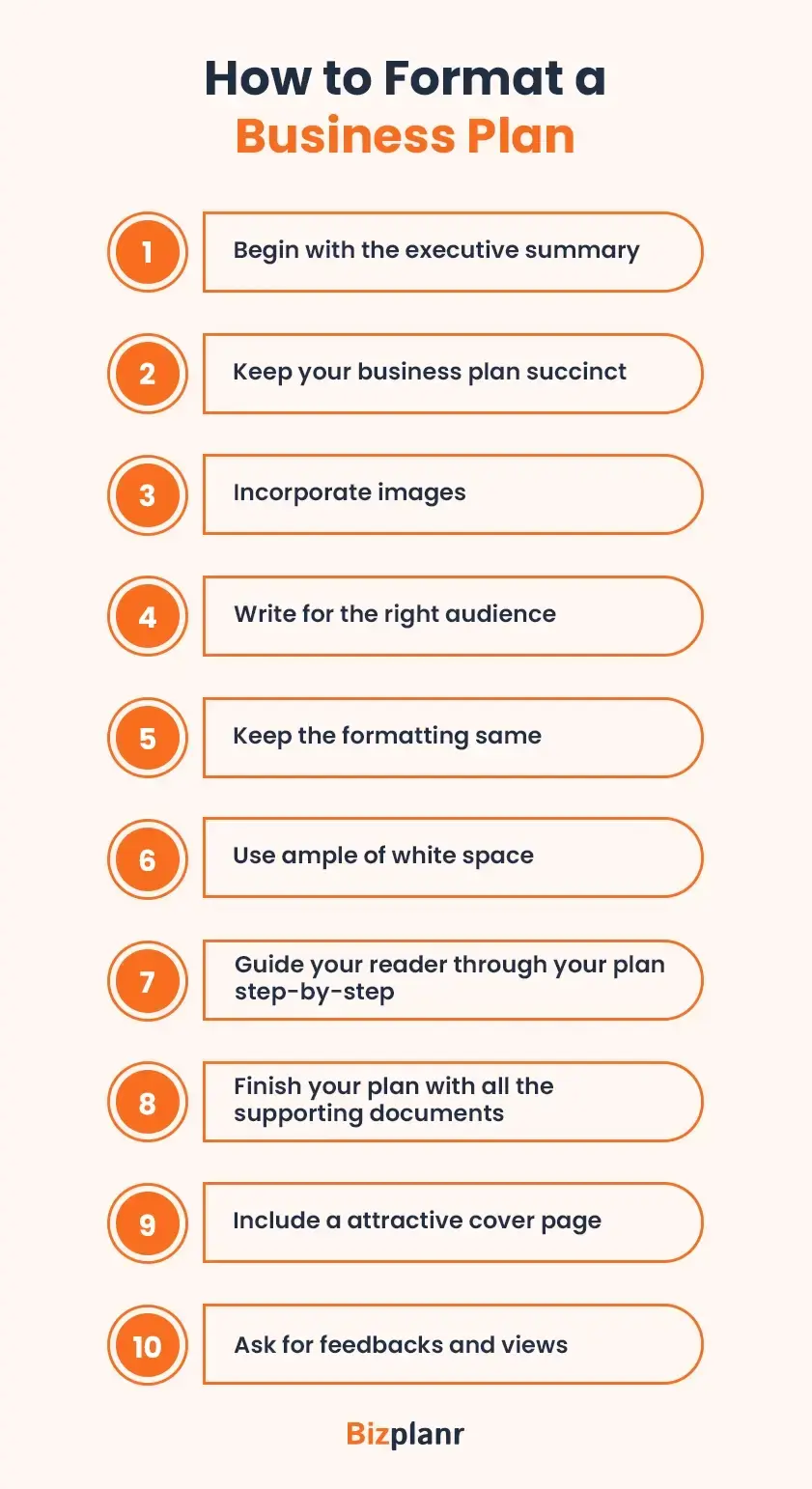
The Executive Summary: Your Financial Value Proposition
The first thing anyone sees when they open a business plan is the Executive Summary. While it appears first, it is usually written last. From a financial perspective, this section is your “elevator pitch” on paper. It must succinctly answer the question: Is this business a sound investment?
Capturing Investor Interest and Capital
If you are seeking external funding, the Executive Summary is the most critical two pages of the entire document. It should outline the specific funding requirement—how much money you need and what you intend to do with it. Investors look for clarity in your capital request. Are you seeking $500,000 for R&D, or $1 million for market expansion? A professional business plan looks like a document that respects the reader’s time by getting straight to the monetary stakes.
Defining the Revenue Model
A core component of the summary is the revenue model. You must explain exactly how the business generates income. Is it a subscription-based model with recurring revenue, a high-margin retail play, or a service-based fee structure? By clearly defining the money-making engine at the outset, you establish the financial viability of the project before the reader even gets to the deep data.
Market Analysis and the Geometry of Profitability
A business plan must look like a deep dive into the economic environment. You cannot manage money in a vacuum; you must understand the flow of capital within your specific industry. This section proves that there is a “gap” in the market that your business will fill to extract value.
Identifying Profitable Niches through TAM, SAM, and SOM
To a financial analyst, a business plan looks like a series of narrowing funnels. You start with the Total Addressable Market (TAM), which represents the total revenue opportunity available if you had 100% market share. You then narrow it down to the Serviceable Addressable Market (SAM) and finally your Serviceable Obtainable Market (SOM). This level of financial granularity shows that you aren’t just dreaming—you are calculating. It demonstrates a realistic expectation of market share and, consequently, realistic revenue projections.
Competitive Financial Benchmarking
What does a business plan look like when it analyzes competitors? It looks like a study of their pricing strategies and profit margins. By analyzing how much your competitors charge and estimating their overhead, you can position your business to be the more lucrative alternative. Whether you are undercutting prices to gain market share or positioning yourself as a premium brand with higher margins, this section justifies your future price points to stakeholders.
Operational Structure and Cost Management
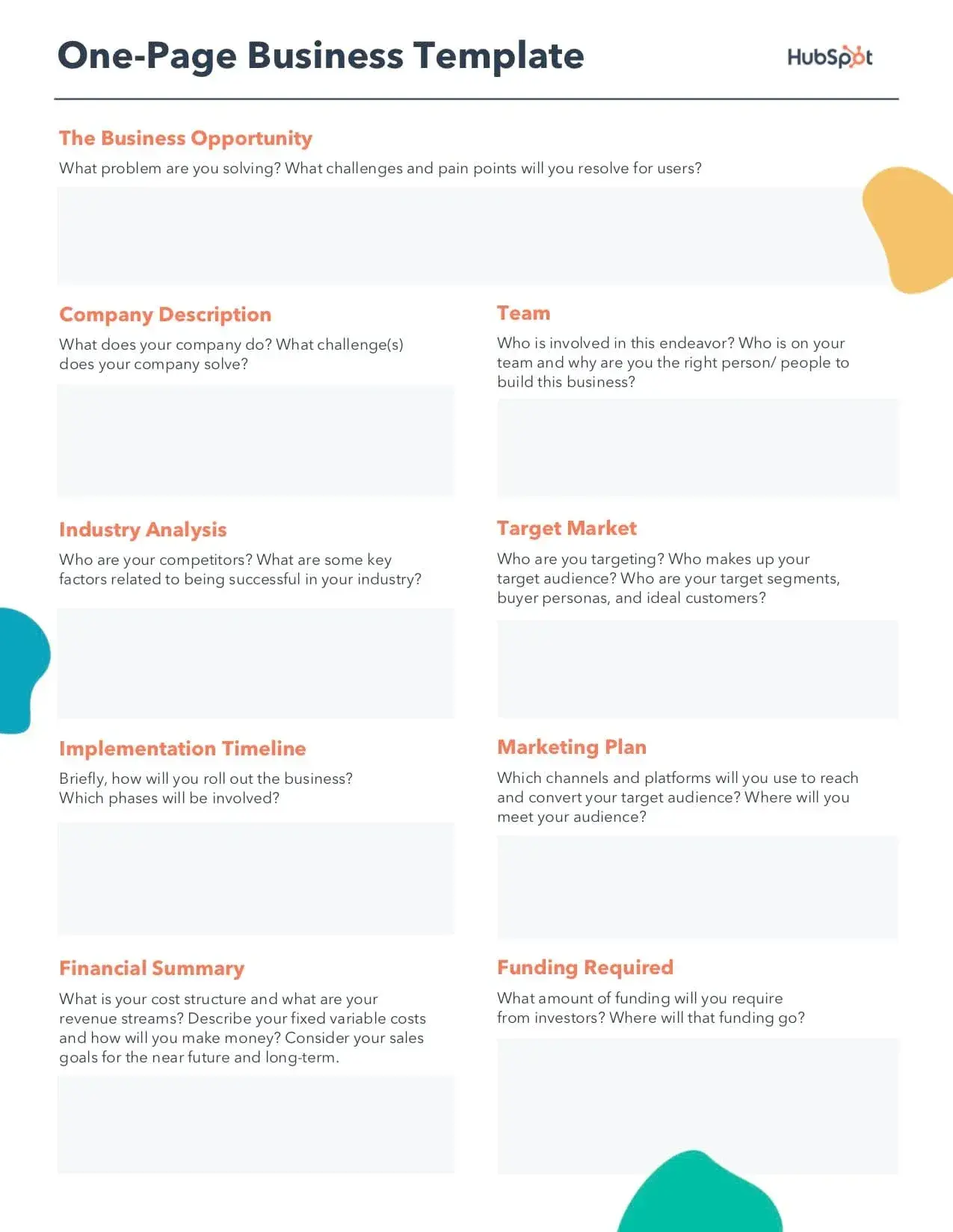
Moving from the “why” to the “how,” the operational section of a business plan looks like a detailed breakdown of expenses. In business finance, profit is simply revenue minus expenses. If you cannot outline your costs, you cannot guarantee your profits.
Distinguishing Fixed vs. Variable Costs
A professional plan clearly distinguishes between fixed costs (rent, salaries, insurance) and variable costs (raw materials, shipping, transaction fees). This distinction is vital for understanding your “burn rate”—the speed at which you spend your initial capital before becoming profitable. A plan that ignores these details looks like a hobby, not a business. By listing these costs, you show an intimate knowledge of your “bottom line.”
Strategic Resource Allocation
Beyond simple costs, this section outlines where your money is best deployed. Should you invest more in inventory or in digital marketing? A sound financial plan allocates resources to the areas with the highest Return on Investment (ROI). For instance, if data shows that every $1 spent on social ads returns $4 in sales, your plan should reflect a heavy allocation toward that specific channel. This shows a “Money-first” mindset that prioritizes growth and sustainability.
The Financial Core: Projections, Cash Flow, and Funding
This is the “engine room” of the business plan. If you strip everything else away, the financial statements are what define the document’s value. A business plan should look like a collection of integrated spreadsheets that tell a story of growth.
Income Statements and Balance Sheets
A robust business plan includes pro forma (projected) financial statements for the next three to five years. The Income Statement (Profit and Loss) shows your ability to generate profit over time. The Balance Sheet provides a snapshot of your financial health, listing assets (what you own) against liabilities (what you owe). For an entrepreneur, these documents are the ultimate proof of professional competence. They turn “potential” into “probability.”
Break-even Analysis and ROI
One of the most important questions a business owner must answer is: When will we stop losing money? The break-even analysis calculates the exact point where total revenue equals total expenses. Furthermore, calculating the expected ROI (Return on Investment) for your stakeholders is essential. If an investor puts in $100,000, they need to see a timeline for when that money returns to them with interest or equity growth. A plan that features a clear break-even point looks like a safe and calculated risk.
Risk Mitigation and Exit Strategies
In the realm of personal and business finance, the smartest players are those who plan for when things go wrong. A business plan isn’t just a “best-case scenario” document; it must look like a defensive strategy as much as an offensive one.
Diversification and Contingency Planning
What happens if the cost of your raw materials doubles? What if a major competitor enters the market? A high-level business plan includes a “Sensitivity Analysis” or a “Risk Management” section. This outlines how you will protect your capital during economic downturns. It might include maintaining a cash reserve (a “runway”) or diversifying your income streams so that you aren’t dependent on a single client or product.
Valuation and the Path to Liquidity
Finally, a business plan often looks toward the end of the journey. For many entrepreneurs, the goal is an “exit”—selling the company or taking it public. This section discusses the business valuation. How much will the company be worth in five years based on a multiple of its earnings? By outlining an exit strategy, you show investors that you have a plan for them to “cash out,” which is often the primary motivation for high-net-worth individuals to fund your venture in the first place.
Conclusion: The Business Plan as a Living Financial Asset
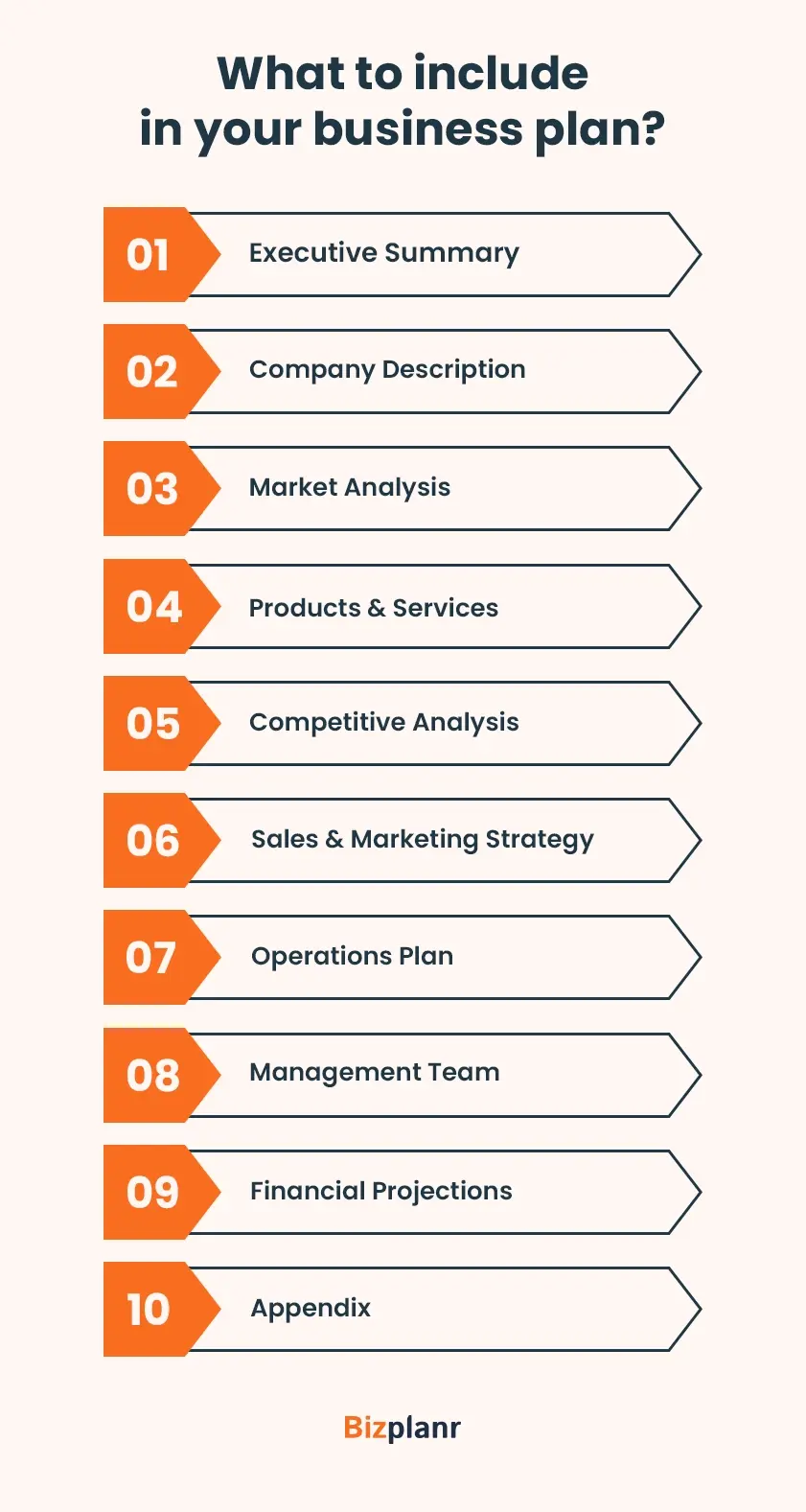
In summary, what does a business plan look like? It looks like a disciplined, data-driven narrative that prioritizes financial health above all else. It uses the language of money—margins, equity, cash flow, and assets—to prove that a business idea is not just creative, but commercially viable.
Whether you are writing a lean startup plan on ten pages or a comprehensive corporate manifesto on fifty, the focus must remain on fiscal responsibility. By following this structure—moving from a high-level value proposition to granular financial projections—you create more than just a document. You create a roadmap for wealth creation, a tool for securing capital, and a blueprint for long-term financial success. In the world of money, those who plan their profit are the ones who ultimately achieve it.
aViewFromTheCave is a participant in the Amazon Services LLC Associates Program, an affiliate advertising program designed to provide a means for sites to earn advertising fees by advertising and linking to Amazon.com. Amazon, the Amazon logo, AmazonSupply, and the AmazonSupply logo are trademarks of Amazon.com, Inc. or its affiliates. As an Amazon Associate we earn affiliate commissions from qualifying purchases.