
When you’re in the market for a new vehicle, the term “bumper-to-bumper warranty” often surfaces, promising peace of mind and protection against unexpected repair costs. But what exactly does this comprehensive coverage entail, and are there any nuances you should be aware of? Understanding the scope and limitations of a bumper-to-bumper warranty is crucial for making an informed decision, both when purchasing a vehicle and when considering long-term ownership. This article delves into the intricacies of bumper-to-bumper warranties, focusing specifically on their financial implications and the value they offer to consumers in the realm of Money.

Understanding the Financial Landscape of Vehicle Protection
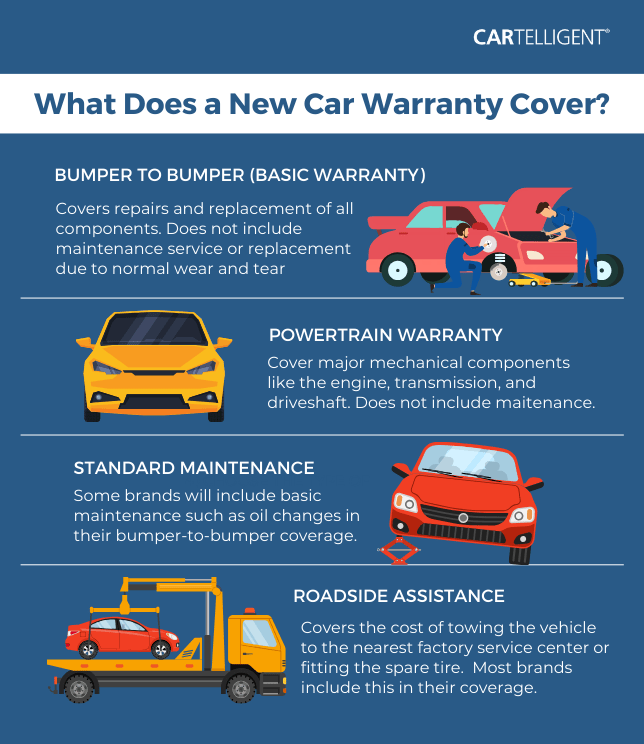
A bumper-to-bumper warranty, often referred to as a comprehensive or exclusionary warranty, is a type of vehicle service contract that promises to cover a wide array of parts and components. Unlike a powertrain warranty, which typically focuses on the engine, transmission, and drivetrain, a bumper-to-bumper warranty aims to encompass almost everything in your vehicle, with specific exclusions. From a financial perspective, this coverage represents a significant investment in risk mitigation.
The True Cost of Unexpected Repairs
The automotive industry is known for its complex engineering, with thousands of individual parts working in concert to ensure a vehicle’s functionality. When any of these components fail, especially those beyond the basic powertrain, repair bills can escalate rapidly. Consider the cost of replacing a sophisticated infotainment system, a panoramic sunroof mechanism, or intricate climate control components. These are often areas not covered by basic warranties and can run into thousands of dollars. A bumper-to-bumper warranty acts as a financial buffer, absorbing these potentially crippling expenses.
For instance, a faulty air conditioning compressor can cost upwards of $1,000 to replace, including labor. A malfunctioning power seat motor might seem minor, but replacing it can still set you back several hundred dollars. More complex issues, like problems with the anti-lock braking system (ABS) or advanced driver-assistance systems (ADAS), can easily run into the thousands. By transferring the financial risk of these repairs to the warranty provider, you gain predictable monthly payments or a one-time purchase price that safeguards your overall financial health.
Evaluating the Return on Investment
The decision to purchase a bumper-to-bumper warranty is fundamentally a financial one. It’s about weighing the upfront cost of the warranty against the potential cost of future repairs. This involves a degree of financial forecasting and risk assessment.
Factors to Consider for ROI:
- Vehicle Reliability: While all manufacturers aim for reliability, some brands and models have statistically better track records than others. Researching the long-term reliability of the specific vehicle you are interested in is a critical first step. A vehicle with a history of frequent and expensive issues might make the warranty a more attractive financial proposition.
- Your Driving Habits: Do you drive a lot of miles annually? Do you frequently encounter harsh driving conditions (e.g., extreme weather, unpaved roads)? Increased usage and stress on the vehicle can lead to a higher likelihood of component failure.
- Your Financial Situation: Can you comfortably afford a surprise repair bill of $2,000, $5,000, or even more? If a significant unexpected expense would derail your budget, a bumper-to-bumper warranty offers a valuable financial safety net.
- The Cost of the Warranty: Warranties vary in price depending on the vehicle, the duration of coverage, and the deductible. It’s essential to compare quotes from different providers and understand what you are paying for. A warranty that costs as much as a significant percentage of the vehicle’s value might not be a wise financial decision for a generally reliable car.
Ultimately, the ROI of a bumper-to-bumper warranty isn’t just about saving money on repairs. It’s also about the financial predictability it offers. Knowing that you have a cap on your potential repair costs can reduce financial anxiety and allow for better budgeting and saving for other financial goals.
What Components Are Typically Covered Under a Bumper-to-Bumper Warranty?
The core appeal of a bumper-to-bumper warranty lies in its extensive coverage. While the exact inclusions can vary between manufacturers and extended warranty providers, the aim is to cover virtually every part of the vehicle that isn’t explicitly excluded. This broad scope is what differentiates it from more limited warranties.
Broad Coverage Beyond the Powertrain
As the name suggests, the intention is to cover components from the front bumper to the rear bumper. This typically includes:
- Electrical Components: This is a vast category and often a significant differentiator. It can include the starter, alternator, power window motors, power door locks, sunroof motors, navigation systems, infotainment screens, radio, speakers, interior lighting, and dashboard instruments.
- Air Conditioning and Heating Systems: Coverage usually extends to the compressor, condenser, evaporator, blower motor, and associated controls.
- Suspension and Steering Components: This includes shocks, struts, ball joints, tie rods, power steering pump, and steering rack.
- Braking System: Beyond the basic caliper and rotor replacement (which might be considered wear-and-tear, discussed later), coverage can extend to ABS components, brake lines, and master cylinder.
- Sensors and Modules: Modern vehicles are packed with sophisticated sensors and electronic control modules for everything from engine performance to safety features. These are often included.
- Wearable Components (with caveats): Some warranties might cover certain components that are prone to wear, though this is a critical area to scrutinize. This can sometimes include items like wiper motors or certain clutch components.
The financial benefit here is substantial. Imagine needing to replace a complex set of sensors for your advanced cruise control system, or a faulty infotainment unit that costs $3,000 to replace. With a bumper-to-bumper warranty, your out-of-pocket expense would likely be limited to your deductible.
Understanding What’s Not Covered: Essential Exclusions
No warranty is truly “everything covered.” Bumper-to-bumper warranties have standard exclusions that are important to understand to avoid disappointment and unexpected expenses. These exclusions are typically based on components that are considered wear items, require regular maintenance, or are subject to damage from misuse.
Common Exclusions Include:
- Routine Maintenance Items: This is the most common exclusion. Items like oil filters, air filters, spark plugs, brake pads and rotors (though some warranties may cover rotors if they fail due to a covered component), tires, windshield wipers, and fluids are considered part of regular vehicle upkeep and are your financial responsibility.
- Cosmetic Damage: Dents, scratches, rust, and interior wear and tear (e.g., torn upholstery, faded paint) are generally not covered. The focus is on mechanical and electrical functionality.
- Glass: Windshields, windows, and mirrors are typically excluded, although some policies may offer separate glass coverage.
- Tires: Unless the tire failure is directly caused by a covered mechanical defect (which is rare), tire wear and replacement are your responsibility.
- Body Parts and Trim: Exterior panels, bumpers (unless a mechanical component within them fails), and decorative trim are usually not covered for damage.
- Damage from Accidents, Abuse, or Neglect: If a component fails due to an accident, racing, off-roading (if not designed for it), or lack of proper maintenance (e.g., running an engine without oil), the warranty will not apply.
- Aftermarket Modifications: Installing non-factory parts can void your warranty for those specific components or even the entire vehicle, depending on the nature of the modification and the warranty terms.
- Fuel and Emissions Components (sometimes): While many emissions components are covered under federal mandates for longer periods, some specific items within the exhaust or fuel system might have limitations or be excluded depending on the warranty provider.
From a financial standpoint, understanding these exclusions helps you budget for the inevitable costs of car ownership that fall outside the warranty’s umbrella. It prevents the misconception that the warranty will cover every single problem that arises.
Navigating the Financial Implications of Extended Warranties and Service Contracts
When you purchase a new car, the manufacturer typically provides a factory bumper-to-bumper warranty. However, many consumers also opt for extended warranties or vehicle service contracts (VSCs) to continue coverage beyond the manufacturer’s initial term. These are distinct financial products with their own set of considerations.
The Manufacturer’s Factory Warranty: A Baseline Financial Protection
The factory bumper-to-bumper warranty, often called the “comprehensive new vehicle limited warranty,” is included in the purchase price of a new car. It’s designed to protect you from defects in materials or workmanship for a specified period, typically three years or 36,000 miles, whichever comes first.
Key Financial Aspects of Factory Warranties:
- Included in Price: The cost of this warranty is already factored into the MSRP of the vehicle. You don’t pay an additional lump sum for it at the time of purchase.
- Manufacturer-Backed: These warranties are backed by the automotive manufacturer, providing a high level of confidence in their validity and the availability of authorized repair facilities.
- Repair Network: Repairs must be performed at authorized dealerships, which ensures the use of genuine parts and trained technicians.
- Limited Duration: The primary financial limitation is its finite duration. Once it expires, you are exposed to the full cost of future repairs.
For many car owners, the factory warranty provides adequate financial protection during the initial years of ownership. However, as vehicles age and mileage accumulates, the likelihood of component failure increases, making the prospect of out-of-pocket expenses a growing financial concern.
Extended Warranties and Vehicle Service Contracts: A Financial Decision for Future Protection
Extended warranties and VSCs are essentially financial products designed to prolong your protection against repair costs. While often used interchangeably, there can be subtle differences. Generally, extended warranties are offered by the manufacturer, while VSCs can be offered by third-party companies.
Financial Considerations for Extended Coverage:
- Upfront Cost: Unlike factory warranties, extended coverage typically requires a significant upfront payment. This can be a lump sum or financed into your car loan. Carefully assess if the cost is justified by your projected repair needs and your risk tolerance.
- Coverage Levels: Extended warranties and VSCs come in various tiers, from powertrain-only to various levels of comprehensive coverage. A “bumper-to-bumper” extended warranty aims to mimic the factory’s comprehensive coverage. It’s crucial to understand precisely what each tier covers and excludes.
- Deductibles: Most extended warranties and VSCs come with a deductible per repair visit. This means you’ll still be responsible for a portion of the repair cost. The higher the deductible, the lower the upfront cost of the warranty, but the more you’ll pay when a repair is needed. Choosing a deductible that you can comfortably afford is essential.
- Contract Terms and Conditions: Read the fine print thoroughly. Understand the duration, mileage limits, transferability (if you sell the car), and the process for claims. Some VSCs may have stricter requirements regarding maintenance schedules.
- Provider Reputation: For third-party VSCs, researching the reputation and financial stability of the provider is paramount. A warranty is only as good as the company backing it. Financially sound companies are more likely to honor their commitments.
- Negotiation: The price of extended warranties and VSCs is often negotiable, especially when purchased at the time of the car sale. Don’t be afraid to shop around and compare offers from different providers.
From a financial planning perspective, an extended warranty or VSC is a way to pre-pay for potential future repair expenses. It’s a gamble on the future reliability of your vehicle and your ability to absorb unexpected costs. A well-researched and appropriately chosen extended warranty can be a valuable tool for managing your automotive budget over the long term.
Maximizing the Financial Value of Your Bumper-to-Bumper Warranty
Owning a vehicle with a bumper-to-bumper warranty, whether factory-provided or an extended contract, offers significant financial advantages. However, to truly maximize the value of this investment, proactive management and a clear understanding of its terms are essential.
Proactive Maintenance: The Key to Preserving Your Financial Investment
The most effective way to ensure your bumper-to-bumper warranty remains valid and that you experience fewer costly repairs is through diligent and proactive maintenance. This aligns perfectly with the financial principle of investing in preventative measures to avoid larger expenses down the line.
Why Proactive Maintenance Matters Financially:
- Warranty Validity: Most warranties explicitly state that failure to adhere to the manufacturer’s recommended maintenance schedule can void coverage. This means that neglecting oil changes or fluid flushes could leave you footing the bill for a catastrophic engine failure that might otherwise have been covered.
- Preventing Minor Issues from Becoming Major Ones: Regular inspections can catch small problems before they escalate into expensive failures. For example, a slightly worn belt could be replaced cheaply, preventing it from snapping and damaging more critical engine components. A slow coolant leak, if addressed promptly, can prevent overheating and severe engine damage.
- Optimizing Performance and Fuel Efficiency: A well-maintained vehicle runs more efficiently, potentially saving you money on fuel. It also performs better, offering a more enjoyable and reliable driving experience.
- Higher Resale Value: A vehicle with a documented history of regular maintenance is more attractive to potential buyers and can command a higher resale price. This contributes to your overall financial return on vehicle ownership.
Practical Steps for Proactive Maintenance:
- Follow the Manufacturer’s Schedule: Keep your owner’s manual handy and adhere to the recommended service intervals for oil changes, tire rotations, fluid checks, filter replacements, and other scheduled maintenance.
- Keep Records: Maintain detailed records of all maintenance performed, including dates, mileage, and receipts. This documentation is crucial for warranty claims and for proving your adherence to the maintenance schedule.
- Address Warning Lights Promptly: Don’t ignore dashboard warning lights. They are indicators of potential issues that could become more serious and costly if left unaddressed.
- Listen to Your Vehicle: Pay attention to any unusual noises, smells, or changes in how your car drives. These can be early signs of trouble.
By treating your warranty as an investment that requires proper stewardship through maintenance, you protect its financial value and, more importantly, your own financial well-being.
Navigating Claims and Dispute Resolution
Even with comprehensive coverage, mechanical issues can arise. Knowing how to navigate the claims process and understanding your rights can save you time, money, and frustration.
Financial Aspects of Claims:
- Understanding Your Deductible: As mentioned earlier, be prepared to pay your deductible for each covered repair. This is a fixed cost that you should factor into your budgeting.
- Document Everything: When a problem occurs, document the issue thoroughly. Take photos or videos if possible. Note the date, time, and mileage.
- Contact Your Provider: Initiate the claims process as soon as possible. Understand the specific procedures outlined by your warranty provider. This usually involves contacting them to get pre-authorization for repairs.
- Choose Authorized Repair Facilities: For most warranties, especially manufacturer-backed ones, repairs must be performed at authorized dealerships or certified repair shops. Using an unauthorized facility can void your warranty.
- Get Repair Estimates: If possible, obtain multiple repair estimates from authorized facilities, especially for complex issues. This can help ensure you are being charged a fair price for the work.
- Dispute Resolution: If your warranty claim is denied and you believe it should be covered, understand your rights to appeal. This may involve speaking with a supervisor, escalating the issue, or seeking advice from consumer protection agencies. Keep all communication records.
From a financial management perspective, a smooth claims process minimizes unexpected expenses and disruptions. By being prepared and informed, you can ensure that your bumper-to-bumper warranty effectively serves its purpose as a financial safeguard. Ultimately, a bumper-to-bumper warranty is a financial tool designed to protect your assets and your budget from the unpredictable costs of automotive repairs, offering a significant layer of financial security for vehicle owners.
aViewFromTheCave is a participant in the Amazon Services LLC Associates Program, an affiliate advertising program designed to provide a means for sites to earn advertising fees by advertising and linking to Amazon.com. Amazon, the Amazon logo, AmazonSupply, and the AmazonSupply logo are trademarks of Amazon.com, Inc. or its affiliates. As an Amazon Associate we earn affiliate commissions from qualifying purchases.