
For many individuals and business owners, the word “bankruptcy” carries a heavy emotional weight, often perceived as a final admission of failure. However, in the realm of sophisticated personal finance and corporate management, bankruptcy is a strategic legal tool designed to provide a “fresh start” for those overwhelmed by debt. Navigating this complex financial landscape is nearly impossible without professional guidance. This raises a fundamental question for anyone facing insolvency: What does a bankruptcy lawyer actually do?
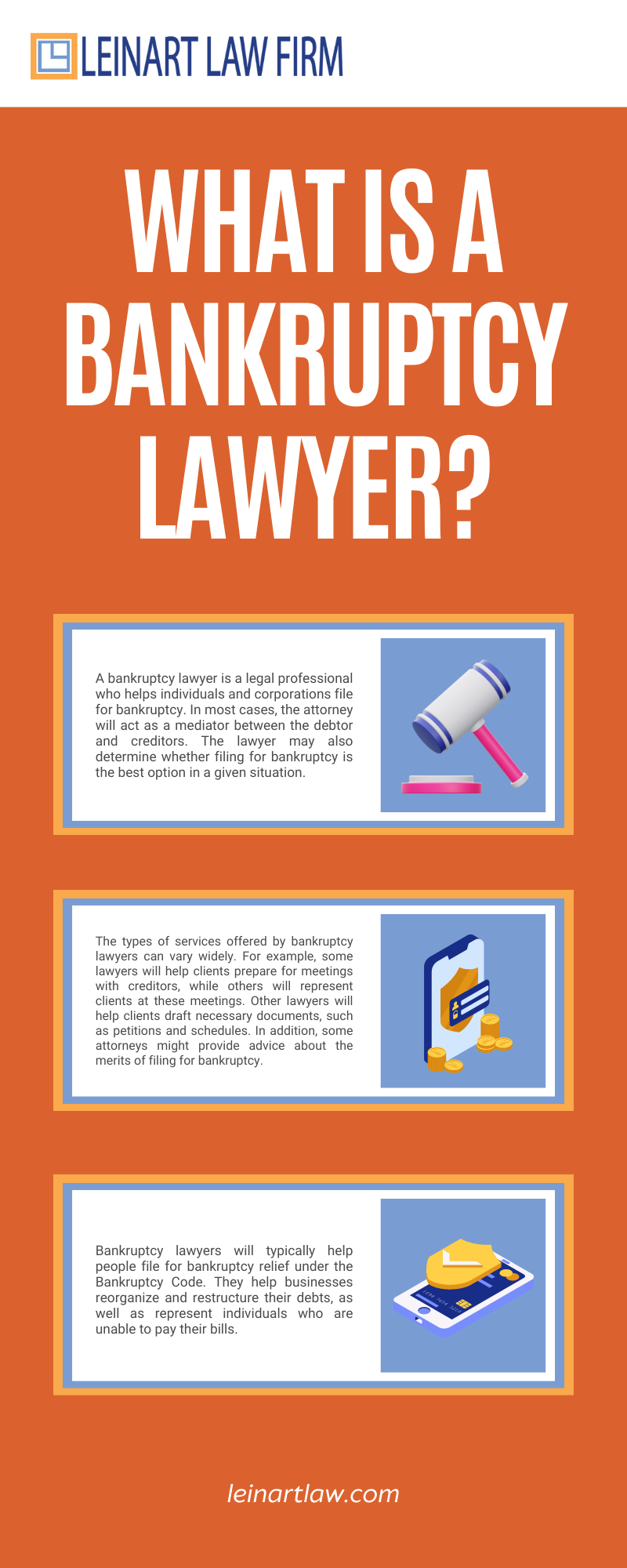
A bankruptcy lawyer is a specialized legal professional who guides clients through the intricate process of discharging or restructuring debt. They serve as a bridge between the debtor, the court system, and the creditors, ensuring that the legal process is used effectively to preserve assets and restore financial stability. Beyond just filing paperwork, they act as financial strategists, negotiators, and protectors of your economic future.
The Role of a Bankruptcy Lawyer in Personal Finance Management
The primary responsibility of a bankruptcy attorney begins long before a single document is filed with the court. Their first role is that of a financial auditor and advisor. They must assess a client’s entire financial ecosystem to determine if bankruptcy is the correct path or if alternative debt-settlement strategies would be more beneficial.
Evaluating Your Financial Situation and Determining Eligibility
Not everyone who is in debt should, or can, file for bankruptcy. A lawyer begins by conducting a rigorous “Means Test.” This is a calculation used to determine whether your income is low enough to qualify for Chapter 7 bankruptcy (liquidation) or if you have enough disposable income to be required to file for Chapter 13 (reorganization).
An attorney looks at your gross income over the last six months, your necessary living expenses, and your total debt load. This deep dive into your personal finance helps identify the most efficient way to handle your liabilities. If you don’t qualify for one chapter, the lawyer will pivot the strategy to another, ensuring you don’t waste time or resources on a filing that the court will ultimately reject.
Choosing Between Chapter 7 and Chapter 13
Choosing the right bankruptcy “chapter” is a critical financial decision. Chapter 7 bankruptcy is often called “straight bankruptcy.” It involves the liquidation of non-exempt assets to pay off creditors, after which most remaining debts are discharged. A lawyer helps you identify which assets are exempt (and thus protected) and whether this path is truly advantageous.
Conversely, Chapter 13 is a reorganization of debt. It is designed for individuals with a steady income who want to keep their property, such as a home or car, but need to restructure their payments. A lawyer designs a three-to-five-year repayment plan that must be approved by the court. The attorney’s skill in drafting this plan is vital; it must be realistic enough for the client to follow while satisfying the legal requirements to appease creditors and the judge.
Navigating the Legal Complexities of Debt Relief
The legal framework surrounding bankruptcy is dense, filled with strict deadlines, specific forms, and complex local rules. A bankruptcy lawyer manages the procedural hurdles that would otherwise overwhelm a layperson, acting as the primary point of contact for all legal proceedings.
Managing the “Automatic Stay” and Creditor Communications
One of the most immediate benefits of hiring a bankruptcy lawyer is the implementation of the “Automatic Stay.” The moment a bankruptcy petition is filed, an automatic stay goes into effect, legally prohibiting creditors from continuing collection efforts, filing lawsuits, garnishing wages, or even making phone calls to the debtor.
Your lawyer ensures this stay is enforced. If a creditor violates the stay, the lawyer can take legal action against them. Furthermore, once you hire an attorney, all creditor communication must go through the law office. This provides immediate mental and financial relief, stopping the harassment and allowing you to focus on the restructuring process under professional supervision.
Preparing and Filing Necessary Documentation
The volume of paperwork required for a bankruptcy filing is staggering. It includes schedules of assets and liabilities, a statement of financial affairs, lists of executory contracts, and detailed tax information. A single error or omission on these forms—whether intentional or accidental—can lead to a case being dismissed or, worse, allegations of bankruptcy fraud.
A lawyer’s job is to ensure the “completeness and accuracy” of these filings. They gather your pay stubs, tax returns, bank statements, and property valuations. They translate your financial reality into the specific language required by the bankruptcy code, ensuring that every debt is listed and every asset is appropriately categorized.
Protecting Assets and Securing Your Financial Future
Perhaps the most valuable service a bankruptcy lawyer provides is “Exemption Planning.” In any bankruptcy case, the goal is to eliminate debt while keeping as much property as possible. This is where the intersection of law and personal finance becomes most apparent.
Maximizing Exemptions to Save Your Property
Both federal and state laws provide “exemptions” that allow debtors to keep certain property during bankruptcy. This might include a portion of the equity in your home (the homestead exemption), your primary vehicle, retirement accounts (like 401ks and IRAs), and “tools of the trade” used for your profession.
A skilled bankruptcy lawyer knows how to apply these exemptions strategically. For example, if you have a significant amount of cash in a savings account, a lawyer might advise you on how to legally use those funds to pay for necessary expenses or exempt assets before filing. This type of asset protection ensures that you emerge from the process with a foundation upon which you can rebuild your financial life.
Life After Bankruptcy: Rebuilding Credit and Financial Health
A bankruptcy lawyer’s work often extends to advising the client on the long-term impact of the filing. While a bankruptcy stays on a credit report for seven to ten years, its negative impact begins to diminish almost immediately if managed correctly.
Lawyers often provide resources or advice on how to rebuild credit scores after the discharge. This includes instructions on monitoring credit reports to ensure that discharged debts are correctly reported as having a zero balance. By helping you understand the “Money” aspect of the recovery phase, the lawyer ensures that the fresh start provided by the court is not squandered.
The Impact of Legal Expertise on Business Insolvency
For entrepreneurs and business owners, the stakes of bankruptcy are even higher. Business bankruptcy is not just about personal survival; it is about the survival of the entity, the protection of employees, and the mitigation of personal liability for business debts.
Facilitating Chapter 11 Reorganizations
In the world of business finance, Chapter 11 is the gold standard for companies that are “worth more alive than dead.” A bankruptcy lawyer specialized in Chapter 11 acts as a lead strategist in corporate restructuring. They help the business operate as a “debtor in possession,” meaning the business continues to run while the lawyer negotiates with committees of unsecured creditors.
The lawyer’s role here is highly sophisticated. They must draft a “Plan of Reorganization” that changes the terms of loans, reduces interest rates, or stretches out payment terms. This requires a deep understanding of corporate finance, cash flow projections, and valuation. Without a lawyer, a business is unlikely to survive the rigorous demands of a Chapter 11 filing.
Mitigating Liability for Business Owners
Many small business owners are personally liable for their company’s debts due to personal guarantees on loans or leases. When a business fails, the owner’s personal finances are often at risk. A bankruptcy lawyer analyzes the “corporate veil” and determines how to protect the individual from the business’s creditors.
They navigate the complexities of “piercing the corporate veil” and help the owner decide whether a joint personal and business filing is necessary or if the business can be liquidated independently. This strategic planning is essential for preventing a business failure from becoming a total personal financial catastrophe.
Conclusion: An Investment in Financial Recovery
While hiring a bankruptcy lawyer involves an upfront cost, it should be viewed as an investment in one’s financial health. The complexities of the U.S. Bankruptcy Code are designed to be navigated by professionals, and the risks of “going it alone” include the loss of valuable property, the dismissal of the case without debt discharge, and potential legal penalties.
A bankruptcy lawyer does far more than just fill out forms. They act as your financial advocate, ensuring that you utilize every legal protection available to settle your debts and protect your assets. Whether you are an individual drowning in medical bills or a business owner facing a liquidity crisis, a bankruptcy lawyer provides the expertise needed to turn a period of financial distress into a controlled and successful restructuring of your economic life. By managing the legal hurdles, negotiating with creditors, and maximizing asset exemptions, they pave the way for a stable and prosperous financial future.
aViewFromTheCave is a participant in the Amazon Services LLC Associates Program, an affiliate advertising program designed to provide a means for sites to earn advertising fees by advertising and linking to Amazon.com. Amazon, the Amazon logo, AmazonSupply, and the AmazonSupply logo are trademarks of Amazon.com, Inc. or its affiliates. As an Amazon Associate we earn affiliate commissions from qualifying purchases.