
In the intricate tapestry of the global economy, banks stand as an indispensable pillar, often taken for granted yet profoundly impacting every facet of our financial lives. From the simple act of depositing a paycheck to securing multi-million dollar business loans, banks serve as the conduits through which money flows, facilitating commerce, fostering investment, and enabling individuals and businesses to achieve their financial aspirations. Understanding “what a bank does” goes beyond merely listing services; it delves into their fundamental role as financial intermediaries, their impact on economic stability, and their evolving functions in an increasingly digital world.

At its core, a bank is a financial institution licensed to accept deposits and make loans. However, this simple definition barely scratches the surface of the complex and critical functions they perform. Banks act as the circulatory system of the economy, collecting capital from those who have surplus (savers) and channeling it to those who need it (borrowers), thereby fueling growth, innovation, and personal prosperity. Without a robust banking sector, economies would struggle to allocate capital efficiently, leading to stagnation and diminished opportunities.
The Fundamental Role of Banks: Financial Intermediation
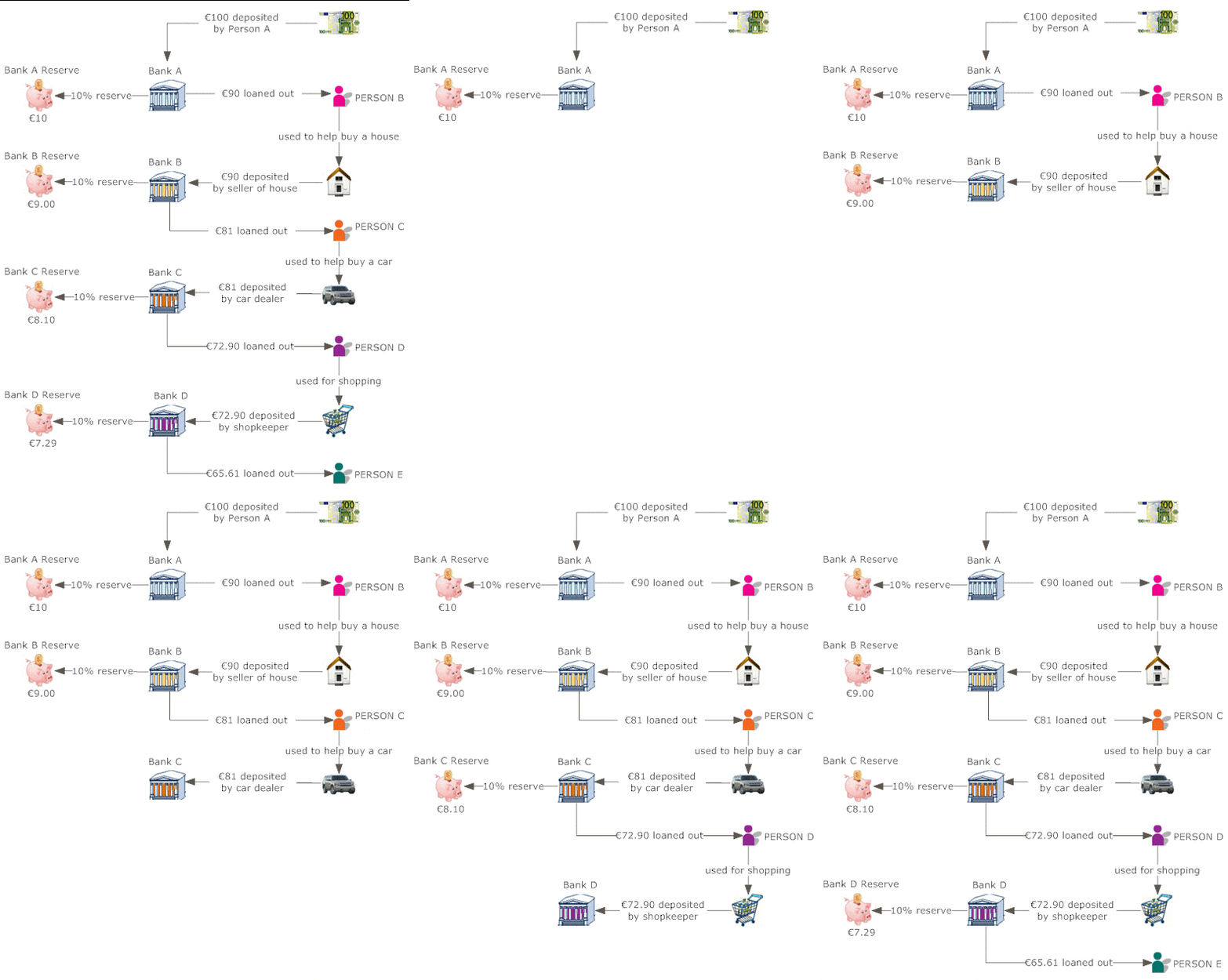
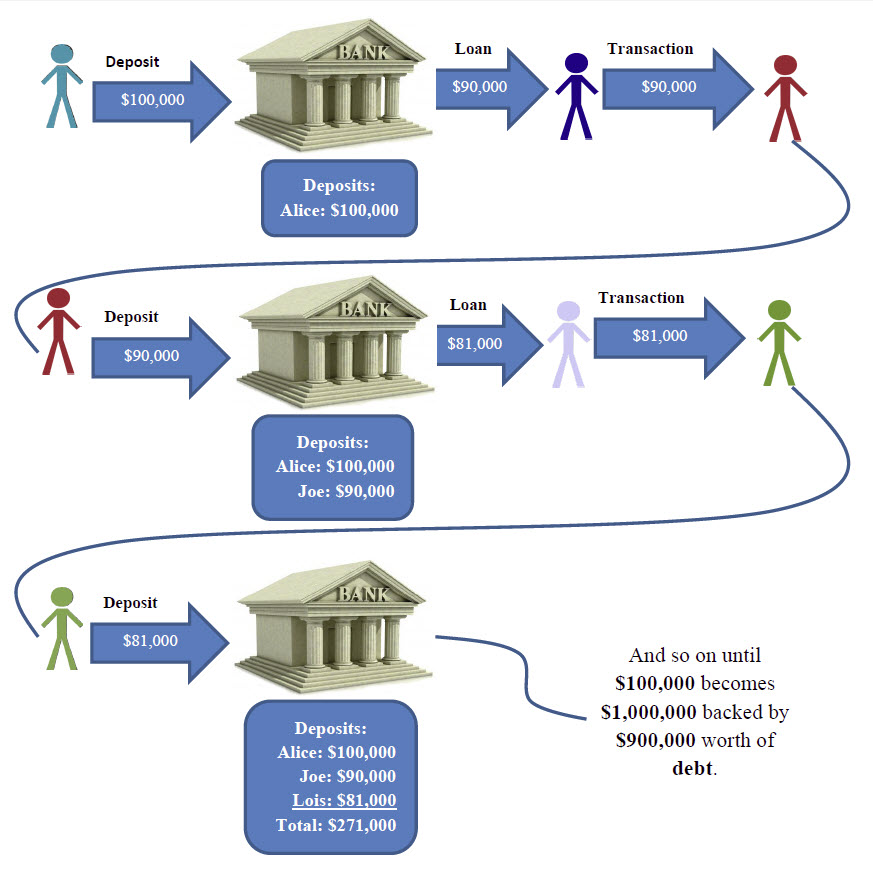
The most crucial function of a bank is financial intermediation. This concept describes the process by which banks act as intermediaries between suppliers of capital (savers) and demanders of capital (borrowers). They transform illiquid assets (deposits) into liquid liabilities (loans), effectively bridging the gap between those who want to save and those who want to invest.
Bridging Savers and Borrowers
Banks provide a secure and convenient place for individuals and businesses to deposit their money, offering various accounts like savings, checking, and money market accounts. These deposits are the raw material for a bank’s lending activities. Instead of individuals having to directly find borrowers and assess their creditworthiness, banks pool these deposits, reducing the risk and transaction costs for both parties. For savers, banks offer interest on deposits, providing a return on their funds, and often protection through deposit insurance schemes (like FDIC in the U.S.), ensuring their money is safe. For borrowers, banks provide access to capital that might otherwise be unavailable, enabling them to purchase homes, fund education, start businesses, or manage cash flow.
Facilitating Economic Growth
By efficiently channeling funds from savers to borrowers, banks are powerful engines of economic growth. Businesses rely on bank loans to expand operations, invest in new technologies, hire employees, and develop new products and services. Homebuyers depend on mortgages to acquire property, stimulating the housing market and related industries. Students use education loans to invest in their future earnings potential. This continuous flow of capital is vital for innovation, job creation, and overall economic expansion. Without this intermediation, capital would remain idle or be deployed inefficiently, severely hampering economic progress.
Managing Risk and Liquidity
Banks are experts in managing financial risks. They assess the creditworthiness of borrowers, diversify their loan portfolios to minimize default risk, and manage interest rate risk. They also provide liquidity to the financial system. Depositors can withdraw their money on demand, while borrowers receive funds for longer terms. Banks manage this mismatch by maintaining reserves, carefully structuring their assets and liabilities, and accessing interbank lending markets. This liquidity function is crucial for maintaining confidence in the financial system and preventing widespread economic disruptions. Through sophisticated risk management frameworks and adherence to regulatory standards, banks ensure the stability and smooth operation of the economy’s financial arteries.
Core Services for Individuals and Businesses
Beyond their foundational role, banks offer a comprehensive suite of services tailored to meet the diverse financial needs of individuals, families, and businesses of all sizes. These services form the everyday touchpoints most people have with their bank.
Deposit Accounts: Savings and Checking
The most basic and widely used services banks offer revolve around deposit accounts, which serve different purposes for managing funds.
Savings Accounts: Growth and Security
Savings accounts are designed for individuals and businesses to store funds securely and earn a modest return through interest. They are ideal for long-term goals, emergency funds, or simply holding money not immediately needed for expenses. While typically offering lower interest rates compared to other investment vehicles, savings accounts provide high liquidity (funds are readily accessible) and are insured up to a certain limit by government agencies, offering peace of mind.
Checking Accounts: Daily Transactions
Checking accounts are the workhorse of daily finance. They are designed for frequent transactions, allowing individuals and businesses to easily deposit and withdraw money, write checks, pay bills, and make purchases using debit cards. While they often offer minimal or no interest, their primary value lies in their convenience and accessibility for managing day-to-day cash flow. Many checking accounts come with online banking, mobile apps, and direct deposit features, streamlining financial management.
Lending Services: Fueling Ambition and Needs
Lending is arguably the most impactful service a bank provides, enabling major life milestones and business development. Banks offer a variety of loan products, each designed for specific purposes.
Personal Loans and Mortgages
For individuals, banks provide personal loans for a wide range of needs, from debt consolidation to financing large purchases like cars or home renovations. Mortgages are a specialized form of loan specifically for purchasing real estate, typically with long repayment periods and the property serving as collateral. These loans are critical for enabling homeownership, a cornerstone of personal wealth building and a significant driver of economic activity.
Business Loans and Lines of Credit
Businesses, from startups to large corporations, rely heavily on banks for financing. Business loans can fund expansion, purchase equipment, acquire inventory, or manage operational costs. Lines of credit offer flexible access to funds up to a certain limit, ideal for managing fluctuating cash flow or short-term working capital needs. These lending services are vital for business growth, innovation, and job creation, directly contributing to the economic health of communities.
Payment Processing and Transaction Facilitation
In an increasingly cashless society, banks are central to processing the vast volume of electronic payments that occur daily.
Electronic Transfers and Bill Pay
Banks facilitate electronic funds transfers (EFTs), including direct deposits, wire transfers, and automated clearing house (ACH) transactions. These services enable rapid and secure movement of money between accounts, institutions, and countries. Online bill pay features allow customers to schedule and pay recurring expenses digitally, saving time and reducing the risk of missed payments. These services are fundamental to modern commerce and personal financial management.
Credit and Debit Card Networks
Banks issue credit and debit cards, which are integral to global payment networks. When you swipe a card, a bank (the issuer) and another bank (the acquirer) work in concert with payment networks (like Visa or MasterCard) to verify funds, authorize the transaction, and settle payments. This complex system allows for immediate, secure, and widely accepted transactions at points of sale worldwide, supporting both consumer spending and merchant revenue.
Beyond Basic Banking: Specialized Financial Functions
As financial markets have grown in complexity and sophistication, so too have the services offered by banks. Many institutions, particularly larger ones, provide a range of specialized financial functions that cater to more intricate needs of individuals and corporations.
Investment and Wealth Management
For clients with substantial assets or complex financial goals, banks often offer comprehensive investment and wealth management services. These services go beyond simple savings accounts to help clients grow and preserve their wealth strategically.
Advisory Services
Wealth management divisions provide personalized financial planning and advisory services. This includes helping clients set financial goals, plan for retirement, manage taxes, plan for estates, and make informed decisions about their investments. Advisors work closely with clients to understand their risk tolerance, time horizons, and specific objectives, crafting tailored strategies.
Brokerage and Portfolio Management
Banks with brokerage arms facilitate the buying and selling of various securities, such as stocks, bonds, mutual funds, and exchange-traded funds (ETFs). For affluent clients, banks may offer discretionary portfolio management, where experienced professionals manage investment portfolios on the client’s behalf, making tactical adjustments based on market conditions and the client’s agreed-upon strategy. This allows individuals to benefit from professional expertise without needing to actively manage their own investments.
International Banking and Foreign Exchange
In an interconnected global economy, international banking services are crucial for businesses engaged in cross-border trade and individuals with international financial needs.
Cross-Border Transactions
Banks facilitate international wire transfers, enabling businesses to pay suppliers or receive payments from customers in different countries. They also offer letters of credit and other trade finance solutions, which reduce risk for importers and exporters by guaranteeing payments in international transactions. These services are vital for facilitating global commerce and investment flows.
Currency Exchange
Banks provide foreign exchange (forex) services, allowing individuals and businesses to convert one currency into another. This is essential for international travel, overseas investments, and businesses conducting transactions in multiple currencies. Banks act as market makers or facilitators, providing competitive exchange rates and ensuring the smooth conversion of funds across borders.
Trust and Custody Services
Trust and custody services cater to the need for professional management and safeguarding of assets, often for long-term planning or institutional purposes.
Trust services involve managing assets on behalf of another party (the beneficiary) according to specific instructions, often outlined in a trust agreement. This can include managing inheritances, charitable foundations, or estates. Banks, acting as trustees, ensure that assets are managed prudently and distributed appropriately, often for generations. Custody services involve the safekeeping of financial assets like securities, preventing theft or loss, and handling administrative tasks such as collecting dividends and interest payments. These services are invaluable for institutions, pension funds, and high-net-worth individuals who require secure, professional management of complex asset portfolios.
How Banks Generate Revenue and Sustain Operations
Understanding what a bank does also involves grasping how these institutions remain profitable and sustain their operations. Banks are, after all, businesses that need to generate revenue to cover their costs, invest in technology, compensate employees, and provide a return to their shareholders. Their revenue generation strategies are primarily built around the fundamental principles of financial intermediation.
Net Interest Margin: The Core Engine
The primary source of revenue for most banks is the “net interest margin” (NIM). This is the difference between the interest income a bank earns from its assets (primarily loans and investments) and the interest expense it pays on its liabilities (primarily deposits and borrowed funds). For instance, a bank might pay 0.5% interest on savings accounts but charge 5% interest on a mortgage. The 4.5% difference, minus operational costs and potential loan losses, contributes to its profit. Banks carefully manage their interest rate risk and the composition of their loan and deposit portfolios to optimize this margin, which is highly sensitive to prevailing interest rates set by central banks.
Fees for Services Rendered
Beyond interest income, banks generate significant revenue through various fees charged for the services they provide. These can include:
-
Account maintenance fees: Charges for keeping certain types of accounts.
-
Transaction fees: For services like wire transfers, foreign currency exchange, or ATM withdrawals from non-network machines.
-
Loan origination fees: Charges for processing and setting up a loan.
-
Overdraft fees: Penalties for spending more money than is available in an account.
-
Investment management fees: Percentage-based charges for managing investment portfolios or providing advisory services.
-
Credit card fees: Annual fees, late payment fees, or foreign transaction fees associated with credit cards.
These fees compensate banks for the operational costs of providing services, technology infrastructure, and specialized expertise.
Investment Activities
Many banks, especially larger commercial and investment banks, also generate revenue through their own investment activities. This can include trading in financial markets (stocks, bonds, currencies, derivatives), underwriting securities for corporations and governments (helping them issue new stocks or bonds), and managing proprietary investment portfolios. These activities carry higher risks but can also yield substantial profits. However, these operations are often subject to stricter regulatory scrutiny due to their potential impact on financial stability. The balance between traditional lending and investment banking varies significantly among different types of financial institutions.
The Regulatory Landscape and Trust Factor
Given their critical role in the economy, banks operate within a highly regulated environment. This oversight is designed to ensure financial stability, protect consumers, and prevent illicit activities, thereby maintaining public trust in the banking system.
Ensuring Stability and Protecting Consumers
Regulatory bodies (such as central banks, treasury departments, and independent financial authorities) establish rules and guidelines concerning capital adequacy, liquidity, lending practices, and consumer protection. Capital requirements, for instance, mandate that banks hold a certain amount of capital relative to their risk-weighted assets, acting as a buffer against potential losses. Deposit insurance schemes, like the FDIC in the United States, protect depositors’ funds up to a certain limit, preventing bank runs and maintaining public confidence during times of financial stress. These regulations are continually updated in response to economic changes and past financial crises, aiming to create a resilient and fair financial system.
Anti-Money Laundering (AML) and Know Your Customer (KYC)
A significant aspect of banking regulation is the fight against financial crime. Banks are on the front lines of detecting and preventing money laundering and terrorist financing. Through “Know Your Customer” (KYC) protocols, banks are required to verify the identity of their clients and understand their financial activities. This involves collecting identification documents, scrutinizing transaction patterns, and reporting suspicious activities to authorities. While sometimes perceived as burdensome by customers, these measures are vital for upholding the integrity of the financial system and preventing its exploitation for illegal purposes.
The Importance of Public Trust
Ultimately, a bank’s ability to function and thrive rests heavily on public trust. People must trust that their deposits are safe, that their transactions are secure, and that the bank will act in their best interest (or at least within ethical and legal boundaries). Loss of trust can lead to devastating consequences, as evidenced by historical bank runs and financial crises. Therefore, transparency, ethical conduct, robust security measures, and adherence to regulations are not just compliance requirements; they are fundamental to a bank’s long-term viability and its capacity to serve the economy effectively.
Conclusion: The Indispensable Pillar of the Modern Economy
In summary, the question “what does a bank do?” reveals a multi-faceted answer. Banks are not merely places to store money; they are sophisticated financial intermediaries that facilitate the flow of capital, enable economic growth, manage risk, and provide essential services for daily financial management and long-term wealth building. From individual savings to international trade finance, their operations underpin virtually every aspect of modern economic life.
As technology continues to evolve and consumer expectations shift, the banking sector itself is undergoing significant transformation, with digital banking, fintech innovations, and new payment systems reshaping how these core functions are delivered. Yet, the fundamental role of banks – as trusted stewards of capital, providers of liquidity, and facilitators of commerce – remains as critical as ever. They are, and will likely continue to be, an indispensable pillar without which the intricate machinery of the global economy could not function.
aViewFromTheCave is a participant in the Amazon Services LLC Associates Program, an affiliate advertising program designed to provide a means for sites to earn advertising fees by advertising and linking to Amazon.com. Amazon, the Amazon logo, AmazonSupply, and the AmazonSupply logo are trademarks of Amazon.com, Inc. or its affiliates. As an Amazon Associate we earn affiliate commissions from qualifying purchases.