
In an increasingly subscription-driven economy, understanding the true cost and inherent value of recurring services is paramount for sound personal finance. Among the most pervasive and multifaceted of these is Amazon Prime, a membership that has become synonymous with expedited shipping, digital entertainment, and a host of other perks. For many, the question “how much is a Prime account?” extends beyond a simple price tag; it encompasses a deeper inquiry into whether the financial outlay justifies the benefits received. This article delves into the various costs associated with an Amazon Prime membership, explores discount opportunities, uncovers potential hidden expenses, and provides a framework for conducting a robust cost-benefit analysis to help you make an informed financial decision.
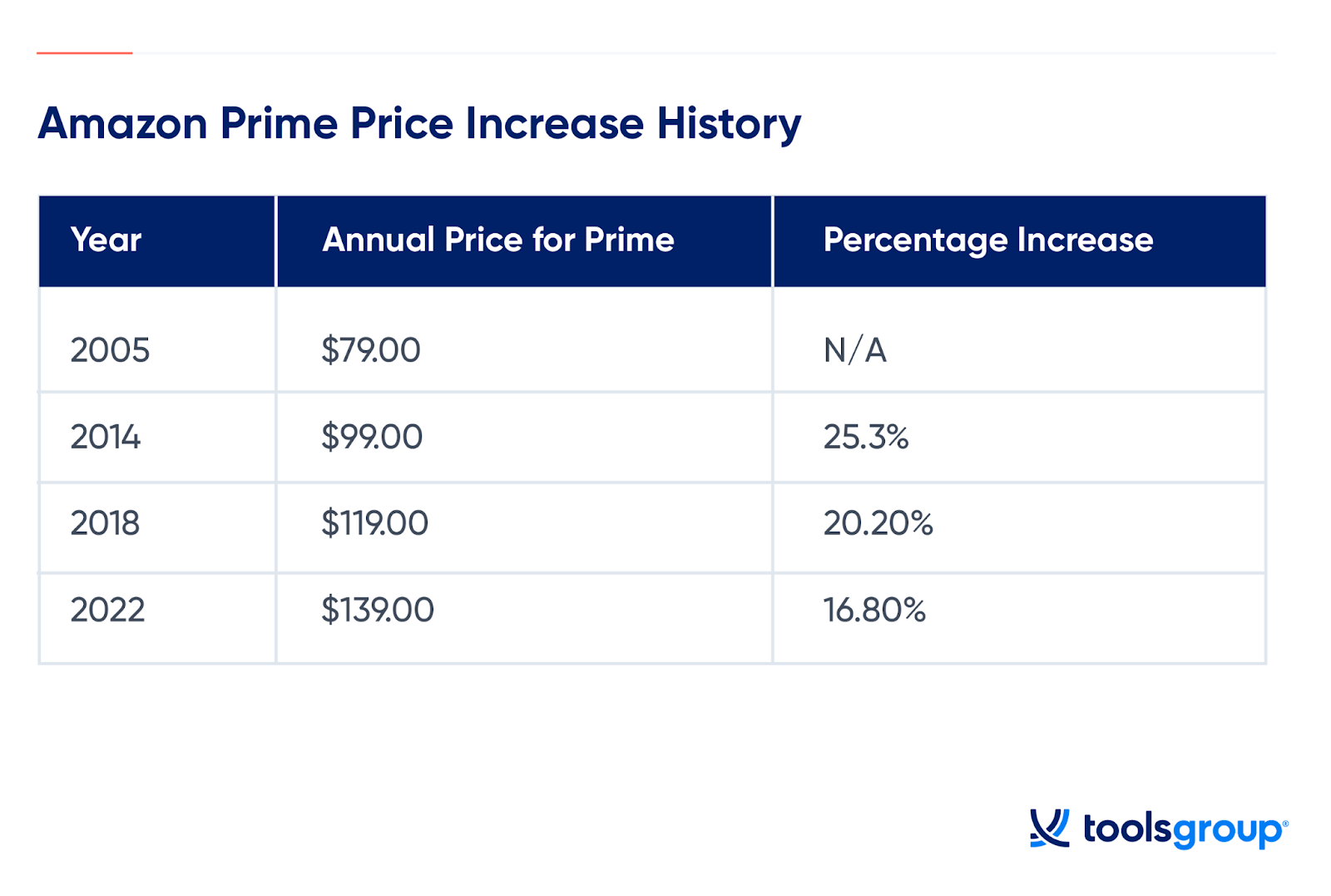
The Core Costs of an Amazon Prime Membership
At its heart, an Amazon Prime account carries a straightforward subscription fee. However, even this seemingly simple figure can vary based on payment frequency and regional considerations. Understanding these basic costs is the first step in assessing its impact on your personal budget.
Standard Monthly and Annual Rates
Amazon Prime typically offers two primary payment structures for its standard membership: monthly and annual. The monthly option, while offering greater flexibility, generally comes at a higher cumulative cost over a year. For instance, a monthly subscription might cost around $14.99, amounting to nearly $180 annually. Opting for the annual payment, often priced at approximately $139, presents a significant saving compared to its monthly counterpart, rewarding members who commit for the long term. This differential highlights a crucial financial decision point: are you willing to pay more for flexibility, or does the annual lump sum offer a better return on your investment, assuming consistent usage? For many budget-conscious individuals, committing to the annual plan offers immediate savings, provided their financial situation allows for the larger upfront expenditure.
Understanding Tax Implications and Regional Variations
While the advertised rates provide a baseline, the final cost of an Amazon Prime membership can be influenced by local sales taxes. These taxes, varying by state and even municipality, can add a few extra dollars to your monthly or annual bill, subtly increasing the overall expenditure. Furthermore, Amazon Prime is a global service, and its pricing is adjusted for different countries and currencies. A Prime account in the UK, Canada, or India, for example, will have a different price point than in the United States, reflecting local market conditions, purchasing power, and service offerings. Therefore, when researching the cost, it’s essential to confirm the pricing relevant to your geographical location to ensure accurate financial planning.
The Prime “Free Trial”—A Financial Gateway
Amazon frequently offers a 30-day free trial for new Prime members, an enticing offer designed to showcase the full suite of benefits without immediate financial commitment. While seemingly risk-free, this trial period is a critical financial gateway. It’s an opportunity to experience the service and determine its value proposition before incurring costs. However, it also requires vigilance. If you do not cancel the trial before its expiration, Amazon automatically rolls you into a paid membership, typically the standard monthly plan. For individuals with tight budgets or those prone to forgetting subscription renewals, missing this cancellation deadline can lead to an unexpected charge on their credit card, turning a free trial into an unforeseen expense. Prudent financial management dictates setting reminders or evaluating the service diligently within the trial window.
Exploring Varied Prime Membership Tiers and Discounts
Recognizing that a one-size-fits-all approach doesn’t cater to every financial situation, Amazon offers several discounted Prime membership tiers. These options can significantly reduce the cost for eligible individuals, making the service more accessible and demonstrating a strategic effort to broaden its customer base.
Prime Student: A Budget-Friendly Option
For college students, Amazon provides a substantial discount through its Prime Student program. This specialized tier typically offers a generous six-month free trial, followed by a membership fee that is roughly half the cost of a standard Prime membership. This equates to considerable annual savings, often reducing the yearly fee to around $69. To qualify, students usually need a valid .edu email address or other verifiable proof of enrollment. This program not only makes Prime affordable for students operating on limited budgets but also introduces them to Amazon’s ecosystem early, potentially fostering long-term loyalty. From a financial perspective, Prime Student is an excellent example of targeted pricing designed to maximize market penetration while providing tangible value to a specific demographic.
Prime Access: Discounted Rates for EBT/Medicaid Recipients
In a commendable effort to enhance accessibility, Amazon also offers a discounted Prime membership for recipients of qualifying government assistance programs, such as EBT (Electronic Benefits Transfer) or Medicaid. Often referred to as “Prime Access,” this tier significantly lowers the monthly membership fee, bringing it down to approximately $6.99. This makes the benefits of Prime—including free shipping and access to digital content—more attainable for individuals and families facing economic hardships. For eligible households, this discount can represent substantial annual savings compared to the standard membership, making essential services and convenience more affordable without straining an already tight budget. It’s a crucial financial consideration for those who qualify, providing a pathway to digital inclusion and cost-saving opportunities.
Leveraging Household Sharing for Cost Efficiency
Amazon Prime offers a “household sharing” feature, allowing two adults and up to four children in the same household to share the benefits of a single Prime membership at no additional cost. This feature is a powerful tool for maximizing the financial efficiency of a Prime account. By sharing the membership, two adults can effectively halve their individual cost if they were both considering separate subscriptions. This not only reduces overall household expenditure on subscription services but also ensures that more family members can take advantage of Prime’s perks, from expedited shipping to Prime Video and Kindle benefits. When assessing the cost-effectiveness of Prime, households should always consider this sharing option as a direct way to dilute the per-person financial outlay.
Beyond the Subscription Fee: Unpacking Potential Additional Expenses
While the monthly or annual fee forms the bedrock of a Prime account’s cost, a holistic financial assessment requires looking beyond this singular charge. Amazon’s vast ecosystem offers numerous services and features that, while often convenient, can lead to additional expenditures if not managed carefully.
The Nuances of “Free” Delivery: Groceries and Expedited Shipping

One of Prime’s most touted benefits is “free” two-day shipping. However, the definition of “free” and the speed of delivery can become nuanced, leading to unexpected costs. While standard Prime shipping covers many items, some specific categories, like Amazon Fresh groceries, might have different thresholds for free delivery. Below a certain order value, a delivery fee might apply, subtly increasing your grocery bill. Similarly, while two-day shipping is standard, opting for same-day, one-day, or ultra-fast delivery for certain items or in specific regions might incur an additional surcharge, especially if the order doesn’t meet specific criteria. For financially savvy consumers, it’s crucial to distinguish between genuinely included “free” services and those that come with conditional costs, preventing budget creep from convenience fees.
In-App Purchases and Channel Subscriptions on Prime Video
Prime Video is a significant component of the membership, offering a vast library of movies and TV shows included in the subscription. However, the platform also hosts a marketplace for additional content that is not included. This includes renting or purchasing new release movies or popular TV series seasons that are not part of the standard Prime catalog. These one-off transactions, while seemingly minor, can quickly add up. Furthermore, Prime Video acts as a hub for “Prime Video Channels,” which are optional, paid subscriptions to third-party streaming services (e.g., HBO Max, Showtime, Starz). Each channel comes with its own monthly fee, layering additional recurring costs on top of the base Prime membership. Understanding the boundaries of what’s “free” within Prime Video versus what triggers extra spending is vital for managing entertainment budgets.
Ancillary Services: Amazon Fresh, Whole Foods Market Benefits, and Other Prime Add-ons
Prime’s benefits extend to various Amazon-owned services and partners, but these often come with their own set of potential additional costs or conditions. While Prime members might receive exclusive discounts or free delivery windows for Amazon Fresh or Whole Foods Market, specific delivery slots, order minimums, or service charges might still apply in certain areas. For example, some regions might charge a service fee for grocery delivery regardless of Prime status unless a certain order value is met. Additionally, other Prime-exclusive deals, like early access to Lightning Deals or certain e-book benefits, might encourage purchases that wouldn’t otherwise occur, leading to increased spending. A keen financial eye will distinguish between genuine savings and incentives that inadvertently lead to higher overall expenditure.
Conducting a Personal Cost-Benefit Analysis: Is Prime Worth Your Money?
Ultimately, the question of “how much is a Prime account?” morphs into “is it worth it for me?” This requires a personalized cost-benefit analysis, quantifying the financial advantages against the monetary outlays and the opportunity cost.
Quantifying Savings: Shipping, Deals, and Digital Perks
To justify the Prime membership fee, you must genuinely use its benefits enough to offset the cost. Start by calculating your potential shipping savings. If you frequently order items from Amazon and typically pay for shipping, sum up those hypothetical charges over a year. Next, consider the value of exclusive Prime deals and discounts. While harder to quantify exactly, if you make significant purchases during Prime Day or leverage member-only coupons, these savings contribute positively. Factor in the value of included digital perks: if you would otherwise subscribe to a separate streaming service (like Netflix or Hulu), the entertainment provided by Prime Video represents a direct saving. Similarly, access to Prime Music and Kindle Lending Library can replace other paid subscriptions or content purchases. By assigning a monetary value to each benefit you actively use, you can build a compelling case for Prime’s financial viability.
The Opportunity Cost: What Else Could That Money Be Doing?
Every dollar spent on a Prime membership is a dollar that cannot be allocated elsewhere. This is the essence of opportunity cost. If you’re paying $139 annually for Prime, consider what else that money could achieve:
-
Savings: Could it contribute to an emergency fund, a down payment, or a retirement account?
-
Investments: Could it be invested in a low-cost index fund, potentially growing over time?
-
Debt Reduction: Could it be used to make an extra payment on high-interest credit card debt, saving you interest charges?
-
Other Subscriptions: Could it fund a different streaming service, a gym membership, or an educational platform that you value more?
Understanding the opportunity cost forces a critical evaluation of Prime’s value against alternative uses of your capital, ensuring that your financial decisions align with your broader monetary goals.
When to Re-evaluate or Cancel Your Membership
Regularly reviewing your subscription services is a cornerstone of effective personal finance. If your usage of Prime’s benefits declines, or if your financial priorities shift, it’s time to re-evaluate. Questions to ask include: Are you still frequently ordering items that benefit from free shipping? Are you actively using Prime Video, Music, or other digital perks? Has your budget become tighter, requiring cuts in discretionary spending? If the quantifiable benefits no longer outweigh the annual or monthly cost, cancellation becomes a financially sound decision. Amazon makes it relatively straightforward to cancel your membership, offering pro-rata refunds for annual plans if you haven’t extensively used the benefits. Being proactive about managing subscriptions prevents unnecessary financial drain and ensures your money is always working hardest for you.
Financial Strategies for Managing Your Prime Subscription
Effective financial management of a Prime account, like any recurring expense, involves proactive planning, awareness, and strategic decision-making.
Budgeting for Recurring Expenses
Integrating your Prime membership fee into your overall budget is fundamental. Whether you pay monthly or annually, allocate a specific line item for “subscriptions” or “entertainment/convenience” in your budget. If you choose the annual payment, factor that lump sum into your yearly financial plan, perhaps by setting aside a small amount each month so the expense isn’t a surprise. For those utilizing discounted tiers like Prime Student or Prime Access, ensuring these lower costs are accurately reflected in your budget helps maintain precise financial oversight. Regular budget reviews allow you to monitor this expenditure alongside others, ensuring it aligns with your financial capacity and goals.
Utilizing Payment Reminders and Renewal Notifications
Given the potential for forgotten free trials or automatic renewals, leveraging reminders is a simple yet powerful financial strategy. Set calendar alerts for the end of your free trial period, giving you ample time to decide whether to continue or cancel. For paid memberships, be aware of your renewal date. Amazon typically sends email notifications prior to renewal, which should not be overlooked. Consider using financial apps or spreadsheet templates that track all your recurring subscriptions, including their costs and renewal dates, ensuring you’re never caught off guard by an unexpected charge. This proactive approach helps prevent unnecessary spending and maintains control over your financial commitments.

Considering Alternatives and Unbundling Services
Before committing or recommitting to a Prime account, consider whether its bundled services truly represent the most cost-effective solution for your needs.
-
Shipping: If your primary need is free shipping, evaluate if Amazon’s free shipping on orders over a certain threshold (often $25 or $35 for non-Prime members) or grouping orders could suffice. For occasional purchases, paying a one-off shipping fee might be cheaper than an annual Prime subscription.
-
Streaming: If you only use Prime Video for a specific show, compare its cost to other standalone streaming services or even renting/purchasing that content individually.
-
Other Benefits: Assess if you genuinely utilize the music, reading, or cloud storage benefits. Separate, specialized services might offer better value or features if these are your primary focus.
In many cases, unbundling services—paying for only what you truly need from different providers—can result in greater overall savings and a more tailored service experience than a comprehensive, but potentially underutilized, Prime membership. A diligent financial review should always explore these alternatives to ensure optimal resource allocation.
Ultimately, the question “how much is a Prime account?” transcends a simple numerical answer. It requires a thoughtful analysis of your consumption habits, an awareness of all potential costs, and a clear understanding of its value proposition against your personal financial objectives. By meticulously evaluating the core costs, leveraging available discounts, anticipating additional expenses, and conducting a robust cost-benefit analysis, you can make an informed financial decision that truly benefits your budget and lifestyle.
aViewFromTheCave is a participant in the Amazon Services LLC Associates Program, an affiliate advertising program designed to provide a means for sites to earn advertising fees by advertising and linking to Amazon.com. Amazon, the Amazon logo, AmazonSupply, and the AmazonSupply logo are trademarks of Amazon.com, Inc. or its affiliates. As an Amazon Associate we earn affiliate commissions from qualifying purchases.