
In the landscape of modern automotive engineering, the transition from a stationary engine to a roaring powerhouse is facilitated by a sophisticated piece of electromechanical technology: the starter solenoid. While many drivers take the simple turn of a key or the press of a button for granted, this small component acts as the high-current relay that bridges the gap between the vehicle’s battery and the starter motor. When this technology begins to fail, it communicates its distress through a specific vocabulary of sounds. Understanding these sounds is not merely a matter of mechanical intuition; it is an exercise in acoustic diagnostics—a field increasingly aided by digital tools and advanced sensors.
The Electromechanical Architecture of the Starter Solenoid
To understand what a failing solenoid sounds like, one must first appreciate the engineering that drives it. The starter solenoid is essentially a powerful electromagnetic switch. Within its housing lies a coil of wire and a moveable plunger. When you initiate the ignition, a low-current signal from the ignition switch energizes the coil, creating a magnetic field. This field pulls the plunger inward, completing a high-current circuit that allows hundreds of amps to flow from the battery to the starter motor.
The Physics of the “Click”
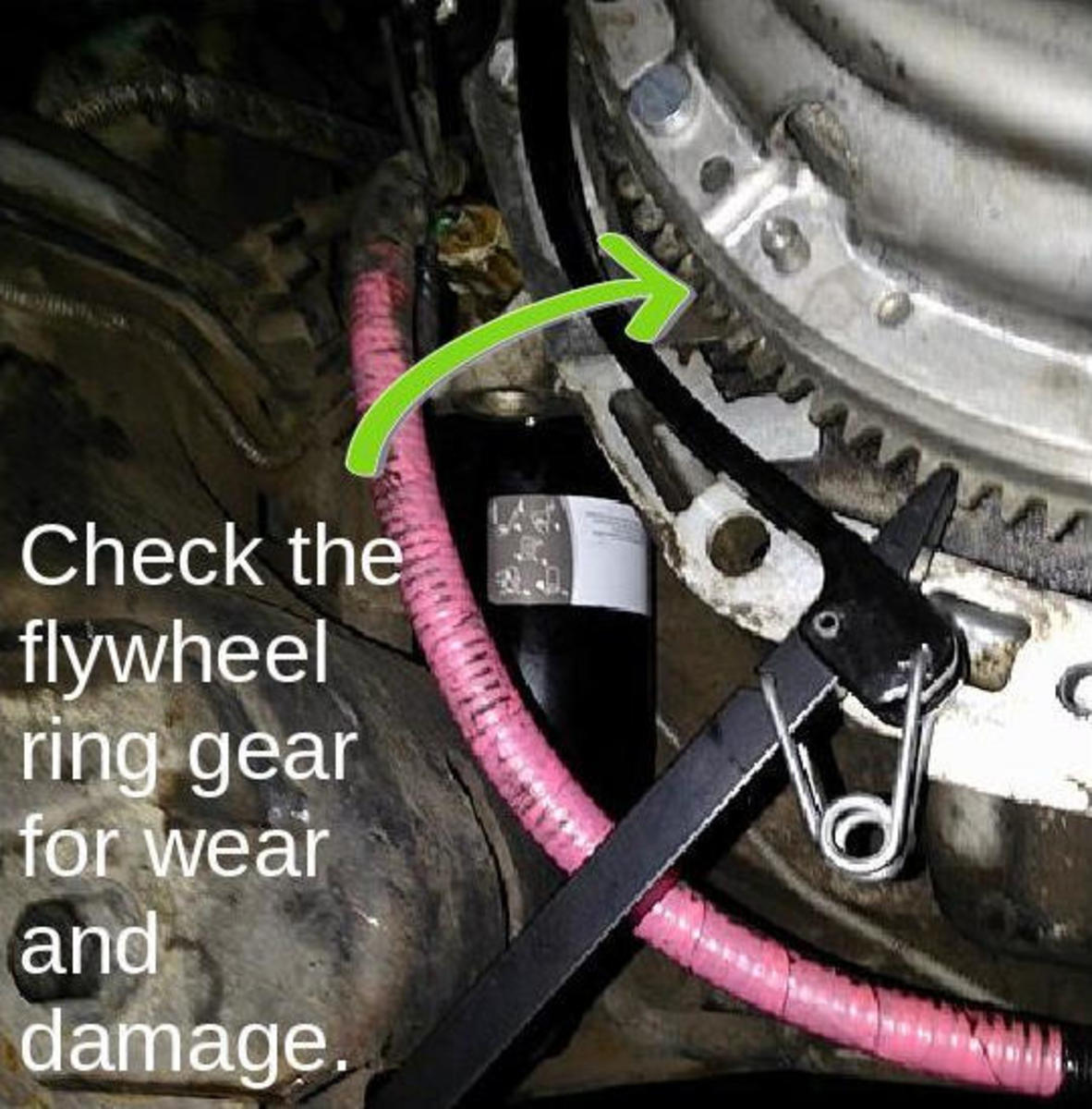
In a healthy system, the engagement of the plunger is instantaneous and forceful. This creates a sharp, singular “clunk” or “click” as the metal components make contact. This sound signifies that the electromagnetic field was strong enough to overcome the return spring and that the mechanical linkage—the Bendix drive—has successfully moved the starter gear into engagement with the engine’s flywheel. When the technology fails, this physical movement becomes sluggish or inconsistent, leading to the auditory warnings we associate with a “bad” unit.
Electronic Control Units (ECU) and Signal Processing
In contemporary vehicles, the path from the finger to the solenoid is no longer a simple copper wire. It is moderated by the vehicle’s Power Control Module (PCM) or Engine Control Unit (ECU). These computers monitor battery voltage, security codes (immobilizers), and even ambient temperature before sending the “go” signal to the solenoid. Therefore, what may sound like a mechanical failure is often a digital “handshake” failure within the vehicle’s software architecture.
Auditory Diagnostics: Decoding the Sounds of Solenoid Failure
When the electromechanical components of the starter solenoid degrade, the resulting sounds are the primary data points used by technicians to diagnose the root cause. These sounds are generally categorized into three distinct patterns, each indicating a specific type of technological breakdown.
The Single Rapid Click
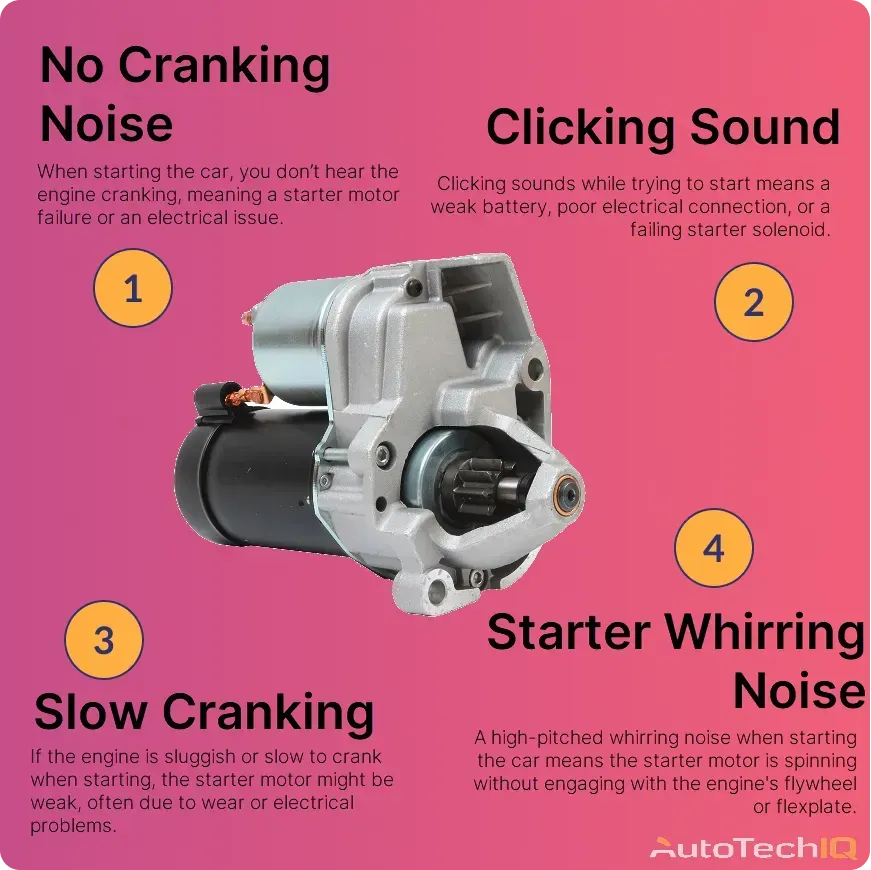
The most common sound associated with a failing solenoid is a loud, singular “click” followed by silence. This usually indicates that the solenoid’s internal plunger is moving, but the electrical contacts inside the unit have become pitted, corroded, or burnt. In the world of high-voltage electronics, “arcing” occurs when electricity jumps across a small gap. Over time, this arcing creates carbon deposits on the copper contacts. While the solenoid “sounds” like it is working because the plunger is moving, the technology fails to bridge the electrical gap required to turn the motor.
The Rapid Chattering or “Machine Gun” Sound
Perhaps the most alarming sound is a rapid-fire clicking or “chattering” when the ignition is engaged. From a technological perspective, this is a symptom of a circuit that cannot maintain a “closed” state. When the solenoid tries to engage, the sudden draw of current causes the system voltage to drop. If the voltage falls below a certain threshold, the electromagnetic field collapses, and the plunger springs back. Once the load is removed, the voltage rises, the field reforms, and the cycle repeats several times per second. While this often points to a low battery, it can also signify high resistance within the solenoid’s internal windings—a failure of the component’s copper insulation.
The Whirring or “Spinning” Sound
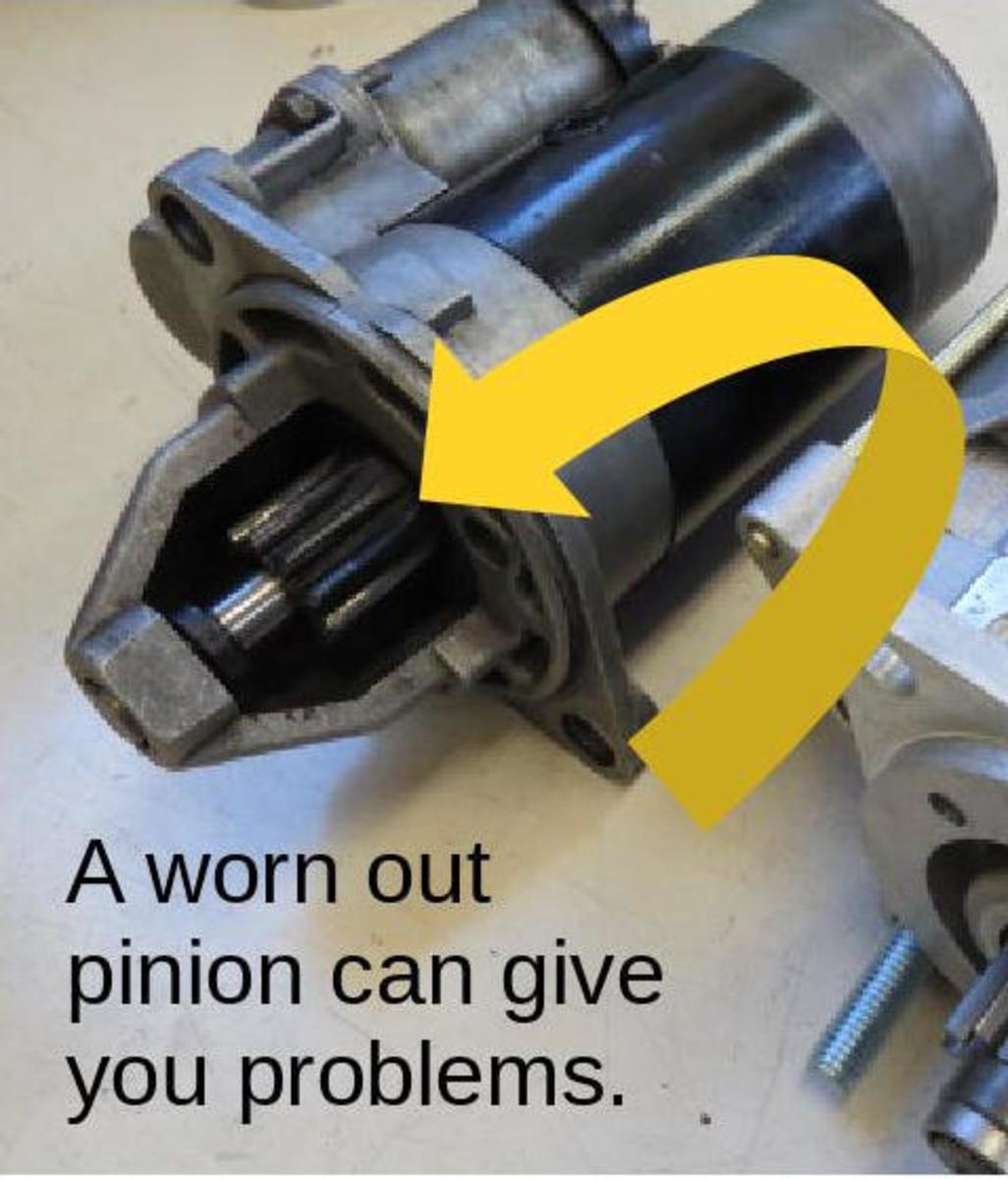
Sometimes, the solenoid fails in a way that allows the motor to spin but fails to engage the engine. This results in a high-pitched whirring sound, similar to an electric drill. In this scenario, the electrical relay portion of the solenoid is functioning, but the mechanical “shift fork” or the Bendix drive—the part of the solenoid tech responsible for physically pushing the gear into the flywheel—has failed. This represents a mechanical disconnect within the electromechanical assembly.
Digital Tools and Gadgets for Advanced Solenoid Testing
The modern approach to diagnosing a bad starter solenoid has moved beyond “listening and guessing.” A suite of digital tools and gadgets now allows DIY enthusiasts and professional technicians to visualize the failure.
The Role of the Digital Multimeter (DMM)
A high-quality digital multimeter is the first line of defense in automotive tech diagnostics. By measuring the “voltage drop” across the solenoid terminals, a user can determine if the internal resistance is too high. If the multimeter shows 12.6 volts entering the solenoid but significantly less exiting toward the motor during an ignition attempt, the internal circuitry of the solenoid is confirmed as the point of failure. This precision removes the ambiguity of auditory diagnostics.
AI-Powered Acoustic Analysis Apps
We are entering an era where smartphone apps utilize Artificial Intelligence (AI) to diagnose mechanical issues. By placing a phone near the engine bay and attempting to start the vehicle, these apps analyze the frequency and rhythm of the clicks or whirring. The AI compares the sound profile against a database of thousands of known failure patterns, providing a probability report of whether the issue lies in the solenoid, the battery, or the starter motor itself. This integration of mobile software and traditional mechanics is a hallmark of current tech trends.
OBD-II Scanners and Data Logging
While a starter solenoid is a relatively “dumb” component, the computers that control it are highly intelligent. Advanced OBD-II (On-Board Diagnostics) scanners can access real-time data streams to see if the “Start Signal” is being received by the ECU. If the scanner shows the signal is present but the solenoid remains silent, the technician can bypass the acoustic test entirely and move straight to hardware replacement.
The Evolution of Ignition: From Solenoids to Smart Start Systems
As we look toward the future of automotive technology, the traditional starter solenoid is undergoing a digital transformation. The industry is shifting toward more integrated, reliable systems that minimize the mechanical points of failure that produce these diagnostic sounds.
Solid-State Switching
One of the most significant trends in automotive electronics is the move toward solid-state relays. Unlike the traditional solenoid, which uses a physical plunger and copper contacts, solid-state technology uses semiconductors (like MOSFETs) to switch high currents. Because there are no moving parts, there is no “click,” no arcing, and no mechanical wear. In vehicles equipped with this technology, the “sound” of a bad starter solenoid is replaced by a digital error code on the dashboard.
Predictive Maintenance and the Internet of Things (IoT)
The next generation of vehicle tech incorporates IoT sensors that monitor the health of the ignition system in real-time. These sensors track the “current draw” and “engagement time” of the solenoid over thousands of cycles. If the system detects that the solenoid is requiring more milliseconds to engage or that the current spike is becoming irregular, it can alert the driver via a smartphone app before the solenoid ever makes a “bad” sound. This shift from reactive to predictive maintenance is the pinnacle of modern digital security for vehicle reliability.
Integration with Keyless and Remote Systems
The technology behind push-button starts and remote ignition systems has necessitated a more robust solenoid design. Because these systems often involve “auto-crank” features—where the computer controls the duration of the start rather than the human—the solenoid must be able to handle precise timing. If the software detects a lack of RPM increase (meaning the engine hasn’t started), it will instantly disengage the solenoid to prevent overheating. This protective software layer is designed to extend the life of the solenoid, making the classic “failing solenoid sound” a much rarer occurrence in newer models.
In conclusion, while the sound of a bad starter solenoid remains a vital diagnostic clue, the context in which we understand that sound has been forever changed by technology. From the physics of electromagnetism to the precision of AI-driven diagnostic apps and the future of solid-state switching, the “click” of a car starting is a symphony of high-tech coordination. Identifying the discord in that symphony is the first step in leveraging modern tools to maintain the peak performance of our digital and mechanical machines.
aViewFromTheCave is a participant in the Amazon Services LLC Associates Program, an affiliate advertising program designed to provide a means for sites to earn advertising fees by advertising and linking to Amazon.com. Amazon, the Amazon logo, AmazonSupply, and the AmazonSupply logo are trademarks of Amazon.com, Inc. or its affiliates. As an Amazon Associate we earn affiliate commissions from qualifying purchases.